
Do you want to create a relaxing spot that attracts birds right to your backyard? A bird bath fountain is the perfect way to do just that.
It’s not only beautiful but also helps keep birds happy and healthy. Imagine watching colorful birds splash and play in your own little water oasis. In this guide, you’ll learn simple steps to make your very own bird bath fountain.
By the end, you’ll have everything you need to bring life and movement to your garden. Ready to get started? Let’s dive in!
Choosing The Right Location
Choosing the right location for your bird bath fountain is crucial. It affects how often birds visit and how safe they feel. A good spot encourages birds to drink and bathe regularly. Think about sunlight, shade, safety, and ease of access. Each factor plays a key role in creating a welcoming space for birds.
Consider Sunlight And Shade
Place the bird bath where it gets morning sun. Sunlight warms the water and helps keep it clean. Avoid hot afternoon sun that can make water too warm. Shade offers birds a cool rest spot. A mix of sun and shade works best for comfort and cleanliness.
Ensure Accessibility For Birds
Keep the area around the bath clear of obstacles. Birds need space to land and take off easily. Low branches or nearby shrubs offer safe perches. Avoid placing the bath too close to busy paths or noisy spots. Birds prefer quiet, open spaces to feel safe.
Avoid Predators And Hazards
Do not put the bird bath near places where cats or other predators hide. Avoid spots near windows to prevent bird collisions. Keep it away from areas with heavy foot traffic or loud noises. A safe location helps birds relax and return often.
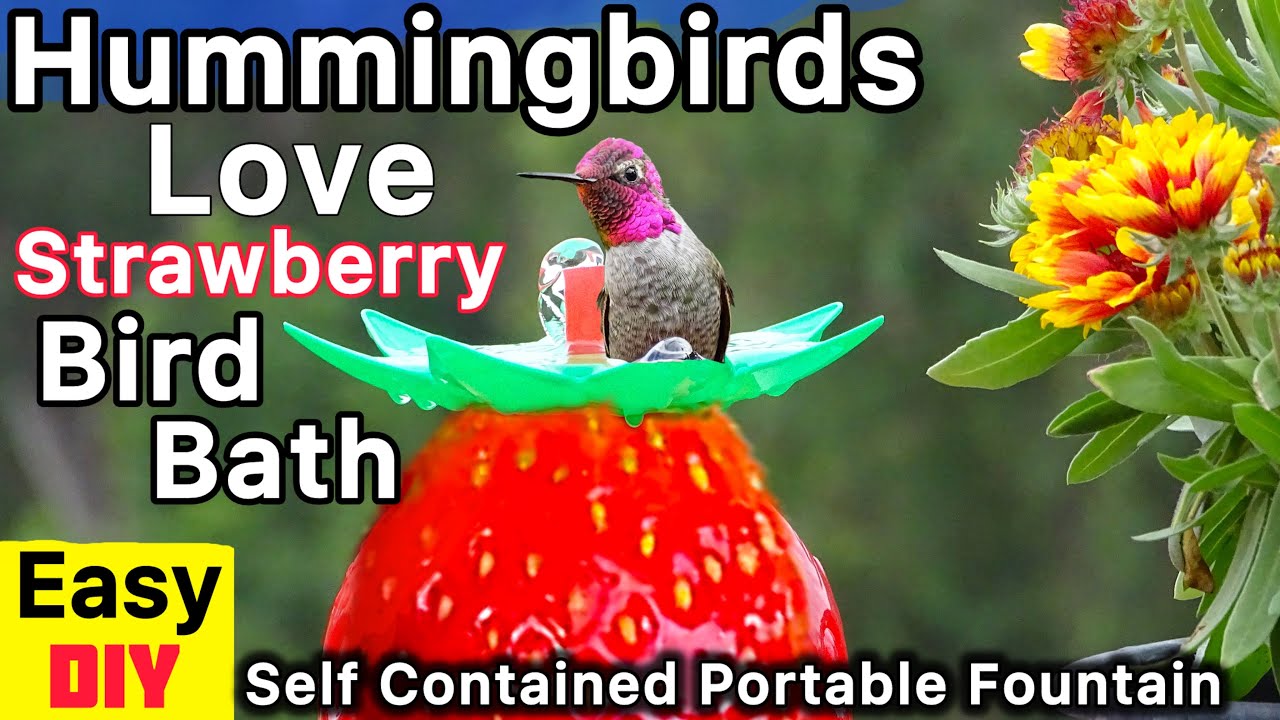
Credit: m.youtube.com
Selecting Materials
Selecting the right materials sets the foundation for a bird bath fountain that lasts and attracts feathered friends. Your choices affect durability, ease of cleaning, and how well birds will enjoy the water feature. Think about your environment, budget, and the style you want to achieve before you start gathering supplies.
Types Of Bird Baths
Bird baths come in various materials, each with its own pros and cons. Concrete and stone are heavy and stable, perfect if you want a permanent fixture that won’t tip over easily. Ceramic and glass offer vibrant colors and smooth surfaces, but they can be fragile and may crack in freezing weather.
Plastic and resin options are lightweight and budget-friendly. They’re easy to move and clean, but may not last as long outdoors. Metal bird baths, like copper or stainless steel, add a modern touch and resist damage, yet they can heat up quickly under the sun, which might scare birds away.
Pump Options And Features
The pump is the heart of your bird bath fountain. Choose one that fits the size of your bath and the flow rate you want. Submersible pumps are common and easy to hide, but make sure they have a protective cover to avoid clogging from leaves or dirt.
Solar-powered pumps save energy and simplify wiring, but they depend on sunlight and may not work well on cloudy days. Adjustable flow pumps let you control the water speed, which can attract different types of birds. Ask yourself, do you want a gentle trickle or a lively cascade?
Decorative Elements
Adding decorative elements makes your bird bath fountain unique and inviting. Natural stones, pebbles, or shells can line the basin to provide grip and comfort for birds. You can also use colorful tiles or mosaics to brighten up the setup and make it a garden focal point.
Consider adding small statues or solar lights nearby to enhance nighttime visibility. Keep decorations bird-friendly—avoid sharp edges or toxic paints. What kind of style will encourage birds to visit your fountain regularly?
Preparing The Base
Preparing the base is an important part of building a bird bath fountain. The base holds the fountain steady and keeps the pump in place. A strong, clean, and level base helps the fountain work well and last longer. Take time to prepare the base carefully before adding water or decorations.
Cleaning And Leveling Surface
Start by clearing the area where the bird bath fountain will sit. Remove dirt, leaves, and stones. A clean surface stops the fountain from tipping or wobbling.
Use a spirit level or a flat tool to check the surface. If the ground is uneven, add sand or small gravel. Press it down to make a flat, stable spot. A level base helps water flow evenly in the fountain.
Securing The Pump
Place the pump on the prepared base. Secure it with waterproof tape or a non-slip mat to stop movement. This keeps the pump steady when water flows.
Make sure the pump’s power cord can reach an outlet safely. Avoid sharp bends or tight spots in the cord. Keep the pump low enough so it stays underwater but easy to access for cleaning.
Waterproofing Tips
Protect the base and pump area from water damage. Use a waterproof sealant on the surface around the pump. Seal any cracks or holes to stop leaks.
Consider placing a plastic liner or tray under the pump. This helps catch water spills and protects the ground below. Waterproofing keeps the base dry and the pump safe, extending the fountain’s life.
Assembling The Fountain
Assembling your bird bath fountain is where your project really starts to take shape. This stage connects all the parts, making sure water flows smoothly to create that soothing fountain effect. Paying close attention now will save you time and frustration later.
Connecting The Pump To Power
Begin by placing the pump securely in the base of your bird bath. Make sure it sits flat and stable to avoid any wobbling once water starts flowing.
Next, connect the pump’s power cord to a nearby outdoor outlet. If your outlet isn’t close, consider using a waterproof extension cord rated for outdoor use. Safety is key—always keep electrical connections dry to prevent hazards.
Arranging Water Flow Components
Now it’s time to attach the tubing or pipes that will guide water from the pump to the fountain head. Ensure all connections are tight to avoid leaks.
Adjust the nozzle or fountain head so water sprays at the height and pattern you want. You might need to experiment with different nozzles or reposition the tubing for the best effect.
Testing Water Circulation
Before filling the bird bath completely, add just enough water to cover the pump. Turn on the power and watch how the water moves through the system.
Is the flow steady, or is the water sputtering? Any splashing or leaking? Small adjustments to the tubing or pump placement can make a big difference here.
Testing now helps you avoid surprises once your fountain is fully assembled and ready for birds to enjoy. What small tweaks could improve your fountain’s flow?
Adding Finishing Touches
Carefully place decorative stones or plants around the fountain for a natural look. Ensure the water flow is smooth and gentle to attract birds. Check all parts for stability and clean any dirt before use.
Adding the final touches to your bird bath fountain brings it to life. This step ensures the fountain is not just functional but also a visual delight. You can create a serene oasis for birds with a few thoughtful additions. Let’s explore how to enhance your fountain aesthetically and practically.Incorporating Plants And Stones
Integrate plants around the fountain to create a natural look. Use native plants for a harmonious blend with the surroundings. Opt for small pots or planters to avoid clutter. Arrange river stones around the base for texture and variety. These stones also prevent soil erosion and enhance stability. Choose smooth stones to ensure birds’ safety.Ensuring Easy Maintenance
Regular upkeep keeps your fountain clean and inviting. Choose a fountain design that allows easy access for cleaning. Avoid complex structures that trap debris. Install a removable pump for hassle-free maintenance. Use a simple filter to reduce dirt buildup. A clean fountain attracts more birds.Enhancing Bird Attraction
Make your fountain a bird magnet with simple steps. Add a shallow dish for smaller birds to perch safely. Consider a solar-powered bubbler for gentle water movement. The sound of flowing water attracts curious birds. Keep the water fresh to entice frequent visits. Providing food sources nearby encourages birds to linger.
Credit: www.youtube.com
Maintaining Your Bird Bath Fountain
Maintaining your bird bath fountain keeps it clean and safe for birds. A well-kept fountain lasts longer and attracts more feathered friends. Simple care routines prevent algae, dirt, and damage. Regular attention helps the fountain work smoothly and looks great in your garden.
Regular Cleaning Schedule
Clean your bird bath fountain every week. Empty the water and scrub the basin with a brush. Use mild soap and rinse thoroughly to remove soap residue. Check the pump for dirt and clear any blockages. Replace the water with fresh, clean water to keep birds healthy.
Winter Care Tips
Protect your fountain during cold months. Drain all water before freezing temperatures arrive. Remove the pump and store it indoors to avoid damage. Cover the basin with a protective cover or move it inside. This prevents cracks and keeps the fountain ready for spring.
Troubleshooting Common Issues
Watch for common problems like low water flow or strange noises. Clean the pump filter to improve water flow. Check the power source and cables for faults. Remove debris blocking the water path. Replace worn parts to keep the fountain working well.

Credit: www.youtube.com
Frequently Asked Questions
How Do I Build A Bird Bath Fountain At Home?
To build a bird bath fountain, gather a basin, water pump, tubing, and decorative stones. Assemble by placing the pump in the basin, connect tubing, and arrange stones around. Fill with water and plug in the pump to create flowing water for birds.
What Materials Are Best For Bird Bath Fountains?
Use durable materials like ceramic, stone, or concrete for the basin. Choose a submersible water pump with adjustable flow. Natural stones or pebbles add aesthetics and provide safe footing for birds. Avoid toxic materials to keep birds safe.
How Often Should I Clean My Bird Bath Fountain?
Clean your bird bath fountain at least once a week. Remove debris, scrub the basin with mild soap, and rinse thoroughly. Cleaning prevents algae and bacteria buildup, keeping water fresh and safe for birds.
Can I Use Solar Power For A Bird Bath Fountain?
Yes, solar-powered pumps are eco-friendly and easy to maintain. They work well in sunny areas and save electricity. Ensure the solar panel receives enough sunlight for consistent water flow in your bird bath fountain.
Conclusion
Creating a bird bath fountain brings beauty to any garden space. It attracts birds and adds peaceful sounds. Use simple materials and follow easy steps. Keep the water clean and fresh for birds’ health. Enjoy watching birds drink and play near your fountain.
Small effort, big joy for nature lovers. Try making your own fountain today. It’s fun and rewarding.




