
Are squirrels stealing the birdseed from your feeder again? It’s frustrating to watch these clever little creatures enjoy your bird food while your feathered friends go hungry.
You want to attract birds, not squirrels, but keeping them apart can feel like a never-ending battle. What if you could stop squirrels in their tracks and create a peaceful feeding spot just for birds? Keep reading, and you’ll discover simple, effective ways to protect your bird feeder and enjoy watching the birds you love—without the squirrel chaos.
Credit: www.popsci.com
Why Squirrels Visit Bird Feeders
Squirrels are clever creatures that often visit bird feeders. They are attracted by the easy access to food. Bird feeders offer a variety of seeds and nuts, which squirrels love. Understanding why squirrels come to feeders helps in finding ways to keep them away. Their natural habits and food preferences play a big role in their visits.
Squirrel Behavior And Food Preferences
Squirrels are active during the day. They search for food constantly to store for winter. Seeds, nuts, and fruits attract them most. Bird feeders provide a reliable food source. Squirrels enjoy sunflower seeds, peanuts, and corn.
These animals are curious and persistent. They explore new food sources with ease. Their sharp teeth help them crack open hard shells. Squirrels also prefer high-energy foods to maintain their activity.
Common Feeding Patterns
Squirrels visit feeders mostly in the morning and late afternoon. They are careful but bold when food is nearby. Many squirrels learn to jump from nearby trees to feeders. They may visit several feeders during one trip.
Squirrels are quick learners. They remember locations of food sources. Their feeding habits change with seasons and weather. During cold months, squirrels visit feeders more often.
Choosing The Right Bird Feeder
Choosing the right bird feeder plays a crucial role in keeping squirrels away. Not every feeder is designed with squirrel resistance in mind, so selecting one built to deter these agile creatures can save you frustration and wasted birdseed. Your choice affects how well you attract birds while keeping squirrels at bay.
Squirrel-proof Feeder Designs
Look for feeders that have built-in squirrel-proof features. Some popular designs include weight-sensitive feeders that close access ports when a heavier animal, like a squirrel, climbs on. Others have cages around the seed area, allowing birds to feed but blocking squirrels.
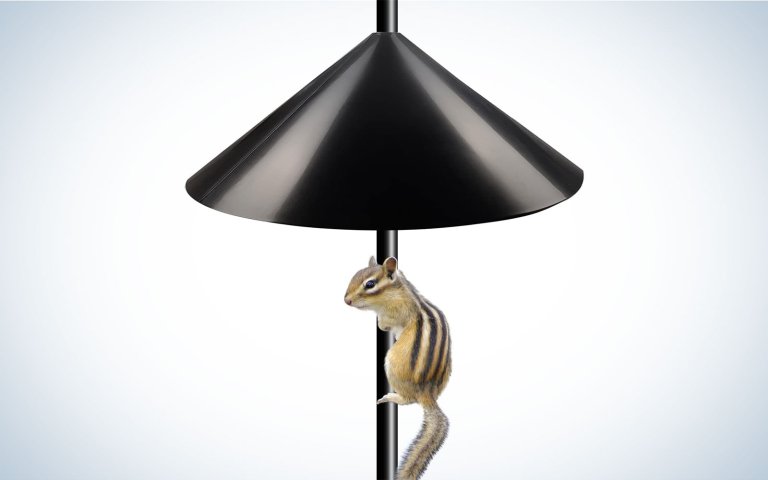
feeders with baffles—dome-shaped or cone-shaped guards placed above or below the feeder—are also effective at preventing squirrels from climbing down or up to the food. Have you noticed how squirrels stop trying once they hit these barriers?
Material And Placement Tips
Choose feeders made from durable materials such as metal or thick plastic to resist squirrel chewing. Thin plastic or wooden feeders are easy targets for squirrels and may not last long in your yard.
Placement is just as important. Hang feeders at least 10 feet away from jumping points like trees, roofs, or fences. Also, position them 5 to 6 feet off the ground to make it harder for squirrels to reach.
Reflect on your yard’s layout—are there spots that give squirrels an easy path? Adjusting placement can make a big difference in reducing squirrel visits.
Physical Barriers To Deter Squirrels
Keeping squirrels away from your bird feeder can feel like a never-ending battle. Physical barriers are one of the most effective ways to stop these clever critters from raiding your birdseed. They create a clear obstacle that squirrels find hard to bypass, protecting your feeders without harming the animals.
Baffles And Guards
Baffles are dome- or cone-shaped barriers installed above or below bird feeders. They prevent squirrels from climbing down or up to reach the food. I once installed a metal baffle below my feeder, and the squirrel visits dropped almost overnight.
Make sure the baffle is made of sturdy material like metal or heavy plastic. Position it at least 18 inches away from any jumping points like trees or poles. A poorly placed baffle is easy for squirrels to bypass, so measure carefully before installation.
Cages And Enclosures
Cages that surround bird feeders let birds in but keep squirrels out. They work well if squirrels are persistent climbers and jumpers. I tried a cage feeder last winter, and the birds seemed just as happy while squirrels stayed frustrated outside.
Look for cages with small openings—just big enough for birds you want to attract. Steel cages resist chewing and bending better than plastic ones. Remember, regular maintenance is key; squirrels can sometimes find weak spots if cages get damaged.

Credit: www.popsci.com
Feeder Placement Strategies
Feeder placement plays a huge role in keeping squirrels away from your bird feeder. Positioning your feeder correctly can make it much harder for squirrels to reach the bird food. Small changes in height and location can create a big difference in how protected your feeder is.
Optimal Height And Distance
Place your feeder at least 5 to 6 feet above the ground. This height makes it tough for squirrels to leap up from the ground. Also, keep the feeder at least 10 feet away from any jumping-off points like trees, fences, or roofs.
Think about your backyard setup. Do you have trees or structures close to where your feeder hangs? Moving the feeder away from these can stop squirrels from using them as a springboard. I once moved my feeder just a few feet farther from a nearby tree and saw a noticeable drop in squirrel visits.
Avoiding Jumping Points
Squirrels are excellent jumpers and climbers. They can easily jump 8 feet horizontally and climb down poles to reach feeders. To block their path, avoid placing feeders near branches, wires, or ledges within their jumping range.
Consider trimming back tree branches that hang near your feeder. Also, look for any nearby structures squirrels might use to jump or climb onto the feeder. Sometimes, even a small ledge or thin wire can become a perfect launching pad for them.
Have you checked all possible access points around your feeder? Squirrels find creative ways to reach food, so a thorough inspection can reveal hidden risks you might miss at first glance.
Using Squirrel-resistant Feeders
Using squirrel-resistant feeders helps protect bird food from pesky squirrels. These feeders are designed to prevent squirrels from accessing the seeds, ensuring birds enjoy their meals undisturbed. Keep your backyard peaceful and your birds well-fed with this simple solution.
Using squirrel-resistant feeders is a smart and effective strategy to keep those pesky critters away from your bird seed. These feeders are specifically designed to outsmart squirrels with various built-in mechanisms. If you’re tired of watching your bird feed become a squirrel’s buffet, these feeders might just be your solution.Weight-activated Mechanisms
Weight-activated mechanisms are a clever way to deter squirrels. These feeders have perches that close off access to the seed when extra weight is detected. Imagine a squirrel hopping onto the feeder, only to be denied access as the perch shuts down. This feature ensures that only lightweight birds can enjoy the feast. Many bird enthusiasts have found this method highly effective, keeping squirrels at bay while birds feast happily.Selective Feeding Ports
Selective feeding ports are another ingenious feature of squirrel-resistant feeders. These ports are designed to allow access only to birds with certain beak sizes. Squirrels, with their larger mouths, find it difficult to extract seeds through these small openings. This simple yet effective design keeps your bird feed safe from unwanted diners. Have you ever noticed how determined squirrels can be? With selective feeding ports, you’re adding an extra layer of protection to ensure your feathered friends dine in peace.
Credit: www.yahoo.com
Natural Repellents And Deterrents
Natural repellents and deterrents offer a safe way to keep squirrels away from bird feeders. These options use scents and tastes that squirrels dislike. They help protect your bird feeder without harming animals or the environment.
Using natural products means fewer chemicals in your yard. This keeps birds and other wildlife safe. Natural methods also require less maintenance and can be easily applied.
Spices And Oils
Squirrels dislike strong smells. Certain spices and oils can keep them away from feeders.
- Chili powder:Sprinkle chili powder around the feeder base. The spicy smell irritates squirrels.
- Cayenne pepper:Mix cayenne pepper with birdseed. Birds do not mind, but squirrels avoid it.
- Garlic powder:Spread garlic powder near feeding areas. The scent deters squirrels.
- Essential oils:Use peppermint or eucalyptus oil on cotton balls. Place them near feeders to repel squirrels.
Plants That Repel Squirrels
Certain plants naturally keep squirrels away with their scent or texture. Planting these near feeders creates a barrier.
- Mint:Strong-smelling and grows quickly. Squirrels dislike walking through it.
- Lavender:Its scent is pleasant for humans but bothers squirrels.
- Marigolds:These flowers have a smell squirrels avoid.
- Fritillaria:This plant smells bad to squirrels but not to birds.
Feeding Squirrels Elsewhere
If squirrels keep raiding your bird feeder, offering them their own feeding spot might be the answer. Feeding squirrels elsewhere can redirect their attention and reduce the frustration of seeing your birdseed disappear. Setting up a dedicated area for squirrels shows respect for their presence while protecting your feathered friends.
Designated Feeding Areas
Choose a spot away from your bird feeder to set up a squirrel feeding station. A flat surface like a sturdy table or a platform feeder works well. Make sure this area is easy for squirrels to access but out of reach from birds and pets.
Place the feeder near some trees or shrubs to give squirrels a sense of safety. You might notice that squirrels quickly learn to visit this area regularly, reducing their visits to your bird feeder. Have you tried observing where squirrels naturally gather in your yard?
Safe And Healthy Food Options
Offer squirrels foods that are both safe and enjoyable for them. Nuts like unsalted peanuts, walnuts, and sunflower seeds are great choices. Avoid processed or sugary snacks that can harm their health.
You can also include fresh fruits such as apple slices or berries to add variety. Keep in mind that feeding squirrels too much can make them reliant on humans, so offer food in moderation. What healthy treats would you be comfortable providing for your backyard visitors?
Maintenance And Monitoring Tips
Keeping squirrels away from your bird feeder requires ongoing care. Maintenance and monitoring help ensure feeders stay squirrel-free. Regular checks catch issues early and keep birds safe.
Regular Cleaning
Clean feeders often to stop mold and bacteria growth. Remove old seeds and husks daily. Use warm water and mild soap for washing. Rinse well to avoid harming birds. Dry completely before refilling. Clean areas around feeders to remove spilled seeds. This reduces squirrel attraction.
Adjusting Strategies Over Time
Squirrels learn quickly. Change feeder types or locations now and then. Try different squirrel-proof feeders or baffles. Move feeders to new spots away from trees or fences. Test various seed types to find what attracts birds but not squirrels. Watch squirrels’ behavior and adapt your methods. Persistence helps keep squirrels away for good.
Frequently Asked Questions
How Can I Stop Squirrels From Eating Bird Seed?
Use squirrel-proof feeders with weight-sensitive perches. Place baffles above or below feeders to block squirrels. Offer squirrel-resistant seeds like safflower. Regularly clean the feeder area to remove spilled seeds that attract squirrels.
What Types Of Bird Feeders Deter Squirrels?
Feeders with metal cages or weight-activated mechanisms deter squirrels. Tube feeders with small perches limit squirrel access. Hopper feeders with squirrel baffles are effective. These designs keep squirrels off while allowing birds to feed safely.
Are There Natural Squirrel Repellents For Bird Feeders?
Yes, sprinkle cayenne pepper or chili powder on seeds; birds are unaffected. Use garlic or peppermint oil sprays around feeders. These natural repellents discourage squirrels without harming birds or pets. Reapply regularly for best results.
Can Feeder Placement Reduce Squirrel Visits?
Yes, place feeders 10 feet away from trees or structures squirrels can jump from. Hang feeders on thin, slippery poles with baffles. Position feeders in open spaces to minimize squirrel access and protect birds.
Conclusion
Keeping squirrels away from your bird feeder takes patience and simple steps. Use squirrel-proof feeders or place barriers to block their access. Try hanging feeders on thin wires or using baffles to stop climbing. Regularly clean the area to remove spilled seeds that attract squirrels.
These easy tips help protect bird food and let birds enjoy feeding safely. Stay consistent and watch your feeders become a peaceful spot for birds, not squirrels.




