
Your cement bird bath adds charm to your garden and invites beautiful birds to visit. But if it’s dirty or filled with stagnant water, it can quickly become a breeding ground for algae and harmful bacteria.
Keeping your bird bath clean isn’t just about looks—it protects the birds you love and keeps your outdoor space fresh. You’ll discover simple, effective ways to maintain your cement bird bath so it stays sparkling and safe all year round.
Ready to make your bird bath a healthy haven for wildlife? Let’s dive in.
Choosing The Right Cement Bird Bath
Choosing the right cement bird bath is essential for keeping it clean and looking great over time. The right selection can reduce maintenance and help you enjoy watching birds without constant scrubbing. Think about what fits your space, style, and how much care you want to put into it.
Selecting Durable Materials
Not all cement bird baths are created equal. Look for cement mixed with additives that resist cracking and weather damage. Some brands include fiberglass or polymers to make the bath stronger and less prone to chipping.
Choosing a sealed or glazed finish can also help. It creates a smooth surface that resists algae buildup and stains, making cleaning easier. Have you noticed how rough, porous surfaces hold more dirt? Avoid those if you want low-maintenance care.
Considering Size And Design
The size of your bird bath affects both bird visits and cleaning ease. Smaller baths are easier to empty and scrub, but larger ones attract more birds and offer better bathing space. Think about your routine—do you want quick cleanups or more space for feathered friends?
Design matters too. Simple shapes with smooth edges prevent dirt and debris from getting trapped. Some designs have built-in drainage holes to help you empty water quickly. Ask yourself: Would a flat basin or a deeper bowl suit your garden and cleaning habits better?

Credit: www.yahoo.com
Daily Cleaning Routine
Keeping a cement bird bath clean takes just a few minutes each day. A simple daily routine stops dirt and algae from building up. It also helps keep the water fresh and safe for birds. Small actions every day make a big difference over time. Follow these easy steps to maintain your bird bath.
Removing Debris And Leaves
Clear away leaves, twigs, and other debris from the water surface. Use a small net or scoop to make this task quick. Removing debris prevents water from becoming dirty and smelly. It also stops mold and algae from growing. Check the bird bath daily, especially after windy or rainy days.
Changing Water Regularly
Replace the water with fresh, clean water every day. Stagnant water can attract mosquitoes and harm birds. Use a garden hose or pour water out carefully to avoid damaging the cement. Fresh water encourages birds to visit and drink more often. Keep the water level about two inches deep for easy access.
Deep Cleaning Techniques
Deep cleaning a cement bird bath helps keep the water fresh and safe for birds. It removes tough dirt, algae, and stains that regular cleaning might miss. Using the right tools and cleaning agents protects the cement and extends the bath’s life. Follow these techniques for a thorough clean without damage.
Using Mild Detergents Safely
Choose a mild detergent with no harsh chemicals. Mix a small amount with warm water to create a gentle cleaning solution. Avoid bleach or acidic cleaners, as they can erode cement. Use this mixture to wash the bird bath’s surface carefully. Rinse well with clean water to remove all detergent traces. This keeps the bird bath safe and free from harmful residues.
Scrubbing With Soft Brushes
Select a soft-bristled brush to avoid scratching the cement surface. Gently scrub the entire bird bath, focusing on stained or algae-covered areas. Use circular motions to lift dirt without damaging the material. Soft brushes reach into crevices and corners effectively. After scrubbing, rinse thoroughly with water to wash away loosened debris and cleaner residue.

Credit: www.youtube.com
Preventing Algae Growth
Algae can quickly turn your beautiful cement bird bath into a green, slimy mess. Preventing algae growth not only keeps the bath looking fresh but also ensures a healthier environment for your feathered visitors. Small actions can make a big difference in stopping algae before it starts.
Adding Natural Algae Inhibitors
You can add natural substances that discourage algae without harming birds or plants. Barley straw is a popular choice; as it decomposes, it releases compounds that slow algae growth.
Another safe option is adding a few drops of apple cider vinegar to the water. It helps maintain a slightly acidic pH, which algae dislike. Just be cautious not to add too much—about one teaspoon per gallon is enough.
Have you tried using crushed eggshells? They add calcium, which can balance water chemistry and make it less inviting for algae. These simple additions can keep your bird bath cleaner for longer.
Positioning For Optimal Sunlight
Algae thrive in warm, sunny spots, but birds also love baths in the sun. Finding the right balance is key. Placing your bird bath where it gets morning sun but some afternoon shade can slow algae growth.
Think about nearby trees or shrubs that can offer partial shade during the hottest parts of the day. Too much shade, however, can encourage moss and other unwanted growth, so avoid fully shaded areas.
Ask yourself: does your bird bath sit in direct sunlight all day? Adjusting its location even a few feet can improve water quality and reduce algae buildup significantly.
Maintaining Water Quality
Maintaining clean water in a cement bird bath is key for bird health. Fresh, clear water invites birds to visit and drink safely. Dirty or stagnant water can spread germs and discourage birds from using the bath. Simple steps help keep water fresh and safe for feathered friends.
Using Filtered Or Rainwater
Tap water may contain chemicals or minerals harmful to birds. Using filtered or rainwater keeps the bath cleaner and safer. Rainwater is natural and free from chlorine or fluoride. Filtered water removes impurities that can cloud the bath or harm birds. Collect rainwater in a clean container and refill the bath regularly. Change water often to avoid buildup of dirt and algae.
Avoiding Chemicals Harmful To Birds
Never add soap, bleach, or harsh cleaners to the bird bath. These chemicals can poison birds and damage the cement surface. Avoid algae killers or water treatments not safe for wildlife. Use a simple brush and water to clean the bath. If algae grows, scrub gently and rinse thoroughly with clean water. Keeping chemicals out ensures a healthy, inviting spot for birds.
Seasonal Care Tips
Seasonal care is key to keeping a cement bird bath clean and lasting. Different seasons bring different challenges. Proper care helps protect the bird bath from damage and keeps the water fresh for birds. Small steps each season make a big difference.
Preparing For Winter
Winter can harm cement bird baths due to freezing water. Water expands when frozen and causes cracks. Empty the bird bath before cold weather arrives. Store it indoors or cover it with a waterproof tarp. Check for cracks and repair them early. Use a soft brush to clean off dirt and algae before winter. This prevents buildup that can worsen during freezing temperatures.
Handling Summer Heat
Summer heat dries the water quickly and promotes algae growth. Refill the bird bath daily to keep water fresh. Place the bath in a shaded area to slow evaporation. Clean the bath regularly using a mild soap and water solution. Avoid harsh chemicals that might harm birds. Scrub gently to remove algae and dirt. Regular cleaning keeps the water inviting and safe for birds during hot months.
Repairing And Sealing Cement Baths
Repair cracks and seal the cement surface to prevent water leakage and dirt buildup. Clean the bird bath regularly with mild soap and water to keep it fresh and safe for birds.
Repairing and sealing your cement bird bath not only enhances its appearance but also extends its life. A well-maintained bird bath invites more feathered friends to your garden, offering them a safe place to drink and bathe. Addressing issues like cracks and chips, and applying protective sealants are crucial steps in preserving your bird bath’s integrity.Fixing Cracks And Chips
Cracks and chips are common in cement bird baths, especially after harsh weather. Begin by cleaning the affected area with a wire brush and water to remove debris. Use a cement patching compound to fill the crack, smoothing it out with a putty knife for a seamless finish. Allow the patch to dry completely before using the bird bath again. It’s important to monitor for new damage, particularly after extreme weather conditions. Regular inspections can prevent minor issues from becoming larger, costly repairs.Applying Protective Sealants
Once your bird bath is repaired, applying a protective sealant can help prevent future damage. Choose a water-based sealant that is safe for birds, as they will come into direct contact with the surface. Apply the sealant in a thin, even coat using a paintbrush. Let the sealant dry thoroughly before refilling the bath with water. This not only safeguards the cement but also makes cleaning easier. Have you ever noticed how much easier it is to clean a non-stick pan? A sealed bird bath works similarly by reducing the buildup of algae and grime. Regularly applying sealant can be part of your seasonal maintenance routine. This small step can significantly prolong the life of your bird bath, keeping it a welcoming oasis for birds throughout the year.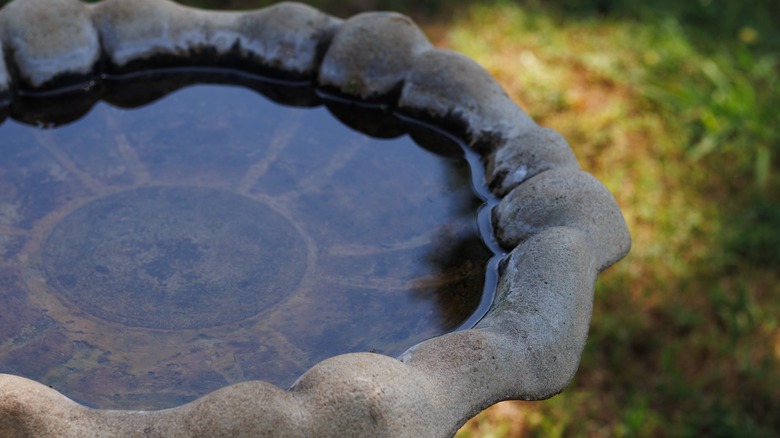
Credit: www.hunker.com
Frequently Asked Questions
How Often Should I Clean A Cement Bird Bath?
Clean your cement bird bath at least once a week. Frequent cleaning prevents algae, bacteria buildup, and keeps water fresh for birds.
What Is The Best Cleaning Solution For Cement Bird Baths?
Use a mild bleach solution or white vinegar diluted with water. These safely remove algae and stains without harming birds.
Can I Use A Pressure Washer To Clean My Bird Bath?
Avoid pressure washers as they can damage cement surfaces. Instead, scrub gently with a soft brush and cleaning solution.
How Do I Prevent Algae Growth In A Cement Bird Bath?
Change the water regularly and place the bath in partial shade. Adding a few drops of bleach can also reduce algae.
Conclusion
Keeping your cement bird bath clean helps birds stay healthy and happy. Clean water stops algae and dirt from building up. Regular scrubbing with a soft brush works best. Changing water often keeps it fresh and clear. Place the bird bath in a shady spot to slow algae growth.
Simple steps make a big difference. Enjoy watching birds visit your clean, fresh bird bath every day. Small effort, big reward. Your feathered friends will thank you.




