
If you care for a bird of prey, knowing how to health check it is essential. These powerful birds can’t tell you when something’s wrong, so it’s up to you to spot the signs early.
A simple, regular health check can keep your bird strong and alert. In this guide, you’ll learn easy steps to assess your bird’s condition, spot potential problems, and ensure it stays at its best. Keep reading to discover how you can protect your majestic companion with confidence.
Signs Of Good Health
Checking the health of a bird of prey is important for its care. Knowing the signs of good health helps keep the bird safe.
Look closely at the bird’s eyes, feathers, behavior, and breathing. These show if the bird feels well.
Bright Eyes And Clear Vision
Healthy birds have bright, clear eyes without cloudiness. Their vision is sharp and alert.
Check for these signs:
- Eyes open fully and easily
- No redness or swelling
- Clear pupils with no discharge
- Bird reacts quickly to movement
Smooth And Clean Feathers
Feathers should look smooth and neat. Dirty or missing feathers may mean illness.
| Feather Condition | What It Means |
| Smooth and shiny | Good health |
| Ruffled or patchy | Possible stress or illness |
| Dirty or oily | Poor grooming or infection |
Alertness And Activity Levels
Healthy birds stay alert and active. They respond to sounds and movement around them.
Signs of good alertness include:
- Quick head and eye movement
- Regular preening and stretching
- Strong grip when perched
- Normal feeding behavior
Normal Breathing Patterns
Watch the bird’s breathing. It should be smooth and quiet, not fast or labored.
Signs to check include:
- No wheezing or coughing
- No open-mouth breathing when resting
- Chest moves evenly with each breath
- No unusual sounds during breathing
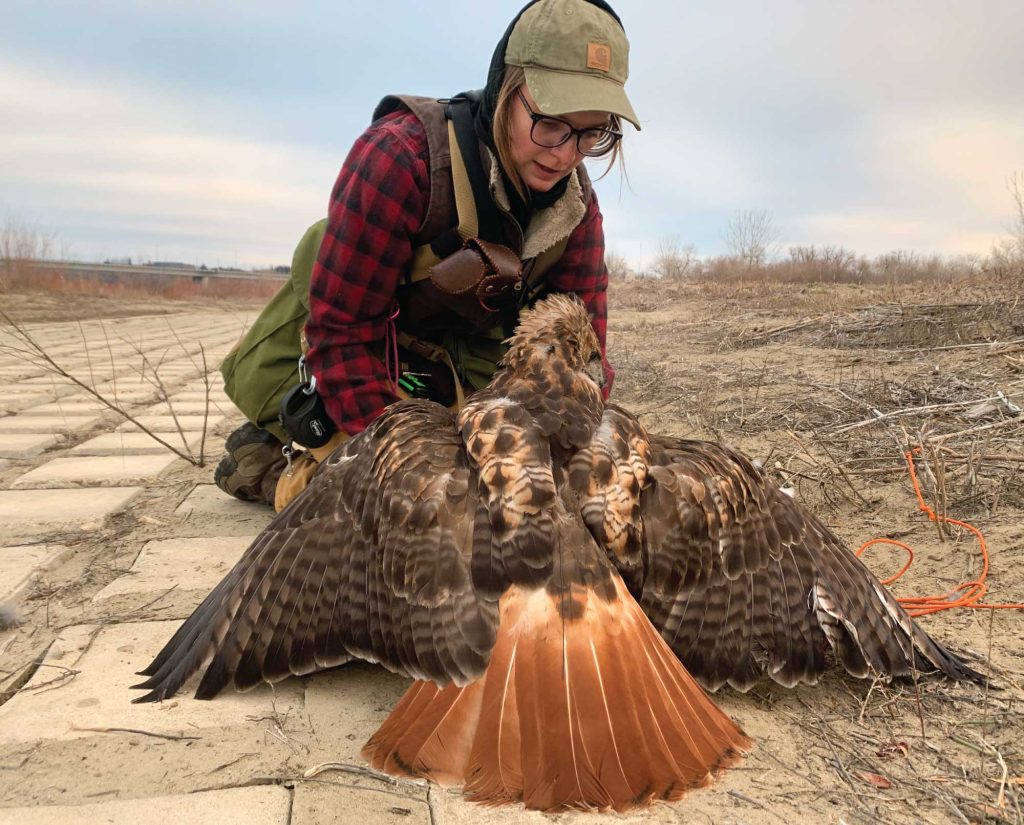
Credit: projectupland.com
Physical Examination Steps
A health check for a bird of prey starts with a full physical exam. This helps spot any injuries or illness early. Careful observation is key to keeping the bird strong and safe.
During the exam, focus on key body parts. Each area tells you something about the bird’s health. Use gentle handling to avoid stress or harm.
Checking The Beak And Talons
Look closely at the beak and talons. They should be smooth and free of cracks or chips. Any damage can affect the bird’s ability to hunt and eat.
- Check for cracks or breaks in the beak.
- Ensure talons are sharp and not overgrown.
- Look for signs of infection or swelling around the base.
- Note any discoloration or unusual texture.
Inspecting The Skin And Feather Condition
Healthy skin and feathers show a well-cared-for bird. The skin should be free of sores or parasites. Feathers need to be clean and intact.
| Check Point | What to Look For |
| Skin | No redness, swelling, or ticks |
| Feathers | Shiny, smooth, no missing patches |
| Feather Shedding | Normal molting, no bald spots |
Assessing Weight And Body Condition
Use a scale to check the bird’s weight. The body should feel firm but not thin. Look for signs of obesity or malnutrition.
- Weigh the bird carefully using a calibrated scale.
- Feel the keel bone; it should be covered with muscle.
- Check for fat deposits around the abdomen.
- Note any sudden weight loss or gain.
Evaluating Wing And Leg Movement
Test the bird’s wing and leg mobility. Movement should be smooth and pain-free. Watch for stiffness or limping.
Observe the following actions carefully:
- Spread and fold wings fully without resistance.
- Walk or perch steadily on different surfaces.
- Look for any signs of swelling or injury in joints.
- Note any unusual behavior during movement tests.
Behavioral Observations
Observing a bird of prey’s behavior helps assess its health. Careful watching reveals if the bird feels well or stressed.
Behavior includes eating patterns, sounds, and how the bird moves. These clues show how the bird acts in its natural state.
Feeding Habits
Healthy birds of prey eat regularly and show strong interest in food. They use sharp talons and beaks to handle prey.
- Watch if the bird catches or accepts food easily.
- Check if it chews and swallows without trouble.
- Note any signs of weakness while feeding.
- Observe if the bird refuses food for long periods.
Vocalizations And Responses
Birds of prey use calls to communicate danger or locate others. Healthy birds make clear, strong sounds.
| Behavior | Healthy Signs | Warning Signs |
|---|---|---|
| Vocal Volume | Loud and consistent | Weak or no calls |
| Response to Stimuli | Quick and alert | Slow or no reaction |
| Types of Calls | Varied and normal for species | Unusual or absent calls |
Perching And Flight Behavior
A healthy bird perches firmly and balances well. Flight should be smooth, strong, and controlled.
Check these points during observation:
- Perch grip: Firm and steady without wobbling.
- Wing movement: Even and powerful during flight.
- Flight pattern: Normal soaring or quick takeoff.
- Landing: Controlled and precise.
Common Health Issues
Birds of prey can face many health problems. Regular health checks help catch issues early.
Knowing common health issues helps keep these birds strong and active.
Parasites And Infections
Parasites like mites and ticks can harm birds of prey. Infections may cause swelling or discharge.
- Look for feather damage or bald spots
- Check for unusual smells or discharge
- Observe if the bird scratches often
- Note any swelling on the skin
Injuries And Fractures
Birds of prey often get injured from fights or accidents. Broken bones need quick care.
| Type of Injury | Signs to Check |
| Fractures | Swelling, limping, inability to fly |
| Wounds | Bleeding, cuts, or open sores |
| Bruises | Discoloration or tenderness |
Respiratory Problems
Respiratory issues can cause coughing and difficulty breathing. Watch for noisy breathing or nasal discharge.
Keep the bird in a clean, dust-free area to reduce risks.
Nutritional Deficiencies
Birds of prey need a balanced diet for good health. Lack of vitamins or minerals leads to weak bones and feathers.
- Check if feathers look dull or brittle
- Look for signs of weakness or lethargy
- Watch for poor appetite or weight loss
Tools And Equipment Needed
Health checking a bird of prey requires the right tools. These tools help you handle the bird safely and examine it closely.
Using proper equipment protects both you and the bird. It also makes the check more effective and accurate.
Gloves And Protective Gear
Wear thick gloves to protect your hands from sharp talons. A leather glove is ideal for this purpose. Also, use protective eyewear to guard your eyes.
- Leather gloves for talon protection
- Protective eyewear to prevent eye injury
- Long-sleeved clothing to avoid scratches
- Face mask to reduce stress and protect from dust
Magnifying Glass And Lighting
A magnifying glass helps examine feathers, eyes, and skin closely. Good lighting is important to see details clearly.
| Tool | Purpose |
| Magnifying Glass | Inspect feathers and skin |
| LED Light | Provide bright, focused lighting |
| Headlamp | Keep hands free while inspecting |
Weighing Scale
A small digital scale accurately measures the bird’s weight. This helps track health changes over time.
- Choose a scale that shows grams and ounces
- Use a stable, flat surface for weighing
- Zero the scale before placing the bird
- Handle the bird gently during weighing
First Aid Supplies
Keep first aid supplies nearby for any minor injuries. This is important for safety during the health check.
- Antiseptic wipes to clean wounds
- Sterile gauze pads for dressing
- Bandages to secure dressings
- Tweezers for removing debris
- Saline solution for eye and wound care

Credit: birdsupplies.com
When To Consult A Vet
Birds of prey need regular health checks to stay healthy. It’s crucial to know when to seek expert help.
Understanding the signs of health issues can help your bird live a long life.
Signs Requiring Immediate Attention
Some signs mean you should visit the vet quickly. Acting fast can save your bird’s life.
- Breathing difficulties
- Unusual droppings
- Loss of appetite
- Visible injuries
Regular Health Check Frequency
Regular checks help catch issues early. Set a schedule with your vet.
| Bird’s Age | Check Frequency |
| Juvenile | Every 6 months |
| Adult | Annually |
| Senior | Every 6 months |
Specialist Avian Care
Some birds need special care. Find a vet who knows birds of prey well.
Record Keeping And Monitoring
Keeping records of a bird of prey’s health is important. It helps to track changes and identify issues early.
Monitoring involves detailed logs, photos, and tracking changes over time. Each part plays a vital role in bird care.
Health Logs
Health logs are written records of a bird’s condition. They include details about diet, weight, and behavior.
| Date | Weight (g) | Observations |
| 01/10/2023 | 1200 | Normal appetite |
| 08/10/2023 | 1180 | Slightly less active |
| 15/10/2023 | 1190 | Active, good appetite |
Photographic Records
Photos document physical changes in the bird. They capture feather condition, posture, and overall appearance.

Tracking Changes Over Time
Tracking changes helps in understanding health trends. Regular updates ensure timely interventions.
- Review health logs weekly
- Compare photos monthly
- Adjust care routines as needed
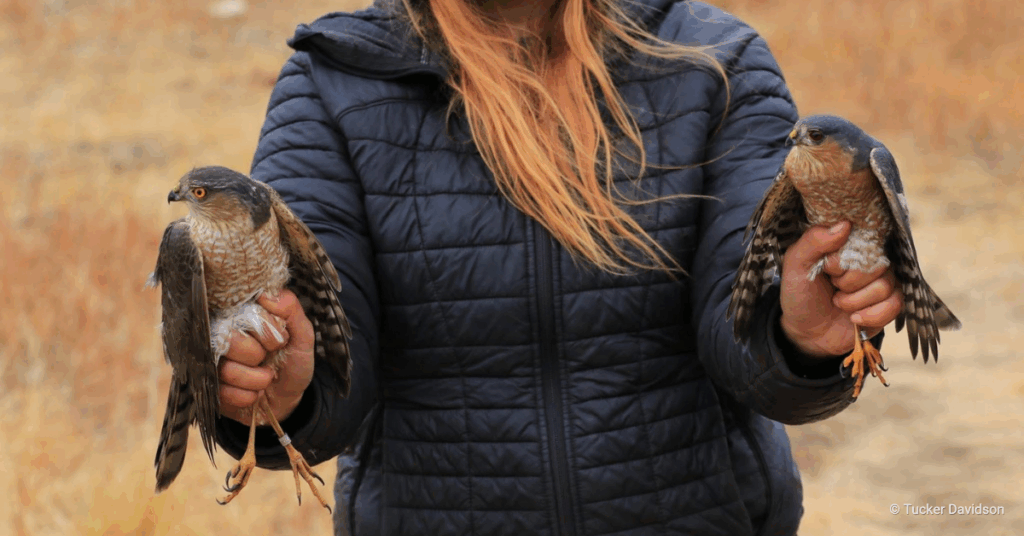
Credit: hawkwatch.org
Frequently Asked Questions
How Do You Check A Bird Of Prey’s Overall Health?
To check a bird of prey’s health, observe its eyes, feathers, and behavior. Look for clear eyes, smooth feathers, and alertness. Check breathing and weight. Regular veterinary exams are essential for a thorough health assessment and early disease detection.
What Signs Indicate A Sick Bird Of Prey?
Signs of illness include lethargy, ruffled feathers, labored breathing, and loss of appetite. Watch for unusual droppings and swollen joints. Early detection of symptoms helps in timely treatment and recovery.
How Often Should You Health Check A Bird Of Prey?
Health checks should be performed weekly for captive birds and monthly for wild birds. Frequent monitoring helps detect changes early. Regular veterinary check-ups every 6-12 months are crucial for preventive care.
What Tools Are Needed For A Bird Of Prey Health Check?
Basic tools include a stethoscope, scale, flashlight, and gloves. A handheld thermometer and feather condition chart can also help. Proper tools ensure accurate, safe, and effective health assessments.
Conclusion
Checking a bird of prey’s health takes time and care. Watch for clear eyes and smooth feathers. Notice its breathing and energy levels every day. A healthy bird eats well and stays alert. Regular checks help catch problems early. Keep a quiet space during the check.
Gentle handling keeps the bird calm and safe. Remember, a healthy bird of prey lives longer and flies stronger. Taking small steps today protects your bird tomorrow. Stay patient and observant. Your care makes all the difference.




