
If you love watching birds up close, hanging a bird feeder in a tree is one of the best ways to invite them right to your backyard. But how do you make sure the feeder stays secure, safe, and easy for birds to visit?
You might think it’s simple, but a few smart steps can make a big difference. In this guide, you’ll learn exactly how to hang a bird feeder in a tree the right way—so you can enjoy beautiful birds every day without any hassle.
Keep reading, and you’ll discover tips that even experienced bird watchers wish they knew sooner!
Choosing The Right Tree
Choosing the right tree is key to hanging a bird feeder successfully. The tree supports the feeder and creates a safe place for birds. Picking a healthy tree with strong branches helps the feeder stay steady. The location also matters for bird safety and comfort. Trees with good sunlight and shade balance attract more birds. Think about these factors before hanging your feeder.
Consider Tree Type And Branch Strength
Pick a tree with strong, thick branches. Thin branches may break under the feeder’s weight. Evergreen trees offer year-round shelter and are good choices. Deciduous trees lose leaves but can still work if branches are sturdy. Avoid trees with weak wood or dead branches. Check branch health by gently shaking them. Choose a branch that can hold the feeder without bending.
Find A Safe Distance From Predators
Keep the feeder away from places where cats and squirrels can jump easily. Place the feeder at least 6 feet from jumping points like fences or roofs. Trees near open spaces help birds spot danger early. Avoid hanging feeders too close to thick bushes where predators hide. Safety makes birds visit often and feel secure.
Assess Sunlight And Shade Exposure
Choose a spot with a mix of sun and shade. Morning sun warms birds and dries dew on feeders. Shade in the afternoon protects birds from heat. Trees with dappled sunlight create a comfortable environment. Avoid full sun spots that get too hot. Proper light helps keep seeds fresh and birds happy.
Selecting The Perfect Spot
Selecting the perfect spot to hang a bird feeder is key to attracting birds and enjoying their visits. The right location helps keep birds safe and comfortable. It also makes feeding easier and more enjoyable for you. A good spot balances quietness, visibility, and accessibility.
Avoid Busy Or Noisy Areas
Birds prefer calm places away from loud noises and heavy foot traffic. Avoid areas near busy roads or noisy machines. Loud sounds can scare birds away. Choose a quiet corner of your yard or garden. Trees away from playgrounds or lawn mowers work well. This peaceful environment invites more birds to visit.
Ensure Visibility For Bird Watching
Pick a location where you can see the feeder clearly. Place it near a window or patio where you spend time. Good visibility lets you enjoy bird watching without disturbing the birds. Avoid spots hidden by thick branches or shrubs. Open views help you spot different bird species easily.
Check Accessibility For Refilling
Make sure the feeder is easy to reach for regular refills. Choose a spot that is safe and convenient for you. Avoid placing it too high or in hard-to-reach branches. A simple access path saves time and effort. Regular refilling keeps birds coming back often.
Preparing The Feeder And Supplies
Preparing the bird feeder and gathering supplies sets the foundation for a successful hanging. It ensures the feeder attracts birds safely and stays secure in the tree. Taking time to prepare makes the process smooth and enjoyable.
Pick The Appropriate Bird Feeder
Select a feeder that suits the types of birds in your area. Consider the feeder’s size and design. Tube feeders work well for small birds. Platform feeders attract a variety of birds. Choose a feeder with weather-resistant materials for durability.
Gather Hanging Tools And Materials
Collect all necessary items before starting. You will need:
- Strong, weatherproof string, wire, or chain
- Scissors or wire cutters
- A sturdy hook or branch support
- A ladder for reaching higher branches
Having tools ready saves time and effort.
Inspect Feeder For Safety
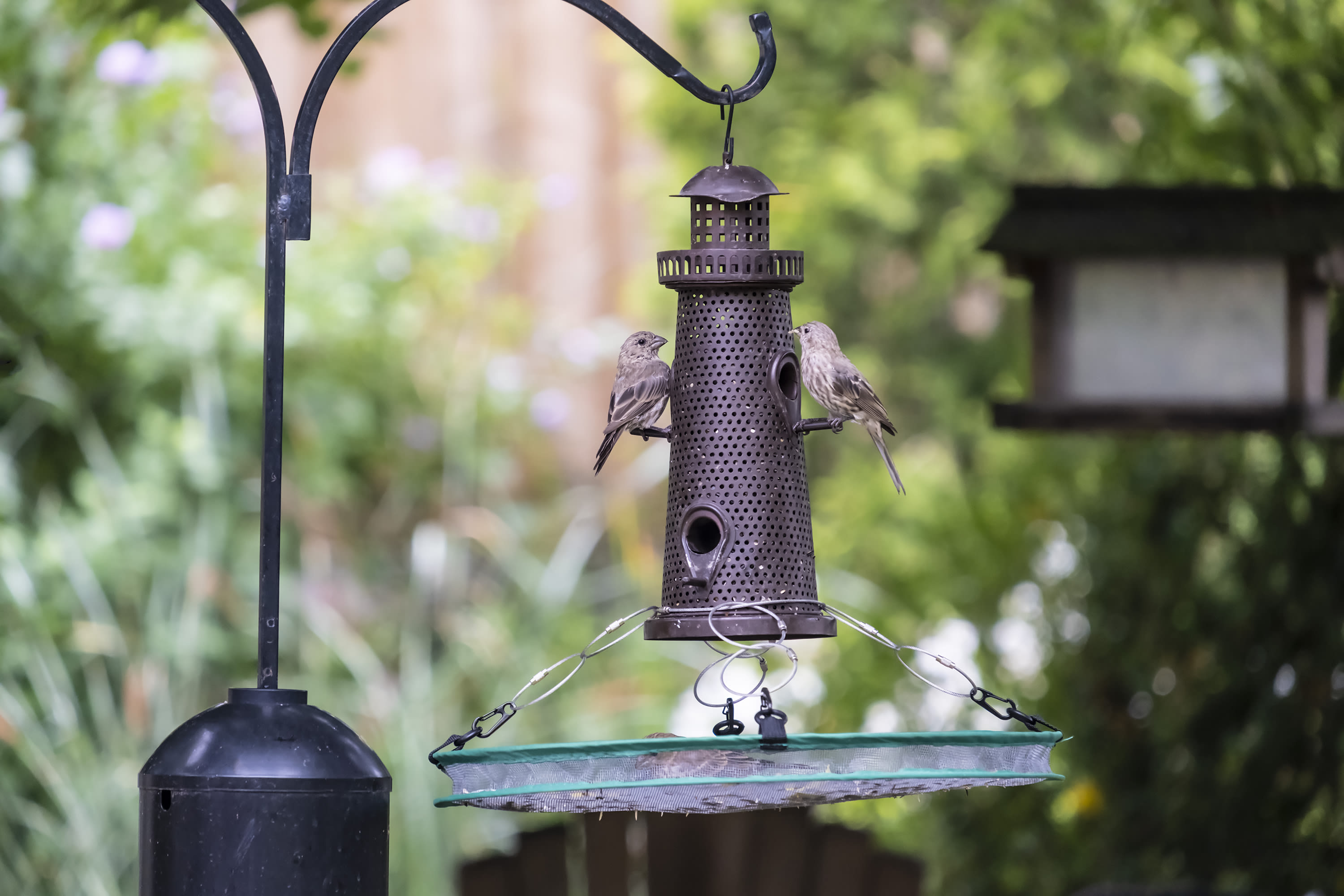
Check the feeder for sharp edges or loose parts. Smooth any rough areas to prevent bird injuries. Make sure all openings allow easy access for birds but keep predators out. Clean the feeder to remove dust or debris before hanging.
Credit: dengarden.com
Safe Hanging Techniques
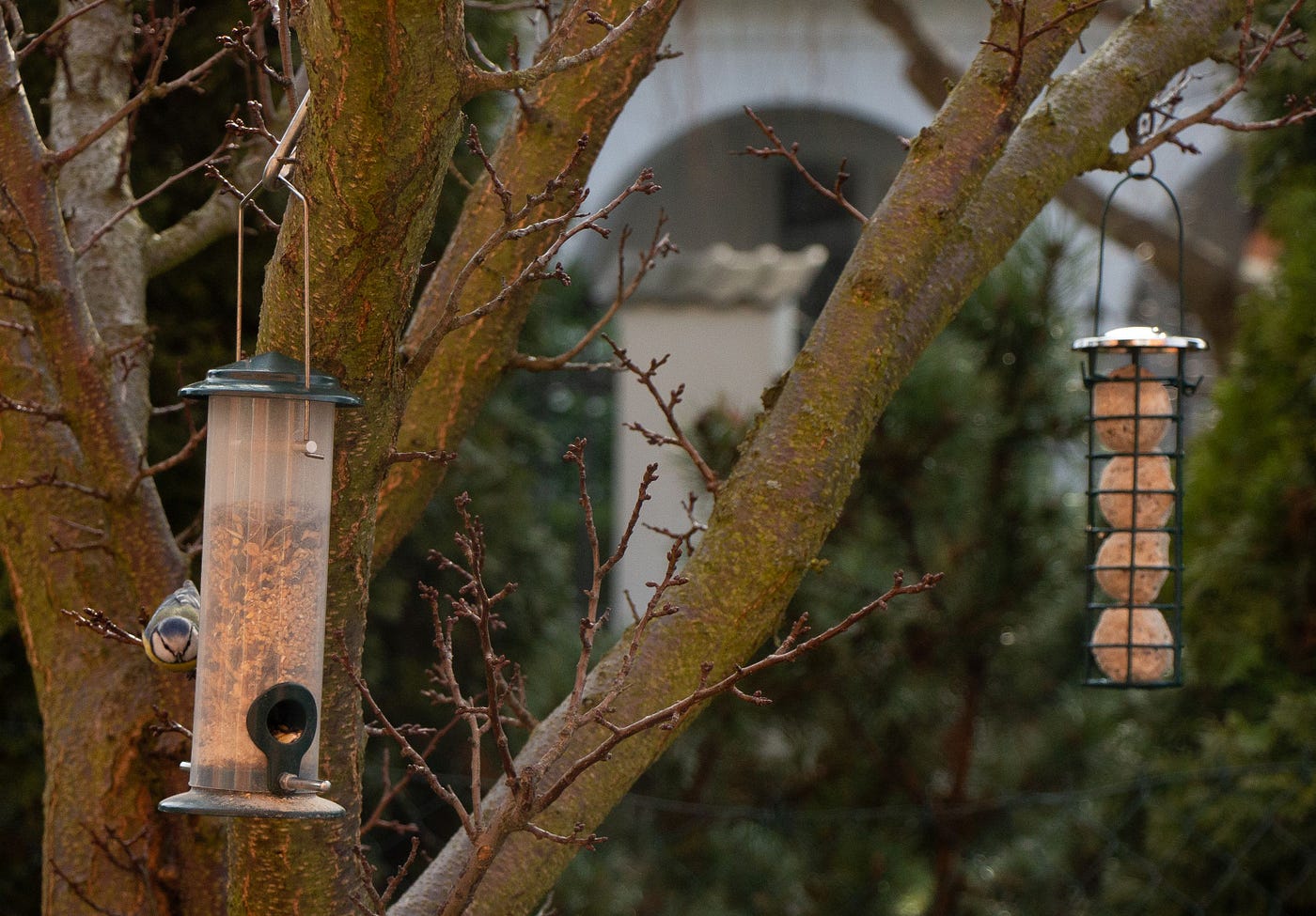
Choose a sturdy branch to hang the bird feeder securely. Use a strong, weatherproof rope or wire to avoid damage. Ensure the feeder is at a safe height to protect birds from predators.
Hanging a bird feeder in a tree can attract beautiful birds to your yard. Safety is key to ensure the feeder stays secure and the tree remains unharmed. Using the right techniques can make all the difference. Follow these safe hanging techniques to keep your feeder stable and your tree healthy.Use Strong And Weather-resistant Hooks
Choose hooks made from durable materials like stainless steel. They resist rust and support heavy feeders. Ensure the hook is strong enough for your feeder’s weight. Weather-resistant hooks withstand rain and sun, ensuring long-term stability.Tie Secure Knots For Stability
Use strong ropes or cords to tie the feeder. Double-check the knots for security. Loop the rope around the branch twice before tying. This provides extra support. Use simple knots that are easy to untie. This helps when you need to refill or clean the feeder.Prevent Damage To Tree Branches
Avoid using nails or screws directly on branches. These can harm the tree. Instead, use padded hooks or ropes to hang the feeder. This protects the tree bark. Check that the branch is healthy and strong. Weak branches may break under the feeder’s weight.Maintaining Your Bird Feeder
Maintaining your bird feeder is key to attracting healthy, happy birds to your yard. A well-kept feeder not only prolongs its life but also ensures the birds keep coming back for more. Simple upkeep routines can make a big difference in how effective your feeder is and how safe it remains for your feathered visitors.
Regular Cleaning Tips
Clean your bird feeder every two weeks or more often if you notice mold or clumps of wet seed. Use a mild soap and warm water to scrub all surfaces, then rinse thoroughly to remove any soap residue. Avoid harsh chemicals, as they can harm birds.
Let the feeder dry completely before refilling it with fresh seed. This helps prevent mold growth and keeps the food safe. You might be surprised how much cleaner feeders attract more birds quickly!
Monitor For Wear And Tear
Check your feeder regularly for cracks, rust, or broken parts. Damaged feeders can leak seed, waste food, or even hurt birds. If you spot any problems, repair or replace the feeder promptly to avoid losing visitors.
Pay close attention to the hanging mechanism too. A weak hook or frayed rope can cause the feeder to fall, scaring away the birds. Think about how often you inspect your feeder—does it get enough attention to stay safe and functional?
Adjust Placement Seasonally
Bird activity changes with the seasons, so adjust your feeder’s location accordingly. In summer, placing it in the shade can keep seed fresh longer and provide birds with a cool spot. During winter, a sunnier spot helps keep the feeder dry and accessible.
Try moving the feeder slightly to find the best spot for different times of year. Observe which areas attract more birds or stay cleaner. How often do you rethink your feeder’s position to maximize bird visits?
Credit: medium.com

Credit: www.willyswilderness.org
Frequently Asked Questions
How High Should I Hang A Bird Feeder In A Tree?
Hang the bird feeder 5 to 6 feet above ground. This height keeps birds safe from predators and easy for refilling.
Which Tree Branches Are Best For Hanging Bird Feeders?
Choose sturdy branches that can support feeder weight. Avoid thin or dead branches to prevent falls and damage.
How Far Should A Bird Feeder Be From Windows?
Place feeders at least 3 feet from windows. This reduces bird collisions and keeps birds safe while feeding.
What Type Of Bird Feeder Is Best For Trees?
Use hanging feeders like tube or suet feeders. They easily attach to branches and attract various bird species.
Conclusion
Hanging a bird feeder in a tree brings nature close to home. Choose a strong branch and secure the feeder well. Keep the feeder clean and filled with fresh seeds. Watch birds visit and enjoy their lively songs. This simple task creates joy and helps local wildlife thrive.
Start today and see the beauty birds add to your yard.




