
Have you ever wished to bring more life and color to your backyard? Feeding backyard birds is one of the simplest and most rewarding ways to do just that.
Imagine watching vibrant birds visit your garden daily, filling your space with cheerful songs and bright feathers. But how do you start? What foods do birds really love? And how can you make sure your feathered friends stay safe and healthy?
You’ll discover easy tips and expert advice to attract and nourish birds right outside your door. Keep reading, and you’ll soon turn your backyard into a lively haven for beautiful birds.

Credit: www.o-natureobserver.com
Choosing The Right Feeders
Choosing the right feeders is essential to attract a variety of backyard birds and keep them coming back. The type of feeder you pick influences which birds visit your yard and how they feed. It also affects how easy it will be for you to maintain a clean and safe feeding environment.
Types Of Bird Feeders
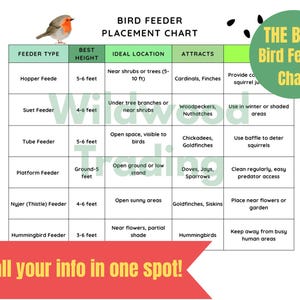
There are many feeders designed to suit different bird species and feeding habits. Tube feeders are great for small birds like finches and chickadees. They usually have small perches and tiny feeding ports that limit access to larger birds.
Squirrel-proof feeders add a clever twist by keeping pesky squirrels at bay so that birds get their fair share. Platform feeders provide an open space and attract a wide variety of birds but require more frequent cleaning. Suet feeders are perfect for woodpeckers and nuthatches, offering high-energy food especially in colder months.
Placement Tips
Where you place your feeders can make a big difference in bird activity. Try to position feeders near trees or shrubs to give birds a quick escape route from predators. However, avoid placing feeders too close to windows to reduce the risk of bird collisions.
Think about visibility and accessibility. If your feeder is hidden or hard to reach, birds may hesitate to visit. Placing feeders in well-lit areas can also help you enjoy watching your feathered friends up close.
Maintaining Cleanliness
Clean feeders keep birds healthy and encourage repeat visits. Regularly remove old seed and debris to prevent mold and bacteria buildup. This simple step can reduce the risk of diseases spreading among birds in your backyard.
Make it a habit to wash feeders with warm, soapy water every two weeks or more often during wet weather. Pay special attention to feeders that hold moist foods like suet or fruit. Would you want to eat from a dirty plate? Birds feel the same way.

Credit: www.amazon.com
Selecting Bird Food
Choosing the right food for backyard birds is key to attracting a variety of species. Different birds prefer different foods, so offering a mix can bring more visitors to your feeder. Feeding birds with proper nutrition helps them stay healthy and active.
Popular Seeds And Grains
Sunflower seeds are a top choice for many birds. Black oil sunflower seeds attract finches, chickadees, and cardinals. Millet is great for ground-feeding birds like sparrows and doves. Nyjer seeds are perfect for small birds such as goldfinches. Cracked corn appeals to larger birds like jays and pigeons. Offering a seed mix can satisfy many bird types at once.
Seasonal Food Choices
Bird food needs change with the seasons. In spring and summer, insects and soft fruits are natural favorites. Offering dried mealworms or raisins can mimic this. During fall and winter, birds need more energy to stay warm. High-fat foods like suet, peanuts, and sunflower seeds help them survive cold weather. Changing your food selection supports birds all year round.
Avoiding Harmful Foods
Certain foods can harm birds and should be avoided. Bread offers little nutrition and can cause health problems. Salty, sugary, or processed foods are unsafe. Avoid feeding moldy or spoiled seeds, which can make birds sick. Always keep feeders clean to prevent disease. Safe feeding means better health for your feathered friends.
Creating A Bird-friendly Habitat
Creating a bird-friendly habitat invites birds to visit and stay longer. It means providing food, water, shelter, and safety. A good habitat supports birds through all seasons. It helps birds find natural food sources and places to rest. Small changes in your yard can make a big difference.
Native Plants And Shelter
Native plants attract local birds and provide natural food like seeds and berries. They also offer safe places to hide from predators. Use a mix of trees, shrubs, and flowers. This variety creates layers of shelter and food. Avoid using pesticides on plants. They harm birds and their food sources.
Water Sources
Birds need fresh water to drink and bathe. A shallow birdbath works well. Change the water often to keep it clean. Place water near shelter, so birds feel safe. Add small stones or sticks for birds to perch on. In winter, use a heated birdbath to prevent freezing.
Safe Nesting Areas
Birds need quiet, safe spots to build nests. Provide nest boxes or leave natural cavities in trees. Keep nesting areas away from busy paths and pets. Use materials like straw or dry grass to help birds build nests. Avoid disturbing nests during the breeding season. This support helps young birds grow strong.
Credit: www.etsy.com
Attracting Different Bird Species
Different bird species prefer various seeds and feeders. Offering a mix of foods like sunflower seeds and suet attracts more birds. Placing feeders at different heights also invites diverse backyard visitors.
Attracting a variety of bird species to your backyard can transform it into a vibrant oasis. Each bird species has its unique preferences, and understanding these can help you create a welcoming environment. By catering to the specific needs of different birds, you not only attract them but also enjoy their delightful presence and song.Food Preferences By Species
Different birds have different tastes. Sparrows, finches, and chickadees often enjoy seeds like sunflower and millet. Blue jays may prefer peanuts, while doves might go for cracked corn. Offering a variety of foods can attract a diverse range of birds. Try setting up multiple feeders with different types of bird food. This ensures that you cater to the varied tastes of the feathered visitors.Attracting Songbirds
Songbirds are a joy to have around with their melodious tunes. They are often attracted to feeders filled with black oil sunflower seeds. These seeds are a favorite among many songbird species due to their high fat content. Consider adding a birdbath to your yard. Songbirds are not just drawn to food but also to fresh water sources. A simple birdbath can become a hotspot for these melodious creatures.Welcoming Hummingbirds And Orioles
Hummingbirds and orioles bring a splash of color with their vibrant plumage. Hummingbirds are particularly fond of nectar. You can easily make a nectar solution by mixing four parts water to one part sugar. Orioles, on the other hand, enjoy fruits like oranges and grape jelly. Hanging a specialized feeder for these birds can work wonders. Make sure to keep these feeders clean and filled to keep your colorful visitors coming back. By understanding and catering to the preferences of various bird species, your backyard can become a thriving haven for birds. What birds would you love to see gracing your garden?Preventing Common Problems
Feeding backyard birds is rewarding, but it comes with challenges. Preventing common problems keeps your feathered friends safe and your feeding area clean. Simple steps can protect birds from predators, pests, and diseases while maintaining a welcoming environment.
Deterring Predators
Predators like cats and hawks can scare away birds or harm them. Place feeders in open spaces where birds can spot danger easily. Avoid hanging feeders near dense bushes where predators can hide.
Adding a baffle below your feeder can stop climbing animals. Reflective objects like old CDs or shiny tape can also scare off hawks without disturbing the birds. Have you noticed how birds behave differently with nearby hiding spots?
Managing Pests And Squirrels
Squirrels and pests often compete with birds for food. Use squirrel-proof feeders with weight-sensitive perches that close access when heavy animals try to feed. Spreading seed on the ground invites unwanted pests, so keep the area tidy.
Consider planting natural deterrents like mint or garlic near feeding spots. You might find that certain seeds attract fewer pests—sunflower seeds are popular with birds but less so with squirrels. What tricks have you tried to keep your feeders pest-free?
Avoiding Disease Spread
Bird diseases can spread quickly if feeders aren’t clean. Clean feeders every two weeks with a mild bleach solution and rinse thoroughly. Wet, moldy seeds are a breeding ground for bacteria; replace old seed regularly.
Offering fresh water daily helps birds stay healthy, but dirty water dishes can cause illness. Watch for signs of sick birds and remove feeders temporarily if necessary. Are you ready to make cleaning part of your bird-feeding routine?
Seasonal Feeding Strategies
Feeding backyard birds changes with the seasons. Birds have different needs as weather shifts. Adapting your feeding routine helps birds stay healthy year-round. Seasonal feeding strategies keep your feathered friends happy and thriving.
Winter Feeding Tips
Winter is tough for birds. Cold weather and snow reduce natural food. Offer high-energy foods like sunflower seeds and suet. Keep feeders clean and filled regularly. Place feeders near shelter to protect birds from wind. Fresh water is important but may freeze fast. Use heated water dishes or change water often.
Spring And Summer Adjustments
Spring and summer bring more natural food. Birds eat more insects, fruits, and nectar. Reduce seeds slightly to encourage natural feeding. Add nectar feeders for hummingbirds and orioles. Provide fresh water for drinking and bathing. Clean feeders often to prevent mold and disease. Plant native flowers and shrubs for extra food and shelter.
Preparing For Fall
Fall is a transition period. Birds need to build energy for migration or winter. Increase seed amounts to help them store fat. Offer a variety of seeds, including millet and safflower. Keep water available as temperatures drop. Clean feeders thoroughly before cold weather arrives. Plant late-blooming flowers to support insects and birds.
Frequently Asked Questions
What Is The Best Food To Feed Backyard Birds?
The best food includes sunflower seeds, millet, suet, and nyjer seeds. These attract a variety of birds. Avoid bread, which lacks nutrients and can harm birds.
How Often Should I Clean My Bird Feeders?
Clean bird feeders every two weeks. Use hot, soapy water to prevent mold and disease. Rinse thoroughly and dry before refilling.
When Is The Best Time To Feed Backyard Birds?
Feed birds year-round, especially in winter and early spring. Consistent feeding helps birds during scarce food seasons and supports their health.
Which Bird Feeders Attract The Most Backyard Birds?
Tube feeders attract small songbirds, while platform feeders suit larger birds. Suet feeders lure woodpeckers. Use a mix to attract diverse species.
Conclusion
Feeding backyard birds brings joy and helps nature thrive. Choose the right seeds and clean feeders often. Place feeders where birds feel safe and can rest. Watch different bird species visit your garden daily. Enjoy the peaceful moments and learn from their behavior.
Small efforts create a bird-friendly space at home. Start feeding birds today and see nature up close. It’s simple, fun, and good for the environment too. Keep feeding, and your garden will become a bird haven.




