
If you love watching birds, having the right binoculars can make all the difference. But with so many options out there, how do you find the best pair for your needs?
Choosing the perfect binoculars means clearer views, sharper details, and more enjoyment every time you spot a feathered friend. You’ll discover simple tips to help you pick binoculars that fit your style, budget, and bird-watching goals. Keep reading to unlock the secret to seeing birds like never before!
Key Features To Consider
Choosing the right binoculars for bird watching means focusing on key features. These features affect how clearly and comfortably you see birds. Understanding each feature helps you pick binoculars that fit your needs.
Magnification And Lens Diameter
Magnification shows how much closer objects appear. Lens diameter controls how much light enters the binoculars. A common choice is 8×42. This means 8 times closer with 42mm lenses. Higher magnification can shake more. Bigger lenses gather more light but add weight.
Field Of View
Field of view tells how wide the scene looks through binoculars. A wide view helps find and follow birds easily. Look for binoculars with a field of view around 300 feet at 1000 yards. Narrow views make tracking fast birds hard.
Eye Relief
Eye relief is the distance your eyes can be from the eyepiece. This is important for people who wear glasses. Longer eye relief, about 15mm or more, gives a full image without dark edges. Short eye relief works better without glasses.
Prism Types
Binoculars use two main prism types: Roof and Porro. Roof prisms are compact and lightweight. Porro prisms often give better depth and wider views. Both types have good models, but roof prisms are easier to carry in the field.
Lens Coatings
Lens coatings improve light transmission and reduce glare. Fully multi-coated lenses offer the best brightness and clarity. Coatings also protect lenses from scratches and water. Clear images help spot bird details quickly.
Weight And Size
Lightweight binoculars are easier to carry for long walks. Smaller sizes fit better in your hands and pack easily. Heavy binoculars cause fatigue and less use. Balance size and weight with features for comfort in the field.
:max_bytes(150000):strip_icc()/tal-athlon-optics-8x42-midas-uhd-binoculars-signe-bamsey-ben-wanamaker-09-1-8caa644274c046f78e4cc47a08bb9750.jpeg)
Credit: www.travelandleisure.com
Types Of Binoculars For Bird Watching
Choosing the right binoculars for bird watching depends on understanding the different types available. Each type offers unique features that suit various birding needs and environments. Knowing these types helps pick binoculars that provide clear views and comfort during long watching sessions.
Compact Binoculars
Compact binoculars are small and lightweight. They fit easily in pockets or small bags. Ideal for casual bird watchers who want something simple and portable. They usually have smaller lenses, which means less light but more convenience. Perfect for short trips or quick spotting.
Standard Binoculars
Standard binoculars offer a balance between size and performance. They have medium-sized lenses that provide good light and clear images. These binoculars are comfortable to hold for longer periods. Great for most bird watchers who want detailed views without heavy gear.
Porro Prism Binoculars
Porro prism binoculars have a classic design with an angled shape. They give a wider field of view and better depth perception. Usually less expensive than other types. Slightly bulkier but often deliver brighter and sharper images. Good for birders who want value and good image quality.
Roof Prism Binoculars
Roof prism binoculars are more compact with straight barrels. They are durable and easier to waterproof. Often lighter than Porro prism models. Provide sharp images with a sleek look. Ideal for serious bird watchers who need high-quality optics in a tough design.
Choosing Binoculars Based On Bird Watching Environment
Choosing binoculars based on the bird watching environment is crucial to getting the best experience. Different environments demand specific features in binoculars to help you see clearly and comfortably. Understanding your typical birding locations can guide you to the right choice.
Forests And Dense Areas
In forests or dense areas, you often face obstructed views and lots of foliage. Compact binoculars with a wide field of view help you scan through branches quickly. Look for models with a magnification around 8x, which balances zoom and stability.
Close focusing ability is another must-have in forests. Birds may appear just a few feet away behind leaves. A binocular with a minimum focus distance under 6 feet allows you to spot nearby birds without constantly adjusting your position.
Open Fields And Wetlands
Open spaces like fields and wetlands require binoculars with higher magnification—usually 10x or more—to spot distant birds. However, higher magnification can make the image shakier, so choose binoculars with good image stabilization or a tripod adapter.
Weather resistance is key in wetlands where moisture and dirt are common. Waterproof and fog-proof features keep your optics clear and protected. Also, consider binoculars with a durable, rubberized coating for a secure grip during wet or muddy conditions.
Low Light Conditions
Bird watching at dawn, dusk, or in shaded areas demands binoculars with excellent light-gathering ability. Models with larger objective lenses (around 42mm or more) let in more light, enhancing brightness and detail.
Look for binoculars with high-quality, fully multi-coated lenses. This coating improves light transmission and reduces glare. Ever struggled to identify a bird in dim light? The right optics can make those moments clear and rewarding.
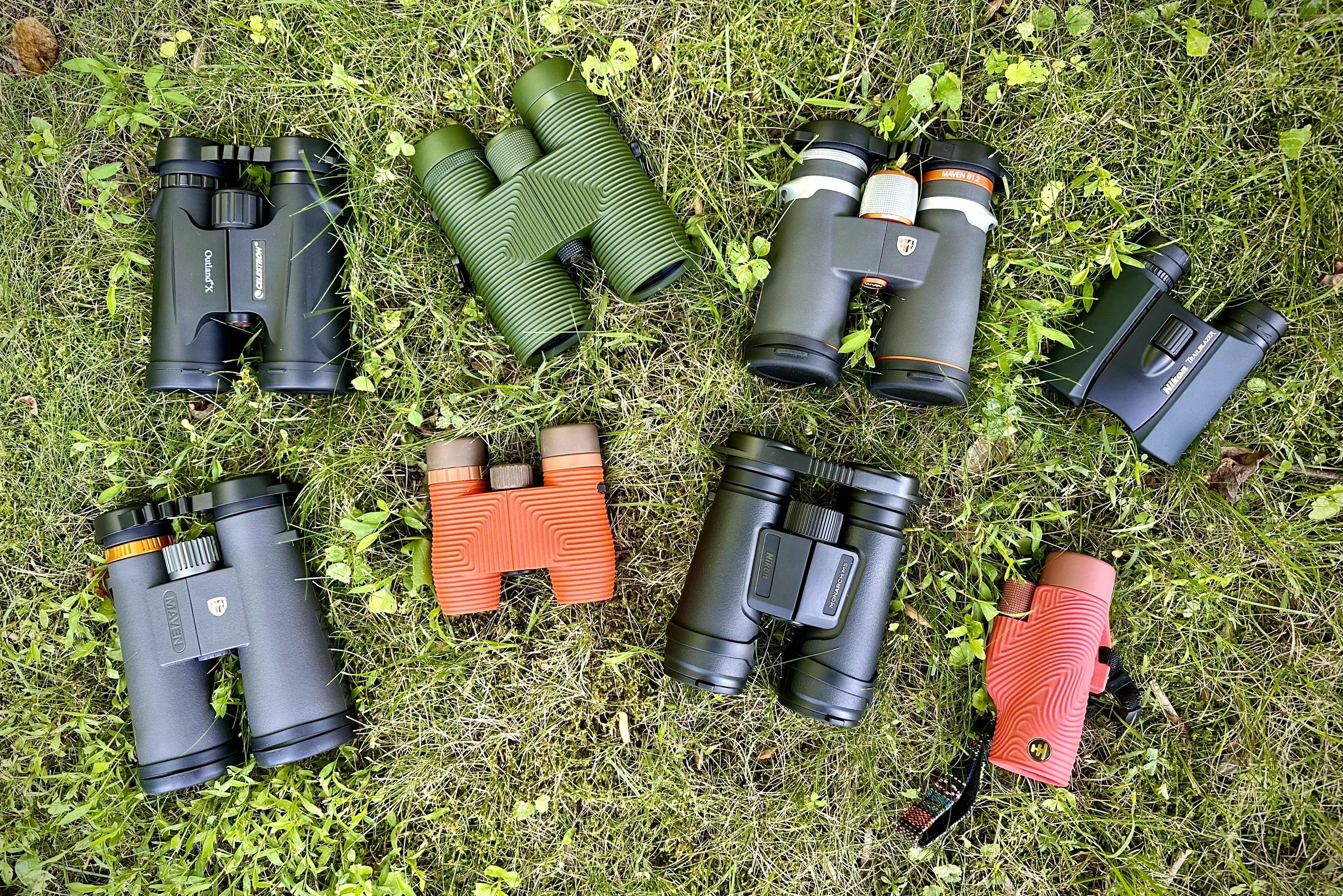
Credit: gearjunkie.com
Budget And Brand Considerations
Choosing the right binoculars for bird watching means balancing your budget with the quality you expect. Your spending limit shapes the features you can access, while the brand often signals reliability and performance. It’s important to know what you’re getting for your money and which brands consistently deliver value.
Affordable Options
You don’t have to spend a fortune to find binoculars that work well for bird watching. Many affordable models offer good magnification and decent clarity, perfect for beginners or casual birders.
Look for features like 8x to 10x magnification and a field of view wide enough to track moving birds. Brands like Nikon and Bushnell have budget-friendly options that get positive reviews.
Consider what you might be sacrificing at lower price points, such as lens coatings or waterproofing. Ask yourself: Are you willing to trade some image quality for a lower price?
Premium Binoculars
If you want to invest in binoculars that last and deliver exceptional views, premium options are worth exploring. These binoculars often have advanced lens coatings, better light transmission, and rugged construction.
Models from brands like Swarovski, Zeiss, and Leica are known for crisp, bright images and superior durability. They often include ergonomic designs that reduce hand fatigue during long birding sessions.
Think about how often you go bird watching and whether the enhanced experience justifies the higher cost. Could a premium pair transform your hobby into a more immersive adventure?
Trusted Brands
Choosing binoculars from trusted brands reduces the risk of disappointment. These companies invest heavily in research and quality control to ensure their products meet birders’ needs.
Look for brands with strong customer support and good warranty policies. Reading user reviews can reveal real-world performance and potential issues.
Brands like Vortex, Celestron, and Swarovski consistently appear in birding forums and expert recommendations. Have you checked if the brand you’re considering has a solid reputation among bird watchers?
Additional Accessories
Additional accessories can enhance your bird watching experience. Consider a sturdy tripod for stability and a comfortable neck strap for ease of use. A cleaning kit ensures clear views every time.
Choosing the right binoculars for bird watching involves more than just optics. Accessories enhance your birding experience, offering comfort, protection, and stability. These additions can make a significant difference during long hours in nature. Let’s explore some essential accessories that can elevate your bird watching adventure.Neck Straps And Harnesses
A neck strap or harness can prevent discomfort during long birding sessions. Neck straps distribute the weight of binoculars evenly across your shoulders. This reduces neck strain. Harnesses provide even better support. They keep binoculars close to your body. This minimizes swinging while walking. Choose padded straps for extra comfort. Adjustable straps allow for a custom fit.Protective Cases
Protective cases shield binoculars from dust, moisture, and bumps. A sturdy case is essential for outdoor excursions. Soft cases offer flexibility and are lightweight. Hard cases provide maximum protection. Some cases come with belt loops or straps for easy carrying. Waterproof cases are ideal for rainy environments. Ensure your case fits your binoculars snugly.Tripods And Mounts
Tripods and mounts offer stability for steady viewing. They are especially useful for high-magnification binoculars. Tripods reduce hand fatigue during prolonged use. Lightweight tripods are easy to carry into the field. Look for tripods with adjustable height. Mounts can attach binoculars securely to the tripod. Quick-release mounts allow for easy detachment.Tips For Testing And Buying Binoculars
Choosing the right binoculars for bird watching can transform your outdoor experience. Testing and buying binoculars require more than just checking specs online. You need to handle them, understand warranty options, and learn from other users’ experiences to make a confident choice.
Trying Before Buying
Holding binoculars in your hands reveals a lot about their comfort and ease of use. Check the weight and grip—can you hold them steady for a long time? Try focusing on distant objects to see how smooth and quick the focus mechanism feels.
Look through the lenses in different light conditions. Do the images stay sharp and bright? Testing binoculars outside or near a window can help you spot differences that pictures and descriptions might miss.
Warranty And Return Policies
Bird watching can be tough on gear, so a solid warranty is essential. Find out how long the warranty lasts and what it covers, like lens damage or mechanical issues. Some brands offer lifetime warranties, which means they trust their product’s durability.
Return policies matter if the binoculars don’t meet your expectations. Check if you can return them after a few days of use. This safety net lets you try the binoculars in real bird watching conditions without risk.
Reading Reviews And User Feedback
Reviews give you real-world insights beyond the manufacturer’s claims. Look for comments about clarity, durability, and comfort from people who watch birds regularly. Pay attention to repeated praises or complaints—they highlight consistent strengths or weaknesses.
Don’t just skim star ratings. Dive into detailed reviews to understand how binoculars perform in different environments. Have you noticed any patterns in feedback that match your bird watching needs?
:max_bytes(150000):strip_icc()/tal-opticron-oregon-4-pc-oasis-8x42-binocular-kathryn-braet-5-92012e7d06b945acbff37493422bab6a.jpeg)
Credit: www.travelandleisure.com
Frequently Asked Questions
What Magnification Is Best For Bird Watching Binoculars?
A magnification of 8x to 10x is ideal for bird watching. It balances clarity and field of view. Higher magnifications can be shaky and harder to use in the field.
How Important Is Lens Diameter In Bird Watching Binoculars?
Lens diameter affects light gathering and image brightness. A 32mm to 42mm lens diameter works well in various lighting conditions. Larger lenses provide brighter images but add weight.
Should I Choose Roof Prism Or Porro Prism Binoculars?
Roof prism binoculars are compact and durable, great for outdoor use. Porro prism models offer better depth perception and a wider field of view. Choose based on comfort and preference.
Are Waterproof Binoculars Necessary For Bird Watching?
Yes, waterproof binoculars protect against rain and moisture. They are essential for bird watchers who explore different environments and weather conditions.
Conclusion
Choosing the right binoculars makes bird watching more fun and clear. Think about size, weight, and lens quality. Comfort matters for long trips outdoors. Don’t forget to check the field of view and focus ease. These features help you see birds better and enjoy nature more.
Take your time to compare and pick what suits you best. Happy bird watching!




