
If you have a budgie bird or are thinking about getting one, you want to make sure it stays happy and healthy. Budgies are lively, colorful, and full of personality, but they need the right care to thrive.
You might wonder what their daily needs are, how to keep their cage clean, or what foods are best. This guide will give you simple, practical tips to help your budgie live its best life. Keep reading, and you’ll discover easy ways to become the best budgie owner your feathered friend could ask for.
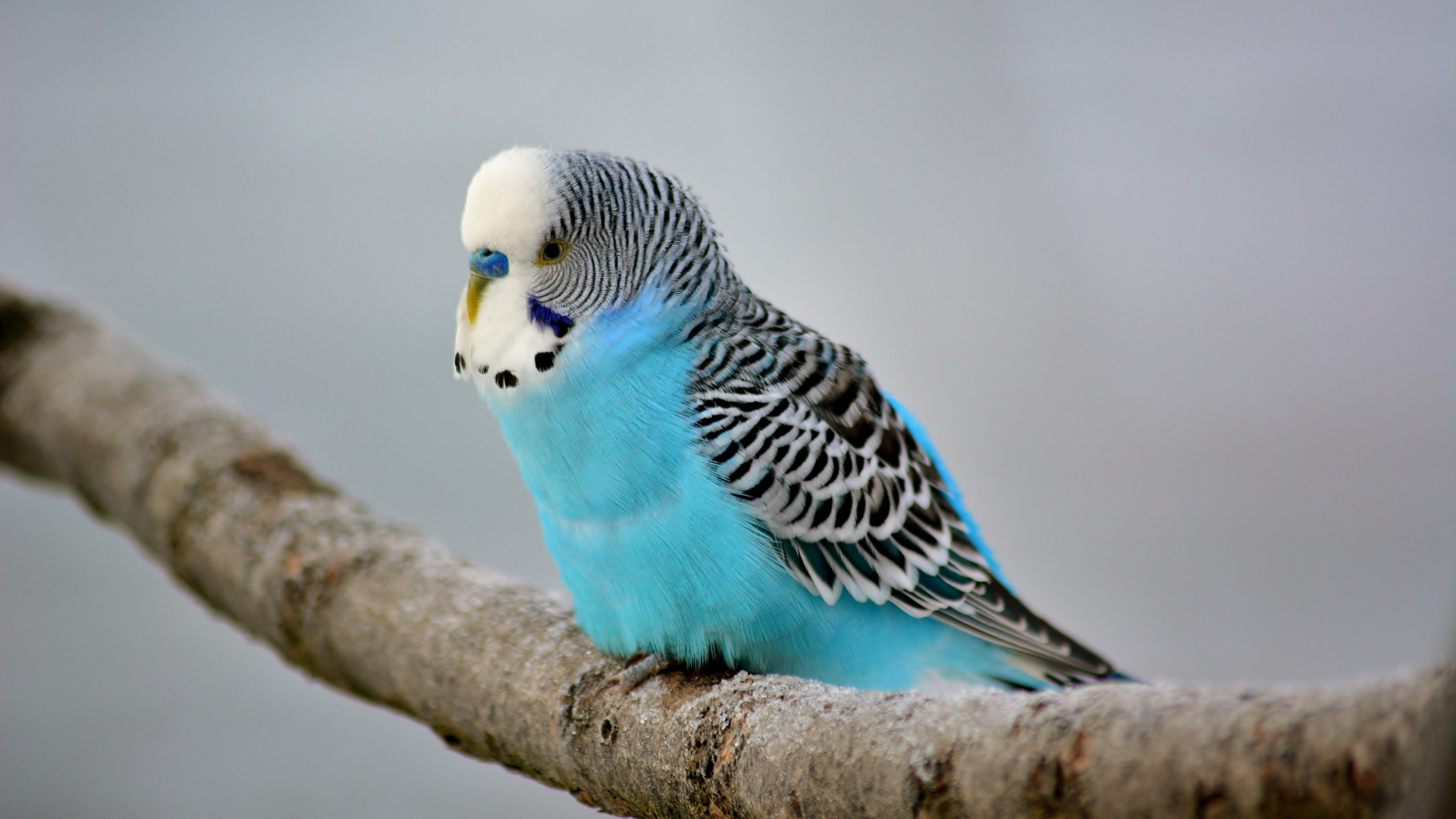
Credit: pethelpful.com
Choosing The Right Cage
Choosing the right cage for your budgie is one of the most important decisions you will make as a bird owner. A suitable cage not only keeps your budgie safe but also supports its health and happiness. Think of the cage as your bird’s home—it needs to be comfortable, secure, and stimulating.
Ideal Cage Size
Budgies are active birds that love to fly and explore. A cramped cage can limit their movement and cause stress. Aim for a cage that is at least 18 inches long, 18 inches wide, and 24 inches high. Bigger is always better, especially if you plan to keep more than one budgie.
Bars should be spaced no more than ½ inch apart to prevent your budgie from escaping or getting stuck. Also, horizontal bars are great because they allow your budgie to climb and exercise. Have you noticed how much your budgie enjoys hopping and climbing around? The cage size directly affects these natural behaviors.
Safe Cage Materials
Your budgie’s health depends on the materials used in its cage. Avoid cages made with toxic paints or galvanization that can chip and poison your bird. Stainless steel cages are a top choice because they are durable and non-toxic.
Plastic cages might look appealing but can be chewed easily and may harbor bacteria. Powder-coated metal cages can also work, but make sure the coating is free from harmful chemicals. If you’re unsure about a cage’s safety, check online reviews or ask a veterinarian.
Cage Placement Tips
Where you put your budgie’s cage matters just as much as the cage itself. Place the cage in a quiet, draft-free area with plenty of natural light but avoid direct sunlight all day. Budgies enjoy being where the family gathers, so the living room or kitchen can be ideal spots.
Keep the cage away from kitchens during cooking time to prevent exposure to harmful fumes. Also, don’t place the cage near windows where sudden temperature changes or predators might scare your bird. Have you thought about your budgie’s comfort from its point of view? Choosing the right spot can reduce stress and help your bird feel secure.

Credit: www.youtube.com
Feeding Your Budgie
Feeding your budgie the right way is key to keeping it lively and healthy. Budgies need more than just seeds to thrive. You’ll want to offer a variety of foods that meet their nutritional needs and keep them excited for mealtime.
Balanced Diet Essentials
A budgie’s diet should be balanced and varied. Seeds alone don’t provide all the nutrients your bird requires. Consider mixing high-quality seed blends with pellets designed for budgies; pellets offer vitamins and minerals that seeds might lack.
Proteins are also important. You can add small amounts of cooked egg or legumes occasionally. Clean, fresh water must be available at all times—your budgie’s health depends on it.
Fresh Fruits And Vegetables
Fresh fruits and veggies add essential vitamins and fiber to your budgie’s diet. Offer small pieces of apple, carrot, spinach, or broccoli. Remove any uneaten fresh food after a few hours to prevent spoilage.
Try introducing new items slowly. Your budgie might be picky at first, but patience pays off. Have you noticed your bird’s favorite treat yet? Discovering what they enjoy can make feeding time more rewarding for both of you.
Avoiding Harmful Foods
Some foods can be dangerous or even deadly to budgies. Avoid chocolate, avocado, caffeine, alcohol, and anything salty or sugary. Onion and garlic can also upset their digestive system.
It’s easy to assume human snacks are safe, but your budgie’s body reacts differently. Keep harmful foods out of reach and double-check before offering anything new. Your vigilance protects your feathered friend every day.
Daily Care Routine
Caring for a budgie daily ensures a happy and healthy bird. Establishing a simple routine helps your budgie feel safe and loved. Small daily tasks keep the cage clean and the bird active. Observing your budgie closely helps spot any health issues early. Each part of the routine plays a key role in your budgie’s well-being.
Cleaning The Cage
Remove uneaten food and droppings every day. Wipe perches and toys with a damp cloth. Change the cage liner or paper to keep it fresh. Clean food and water dishes thoroughly. A clean cage prevents diseases and keeps your budgie comfortable.
Providing Fresh Water
Offer fresh water twice a day for your budgie. Use a clean water container that is easy to refill. Check water for dirt or debris before giving it to your bird. Fresh water supports your budgie’s health and hydration. Avoid stale or old water that may cause illness.
Monitoring Health
Watch your budgie’s behavior and appearance daily. Healthy budgies are active, alert, and have smooth feathers. Look for signs like puffed feathers, sneezing, or loss of appetite. Check eyes and nostrils for discharge or swelling. Early detection of problems helps prevent serious illness.
Social Interaction
Budgies are social birds that thrive on interaction. They need regular contact to stay happy and healthy. Social interaction helps build trust and reduces stress. It also encourages natural behaviors like playing and singing. Spending time with your budgie creates a strong bond and keeps them lively.
Bonding Techniques
Spend quiet time near your budgie’s cage. Speak softly to gain their trust. Offer treats by hand to encourage closeness. Gently pet your budgie’s head if they allow it. Use a small mirror or toys to engage them. Regular short sessions work better than long ones.
Introducing New Budgies
Introduce new budgies slowly and carefully. Place cages close but separate at first. Watch their reactions to each other. Swap toys between cages to create familiarity. Gradually allow them to meet outside the cage. Supervise all interactions to prevent fights.
Encouraging Vocalization
Talk to your budgie often to inspire sounds. Play recordings of budgie calls or whistles. Repeat simple words or phrases clearly. Reward your budgie with treats when they mimic sounds. Keep sessions short and fun to hold their interest. Patience helps develop their talking skills.
Exercise And Enrichment
Exercise and enrichment are vital for a happy, healthy budgie. These small birds need daily movement and mental challenges to stay fit. Boredom can lead to stress and bad habits. Providing a mix of physical and mental activities keeps your budgie active and engaged. It also helps build trust and a stronger bond between you and your pet.
Toys And Activities
Offer a variety of toys to keep your budgie entertained. Safe chew toys help maintain beak health. Swings and ladders encourage climbing and movement. Mirrors and bells attract their curiosity. Rotate toys regularly to keep things fresh. Create simple games like hide and seek with treats. These activities boost physical exercise and fun.
Safe Flight Opportunities
Allow your budgie to fly in a safe, enclosed space. Clear the area of hazards like fans and open windows. Short daily flights improve muscle strength and coordination. Use a small room or a bird-safe playpen. Supervise your budgie during flight time at all times. This freedom supports natural behaviors and reduces stress.
Mental Stimulation Ideas
Budgies need mental challenges to stay sharp. Teach basic tricks like stepping up or turning around. Use puzzle feeders to make meal times engaging. Change their cage layout occasionally for new exploration. Talk and whistle to your bird to encourage interaction. Mental stimulation improves mood and prevents boredom.
Common Health Issues
Caring for a budgie bird involves monitoring its health closely. Common issues include respiratory infections and feather plucking. Ensuring a clean cage and a balanced diet can prevent these problems. Regular vet check-ups are essential to maintain your budgie’s health and happiness.
Caring for a budgie bird involves understanding its health needs. Budgies, like any pets, can face health challenges. Knowing common health issues helps in early detection and treatment.Signs Of Illness
Budgies show subtle signs of illness. Watch for changes in behavior or appearance. A sick budgie may fluff up its feathers. It might sit at the bottom of the cage. Loss of appetite or weight is a red flag. Sneezing or nasal discharge indicates respiratory issues. Observe droppings for color or consistency changes. Eye discharge or swelling needs attention. Quick action can prevent severe problems.Preventive Care
Preventive care keeps budgies healthy and happy. Provide a clean, spacious cage. Ensure a balanced diet with seeds, fruits, and vegetables. Fresh water is essential for hydration. Regular cage cleaning prevents infections. Offer toys to stimulate mental health. Monitor your budgie for changes daily. A stable environment reduces stress. Stress weakens the immune system.When To Visit A Vet
Visit a vet at the first sign of illness. Early treatment prevents complications. Regular check-ups keep your budgie healthy. Choose a vet experienced with birds. A vet can provide vaccinations if needed. They can also offer dietary advice. Consider a vet visit for nail or beak trimming.
Credit: www.youtube.com
Frequently Asked Questions
How Often Should I Clean My Budgie’s Cage?
Clean your budgie’s cage weekly to maintain hygiene. Remove food waste, droppings, and replace bedding. Regular cleaning prevents diseases and keeps your bird healthy and happy.
What Is The Best Diet For A Budgie Bird?
A balanced budgie diet includes seeds, pellets, fresh fruits, and vegetables. Provide clean water daily. Avoid avocado, chocolate, and caffeine, as they are toxic to budgies.
How Much Social Interaction Does A Budgie Need?
Budgies need daily social interaction for mental health. Spend at least 30 minutes talking or playing. Consider a companion budgie if you are often busy.
What Temperature Is Ideal For Budgie Care?
Budgies thrive in temperatures between 65°F and 75°F (18°C to 24°C). Avoid drafts, direct sunlight, and sudden temperature changes to keep them comfortable and healthy.
Conclusion
Caring for a budgie bird brings joy and companionship. Provide fresh food and clean water daily. Keep the cage tidy and safe for your pet. Spend time talking and playing with your budgie. Watch for signs of illness and act quickly.
With love and attention, your budgie will thrive. Enjoy the bright colors and cheerful songs. Simple steps create a happy, healthy bird life. Your budgie depends on you for care and love. Small efforts make a big difference every day.




