
Are you worried about your backyard chickens catching bird flu? You’re not alone.
Many chicken keepers want to protect their flock but don’t know how the virus spreads. Understanding how bird flu reaches your birds is the first step to keeping them safe and healthy. You’ll discover the common ways bird flu can sneak into your backyard and what you can do to stop it.
Keep reading to make sure your feathered friends stay strong and happy.
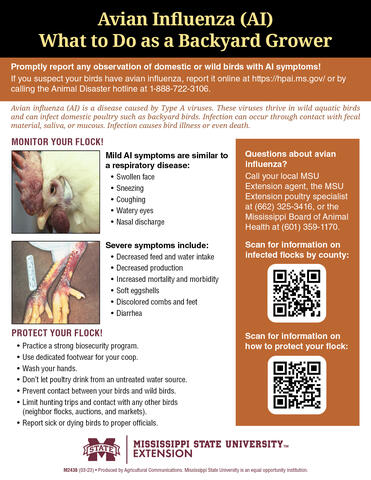
Credit: extension.msstate.edu
Bird Flu Basics
Understanding the basics of bird flu is essential if you keep backyard chickens or are thinking about starting your own flock. Knowing what bird flu is and the different types of viruses that cause it helps you protect your birds effectively. Let’s break down the essentials so you can spot risks early and act smartly.
What Is Bird Flu?
Bird flu, also known as avian influenza, is a viral infection that affects birds, including chickens. It spreads quickly among birds through saliva, nasal secretions, and droppings. You might wonder how a seemingly healthy backyard flock can suddenly fall ill; often, the virus is introduced through wild birds or contaminated equipment.
Bird flu can cause symptoms ranging from mild respiratory issues to sudden death in chickens. Your role is to watch for signs like coughing, sneezing, and decreased egg production. Early detection can save your flock from severe losses.
Types Of Bird Flu Viruses
There are several types of bird flu viruses, classified mainly by their ability to cause disease. The two main categories you need to know are:
- Low Pathogenic Avian Influenza (LPAI):This type causes mild illness or no symptoms at all. It can still spread easily, so don’t ignore subtle signs.
- Highly Pathogenic Avian Influenza (HPAI):This form is deadly and can wipe out entire flocks quickly. It often leads to severe respiratory distress and sudden death.
Different strains within these categories, like H5 or H7, have caused outbreaks globally. You might ask yourself, how does your flock come in contact with these strains? Often, it’s through contact with wild waterfowl or contaminated feed and water.
Credit: www.randyschickenblog.com
Transmission Paths
Understanding how bird flu spreads in backyard chickens helps protect your flock. The virus moves through several clear paths. These transmission routes often overlap, raising infection risk. Knowing each path guides better prevention and care.
Contact With Wild Birds
Wild birds carry bird flu viruses without always showing illness. Backyard chickens meet wild birds at feeders, ponds, or open spaces. Direct contact or close proximity lets the virus jump to domestic birds. Droppings from wild birds also contain the virus. Chickens pecking near these droppings can catch the infection quickly.
Contaminated Water And Feed
Water sources shared with wild birds often harbor the virus. Chickens drinking from ponds or puddles risk exposure. Feed left outside can attract wild birds, contaminating it. Even small amounts of virus in water or feed can infect a whole flock. Keeping food and water clean is crucial for safety.
Human And Equipment Movement
People moving between flocks can carry the virus on clothes, shoes, or hands. Equipment like feeders, cages, and tools also spread germs. Without proper cleaning, these items pass the virus from one place to another. Visitors and workers must follow strict hygiene rules to reduce this risk.
Risk Factors In Backyard Settings
Backyard chickens face several risks that increase their chances of catching bird flu. Understanding these risk factors helps keep flocks safer. Some risks are related to how chickens are cared for and their environment.
Poor Biosecurity Practices
Not cleaning chicken coops regularly can spread viruses. Visitors and pets entering the area might carry germs. Sharing equipment with other poultry owners raises infection risks. Lack of handwashing after handling birds also helps viruses spread. Good biosecurity means limiting contact with outside germs and keeping the coop clean.
Close Proximity To Wildlife
Wild birds often carry bird flu without getting sick. They can spread the virus through droppings and water sources. Chickens near ponds, fields, or forests have higher exposure. Open chicken runs allow wild birds to mix with backyard flocks. Keeping chickens away from wild bird areas reduces risk.
High Chicken Density
Crowded chicken coops make it easy for diseases to spread quickly. When many birds share small spaces, viruses pass fast from one to another. Stress from overcrowding weakens chickens’ immune systems. Proper space and ventilation help lower bird flu risks. Avoiding high density keeps chickens healthier and safer.
Symptoms In Backyard Chickens
Recognizing the symptoms of bird flu in your backyard chickens is crucial for quick action. Early detection can prevent the spread and save your flock. Understanding what to look for can make all the difference in keeping your birds safe and healthy.
Common Signs Of Infection
Bird flu symptoms often appear suddenly and can be severe. You might notice your chickens showing:
- Sudden drop in egg production
- Swelling around the head, neck, and eyes
- Respiratory distress, like coughing, sneezing, or nasal discharge
- Diarrhea or discoloration of the comb and wattles
- Weakness and difficulty standing
These signs don’t always mean bird flu, but they should prompt immediate attention. Have you checked your birds for these symptoms lately?
Behavioral Changes
Besides physical symptoms, your chickens may act differently. They might become unusually quiet or lethargic, spending more time sitting or isolating themselves. Chickens are social creatures, so a sudden change in behavior is a red flag.
Watch for loss of appetite or reluctance to move. These subtle signs often show up before more obvious symptoms. How closely do you observe your flock’s daily habits?
Preventing Bird Flu Spread
Preventing the spread of bird flu in your backyard flock is crucial for keeping your chickens safe and healthy. Understanding how the virus travels and taking steps to block its path can make a huge difference. You have the power to protect your birds by creating a clean and controlled environment.
Implementing Biosecurity Measures
Biosecurity is about creating barriers to stop the bird flu virus from entering your chicken area. Limit access to your coop—only trusted people should come near your birds. Use dedicated clothing and footwear when caring for your flock to avoid carrying germs from outside.
Keep wild birds and rodents away since they often carry viruses without showing symptoms. Clean and disinfect equipment regularly to reduce the risk of contamination. Think about how germs move around your yard—are there places that need extra cleaning?
Safe Feeding And Watering
Feed and water your chickens in a way that prevents contamination. Avoid placing food and water containers on the ground where wild birds or pests can reach them. Elevated feeders and covered waterers reduce the chance of spreading infection.
Change water daily and clean feeders often to stop bacteria and viruses from building up. Have you checked your feeding setup lately? Small changes here can protect your flock from unseen threats.
Regular Health Monitoring
Watch your chickens closely for any signs of illness, such as coughing, sneezing, or lethargy. Early detection helps you act quickly to isolate sick birds and prevent the virus from spreading. Keep a health diary to track any changes you notice.
Don’t hesitate to call a vet if something feels off. Your attention is the first line of defense against bird flu outbreaks. How often do you check your flock’s health each day?
Response To Outbreaks
Responding quickly to bird flu outbreaks in backyard flocks is crucial. Early action helps contain the virus and protects other birds nearby. Knowing the right steps can reduce the spread and damage caused by the disease.
Quarantine Procedures
Isolate sick chickens immediately from healthy birds. Use a separate area or pen to keep infected birds apart. Limit movement in and out of the quarantine zone to avoid spreading germs. Wear clean clothes and gloves when handling quarantined birds. Keep food and water separate for these birds to prevent cross-contamination.
Reporting To Authorities
Notify local animal health officials as soon as bird flu is suspected. Provide details about your flock size and symptoms seen. Early reporting helps experts track and control outbreaks. Follow their instructions carefully for testing and managing the flock. Cooperation with authorities is key to stopping the virus.
Disinfection And Cleanup
Clean all equipment, feeders, and waterers used by sick birds. Use approved disinfectants that kill bird flu viruses effectively. Remove and safely dispose of bedding, manure, and dead birds. Wash hands and clothing thoroughly after contact with infected areas. Regular disinfection lowers the chance of the virus returning.
Myths And Misconceptions
Many believe backyard chickens catch bird flu only from wild birds, but the virus can spread through contaminated equipment or people. Some think healthy-looking birds cannot carry the virus, yet infected chickens may show no signs. Understanding these myths helps protect your flock better.
In the world of backyard chicken keeping, misinformation about bird flu spreads as quickly as the virus itself. Many myths and misconceptions cloud the understanding of how backyard chickens contract bird flu. It’s essential to separate fact from fiction to protect your feathered friends effectively.False Causes Of Bird Flu
Some believe that bird flu arises spontaneously in chickens without any external influence. This idea is far from reality. Bird flu is caused by avian influenza viruses, which can be transmitted by wild birds, contaminated feed, or equipment. Others think that only large commercial farms are susceptible to bird flu. Backyard flocks are not immune simply because they are smaller. Close contact with wild birds or inadequate biosecurity measures can put them at risk too.Clarifying Common Beliefs
A common myth is that bird flu only occurs in winter. While it’s true that certain strains thrive in colder weather, outbreaks can happen year-round. Weather alone is not a protective measure. There’s also a belief that vaccinated chickens cannot get bird flu. Vaccination can reduce the severity of the disease but does not guarantee complete immunity. It’s part of a broader strategy rather than a standalone solution. Have you considered how your daily habits might affect your flock’s health? Simple actions like cleaning your shoes before entering the coop can make a big difference. By debunking these myths, you’re already taking a step toward a healthier backyard environment for your chickens.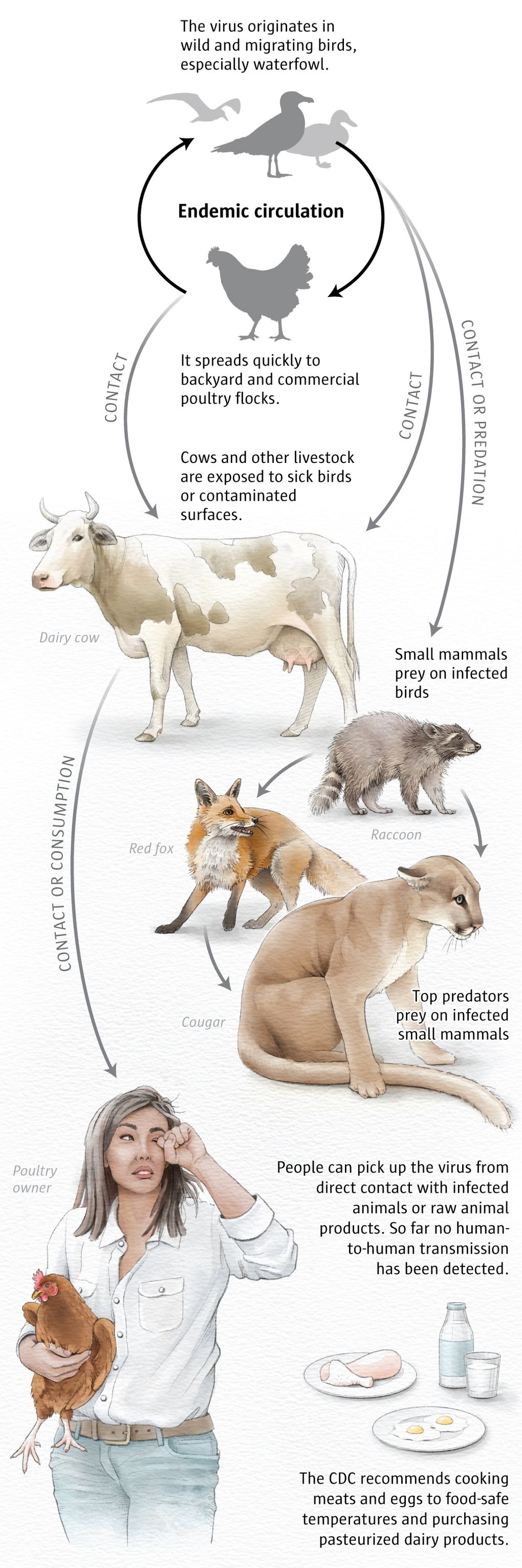
Credit: www.seattletimes.com
Frequently Asked Questions
How Do Backyard Chickens Catch Bird Flu?
Backyard chickens catch bird flu through contact with infected wild birds or contaminated surfaces. The virus spreads via saliva, nasal secretions, and droppings. Poor biosecurity and shared water sources increase infection risk.
Can Bird Flu Spread From Wild Birds To Chickens?
Yes, wild birds often carry bird flu without symptoms. They can transmit the virus to backyard chickens through direct contact or contaminated environments, making prevention crucial.
What Are Common Symptoms Of Bird Flu In Chickens?
Infected chickens may show respiratory distress, swollen eyes, decreased egg production, and sudden death. Early detection helps control the spread and protect other birds.
How Can I Prevent Bird Flu In Backyard Chickens?
Maintain strict biosecurity by limiting contact with wild birds, disinfecting equipment, and providing clean water. Regularly monitor chickens for symptoms and isolate sick birds promptly.
Conclusion
Backyard chickens can catch bird flu through contact with wild birds or contaminated surfaces. Keeping your coop clean helps lower the risk. Watch your chickens closely for signs of illness. Quick action can stop the disease from spreading. Protecting your flock means protecting your home and family too.
Stay informed and take simple steps every day. Healthy chickens make a happy backyard.




