
Have you ever noticed birds avoiding certain spots around your home or garden? You might wonder if mirrors could be the secret to keeping them away.
But do mirrors really scare birds off, or is it just a myth? If you’re tired of birds damaging your plants or creating a mess, understanding how mirrors affect them could be the answer you’ve been looking for. Keep reading to discover the surprising truth about mirrors and birds—and learn how you can use this knowledge to protect your space effectively.
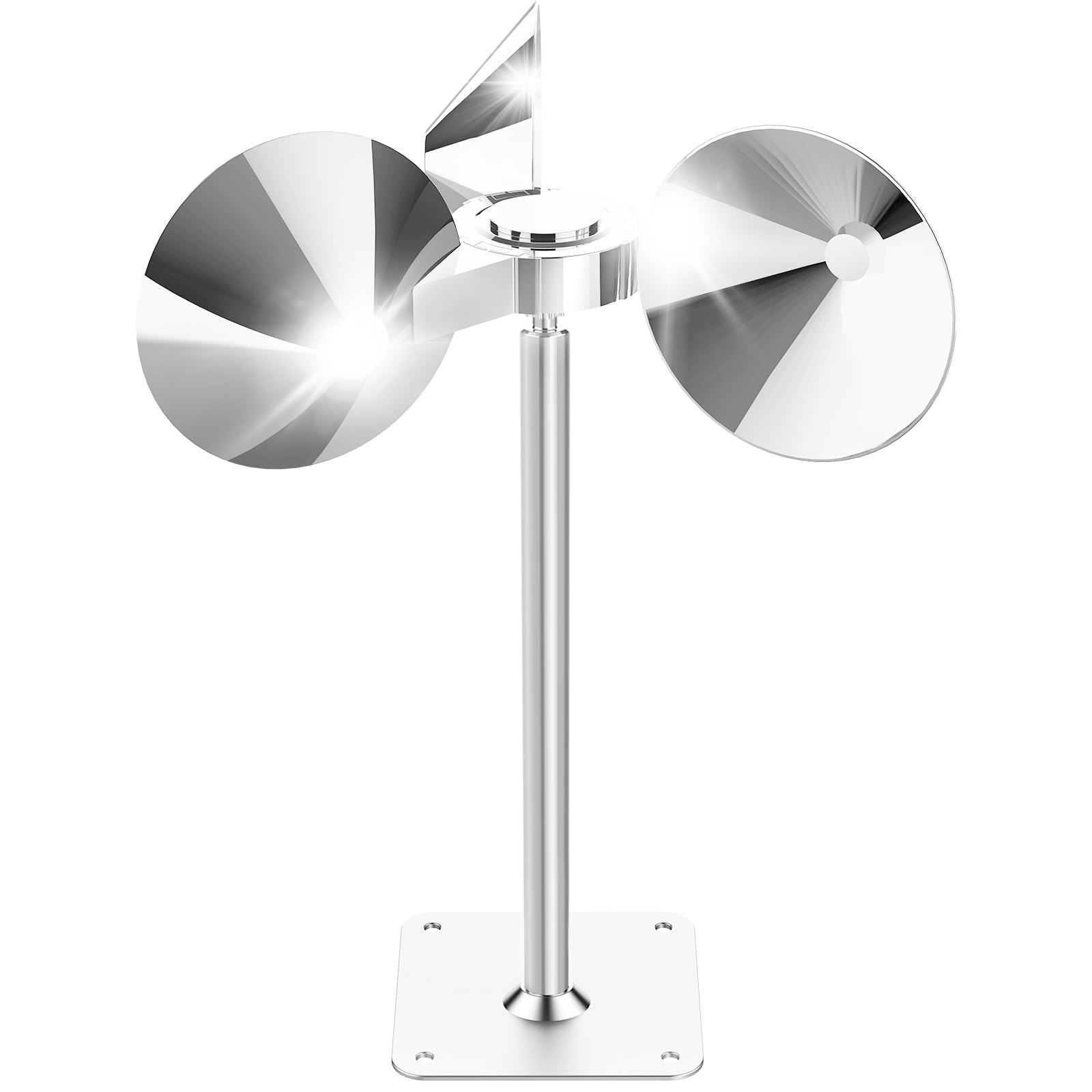
Credit: www.amazon.com
Bird Behavior Around Mirrors
Birds often react in interesting ways when they see mirrors. Their behavior changes because they do not understand reflections like humans do. This can affect how they act around mirrors in gardens or windows.
Studying how birds behave near mirrors helps us know if mirrors can scare them away or not. It also shows how reflections impact their daily activities.
How Birds Perceive Reflections
Birds see mirrors as other birds or a part of their environment. They cannot tell the reflection is not real. Their eyes catch movement and shapes but do not understand the glass surface.
This causes confusion because the reflection copies their actions exactly. Birds may think another bird is nearby or that they see themselves in a new place.
- Birds do not recognize themselves in mirrors
- Reflections look like other birds or open space
- Movement in mirrors grabs their attention
- Birds rely on sight but have limited mirror understanding
Common Reactions To Mirrors
Birds often respond to mirrors by acting defensive or curious. Some may try to fight the reflection, thinking it is a rival bird. Others may stay close to watch or avoid the mirror entirely.
These reactions depend on the bird species and the mirror’s position. Some birds lose interest after a while, while others keep interacting with the reflection.
- Aggressive behavior like pecking or chasing the mirror
- Curious looks and close inspection
- Avoidance of the mirror area
- Repeated visits to check the reflection
Do Mirrors Really Frighten Birds?
Many people wonder if mirrors can scare birds away. Some think birds see their reflections and get scared. This idea makes people use mirrors to keep birds out of gardens or windows.
It is important to know if mirrors really work to frighten birds. We need to look at scientific studies and real examples to understand this better.
Scientific Studies On Mirror Effects
Researchers studied how birds react to mirrors in their environment. Some birds see their reflection as a rival. This can cause them to act aggressively or avoid the mirror.
Other studies found that not all birds react the same. Some birds do not care about mirrors at all. The size and placement of the mirror also change the bird’s reaction.
- Birds like robins may attack their reflection.
- Smaller birds often ignore mirrors.
- Birds can get used to mirrors over time.
- Mirrors placed near nests can cause stress.
Instances Of Birds Avoiding Mirrors
There are reports of birds avoiding mirrors in some places. Gardeners use mirrors to stop birds from eating fruits or seeds. In some cases, mirrors worked for a short time.
Birds may fly away if they think another bird is in their space. But after a while, they might realize the mirror is not a threat. This means mirrors do not scare birds for long.
- Birds may avoid mirrors at first sight.
- Some birds get confused by their reflection.
- Birds often return after getting used to mirrors.
- Mirrors work better with other bird deterrents.
Using Mirrors As Bird Deterrents
Birds can cause damage to gardens, crops, and buildings. People use different ways to keep birds away. One option is using mirrors to scare birds.
Mirrors reflect light and create moving images. These reflections can confuse or frighten birds. This may keep them from landing or staying in certain areas.
Effectiveness In Different Settings
Mirrors work better in some places than others. Open spaces with sunlight help mirrors create bright reflections. These reflections can scare birds more.
In shaded or small areas, mirrors may not reflect enough light. Birds might ignore the mirrors if reflections are weak. The size of the area also matters.
- Gardens with direct sunlight see better results.
- Near windows or glass, mirrors can confuse birds.
- Large farms may need many mirrors for good effect.
- Indoor or shaded spaces reduce mirror effectiveness.
Best Types Of Mirrors For Deterrence
Not all mirrors work well to scare birds. Small, lightweight mirrors that move with the wind are best. Movement creates changing reflections that attract bird attention.
Shiny surfaces that reflect bright light work better. Plastic or metal mirrors are safer outdoors. Glass mirrors can break and cause hazards.
- Hanging small circular or oval mirrors
- Mirrors with reflective tape or strips
- Mirrors that spin or sway in the wind
- Weather-resistant plastic mirrors
- Avoid heavy glass mirrors outdoors

Credit: www.homedepot.ca
Alternative Bird Scaring Methods
Mirrors can sometimes scare birds, but they are not always the best choice. Many birds get used to reflections quickly.
There are other ways to keep birds away that work better in many cases. These methods use different senses to deter birds.
Visual Deterrents Beyond Mirrors
Birds rely on sight to find food and safe places. Visual deterrents use shapes, lights, and movements to scare them.
Items like reflective tape, scare-eye balloons, and fake predators can keep birds away. They create fear by looking like threats.
- Reflective tape shines in sunlight and moves with the wind.
- Scare-eye balloons have big eyes that frighten birds.
- Fake predators like owls and hawks appear dangerous.
- Shiny objects that flutter can confuse birds.
Sound-based Bird Repellents
Birds hear sounds well. Sound repellents use noise to make birds uncomfortable and leave the area.
These sounds include distress calls, predator noises, or ultrasonic sounds that bother birds but not humans.
- Distress calls signal danger to birds.
- Predator sounds make birds feel threatened.
- Ultrasonic devices emit sounds birds dislike.
- Random noises prevent birds from getting used to them.
Potential Downsides Of Mirror Use
Using mirrors to scare birds away may seem like a simple solution. Yet, there are some problems that come with this method. It is important to think about these issues before using mirrors outside.
Mirrors can affect birds and other animals in ways that may harm them. These effects can be about health, behavior, and safety.
Impact On Bird Health And Behavior
Birds may get stressed when they see their reflection in mirrors. They might think another bird is invading their space. This stress can make birds tired and weak.
Birds might attack the mirror, hitting it many times. This can cause injuries to their beaks or heads. Constant fighting with a reflection can confuse birds and change their normal behavior.
- Stress from seeing their reflection
- Repeated attacks causing injuries
- Confusion about territory and rivals
- Changes in feeding and resting habits
Risks To Other Wildlife And Pets
Mirrors do not only affect birds. Other animals and pets might also get hurt or scared. Reflections can confuse wild animals that pass by the mirror.
Pets like cats and dogs might try to chase or attack the reflected image. This can cause stress or injuries to pets. Some animals might even get trapped or hurt if they run into mirrors.
- Wild animals confused by reflections
- Pets chasing or attacking mirrors
- Possible injuries to pets and wildlife
- Disruption of natural animal behavior
Tips For Safe And Humane Bird Control
Birds can be a delightful addition to any garden, but sometimes they create challenges. Using mirrors can help keep them away without harm. It is important to ensure methods are safe and humane.
Mirrors reflect light, which can scare birds. This method is simple and can be combined with others for better results. Let’s explore some effective strategies.
Combining Methods For Better Results
Using mirrors is effective, but combining methods works best. Mix different strategies for success. Here are some ideas to try together.
- Use reflective tape with mirrors to increase light flashes.
- Hang wind chimes to add sound deterrents.
- Install bird spikes on ledges to prevent landing.
Maintaining A Bird-friendly Environment
While deterring birds, keep your garden bird-friendly. This ensures they have safe places to visit and thrive. Here are some ways to maintain balance.
- Provide bird feeders away from problem areas.
- Plant native shrubs for natural shelter and food.
- Ensure water sources are clean and accessible.

Credit: www.amazon.com
Frequently Asked Questions
Do Mirrors Effectively Scare Birds Away From Gardens?
Yes, mirrors can deter birds by reflecting light and movement. This confuses birds, making them avoid the area. However, effectiveness varies by bird species and mirror placement.
How Do Mirrors Deter Birds From Landing On Windows?
Mirrors reflect surroundings, creating illusions that prevent birds from approaching. Reflections mimic open space or predators, discouraging birds from landing on glass.
Are Mirror Bird Deterrents Safe For Birds And Pets?
Yes, mirrors are non-toxic and pose no harm. They only create visual disturbances, gently encouraging birds to stay away without physical damage.
Can Mirrors Replace Traditional Bird Scarers Outdoors?
Mirrors can complement but not fully replace other scarers. Combining mirrors with sound devices or netting offers better bird control outdoors.
Conclusion
Mirrors can sometimes scare birds away by reflecting light. Birds may see their own image and feel threatened. This effect does not work for all bird types or situations. Using mirrors alone may not fully keep birds from your space.
Combine mirrors with other methods for better results. Keep trying different ideas until you find what works best. Watching birds behave around mirrors can be quite interesting. Small changes can make a big difference in your garden. Stay patient and enjoy the process of learning.




