
Have you ever wondered if cardinals use bird houses in your backyard? If you’re hoping to attract these bright red visitors, it’s important to understand their habits.
Knowing whether cardinals prefer natural nests or bird houses can help you create the perfect space for them. Keep reading, because what you learn here could change the way you welcome cardinals to your garden—and make your birdwatching experience more rewarding than ever.
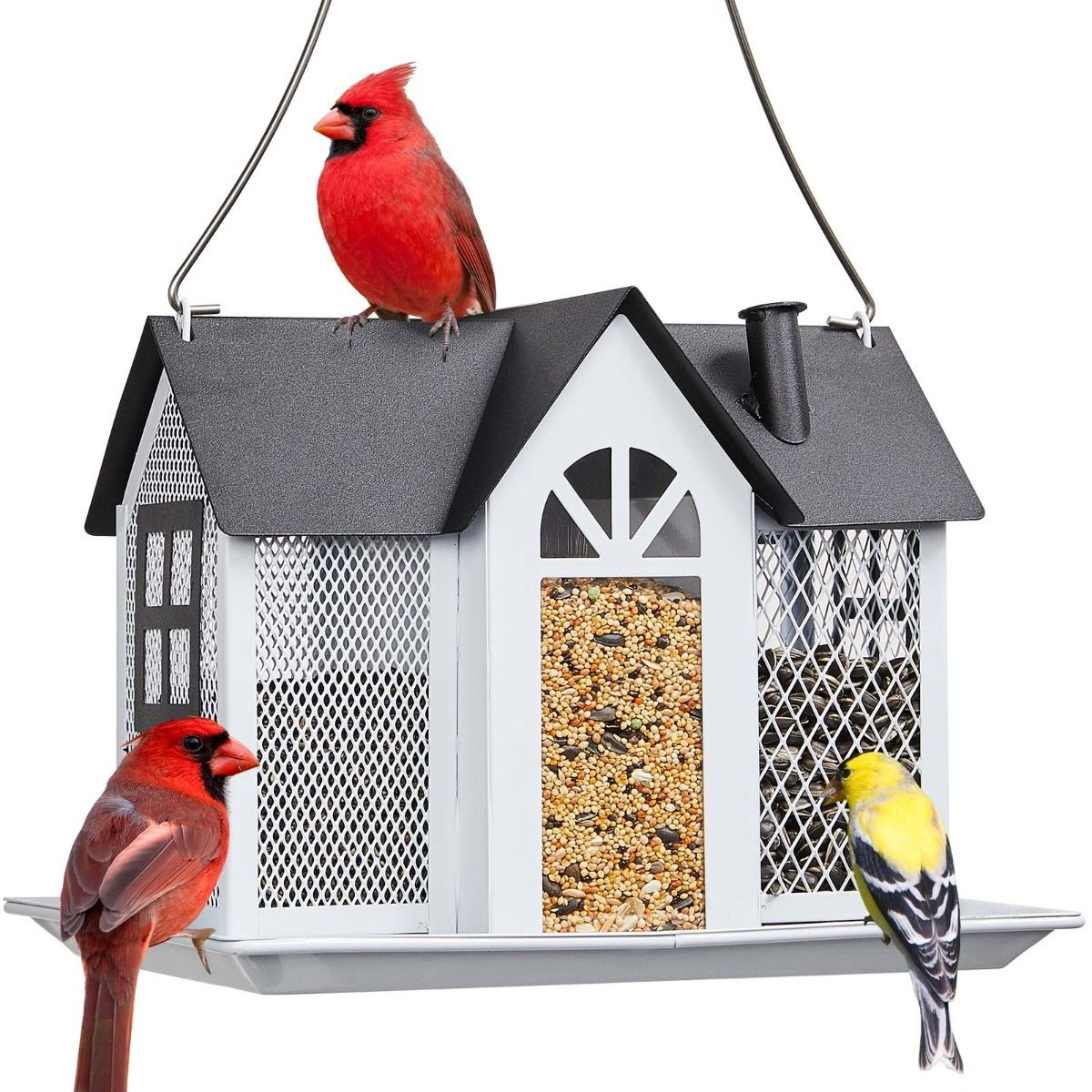
Credit: www.kingsyard.com
Cardinal Nesting Habits
Cardinals have unique nesting habits that help them raise their young safely. They build nests carefully, choosing spots that offer shelter and protection. Understanding where and how cardinals nest can help bird lovers support these bright red birds in their gardens.
Preferred Nesting Sites
Cardinals usually build nests low in dense shrubs or trees. They like places that are hidden from predators and harsh weather. Nests are often found between 3 to 10 feet above the ground. Cardinals rarely use bird houses. Instead, they prefer natural cover.
- Thick bushes
- Evergreen trees
- Vines and brambles
- Branches with dense leaves
Materials Cardinals Use
Cardinals collect soft and flexible materials to build their nests. They use things that can cushion their eggs and keep them warm. The female gathers most of the materials and shapes the nest herself.
- Twigs and small sticks
- Leaves and grass
- Strips of bark
- Feathers and hair
- Plant fibers
Bird Houses And Cardinals
Bird houses often attract a variety of feathered visitors to your garden, but when it comes to cardinals, their preferences might surprise you. Cardinals are known for their vibrant colors and beautiful songs, making them a favorite among bird watchers. Understanding how they interact with bird houses can help you create a more welcoming space for these striking birds.
Do Cardinals Use Bird Houses?
Cardinals are mostly ground or shrub nesters, so they rarely use traditional bird houses designed for cavity nesters like bluebirds or chickadees.
Instead, they prefer building open cup-shaped nests in dense shrubs or low tree branches. This behavior means you might not see cardinals entering a bird house, but that doesn’t mean you can’t support them in your yard.
If you want cardinals to feel at home, focus on providing thick bushes or dense foliage where they can safely build nests. Have you noticed cardinals nesting in your garden’s shrubs rather than bird houses?
Factors Influencing Usage
Several factors affect whether cardinals might use a bird house, including the design, location, and surrounding environment.
- House Design:Cardinals prefer open nests, so a bird house with an open front or large entrance may attract them more than traditional closed boxes.
- Placement:Positioning the house near dense vegetation or shrubs increases the chance of attracting cardinals, as they seek cover for their nests.
- Safety:Avoid placing bird houses in exposed spots where predators can easily reach them. Cardinals are cautious and prioritize safety for their young.
From my experience, putting an open-front nesting shelf near thick bushes attracted cardinals more than any closed box ever did. Have you tried modifying your bird houses or adding natural cover to see if cardinals respond differently?
Attracting Cardinals To Bird Houses
Cardinals are known for their bright red feathers and sweet songs. Many bird lovers want to attract these beautiful birds to their yards. Bird houses can be a helpful way to invite cardinals to stay nearby. Understanding what cardinals need in a bird house helps create a safe and comfortable spot for them.
Ideal Bird House Features
- Use natural wood for better insulation and comfort.
- Choose a bird house with an open front or wide entrance.
- Ensure the house is spacious enough for cardinals to move around.
- Include drainage holes to keep the interior dry.
- Keep the roof slanted to prevent water buildup.
- Avoid bright paint colors; natural or earth tones work best.
- Make sure the house is easy to clean between seasons.
Placement Tips
- Place the bird house 5 to 10 feet above the ground.
- Position it in a quiet area with some nearby shrubs or trees.
- Face the entrance away from strong winds and direct sunlight.
- Keep the house away from busy human activity or pets.
- Provide some cover nearby for cardinals to hide from predators.
- Check the house often for safety and cleanliness.

Credit: www.amazon.com
Common Misconceptions
Many people believe cardinals use bird houses for nesting. This idea is common but not true. Understanding cardinal habits helps clear up confusion. These birds have unique ways to build nests and raise young ones. Let’s explore some common myths and facts about cardinals and bird houses.
Bird House Myths
- Cardinals live in bird houses like bluebirds or chickadees.
- Putting up a bird house will attract cardinals to nest.
- Cardinals prefer cavities or enclosed spaces for their nests.
- All backyard birds use bird houses equally.
These ideas are widespread but incorrect. Cardinals do not use man-made bird houses. They build open cup-shaped nests in shrubs or trees. Their choice of nest sites depends on safety and easy access to food.
Clarifying Cardinal Behavior
Cardinals build nests in thick bushes or low tree branches. They avoid tight spaces or holes. The female mainly builds the nest from twigs, grasses, and leaves. Cardinals prefer natural shelter over artificial structures.
They are territorial and like to stay close to their feeding areas. Cardinals often choose dense cover for protection from predators. Understanding these behaviors helps bird lovers provide the best environment for cardinals.
Alternatives To Bird Houses
Cardinals prefer open nesting sites over traditional bird houses. Dense shrubs or small trees offer better alternatives. These natural shelters provide safety and comfort for cardinals.
Cardinals are a delightful sight in any backyard, but they don’t typically use traditional bird houses. Instead, these vibrant birds prefer more natural settings that mimic their native habitats. So, how can you attract cardinals to your garden without bird houses? Explore these alternatives to create a welcoming environment for these beautiful birds.Natural Shelter Options
Cardinals often seek refuge in dense foliage rather than enclosed spaces. Bushy shrubs, evergreen trees, and thick hedges offer them the protection they need from predators and harsh weather. Consider planting native plants and trees that provide year-round cover. Holly bushes, junipers, and spruce trees are excellent choices. These plants not only serve as shelter but also offer a natural food source with their berries.Creating Cardinal-friendly Gardens
A cardinal-friendly garden thrives on diversity. Include a variety of plants that produce seeds and berries to sustain them throughout the year. Sunflower seeds, safflower seeds, and dogwood berries are favorites among cardinals. Water sources are also crucial. A birdbath with fresh, clean water can be a great addition. Ensure it’s shallow enough for easy access and consider adding a small fountain to keep the water moving and fresh. Think about your garden layout. Cardinals appreciate open areas for foraging, but they also need nearby perches for safe observation. Incorporate a mix of open spaces and dense plantings to provide both. By understanding cardinals’ natural preferences, you can create a haven that attracts and supports them year-round. What other small adjustments could make your garden more inviting for these charming birds?Seasonal Patterns Of Cardinals
Understanding the seasonal patterns of cardinals can help you create a welcoming environment for these vibrant birds. Cardinals have distinct behaviors depending on the time of year, which influences whether they use bird houses or prefer natural nesting spots. Observing these patterns can give you clues on when and how to attract them to your yard.
Breeding Season Behavior
During the breeding season, which usually runs from early spring through summer, cardinals become highly territorial. Males sing loudly to defend their area and attract a mate. You might notice them gathering nesting materials like twigs and leaves nearby, but they rarely use bird houses for nesting.
Instead, cardinals build their nests in dense shrubs or low trees, where they feel protected. If you want to encourage cardinals to nest in your yard, focus on planting thick bushes or providing natural cover. Have you considered how your garden layout might support their nesting preferences?
Migration And Nesting
Unlike many songbirds, cardinals do not migrate. They stay in the same area year-round, adapting their behavior to the changing seasons. During colder months, they often shift their focus from nesting to finding reliable food sources.
This non-migratory nature means cardinals rely less on bird houses as winter shelters and more on natural cover and feeders. If you want to support cardinals through winter, provide food and water rather than expecting them to use bird houses. How might you adjust your bird care routine to meet their needs throughout the year?

Credit: www.amazon.com
Frequently Asked Questions
Do Cardinals Prefer Bird Houses For Nesting?
Cardinals rarely use traditional bird houses. They prefer open nests built in dense shrubs or trees. Providing natural cover attracts them more effectively.
What Type Of Bird Houses Suit Cardinals?
Cardinals avoid enclosed bird houses. Instead, open-fronted nesting boxes or platforms near thick foliage work best for attracting cardinals.
Can I Attract Cardinals With Bird Houses?
Yes, but using open or platform-style houses near dense vegetation is key. Closed boxes usually deter cardinals from nesting.
Why Don’t Cardinals Use Typical Bird Houses?
Cardinals build cup-shaped nests in shrubs, not enclosed cavities. Their nesting habits differ from cavity-nesting birds like bluebirds or chickadees.
Conclusion
Cardinals usually prefer natural spaces to build nests. They like shrubs and trees more than bird houses. Still, placing a bird house nearby can help other birds. It might also attract cardinals if designed right. Keep the house open and simple for best results.
Watching cardinals in your yard brings joy and calm. Patience and care often lead to seeing these bright birds. Nature’s beauty is worth the wait and effort.




