
Have you ever wondered if those bird feeders in your yard might be inviting more than just colorful birds? You love watching birds flutter and sing, but what if your feeder is also attracting unwanted visitors like coyotes?
It’s a surprising connection that many people don’t consider, yet it could affect your safety and peace of mind. Keep reading to discover the truth about bird feeders and coyotes—and learn what you can do to protect your home and enjoy nature safely.

Credit: www.safetyandhealthmagazine.com
How Bird Feeders Work
Bird feeders provide food for wild birds in gardens and yards. They attract different bird species by offering seeds and grains. These feeders come in many shapes and sizes. Each type serves a specific purpose to feed various birds effectively. Understanding how bird feeders work helps explain if they attract other animals, like coyotes.
Types Of Bird Feeders
- Tube feeders:Cylindrical with small ports for tiny birds.
- Hopper feeders:Box-shaped and hold large amounts of seed.
- Sock feeders:Made from mesh to hold seeds for finches.
- Platform feeders:Flat and open, suitable for many birds.
- Nest feeders:Designed to hold suet or fat balls for woodpeckers.
Common Bird Seeds Used
- Black oil sunflower seeds:Popular and rich in fat.
- Nyjer seeds:Tiny seeds for finches and small birds.
- Safflower seeds:Less appealing to squirrels but loved by cardinals.
- Milo and cracked corn:Attract larger birds like doves.
- Mixed birdseed blends:Contain various seeds for diverse birds.
Credit: www.edwards.af.mil
Coyotes And Their Behavior
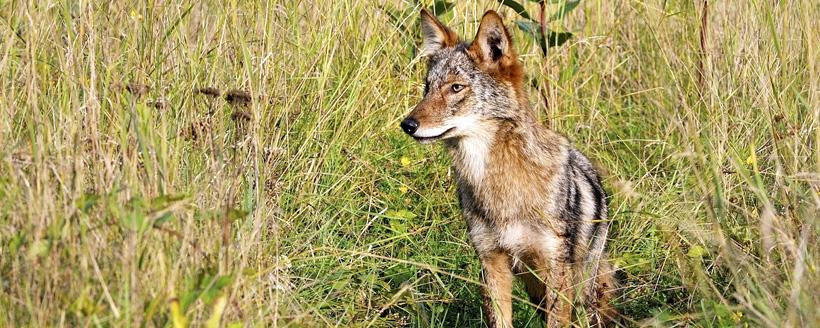
Coyotes are fascinating creatures that have adapted well to living near human habitats. Understanding their behavior helps you see why they might be drawn to certain areas, including places where bird feeders are present. Getting a clear picture of where they live and how they hunt can clarify whether bird feeders attract them.
Habitat And Diet
Coyotes are highly adaptable and can live in a variety of environments. They thrive in forests, grasslands, deserts, and even urban areas. This flexibility means they can find food and shelter almost anywhere.
Their diet is equally varied. Coyotes eat small mammals like rabbits and rodents, birds, insects, fruits, and sometimes human leftovers. If you leave bird feeders out, you may unintentionally add to their food options by attracting birds or small animals that coyotes prey on.
Nocturnal Vs. Diurnal Activity
Coyotes are mostly nocturnal, meaning they are active at night. However, they can be seen during the day, especially in areas where they feel safe or when food is scarce. This shift in activity can surprise you if you think coyotes only come out after dark.
Knowing their active times is useful if you want to protect your yard. If you put out bird feeders in the evening, you might be more likely to attract coyotes. Think about when you fill feeders or clean up spilled seeds to reduce unwanted visitors.
Attraction Factors For Coyotes
Coyotes are curious animals that explore areas with easy food and shelter. Bird feeders can create an environment that attracts them. Understanding what draws coyotes helps in managing their presence.
Food Sources Near Feeders
Bird feeders often spill seeds on the ground. This leftover food attracts rodents like mice and squirrels. These small animals are a food source for coyotes. The presence of rodents makes the area appealing to coyotes seeking an easy meal.
Sometimes, pet food or trash near feeders can add to the attraction. Coyotes are opportunistic and will eat almost anything. They watch for places where food is plentiful and easy to find.
Shelter And Hiding Spots
Coyotes like areas with good cover to hide and rest. Dense bushes, tall grass, and woodpiles near feeders offer protection. These spots help coyotes stay hidden from people and larger predators.
Such shelter close to food sources creates a safe habitat. Coyotes feel secure enough to stay and hunt nearby. This combination of food and shelter makes bird feeders hotspots for coyote activity.
Evidence Linking Bird Feeders To Coyotes
Bird feeders are a common sight in many neighborhoods, attracting a variety of wildlife. But could they also be drawing in predators like coyotes? Understanding the evidence linking bird feeders to coyote activity helps you make smarter choices for your yard and safety.
Scientific Studies And Reports
Research has shown that food sources in residential areas can influence coyote behavior. Some studies suggest that bird feeders, by attracting small mammals and birds, indirectly lure coyotes looking for an easy meal.
One study tracked coyote movement near urban bird feeders and found increased visits compared to areas without feeders. This indicates that feeders may create hotspots where coyotes hunt more frequently.
However, not all research agrees. Some reports highlight that coyotes are opportunistic and will explore any food source, with bird feeders being just one of many attractants.
Anecdotal Encounters
Many homeowners share stories of spotting coyotes near their bird feeders, especially during dawn or dusk. One neighbor noticed a rise in coyote sightings soon after putting up a feeder, suggesting a link between the two.
These encounters often involve coyotes stalking squirrels or rodents drawn by the feeder’s seeds. This creates a chain reaction where your bird feeder becomes an unintended invitation to predators.
Have you ever seen coyotes nearby and wondered if your feeder plays a role? Paying attention to these patterns in your area can help you decide if changes are needed to keep your yard safe.
Risks Of Coyotes Near Bird Feeders
Bird feeders can attract small animals that coyotes hunt. This increases the chance of coyotes coming near homes. Keeping feeders clean and away from bushes helps reduce coyote visits.
Bird feeders can do more than just attract birds. They might also draw coyotes to your yard. Coyotes are wild animals that can pose several risks. Understanding these risks is key to keeping your home and pets safe.Threats To Pets And Small Wildlife
Coyotes see small pets as prey. Cats and small dogs are especially at risk. Coyotes are skilled hunters. They can leap over fences with ease. Even a quick trip to the yard can be dangerous for pets. Wild animals like rabbits and squirrels also face danger. Coyotes can disrupt local wildlife populations. This can affect the balance of your local ecosystem.Human Safety Concerns
Coyotes usually avoid humans. But if they feel threatened, they might act aggressively. Feeding them can make them less afraid of people. They might return often, expecting food. This increases the chance of encounters with humans. Such encounters can be dangerous. Coyotes carry diseases like rabies. These can pose health risks to humans and pets. Being cautious is important to maintain safety in your area.Preventing Coyote Visits
Preventing coyote visits near your bird feeders is crucial for maintaining a safe environment for both wildlife and yourself. Coyotes are attracted to easy food sources, and bird feeders can unintentionally provide that. Taking a few smart steps can reduce the chances of these predators hanging around your yard.
Feeder Placement Tips
Place your bird feeders at least 10 feet away from dense bushes or areas where coyotes can hide. This gives you a clear view and discourages coyotes from stalking nearby. Elevate feeders on poles or hang them from trees at least 5 feet off the ground to make access harder for coyotes.
Consider positioning feeders closer to your house or in well-lit areas. Coyotes prefer dark, quiet spots to approach, so light and activity can keep them at bay. Have you noticed how animals behave differently in busy spots? Use that to your advantage.
Cleaning And Maintenance Practices
Keep the area under and around feeders clean by regularly sweeping up spilled seeds and husks. Leftover food on the ground is a strong lure for coyotes and other unwanted visitors. Set a schedule to clean at least once a week, or more often during high feeding seasons.
Check your feeders for damage or leaks that might spill food. Fixing these helps prevent accidental food drops that attract coyotes. Also, consider removing feeders during coyote mating season or when you notice increased coyote activity nearby.
Alternatives To Traditional Feeders
Bird feeders can sometimes attract unwanted wildlife like coyotes. To avoid this, consider alternatives to traditional feeders. These options keep birds safe while deterring predators. Explore different designs and methods to enjoy birdwatching without worrying about coyotes.
Coyote-resistant Designs
Choose feeders that are coyote-resistant. Elevated feeders are a smart choice. Place them on tall poles or hang from trees. This keeps them out of reach of coyotes. Secure feeders with sturdy materials like metal or thick wood. Also, look for feeders with baffles. Baffles prevent coyotes from climbing or reaching the feed.
Another option is using enclosed feeders. These feeders have wire cages around them. Small birds can access the seeds, but larger animals cannot. This design keeps coyotes and other large animals away. Some feeders have motion-activated lights or sounds. These scare off coyotes when they come too close.
Natural Bird Attractants
Use natural attractants to bring birds to your yard. Plant native flowers and shrubs. These provide food and shelter for birds. Native plants attract insects, which birds love to eat. You can also create a water source. A small birdbath or pond attracts birds. Moving water is especially appealing.
Offer birds natural food sources. Set out small piles of seeds or nuts on tree stumps or rocks. This mimics how birds find food in the wild. Avoid leaving large quantities out, which can attract coyotes. Regularly change the location of the food sources. This prevents coyotes from learning where to find them.
Credit: www.mass.gov
Frequently Asked Questions
Do Bird Feeders Attract Coyotes To My Yard?
Bird feeders can indirectly attract coyotes by drawing small animals and birds. Coyotes may follow prey attracted to feeders, increasing their presence near your yard.
How To Prevent Coyotes Near Bird Feeders?
Keep feeders clean and avoid spillage of seeds. Remove fallen seeds promptly and secure trash to reduce small animal activity that attracts coyotes.
Can Bird Feeders Increase Coyote Encounters?
Yes, feeders can raise coyote encounters by attracting prey animals. This creates a hunting opportunity, making coyotes more likely to visit your property.
Are Certain Bird Feeders Safer From Attracting Coyotes?
Feeders that minimize seed spillage and are elevated reduce ground access. This limits small animals, thereby decreasing coyote attraction in your yard.
Conclusion
Bird feeders can sometimes attract coyotes, but not always. Coyotes follow food sources and may visit your yard if they find easy meals. Keep feeders clean and avoid spilling seeds on the ground. Secure trash and pet food to reduce coyote visits.
Being aware helps protect your family and pets. Stay calm and know coyotes usually avoid people. Taking simple steps makes your yard safer for birds and neighbors. Watch and learn about local wildlife habits to live peacefully together.




