
Are you planning to bring your exotic birds with you on a trip from the US to Canada? It’s not as simple as packing your bags.
Traveling with birds involves strict rules and careful preparation. You need to know what paperwork is required, what health checks your birds must pass, and what to expect at the border. If you want a smooth journey for both you and your feathered friends, keep reading.
This guide will help you avoid common mistakes and make your trip stress-free.
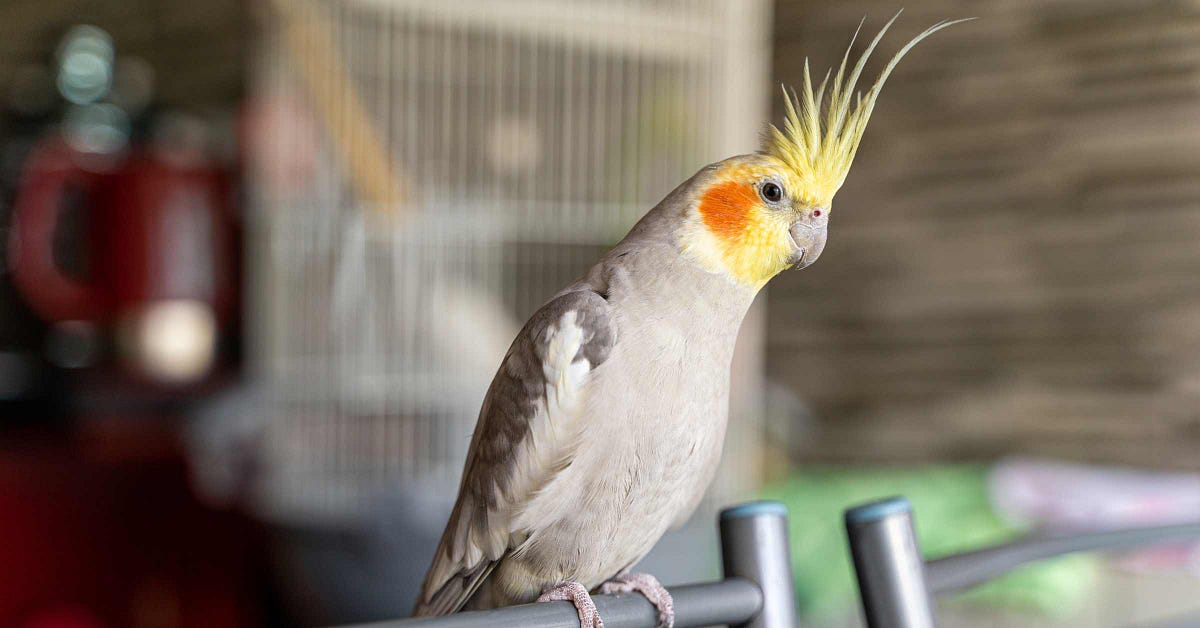
Credit: veronicahanson.medium.com
Travel Rules For Exotic Birds
Traveling with exotic birds from the US to Canada requires careful planning. Both countries have strict rules to protect wildlife and prevent diseases. Knowing these rules helps avoid delays and fines. Follow the guidelines to ensure a smooth journey for your feathered friend.
Us Export Regulations
The US government controls the export of exotic birds to protect species. You must get permits from the US Fish and Wildlife Service. These permits confirm your bird is legally owned and allowed to leave the country.
- Submit an export application before your travel date.
- Provide proof of ownership and health status.
- Ensure the bird is not on the endangered species list without special permission.
- Comply with the Convention on International Trade in Endangered Species (CITES) rules.
Check the latest rules on the US Fish and Wildlife Service website. Missing documents may cause your bird to be held or returned.
Canadian Import Requirements
Canada has strict rules to protect local wildlife and agriculture. You need to get import permits from the Canadian Food Inspection Agency (CFIA). A health certificate from a vet is also required.
- Birds must be free from diseases and parasites.
- Provide a veterinary health certificate issued within 10 days before entry.
- Declare your birds at the border for inspection.
- Follow quarantine rules if applicable.
Failure to meet these requirements can lead to quarantine or refusal of entry. Always check CFIA guidelines before traveling.
Required Documentation
Traveling from the US to Canada with exotic birds requires careful preparation of several key documents. These papers prove your birds are healthy, legally owned, and meet international regulations. Without them, your journey could face delays, fines, or even quarantine issues.
Health Certificates
You must obtain a health certificate from a licensed veterinarian before traveling. This document confirms your exotic birds are free from contagious diseases and fit to travel.
The certificate usually needs to be issued within 10 days before your departure. Canadian authorities may require additional tests, so check specific rules ahead of time.
Permits And Licenses
Different provinces in Canada may demand various permits for exotic birds. These can include import permits or special licenses for certain species.
Failing to secure these permits can result in your birds being denied entry or quarantined. Contact Canadian wildlife or agricultural departments to learn what applies to your bird species.
Cites Compliance
If your exotic bird is listed under the Convention on International Trade in Endangered Species (CITES), you must have proper permits. CITES documentation ensures that trading and transporting protected species is legal and ethical.
Obtaining CITES permits involves applying through government agencies and can take time. Have these documents ready to avoid last-minute problems at the border.
Quarantine And Inspection
Transporting exotic birds from the US to Canada requires careful attention to quarantine and inspection rules. These steps protect both your birds and the local environment. Understanding what happens when your birds arrive can help you prepare and avoid unexpected delays.
Arrival Procedures In Canada
When you bring exotic birds into Canada, you must declare them at the border immediately. Officials will ask for documentation such as health certificates and permits. Be ready to provide detailed information about your birds’ species and origin.
At the border, your birds may be held temporarily while their paperwork is reviewed. This step ensures compliance with Canadian wildlife regulations. Have all documents organized to speed up this process.
Quarantine Facilities
Canada requires exotic birds to undergo quarantine to prevent disease spread. These quarantine facilities are specially designed to monitor birds safely. The duration can vary but usually lasts from 30 to 90 days.
Quarantine isn’t just about isolation; it includes health checks and observation. You might wonder if your bird will be comfortable during this time. Facilities typically provide appropriate care, but it’s wise to ask about conditions in advance.
Inspection Process
Inspection involves thorough health assessments by veterinarians. Officials check for signs of illness and verify that birds meet import standards. This process helps protect native wildlife and agricultural industries.
Expect physical exams, blood tests, and sometimes additional screenings. If issues arise, you may face treatment requirements or extended quarantine. Preparing your birds with prior veterinary checks can reduce complications here.

Credit: veronicahanson.medium.com
Airline Policies
Airline policies play a crucial role when traveling with exotic birds from the US to Canada. Each airline has specific rules and conditions that you must follow to ensure a smooth journey for your feathered companion. Understanding these policies beforehand can save you from unexpected hassles at the airport.
Booking With Exotic Birds
Booking a flight with exotic birds requires early planning. Some airlines limit the number of animals allowed per flight, so securing your pet’s spot well in advance is essential.
Always inform the airline about your bird during booking. This helps them prepare the necessary accommodations and paperwork. Airlines might ask for health certificates or permits, so having these ready can speed up the process.
Carrier Requirements
Airlines have specific carrier requirements for exotic birds. The carrier must be sturdy, well-ventilated, and the right size to keep your bird comfortable and safe.
Make sure the carrier meets the airline’s dimensions and material guidelines. Some require carriers to be leak-proof and escape-proof. Your bird’s wellbeing depends on choosing the right carrier that fits these standards.
In-cabin Vs Cargo Transport
Deciding whether your exotic bird travels in-cabin or as cargo is a key choice. In-cabin travel lets you keep an eye on your bird, reducing stress for both of you. However, not all airlines permit birds in the cabin, especially larger species.
Cargo transport is an alternative but comes with risks like temperature changes and handling delays. Check the airline’s policies on temperature control and flight duration in cargo areas. Your bird’s safety depends on how well the airline manages these conditions.
Species Restrictions
Traveling with exotic birds from the US to Canada involves understanding strict species restrictions. These rules protect native wildlife and prevent the spread of diseases. Knowing which birds are allowed or banned can save you time and avoid legal trouble.
Prohibited Birds
Canada bans certain exotic birds to protect its ecosystem. Birds like the common mynah and certain parrots are often on the prohibited list. Bringing these birds into Canada can lead to confiscation or fines.
If you own a bird species that is prohibited, you must find alternative plans. Have you checked your bird’s status with Canadian authorities before your trip? Ignorance can cost you dearly.
- Common mynah (Acridotheres tristis)
- Rose-ringed parakeet (Psittacula krameri)
- Birds listed under the Wild Animal and Plant Protection and Regulation of International and Interprovincial Trade Act (WAPPRIITA)
Endangered Species Rules
Endangered and threatened birds face even tighter travel restrictions. Canada follows international agreements like CITES to regulate these species. You must have special permits to transport them across borders.
For example, if you own a rare macaw or cockatoo listed under CITES, prepare detailed documentation. The paperwork can be complicated, but skipping it risks the bird being held or returned. Are you ready to handle the paperwork and inspections required?
Always consult with wildlife officials before traveling. It’s better to verify your bird’s status and get permission than to face surprises at the border.
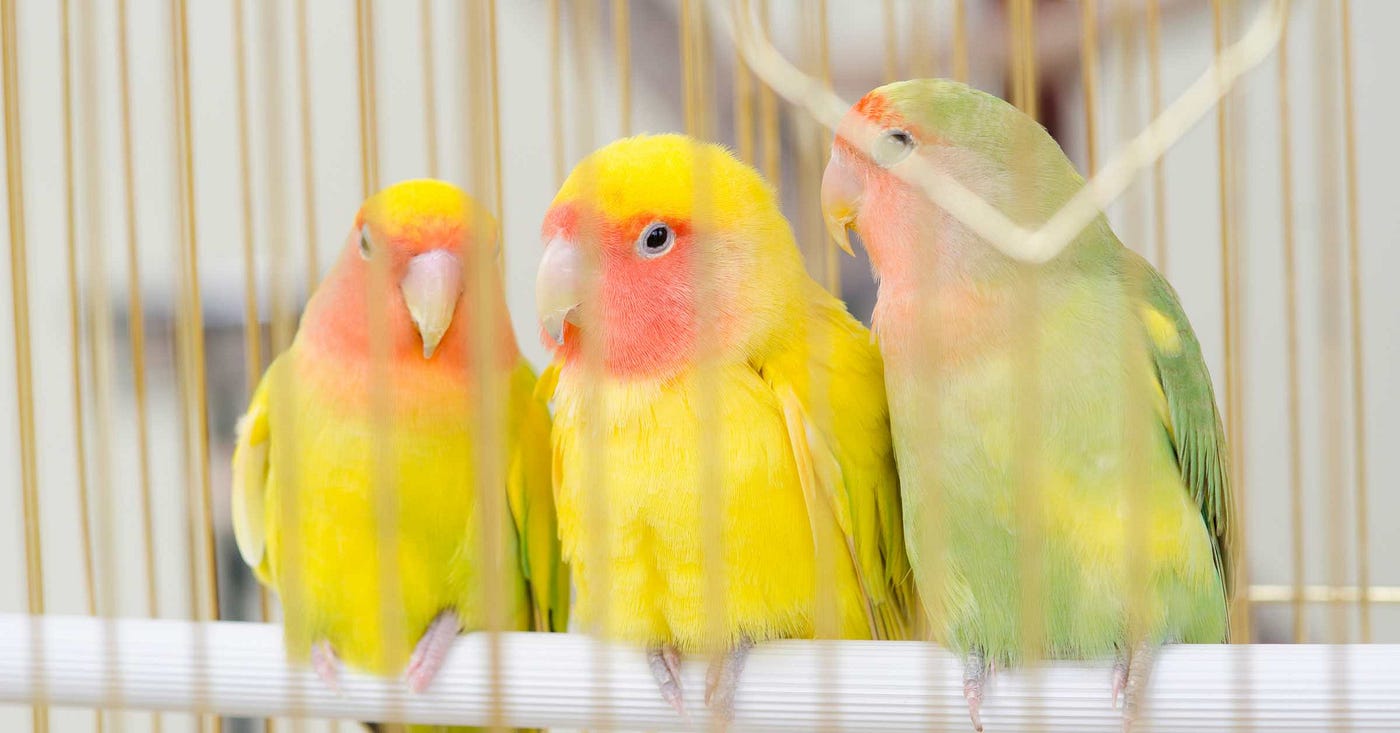
Credit: veronicahanson.medium.com
Tips For A Smooth Journey
Traveling with exotic birds from the US to Canada involves careful planning and understanding regulations. Ensure all permits are in order and check health requirements for a smooth journey.
Traveling with exotic birds from the US to Canada involves careful planning. Ensuring a smooth journey requires attention to your bird’s needs and legal requirements. Here are some tips to help make your trip stress-free and enjoyable.Preparing Your Bird For Travel
Prepare your bird for the journey by familiarizing it with the travel carrier. Let your bird spend time in the carrier daily. This reduces anxiety during travel. Check with a vet to ensure your bird is healthy for travel. Obtain necessary vaccinations and health certificates. Research the specific import regulations for birds entering Canada. Ensure all paperwork is complete and accurate.Packing Essentials
Pack enough food and water for the entire trip. Choose a sturdy, comfortable carrier with good ventilation. Include familiar toys and perches to keep your bird entertained. Bring cleaning supplies for quick clean-ups. Pack a first aid kit with bird-safe supplies.Handling Stress And Safety
Keep your bird calm by maintaining a consistent routine. Use a cover to reduce visual stress during transport. Ensure the carrier is secure during travel to prevent accidents. Monitor your bird for signs of stress or illness. Seek immediate help if your bird appears unwell. Keep noise levels low to avoid startling your bird.Frequently Asked Questions
Can I Bring Exotic Birds From The Us To Canada?
Yes, you can bring exotic birds, but you must follow Canadian import regulations. This includes permits and health certificates.
What Permits Are Needed For Exotic Birds Entering Canada?
You need an import permit from the Canadian Food Inspection Agency (CFIA). Health certificates and quarantine may also be required.
Are There Quarantine Rules For Exotic Birds Entering Canada?
Yes, exotic birds often require quarantine to prevent disease spread. The duration and conditions depend on the bird species.
How To Prepare Exotic Birds For Travel Between Us And Canada?
Prepare birds with proper health checks, vaccinations, and secure transport cages. Documentation must be complete and comply with both countries’ rules.
Conclusion
Traveling from the US to Canada with exotic birds needs careful planning. Follow the rules to avoid problems at the border. Make sure you have all the proper documents and health checks. Know the bird species allowed and any restrictions.
Preparing well helps keep your birds safe and happy. This makes your trip smooth and stress-free. Always check the latest rules before you travel. Safe travels with your feathered friends!




