
Have you ever noticed a bird’s nest on your house and wondered, “Can I remove it?” It’s a common question that many homeowners face. You might worry about damage, safety, or even the well-being of the birds.
But before you take any action, it’s important to understand what’s involved and what the law says. You’ll find clear answers and practical tips to help you decide the best way to handle a bird’s nest on your home. Keep reading—you’ll learn what you need to know to make the right choice for you and the birds.
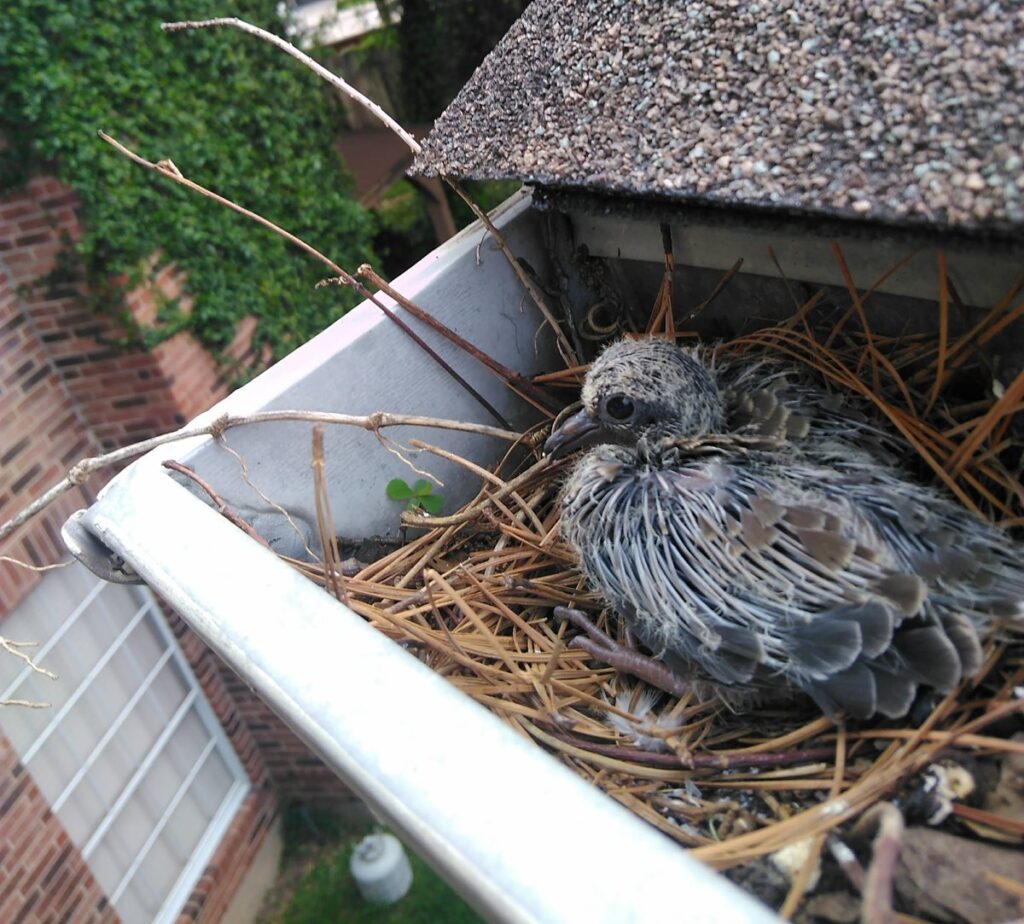
Credit: www.crittercontrol.com
Legal Rules On Bird Nest Removal
Removing a bird’s nest from your house isn’t as simple as it might seem. There are legal rules designed to protect birds and their habitats, which you must understand before taking any action. Ignoring these laws can lead to serious consequences, so knowing your rights and responsibilities is crucial.
Protected Species Laws
Many birds and their nests are protected by national wildlife laws. These laws often prohibit disturbing or removing nests, especially during the breeding season. If the nest belongs to a protected species, removing it without permission is illegal.
Have you checked if the birds nesting on your property are on a protected list? This information is usually available from wildlife or conservation agencies. It’s worth looking into before you touch the nest.
Local Regulations
Besides national laws, local governments may have additional rules about bird nest removal. These regulations can vary widely depending on your location. Some areas require permits or notify wildlife authorities before any nest removal.
Contact your local council or environmental office to confirm what rules apply to your property. Understanding local regulations helps you avoid fines and protects local wildlife effectively.
Penalties For Illegal Removal
Removing a bird’s nest illegally can lead to hefty fines and even criminal charges. Penalties vary but can include significant financial costs or community service. Some regions also impose penalties if the birds are harmed during the process.
Have you considered the risks involved if you remove a nest without checking the law? Taking a moment to follow the proper steps can save you from unexpected trouble.

Credit: www.reddit.com
When To Consider Removing A Nest
Knowing when to remove a bird’s nest from your house can be tricky. You want to respect wildlife, but you also need to protect your property and safety. Understanding the right moments to take action helps you make smart decisions that benefit both you and the birds.
Signs Of Damage Or Danger
Watch for signs that the nest is causing harm. If you notice structural damage, like holes or weakened parts of your home, it’s time to act. Nests built near vents or chimneys can block airflow, creating fire risks or poor ventilation.
Also, consider health concerns. Bird droppings can carry bacteria and fungi harmful to people. If you or your family experience allergic reactions or respiratory issues, removing the nest might be necessary.
Nesting Seasons To Avoid
Birds usually build nests during specific seasons, mostly spring and early summer. Removing nests during these periods can harm eggs or baby birds and may even be illegal in some areas. Always check local wildlife laws before taking action.
Waiting until the nesting season ends protects the birds and avoids legal trouble. You can usually remove abandoned nests safely in late summer or fall when birds have left.
Alternative Solutions
If removal isn’t an option, consider alternatives to manage the situation. Installing bird deterrents like spikes or netting can prevent new nests without harming birds. You might also create a birdhouse away from your home to encourage birds to nest elsewhere.
Sometimes, simple maintenance helps too. Sealing small openings and regularly cleaning gutters can make your home less inviting for nesting. What small changes could you make today to keep your home safe without disturbing wildlife?
Safe Removal Techniques
Removing a bird’s nest from your house requires care and attention to protect both the birds and yourself. Unsafe handling can harm the birds or lead to legal trouble since many birds are protected by law. Learning safe removal techniques ensures you respect wildlife while keeping your home safe and clean.
Tools And Equipment Needed
- Protective Gloves:Essential to avoid direct contact with birds or their droppings.
- Face Mask:Helps prevent inhaling dust or allergens from the nest.
- Soft Brush or Broom:Useful for gently dislodging the nest without causing damage.
- Trash Bag or Container:For safely transporting the nest away from your home.
- Ladder:If the nest is out of reach, ensure it’s stable and secure for safe access.
Step-by-step Removal Process
First, observe the nest for signs of activity. Are there adult birds flying in and out? If yes, removal must wait until the young have left to avoid distressing the birds.
Once the nest is inactive, wear your gloves and mask. Carefully use the brush or broom to loosen the nest, avoiding sudden movements that might scatter debris.
Place the nest gently into your trash bag or container. Clean the area thoroughly afterward to remove any leftover materials or droppings that might attract other birds.
Handling Eggs And Hatchlings
Handling eggs or hatchlings requires extra caution. Many species are protected, and moving or harming eggs is illegal in many regions.
If you find eggs or baby birds, contact a local wildlife rehabilitator or animal control for advice. They can safely relocate the nest or care for the young if necessary.
Consider whether removal is absolutely necessary when eggs or hatchlings are present. Could you wait until the family naturally leaves? This patience benefits both the birds and your conscience.

Credit: www.yahoo.com
Preventing Future Nests
Preventing future nests around your home takes a thoughtful approach. It’s not just about stopping birds from building where you don’t want them but also giving them better alternatives. This balance keeps your home safe and respects the birds’ natural habits.
Bird Deterrents
Simple bird deterrents can make a big difference. Reflective objects like old CDs or shiny tape scare birds away because they dislike the flashing light. You can also try bird spikes on ledges or roof edges to block potential nesting spots.
Have you noticed how some sounds keep birds at bay? Ultrasonic devices emit noises that humans can’t hear but birds find uncomfortable. However, these may not work for every species, so combining several deterrents often yields better results.
Home Maintenance Tips
Keeping your home in good shape helps prevent nests. Check for gaps, cracks, or openings under eaves, vents, or around windows and seal them tightly. Birds search for small, sheltered spaces, so removing easy access points is crucial.
Regularly clean gutters and clear debris from roof areas. Accumulated leaves and twigs invite birds to settle. Remember, maintenance isn’t a one-time job but an ongoing effort to stay ahead.
Creating Bird-friendly Spaces Elsewhere
Why not offer birds a safer spot away from your house? Setting up birdhouses or nesting boxes in your garden gives them a dedicated place to raise their young. This approach reduces the chance they’ll choose your roof or vents.
You might be surprised how much birds appreciate a well-placed birdbath or feeders nearby. These features encourage them to stay in those areas instead of your home. Have you thought about where birds naturally gather in your neighborhood and how you could enhance those spots?
When To Call Professionals
Removing a bird’s nest from your house may seem simple. Yet, certain situations need expert help. Professionals know how to handle nests safely. They protect both your home and the birds. Understanding when to call them is key to a safe removal.
Wildlife Control Services
Wildlife control experts specialize in safe bird nest removal. They have tools and knowledge to manage nests without harm. These services follow local laws protecting birds. Professionals also prevent future nesting in unwanted areas. Their experience reduces damage to your home during removal.
Cost Considerations
Hiring professionals involves costs but ensures safety. Prices vary depending on nest size and location. Complex jobs may require special equipment, raising costs. Think of expenses as an investment in your home’s protection. DIY attempts can cause damage, leading to higher repair costs.
Ensuring Humane Practices
Professionals follow humane methods for bird nest removal. They avoid harming birds and their young. Experts check for active nests before removal. Timing is important to prevent disturbing nesting birds. Humane practices also comply with wildlife protection laws.
Frequently Asked Questions
Can I Legally Remove A Bird’s Nest From My House?
Removing a bird’s nest may be illegal during breeding season. Check local wildlife laws before removal. Always avoid disturbing active nests with eggs or chicks to protect birds and comply with regulations.
When Is The Best Time To Remove A Bird’s Nest?
The best time is after the breeding season when nests are abandoned. This avoids harming birds or violating laws. Late summer or early fall is ideal for safe nest removal and cleanup.
How Can I Safely Remove A Bird’s Nest?
Wear gloves and use gentle tools to avoid damage. Remove the nest carefully and clean the area to discourage birds from returning. Ensure no active eggs or chicks are present before removal.
What Are The Risks Of Removing A Bird’s Nest?
Removing nests too early can harm birds and violate laws. Disturbing nests may cause birds to abandon eggs or chicks. Improper removal might lead to fines or damage to your home.
Conclusion
Removing a bird’s nest from your house needs care and respect. Birds protect their young, so act with kindness. Check local laws before you start any removal. Choose safe times when no eggs or chicks are inside. Use gentle methods to avoid harm or damage.
Sometimes, waiting for birds to leave naturally is best. Protect your home while helping nature. Taking the right steps keeps both you and the birds safe. Careful planning makes all the difference.




