
Imagine watching colorful birds visit your garden without leaving the comfort of your home. A bird feeder with a built-in camera lets you do just that.
You get to see every flutter, every chirp, and every detail up close. It’s not just about feeding birds—it’s about experiencing nature in a fresh, exciting way. If you want to bring the beauty of wildlife right to your fingertips, keep reading to discover how this clever device can change your outdoor moments forever.
Choosing The Right Feeder
Choosing the right bird feeder with a built-in camera is key for great birdwatching. The feeder must attract birds and keep the camera safe. It should offer clear views without scaring the birds. Consider the type, material, and design carefully. These factors affect your experience and the camera’s performance.
Types Of Bird Feeders
Feeders come in many types. Tube feeders hold small seeds and attract finches. Hopper feeders offer larger seed amounts and suit many bird types. Platform feeders are open and allow birds to perch freely. Suet feeders attract woodpeckers and insect-eaters. Pick a feeder type that fits your birdwatching goals and camera setup.
Materials And Durability
Materials affect feeder life and camera protection. Plastic feeders are light but may crack in cold weather. Metal feeders resist weather and animals better. Wood feeders blend into nature but need sealing to avoid rot. Choose a feeder with strong, weather-resistant materials for long-term use. Protecting the camera from rain and wind is essential.
Designs For Camera Integration
Some feeders have built-in camera mounts or compartments. These designs help hide the camera and reduce bird disturbance. Look for feeders with clear camera windows or adjustable angles. A feeder with easy camera access makes cleaning and battery changes simple. Designs that keep the camera steady prevent blurry images and videos.
:max_bytes(150000):strip_icc()/rsp-camera-bird-feeder-tout-e10ecdf22ae844f59ff550e8ede9c550.jpg)
Credit: www.realsimple.com
Camera Features To Look For
Choosing the right camera for your bird feeder can transform your backyard birdwatching experience. The camera’s features determine how clearly you see the birds, how quickly you catch their arrival, and how easily you can access the footage. Understanding what to look for helps you pick a camera that fits your needs and captures every beautiful moment.
Resolution And Image Quality
High resolution means sharper, clearer images that reveal every feather detail. Look for cameras offering at least 1080p Full HD—this is enough to see birds up close without pixelation. Some models even offer 4K, which is great if you want to zoom in on small birds without losing clarity.
Image quality also depends on the camera’s lens and sensor. A wide-angle lens captures more of your feeder area, while good color accuracy ensures birds appear natural. Would you rather watch blurry shapes or see the vibrant colors of a cardinal?
Motion Detection And Trigger Speed
Motion detection lets the camera start recording only when birds arrive, saving storage and battery life. But not all motion sensors react equally fast—some have a delay that might miss the first seconds of a bird’s visit. Aim for cameras with a trigger speed under one second to catch every moment.
Some advanced models allow you to set motion zones or adjust sensitivity, so you avoid false triggers from wind or passing cars. How often have you missed a perfect shot because the camera started recording too late?
Night Vision Capabilities
If you want to observe nocturnal birds or check your feeder after dark, night vision is essential. Infrared LEDs provide clear black-and-white images without disturbing wildlife. Some cameras offer color night vision, which can produce surprisingly detailed images in low light.
Consider the range of night vision too—how far can the camera see in the dark? This matters if your feeder is a bit away from the camera. Would you enjoy seeing owls or bats visiting your feeder at night?
Connectivity Options
How you access your footage matters a lot. Wi-Fi-enabled cameras let you stream live video to your phone or computer anytime, anywhere. Some models offer cloud storage, so you never lose a clip even if the camera gets damaged or stolen.
If your feeder is far from your home Wi-Fi, look for cameras with cellular or Bluetooth options. Also, check if the camera’s app is user-friendly—there’s nothing worse than a complicated setup or limited controls. Do you want instant access to your bird videos or prefer reviewing them later?
Installation Tips
Installing a bird feeder with a built-in camera needs careful planning. Proper setup helps capture clear images and videos. It also keeps birds safe and comfortable. Follow these tips to get the best results from your feeder and camera.
Optimal Placement For Wildlife
Choose a quiet spot where birds visit often. Place the feeder near trees or bushes for natural shelter. Avoid busy areas with lots of human activity. Keep it away from strong winds and direct sun. This protects birds and improves camera footage.
Mounting The Feeder And Camera
Use sturdy poles or branches for mounting. Make sure the camera faces the feeding area clearly. Adjust the angle to avoid glare and shadows. Secure cables or wires neatly to prevent damage. Double-check camera settings before final mounting.
Ensuring Stability And Safety
Fix the feeder firmly to stop shaking or swinging. Use weatherproof materials to protect the camera. Check for sharp edges or loose parts that could harm birds. Regularly inspect the setup for wear and tear. Stability keeps birds comfortable and footage steady.

Credit: www.amazon.com
Attracting Birds To Your Feeder
Attracting birds to your feeder with a built-in camera brings nature close to you. It lets you watch birds up close while capturing their beautiful moments. To enjoy this, focus on making your feeder inviting. Birds respond to food, safety, and comfort. These factors help increase visits and create great photo opportunities.
Choosing The Right Seeds
Different birds prefer different seeds. Select seeds based on the birds in your area.
- Black oil sunflower seeds attract many small birds.
- Millet is great for sparrows and doves.
- Nyjer seeds draw finches.
- Safflower seeds keep squirrels away and attract cardinals.
Use fresh seeds to keep birds coming back. Avoid moldy or old seeds that can harm birds.
Seasonal Feeding Strategies
Bird food needs change by season. Adjust your feeding to match their natural habits.
- In winter, offer high-energy seeds like sunflower and peanuts.
- Spring and summer birds enjoy suet and fruit pieces.
- Fall is good for offering mixed seeds as birds prepare for migration.
Keep water nearby during hot months. Birds need fresh water as much as food.
Creating A Bird-friendly Environment
Birds prefer safe places to eat and rest. Make your yard welcoming.
- Place feeders near bushes or trees for cover.
- Keep cats and predators away from the feeding area.
- Use multiple feeders to reduce crowding and stress.
- Clean feeders regularly to prevent disease.
Adding birdbaths and native plants helps attract more birds. They provide food and shelter naturally.
Capturing Stunning Wildlife Moments
Capturing stunning wildlife moments with a bird feeder that has a built-in camera offers a unique way to enjoy nature up close. This technology helps you observe birds without disturbing them. It reveals details of their behavior and beauty that often go unnoticed. Patience and understanding enhance the experience. A few simple tips improve your chances of getting amazing shots.
Timing And Patience
Wildlife photography requires waiting for the perfect moment. Birds visit feeders at different times of the day. Early morning and late afternoon are usually the best. These times offer soft, natural light that makes photos look great.
Stay quiet and still. Sudden movements scare birds away. Be ready to wait for long periods. Quiet patience often leads to the best shots.
Using Camera Settings Effectively
Adjusting your camera settings improves photo quality. Use a fast shutter speed to freeze bird movements. This prevents blurry images. Set a wide aperture to blur the background. It helps the bird stand out clearly.
Check the camera’s focus mode. Continuous focus tracks moving birds well. Use burst mode to take several photos quickly. It increases chances of capturing the perfect pose.
Common Bird Behavior To Anticipate
Knowing bird habits helps predict their actions. Birds often inspect feeders before eating. They may hop or look around nervously. Some birds stay longer while others visit briefly.
Watch for feeding patterns like pecking or drinking. Birds may preen their feathers or call out. These moments add life and interest to your photos.
Maintaining Your Feeder And Camera
Keep the feeder clean to prevent mold and keep birds healthy. Check the camera lens regularly for dirt or smudges to ensure clear pictures. Replace batteries or recharge as needed to keep the camera working well.
Maintaining your bird feeder with a built-in camera is essential. It ensures optimal performance and longevity. Regular upkeep will keep your feeder inviting for birds. It also ensures the camera captures clear, quality images.Cleaning And Hygiene
Bird feeders can get dirty quickly. Clean them regularly to prevent disease. Use warm water and mild soap. Rinse thoroughly to remove all soap. Let the feeder dry completely before refilling. This keeps the birds healthy and the camera lens clear.Battery And Power Management
Check the battery level frequently. Use high-quality batteries for longer life. Recharge or replace as needed. Consider solar-powered options if available. This ensures continuous operation without interruptions.Troubleshooting Common Issues
Sometimes, cameras face connectivity issues. Check your Wi-Fi signal strength. Ensure the camera is within range. Restart the camera if problems persist. Consult the manual for specific troubleshooting tips. Regular updates can also solve many issues.Sharing And Enjoying Your Photos
Capture close-up moments of birds visiting your feeder with the built-in camera. Easily share these beautiful photos with friends and family online. Enjoy watching and showing nature’s charm from your own home.
Sharing and enjoying photos from your bird feeder with a built-in camera can be a delightful experience. It allows you to capture moments and share them with friends and family. You can also connect with a broader community of bird enthusiasts. Here, we’ll explore some ways to enhance your bird photography and share it with the world.Editing Tips For Wildlife Photos
Editing your bird photos can enhance their beauty. Start with basic adjustments like brightness and contrast. Use cropping to focus on the bird, removing distractions. Adjust the sharpness to highlight details like feathers and eyes. Experiment with color balance for a natural look.Creating A Digital Gallery
A digital gallery is a great way to showcase your bird photos. Use online platforms or create a personal website. Organize photos by species or location for easy browsing. Add captions with interesting facts about each bird. This makes your gallery informative and engaging.Participating In Birdwatching Communities
Join birdwatching communities to share your passion. Participate in online forums and social media groups. Share your photos and get feedback from fellow enthusiasts. Engage in discussions about bird behavior and conservation. This can enhance your knowledge and appreciation for wildlife.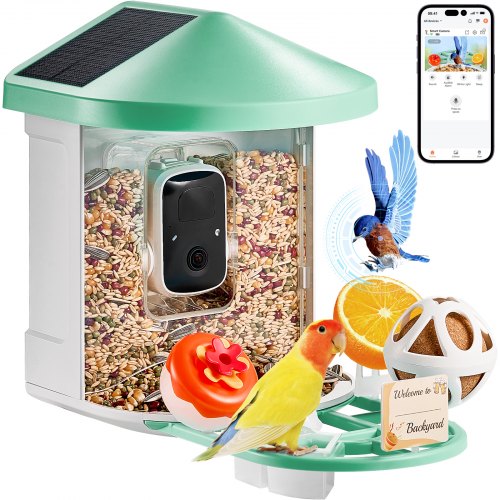
Credit: www.vevor.ca
Frequently Asked Questions
What Are The Benefits Of A Bird Feeder With A Camera?
A bird feeder with a camera lets you observe birds closely without disturbing them. It captures unique moments and helps identify species. You can enjoy birdwatching remotely and share photos easily. This enhances your outdoor experience and supports bird conservation efforts.
How Does A Bird Feeder Camera Work?
A bird feeder camera is usually motion-activated or continuously records. It connects to Wi-Fi or stores footage locally. When birds approach, the camera captures photos or videos. This technology allows real-time viewing on your phone or computer, providing an interactive birdwatching experience.
Are Bird Feeder Cameras Easy To Install?
Yes, most bird feeder cameras are designed for simple installation. They often come with mounting kits and clear instructions. You just attach the feeder, connect the camera, and set up the app. Minimal tools and effort are required for setup.
Can Bird Feeder Cameras Record At Night?
Many bird feeder cameras have night vision or infrared capabilities. This allows clear recording in low light or darkness. Nighttime footage reveals nocturnal bird activity or other wildlife near the feeder. Check camera specs to ensure night recording features.
Conclusion
A bird feeder with a built-in camera brings nature closer to you. Watch birds feed and behave without disturbing them. Capture clear, live moments right from your home. It adds fun and learning to your daily routine. Easy to use and enjoyable for all ages.
A simple way to connect with wildlife every day. Try one and see the birds up close. Enjoy peaceful moments and stunning bird views anytime.




