
Have you ever wondered where exotic birds really live? These colorful and fascinating creatures don’t just appear in your favorite movies or books—they have unique homes all around the world.
Knowing where they thrive can surprise you and spark a deeper connection to nature. If you’re curious about the places these beautiful birds call home, keep reading. You’re about to discover secrets that will change the way you see exotic birds forever.
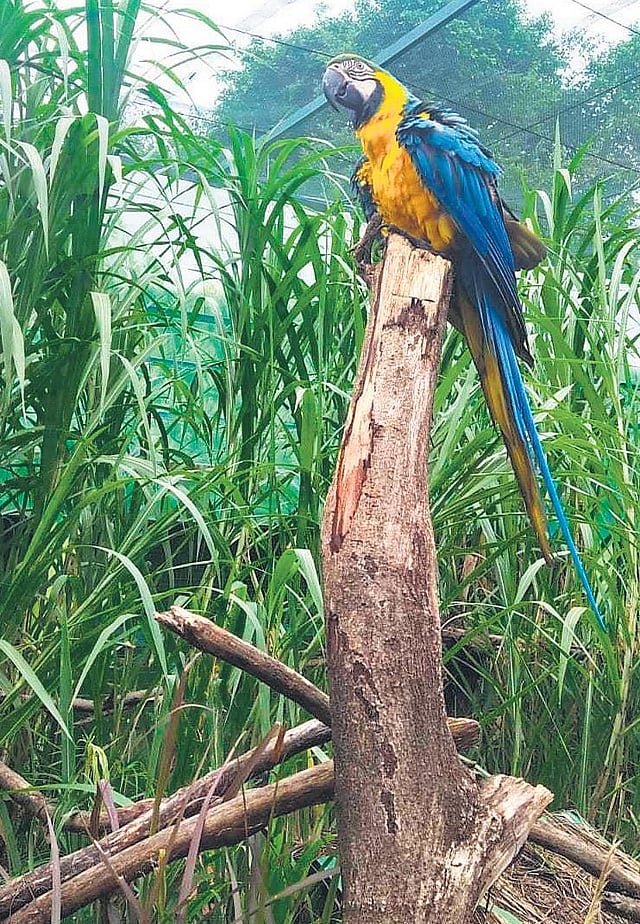
Credit: www.newindianexpress.com
Tropical Rainforests
Tropical rainforests are some of the most vibrant and diverse ecosystems on Earth. These lush forests provide a perfect home for many exotic birds, offering everything from food to shelter. Understanding where these birds live within the rainforest helps you appreciate their unique adaptations and behaviors.
Canopy Dwellers
The upper layer of the rainforest, called the canopy, is home to many exotic birds. This dense layer of leaves and branches acts like a bustling city in the sky. Birds like toucans, parrots, and hornbills thrive here, using the abundant fruits and insects as their main food sources.
Have you ever noticed how colorful and loud these birds are? Their bright feathers help them attract mates, while their calls carry through the thick canopy. Spending time in this layer reveals a lively world full of activity and vibrant life.
Forest Floor Inhabitants
Not all exotic birds stay high above; some prefer the dim, quiet forest floor. Birds such as the great argus and certain pheasants walk among the leaf litter, searching for insects and seeds. Their muted colors help them blend into the shadows, protecting them from predators.
Do you think you could spot one walking silently in the undergrowth? These birds are masters of camouflage, making the forest floor a fascinating place to observe their survival skills. Their presence adds depth to the rainforest’s complex ecosystem.
Climate And Vegetation
The tropical rainforest climate is warm and humid, with frequent rainfall that keeps the environment lush. This climate supports a wide variety of plants, from towering trees to delicate orchids. The dense vegetation creates many layers where birds can find food and build nests.
How does this climate influence the behavior of exotic birds? Birds have adapted to handle heavy rains and intense heat by seeking shelter in thick foliage or being active during cooler parts of the day. Understanding this helps you predict where and when to spot these amazing creatures.
Savannas And Grasslands
Savannas and grasslands stretch across vast regions of the world. These areas are known for their wide-open spaces and grassy plains. Exotic birds thrive in these environments due to the unique combination of trees, grass, and climate.
The mix of open land and scattered trees creates a special habitat. Birds find places to nest, hunt, and hide from predators. The changing seasons also affect how birds live and survive here.
Open Spaces And Scattered Trees
Savannas have large open areas covered mostly with grass. Few trees grow here, but they are spread out across the land. Exotic birds use these trees for nesting and resting.
The open spaces allow birds to spot food easily. Some birds hunt insects or small animals in the grass. Others eat seeds and fruits from the trees.
Seasonal Changes
Savannas experience wet and dry seasons. Rainfall varies a lot between these times. During the wet season, plants grow quickly and food is abundant.
In the dry season, food becomes scarce. Birds must adapt to survive with less water and fewer plants. Some birds migrate to other areas during this time.
Bird Adaptations
Exotic birds in savannas have special traits to live well. Many have strong legs for running or long wings for flying long distances. Some have sharp beaks to catch insects or crack seeds.
These birds often build nests in trees or tall grasses. Their colors help them blend into the environment. This protection keeps them safe from predators.
Mangroves And Coastal Areas
Mangroves and coastal areas form unique habitats that support a variety of exotic birds. These regions sit where land meets sea, creating a dynamic environment full of life. Understanding how birds thrive here helps you appreciate the delicate balance of nature in these zones.
Salt-tolerant Vegetation
Mangroves are known for their ability to survive in salty water. The trees have special roots that filter out salt and provide sturdy perches for birds. You might notice how these plants create dense, green thickets that offer shelter and food.
Birds like the Mangrove Warbler rely on this vegetation for nesting. The salt-tolerant plants also attract insects and small fish, forming a rich food chain. Have you ever seen a bird skillfully hunting among mangrove roots?
Tidal Influences
Tides play a major role in shaping the life around mangroves. Rising and falling water levels bring nutrients and fish closer to the shore. This movement creates feeding opportunities for birds that adapt to changing conditions.
Herons and kingfishers often take advantage of low tides to hunt in shallow pools. The constant shift challenges birds to be quick and smart. How do you think these birds time their activities to match the tides?
Bird Species Diversity
Coastal and mangrove areas support a wide range of exotic bird species. You can find colorful kingfishers, elegant egrets, and noisy parrots all in one place. This diversity results from the variety of food and nesting spots available.
Each bird has unique habits suited to this environment. Some forage in water, others build nests high in the trees. When you visit these areas, pay attention to the different calls and behaviors—you’ll uncover a hidden world of fascinating interactions.

Credit: www.freeflightbirds.org
Mountain Regions
Mountain regions offer a unique home for many exotic birds. These areas have cool climates and varied landscapes. Birds adapt to the changing conditions found at different heights. The mix of forests, cliffs, and open spaces creates rich habitats. Each mountain range supports distinct species that are often hard to find elsewhere.
Altitude Effects
Altitude changes temperature and oxygen levels. Birds living higher up face colder weather and thinner air. Many species develop special feathers to keep warm. Some have stronger lungs to breathe well at high altitudes. These adaptations help them survive where few animals can.
Forest Types
Mountain forests vary by height and weather. Lower slopes may have tropical or temperate forests. Higher areas often contain pine, fir, or spruce trees. These forests provide food, shelter, and nesting sites. Birds choose forests that match their needs and habits.
Unique Bird Species
Mountain regions host rare and colorful birds. Some species are found only in specific mountain ranges. Examples include:
- The Resplendent Quetzal in Central America’s cloud forests.
- The Himalayan Monal, known for its shiny feathers.
- The Andean Cock-of-the-rock, famous for bright orange plumage.
These birds attract bird watchers and nature lovers worldwide. Their unique traits show how life adapts in mountain habitats.
Desert Oases
Desert oases are rare green spots in vast dry lands. These small areas hold water and life. They offer shelter and food for many exotic birds. Birds in deserts depend on oases to survive. These places create a unique habitat different from the harsh desert around them.
Water Sources
Oases have natural springs or underground water. Rainwater may collect in small ponds or lakes. This water is vital for birds to drink and bathe. Some oases have man-made wells or canals. Water attracts insects and plants, which birds also need.
Survival Strategies
Birds in desert oases have special ways to live. They may rest during the hottest hours to save energy. Some birds get water from morning dew or food moisture. Many have feathers that reflect sunlight. They build nests in shaded areas or near water.
Rare Bird Habitats
Desert oases are homes to rare exotic birds. These birds often cannot live anywhere else. Examples include the Egyptian vulture and the sandgrouse. Oases provide food, water, and breeding places. Protecting these habitats helps save rare bird species.

Credit: birdsnways.com
Islands And Archipelagos
Exotic birds find their paradise on vibrant islands and sprawling archipelagos. These lush environments offer ideal habitats. Dense forests and rich ecosystems provide food and shelter. Unique species thrive in these secluded locations.
Islands and archipelagos are magical places where exotic birds find some of their most unique habitats. These isolated lands offer a sanctuary for bird species, often untouched by the hustle and bustle of the mainland. The isolation of these islands provides a unique setting for evolution and diversity to flourish, making them a paradise for bird watchers and nature enthusiasts.Isolation And Evolution
Islands provide a perfect laboratory for evolution. The isolation limits predators and competitors, allowing exotic birds to adapt uniquely to their environments. On the Galápagos Islands, for instance, you can witness how finches have evolved different beak shapes to exploit various food sources. Have you ever thought about how isolation could lead to such fascinating diversity?Habitat Variety
The range of habitats on islands and archipelagos is astonishing. From lush rainforests to arid landscapes, each offers a different living condition for birds. The Hawaiian Islands, with their diverse climates, support everything from vibrant honeycreepers in the forests to seabirds along the coastlines. This variety ensures that multiple bird species can coexist, each adapted to its niche.Endemic Bird Species
Many islands boast bird species that are found nowhere else on Earth. These endemic species have evolved over thousands of years, often adapting to specific island conditions. The Madagascar Pochard, thought extinct until recently, is a perfect example of an endemic species that has adapted to its unique environment. Have you ever spotted an endemic bird and realized it could only be seen in one place on Earth? Islands and archipelagos offer a glimpse into the wonders of evolution and biodiversity. Next time you visit one, take a moment to appreciate the unique bird species that call it home. What stories do these birds tell about the ancient history of their lands?Frequently Asked Questions
Where Do Exotic Birds Naturally Live?
Exotic birds live in diverse habitats worldwide. They thrive in tropical rainforests, deserts, wetlands, and mountainous regions, depending on species. These environments provide food, shelter, and breeding grounds crucial for their survival and well-being.
Which Continents Have The Most Exotic Bird Species?
South America, Africa, and Asia host the most exotic bird species. These continents offer rich biodiversity and varied climates, supporting numerous unique bird populations. Tropical rainforests and savannas are key habitats for these exotic birds.
Can Exotic Birds Live Outside Their Natural Habitats?
Some exotic birds adapt well to new environments if conditions mimic their natural habitat. However, many struggle due to climate differences, food scarcity, or predators. Proper care and habitat simulation are essential for their survival outside native areas.
What Type Of Climate Do Exotic Birds Prefer?
Most exotic birds prefer warm, humid climates typical of tropical and subtropical regions. These climates provide abundant food and nesting sites. However, some species thrive in cooler or arid zones, reflecting their diverse natural habitats.
Conclusion
Exotic birds live in many different places worldwide. Some prefer warm, tropical forests full of tall trees. Others make homes in deserts or mountain areas. These birds adapt to their surroundings to find food and shelter. Understanding where exotic birds live helps us protect their habitats.
It also lets us enjoy their beauty and unique behaviors. Each bird species has its own special place on Earth. Nature’s variety is amazing and worth caring for every day.




