
Have you ever wondered where exotic birds make their homes? These vibrant creatures don’t just live anywhere—they thrive in some of the most fascinating places on Earth.
Knowing where exotic birds live can unlock a whole new world of color, sound, and wonder right outside your door or on your next adventure. If you want to discover the secrets behind their habitats and why these places matter, keep reading.
Your curiosity is about to take flight!
Tropical Rainforests
Tropical rainforests are some of the most vibrant and life-filled places on Earth. They provide a perfect home for many exotic birds, offering shelter, food, and breeding grounds. If you ever walk through one, you’ll notice layers of green, alive with the sounds of colorful birds.
Dense Canopies And Biodiversity
The dense canopy of tropical rainforests creates a rich environment for birds. These layers of leaves and branches offer protection from predators and harsh weather. You’ll find birds living at different levels—from the forest floor to the treetops—each adapted to its unique space.
This diversity means you can see a huge variety of bird species in a small area. The constant availability of fruits, insects, and nectar keeps their diets varied and interesting. Have you ever wondered how many bird species share your local park compared to a tropical rainforest?
Famous Exotic Bird Species
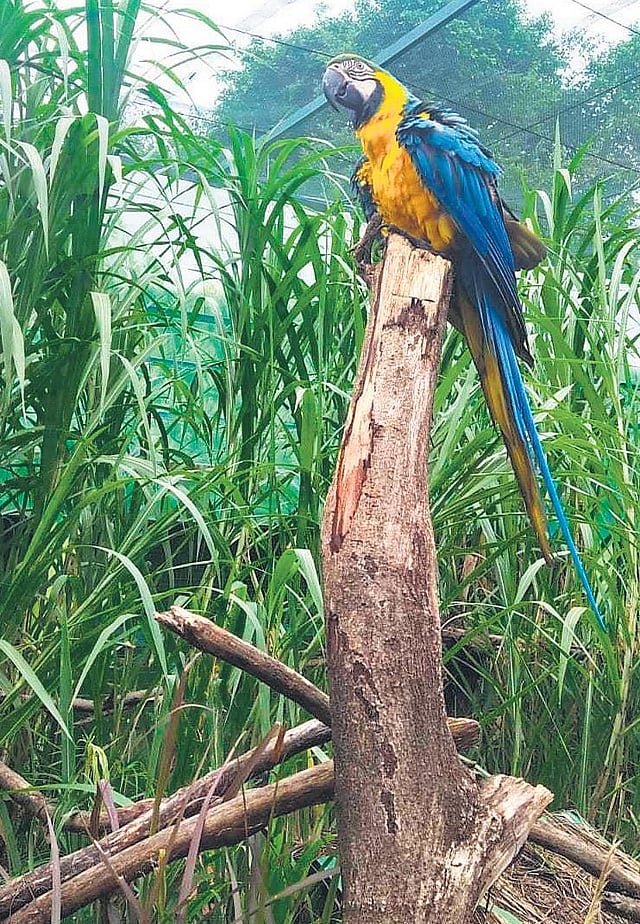
Many exotic birds are famous for their stunning colors and calls. The scarlet macaw, with its bright red, yellow, and blue feathers, is one of the most recognizable rainforest residents. The toucan, known for its enormous, colorful beak, uses it to reach fruits other birds can’t.
Other notable species include the resplendent quetzal, a symbol of freedom and beauty in Central America. Spotting one in the wild feels like a rare gift, showing just how special these rainforests really are. What exotic bird would you be most excited to see in its natural home?
Adaptations To Rainforest Life
Exotic birds have developed unique adaptations to thrive in the rainforest environment. Many have strong, curved beaks designed to crack nuts or reach deep into flowers for nectar. Others have vivid colors that help them blend with fruits or flowers, avoiding predators.
Strong feet allow them to grip branches tightly in the dense forest. Some birds even mimic sounds to communicate or confuse threats. How do you think these adaptations would help if you lived in the rainforest?
Credit: www.newindianexpress.com
Savannas And Grasslands
Savannas and grasslands are vast, open areas where tall grasses dominate the landscape. These environments are home to many exotic birds that have adapted to life in wide, sunny spaces with scattered trees. Understanding where these birds live helps you appreciate their unique behaviors and survival strategies.
Wide Open Spaces And Climate
The wide open spaces of savannas and grasslands provide birds with excellent visibility to spot predators and prey. The climate is usually warm with distinct wet and dry seasons, influencing the availability of food and water. Birds here have adapted to handle temperature swings and often rely on the seasonal rains to thrive.
Birds Thriving In Grasslands
Many birds have made grasslands their home, such as the Secretary Bird, known for hunting snakes on foot. The Lilac-breasted Roller dazzles with its bright colors, easily seen against the green and gold backdrop. You might also spot the Kori Bustard, one of the heaviest flying birds, walking gracefully through the tall grasses.
Seasonal Migrations
Seasonal migrations are common among grassland birds, allowing them to follow food and water resources throughout the year. Some species travel hundreds of miles to find the best breeding or feeding grounds. Have you ever wondered how these birds navigate such long distances without getting lost?
Wetlands And Mangroves
Wetlands and mangroves form vital habitats for many exotic bird species. These areas combine water and land, creating rich environments full of life. They support a variety of plants and animals, making them essential for bird survival. Birds thrive here due to the abundant food and shelter available in these unique landscapes.
Unique Ecosystems
Wetlands and mangroves are special ecosystems found near coastlines and rivers. Mangroves are forests with trees that grow in salty water. Wetlands include marshes, swamps, and bogs with fresh or brackish water. These areas provide diverse habitats, with dense vegetation and shallow waters. The environment supports many bird species by offering nesting sites and protection.
Birds Dependent On Water
Many exotic birds rely on wetlands and mangroves for food and shelter. Wading birds like herons and egrets hunt fish and small animals in shallow waters. Kingfishers and ospreys dive to catch fish from rivers and bays. Some birds build nests in mangrove trees, safe from predators. These water-dependent birds depend on clean, healthy wetlands to survive.
Conservation Challenges
Wetlands and mangroves face threats from human activities. Pollution, land development, and climate change damage these habitats. Loss of wetlands means fewer places for birds to live and feed. Conservation efforts aim to protect and restore these areas. Maintaining wetlands helps preserve exotic bird populations and biodiversity.

Credit: www.newindianexpress.com
Mountain Regions
Mountain regions are home to many exotic birds. These areas offer unique environments with cooler temperatures and rugged landscapes. Birds here adapt to the challenges of steep slopes and thin air. The diversity in mountain habitats supports various species not found elsewhere.
High Altitude Habitats
Mountain birds live at heights above 2,000 meters. These habitats include alpine meadows, rocky cliffs, and dense forests. Weather changes fast, with cold winds and snow common. Plants and insects vary with elevation, affecting bird diets. Some birds nest on cliff edges for safety. Others find shelter in tall trees or shrubs.
Specialized Bird Species
Several exotic birds thrive only in mountains. The Andean cock-of-the-rock shows bright colors to attract mates. Himalayan monals have shiny feathers and live in alpine zones. Some mountain birds have strong claws for gripping rocks. Others have thick feathers to keep warm. These birds often have loud calls to communicate across valleys.
Survival Strategies
- Fluffing feathers to trap heat during cold nights
- Feeding on mountain plants, seeds, and insects
- Building nests in hidden or high places to avoid predators
- Migrating short distances to lower altitudes in winter
- Using sharp eyesight to spot food and danger from afar
These strategies help exotic birds survive harsh mountain climates. Their lives depend on adapting to limited food and tough weather. Mountain regions remain vital refuges for these special birds.
Deserts And Arid Zones
Deserts and arid zones host some of the most fascinating exotic birds. These regions have very little water and extreme temperatures. Birds living here show remarkable survival skills. They thrive where many animals cannot.
Harsh Living Conditions
Deserts have high daytime heat and cold nights. Rainfall is rare and often unpredictable. Food sources can be scarce and spread out. Birds face strong winds and dry air. These challenges shape their behavior and bodies.
Birds Adapted To Dry Climates
Some birds have special features to survive desert life. Many have light-colored feathers to reflect sunlight. Strong legs help them walk on hot sand. Sharp eyesight helps spot food from far away. Many are active during cooler parts of the day.
Water Conservation Techniques
Water is precious in deserts. Birds reduce water loss by producing very dry droppings. Some get water from the food they eat, like insects and plants. They often rest in the shade to avoid sweating. Their bodies are made to save every drop of water.
Urban Areas And Gardens
Exotic birds often live in urban gardens where trees and plants provide food and shelter. These green spaces offer safe spots for nesting and resting amid the city noise. Urban areas with diverse plants attract many colorful and rare bird species.
Urban areas and gardens have become unexpected havens for exotic birds. Cities offer diverse habitats for these vibrant creatures. Urban landscapes, with their mix of nature and architecture, attract different bird species. Gardens, parks, and green rooftops provide food and shelter. Exotic birds find new homes in bustling city environments.Exotic Birds In Cities
Brightly colored parrots and other exotic birds thrive in urban settings. These birds adapt to the noise and concrete. Many cities report sightings of these unique species. They perch on buildings and forage in gardens. Exotic birds bring color and life to city skylines.Impact Of Urbanization
Urbanization affects bird populations and their habitats. Expansion reduces natural spaces for birds. Yet, some species adapt and flourish in cities. This shift impacts local ecosystems. It changes food sources and nesting sites. Understanding this impact helps protect these beautiful creatures.Creating Bird-friendly Spaces
Gardens can become safe havens for exotic birds. Plant native trees and shrubs to provide food and shelter. Install bird baths and feeders in open spaces. Avoid using pesticides that harm birds. Encourage local community efforts to create green spaces. These steps attract and support urban bird populations.Threats To Exotic Bird Habitats
Exotic birds, with their vibrant plumage and captivating songs, are a marvel of nature. However, their habitats face significant threats that endanger their survival. Understanding these threats can help us take meaningful action to protect these stunning creatures.
Deforestation And Habitat Loss
Forests are the primary home for many exotic birds. Sadly, deforestation for agriculture and urban development is stripping away these vital habitats. Imagine losing your home overnight—this is what exotic birds face daily.
Illegal logging further compounds the problem, especially in tropical regions. Birds such as the Scarlet Macaw and the Resplendent Quetzal suffer as trees fall. How can we ensure these species have a place to call home?
Climate Change Effects
Climate change is not just a buzzword; it’s a reality affecting bird habitats. Rising temperatures and altered weather patterns disrupt nesting and feeding. You may notice how seasons seem to shift unpredictably—birds experience this too.
Species like the Emperor Penguin are particularly vulnerable, as melting ice impacts their breeding grounds. Have you considered how your carbon footprint might be affecting these majestic creatures?
Human Activities And Pollution
Everyday human activities contribute to the degradation of bird habitats. Pollution from plastics, chemicals, and waste invades pristine environments. Picture a once-clear river now choked with garbage—that’s the reality for many birds.
Noise pollution from urban areas also affects birds’ communication and mating calls. As you go about your day, think about how your actions might ripple through the natural world. What small changes can you make to protect these vibrant avian wonders?
Credit: www.freeflightbirds.org
Protecting Exotic Bird Homes
Protecting the natural homes of exotic birds is essential to ensure their survival and well-being. These birds depend on specific environments to thrive, and habitat loss threatens their existence. Understanding how conservation works and how you can contribute makes a big difference.
Conservation Efforts Worldwide
Many organizations focus on saving exotic bird habitats by creating protected areas and restoring damaged ecosystems. Projects in the Amazon rainforest and Southeast Asia have shown promising results by combining science and local knowledge.
Some efforts include:
- Establishing wildlife reserves
- Reforesting deforested areas
- Monitoring bird populations through tracking technology
These actions help maintain the delicate balance needed for exotic birds to survive. Could supporting these initiatives be your way to make a real impact?
Community Involvement
Local communities play a vital role in protecting bird habitats. Their daily choices, such as sustainable farming or eco-tourism, help preserve the environment.
For example, in Costa Rica, villagers protect nesting sites while benefiting economically from bird-watching tourism. This creates a win-win situation for both people and wildlife.
When communities take ownership of conservation, the results often last longer. How might your community support local wildlife habitats?
How You Can Help
Your actions matter, no matter where you live. Supporting conservation groups, planting native trees, or even sharing information online can contribute to protecting exotic bird homes.
Simple steps include:
- Donating to reputable conservation organizations
- Choosing sustainable products that do not harm habitats
- Participating in local clean-up or tree-planting events
Each small effort adds up to create a safer world for exotic birds. What’s one action you can take today to protect their homes?
Frequently Asked Questions
Where Are Exotic Birds Commonly Found In The Wild?
Exotic birds mostly inhabit tropical rainforests, savannas, and islands. These environments offer rich food sources and shelter. Countries like Brazil, Indonesia, and Madagascar are known for diverse exotic bird populations.
What Climates Do Exotic Birds Prefer To Live In?
Exotic birds thrive in warm, humid climates with abundant vegetation. Tropical and subtropical regions provide ideal conditions for their survival and reproduction. Many exotic species cannot adapt to cold or dry environments.
Can Exotic Birds Live Outside Their Natural Habitats?
Some exotic birds adapt to urban or suburban areas if food and shelter exist. However, most prefer native habitats for optimal health and breeding. Captive environments need to mimic natural conditions closely.
Why Do Exotic Birds Live On Islands And Remote Places?
Islands offer fewer predators and less competition, helping exotic birds thrive. Isolation promotes unique species evolution and biodiversity. Many exotic birds have evolved specialized traits suited to island life.
Conclusion
Exotic birds live in many places around the world. They prefer warm forests, wetlands, and islands. These birds find food and shelter in their homes. Protecting their habitats helps keep these birds safe. Exploring where they live shows nature’s beauty and variety.
We can enjoy learning about their colorful lives. Their homes remind us to care for the environment. Every bird has a special place to call home. Understanding this helps us appreciate exotic birds more.




