
Is your feathered friend acting differently lately? You might wonder if their health issues are just part of getting older.
Knowing whether your bird’s problems are age-related can help you take the right steps to keep them comfortable and happy. You’ll discover simple ways to spot the signs of aging in your bird and understand when it’s time to seek extra care.
Keep reading to learn how to tell if your bird’s health changes are normal or something more serious. Your bird depends on you, and understanding these clues can make all the difference.
Credit: lafeber.com
Common Bird Health Issues
Birds can face many health problems as they grow older. Understanding these issues helps you care for them better.
Some health signs point to illness. Others show natural aging. Knowing the difference is important for their well-being.
Signs Of Illness In Birds
Sick birds often act differently than usual. Watch for these common signs to spot illness early.
- Loss of appetite or weight
- Fluffed-up feathers for long periods
- Changes in droppings color or consistency
- Reduced activity or unusual tiredness
- Labored breathing or wheezing sounds
- Discharge from eyes or nostrils
- Swelling or lumps on the body
Age-related Health Problems
Older birds can develop health problems linked to aging. These issues may need special care and attention.
| Health Problem | Common Signs | Care Tips |
| Arthritis | Stiff joints, less movement | Soft perches, gentle handling |
| Vision Loss | Bumping into objects, less flight | Keep cage safe, avoid rearranging |
| Feather Changes | Dull or broken feathers | Good diet, regular grooming |
| Weaker Immune System | More infections, slow healing | Regular vet check-ups, clean environment |
| Weight Changes | Unexpected gain or loss | Balanced diet, monitor closely |
Credit: projectupland.com
Age And Bird Behavior
Birds show changes in behavior as they grow older. Watching these changes helps understand their health. Age affects how active birds are and what they eat.
Noticing shifts in activity and feeding habits can tell if health issues come from aging. This guide looks at key signs to watch for.
Changes In Activity Levels
Older birds often move less and rest more than younger ones. This drop in activity can be normal but may also signal health problems.
- Less flying or hopping around the cage
- More time spent sleeping or sitting quietly
- Slow response to sounds or movements
- Reduced interest in playing with toys
These signs can show age-related changes or illness. If activity drops suddenly, a vet visit is important.
Feeding Habits Over Time
As birds age, their eating habits may change. They might eat less or prefer softer foods. Watching these changes helps spot health issues.
| Feeding Change | Possible Cause |
| Eating less food | Age-related dental or beak problems |
| Preferring soft foods | Difficulty chewing hard seeds |
| Ignoring favorite treats | Loss of appetite due to illness |
| Eating faster or slower | Changes in metabolism or pain |
Tracking feeding habits along with activity gives a clearer picture of bird health. Age can cause changes, but sudden shifts need care.
Veterinary Insights
Birds often show health changes as they grow older. It can be hard to tell if problems are due to age or illness.
Veterinarians use special knowledge to find out if health issues relate to aging. This helps in giving the right care.
Diagnostic Techniques
Vets use tests to check bird health and spot age-related changes. These tests show if illness causes symptoms or if they are normal aging signs.
Common tools include physical exams, blood tests, and X-rays. These help find problems inside the body that are not easy to see.
- Physical exam to check feathers, eyes, and weight
- Blood tests to measure organ function and infections
- X-rays to look at bones and internal organs
- Behavioral assessments to track changes in activity or eating
When To Seek Professional Help
Bird owners should visit a vet if they notice sudden changes in behavior or health. Early help can prevent serious problems.
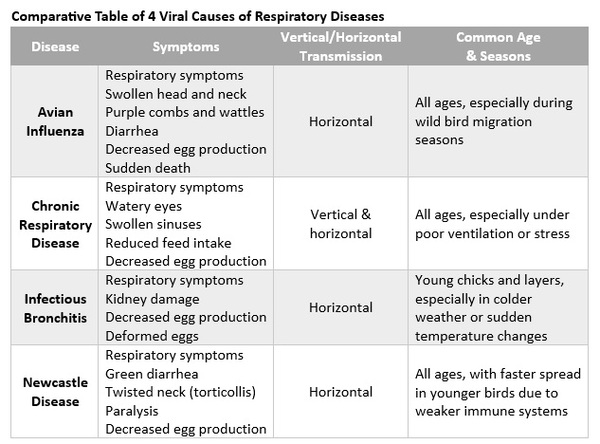
Signs to watch for include weight loss, less movement, breathing trouble, or changes in droppings. These may not be normal aging signs.
- Loss of appetite or weight
- Unusual breathing or noises
- Changes in droppings color or consistency
- Increased sleep or lethargy
- Feather loss or poor feather condition
Credit: en.engormix.com
Preventive Care For Aging Birds
Birds can show health issues as they get older. Some problems relate to age, while others do not. Watching your bird closely helps catch signs early.
Good care can keep aging birds happy and healthy. Small changes in diet and environment make a big difference.
Nutrition Adjustments
Aging birds need different nutrients than young birds. Their metabolism slows down, and they may need more vitamins and minerals.
- Offer a balanced diet with fresh fruits and vegetables.
- Include calcium-rich foods to support bone health.
- Reduce high-fat seeds and treats to prevent weight gain.
- Provide easily digestible foods to aid digestion.
- Ensure fresh water is always available.
Environmental Modifications
Older birds may need changes in their living space to stay comfortable and safe. Adjusting the environment helps reduce stress and prevent injuries.
| Modification | Purpose |
| Lower perches | Easier to reach and safer for weak legs |
| Soft bedding | Comfort and joint support |
| Stable cage placement | Reduces stress from noise and movement |
| Gentle lighting | Helps with vision changes in older birds |
| Regular cleaning | Prevents infections and keeps air fresh |
Monitoring And Record Keeping
Birds show many signs of aging through their health. Careful monitoring helps spot changes early. Keeping good records guides proper care decisions.
Tracking health over time helps separate age-related issues from other problems. It also helps you share clear information with your vet.
Tracking Health Changes
Watch your bird daily for changes in behavior, appetite, and appearance. Note any weight loss, feather condition, or activity level shifts. These signs might show aging effects or illness.
- Observe eating and drinking habits
- Check droppings for color or consistency changes
- Note changes in vocal sounds or calls
- Look for signs of fatigue or less movement
- Record any coughing or sneezing episodes
Using Health Journals
Keeping a health journal lets you track daily and weekly changes. A journal shows patterns that might link to aging or illness. Share it with your vet for better diagnosis.
| Date | Observation | Behavior Notes | Weight (grams) |
| 2024-04-01 | Feathers dull | Less active | 120 |
| 2024-04-08 | Feathers improving | More vocal | 122 |
| 2024-04-15 | Eating less | Quiet, resting | 118 |
Frequently Asked Questions
How Can I Identify Age-related Bird Health Issues?
Age-related bird health issues often include slower movement, feather loss, and changes in appetite. Regular vet check-ups help spot these signs early and differentiate from illness.
What Are Common Signs Of Aging In Birds?
Common signs include decreased activity, graying feathers, weight loss, and changes in vocalization. Noticing these signs helps in providing better care for aging birds.
When Should I Consult A Vet For My Aging Bird?
Consult a vet if your bird shows sudden behavior changes, weight loss, or persistent illness. Early diagnosis ensures proper treatment and improves quality of life.
Can Diet Affect Age-related Bird Health Problems?
Yes, a balanced diet rich in nutrients supports aging birds. Proper nutrition helps maintain energy, feather condition, and overall health, reducing age-related issues.
Conclusion
Bird health can change with age, but signs vary widely. Watch for slow movement, changes in eating, or unusual behavior. Regular check-ups help catch problems early. Knowing typical age-related issues keeps your bird happy and healthy. Stay patient and observe your bird closely.
Small changes can mean a lot. Taking good care today helps your bird live longer. Caring for aging birds takes time but shows your love. Keep learning about your bird’s needs as they grow older.




