
Keeping your bird feeders clean is more important than you might think. If you want to enjoy watching healthy, happy birds visit your yard, you need to make sure your feeders are free from harmful germs and bacteria.
You’ll discover simple and effective ways to disinfect your bird feeders. By following these easy steps, you’ll protect the birds you love and keep your outdoor space safe and inviting. Ready to learn how to care for your feathered friends the right way?
Let’s dive in!
Why Clean Bird Feeders Matter
Keeping your bird feeders clean is more important than many realize. A dirty feeder can quickly become a hotspot for germs and mold, putting visiting birds at risk. You might think a little dirt won’t hurt, but the health of your feathered friends depends on the care you put into your feeders.
Preventing Disease Spread
Birds gather in groups around feeders, which makes it easy for diseases to pass from one to another. Feces, leftover seeds, and moisture can create a breeding ground for harmful bacteria and viruses.
Have you noticed birds avoiding a feeder or looking sick after visiting? That’s a sign it’s time to clean. Regular disinfection helps stop illnesses like salmonella and avian pox from spreading in your backyard.
Protecting Bird Health
Your efforts to clean feeders directly protect the birds you love to watch. Healthy birds are more active and vibrant, making your birdwatching experience more rewarding.
Think about how you feel when eating from a dirty plate—you probably don’t want to eat at all. Birds feel the same way. Providing a safe, clean feeding spot encourages them to visit often and stay healthy.
Maintaining Feeder Longevity
Cleaning your feeders isn’t just good for birds—it also extends the life of your feeders. Dirt, mold, and leftover food can cause feeders to wear down faster or get clogged.
Regular maintenance prevents rust, cracks, and buildup that might make your feeder unusable. You save money and time by taking a few minutes to clean instead of replacing feeders frequently.

Credit: valleyfarms.shop
When To Disinfect Your Feeders
Knowing when to disinfect your bird feeders helps protect birds from diseases. Clean feeders keep birds safe and attract more visitors. Timing your cleaning can prevent mold and harmful bacteria.
Regular Cleaning Schedule
Clean bird feeders every two weeks during mild weather. In warmer months, clean weekly to stop bacteria growth. A steady cleaning routine keeps feeders fresh and healthy.
After Rain Or Snow
Wet weather causes seeds to clump and mold quickly. Disinfect feeders after heavy rain or snow melts. Moisture invites germs that can harm birds.
Signs Of Mold Or Contamination
Look for fuzzy growth or dark spots on seeds or feeder surfaces. Seeds that smell bad or look slimy need immediate cleaning. Remove feeders at once if you see bird droppings buildup.
Tools And Supplies Needed
Disinfecting your bird feeders is essential to keep the birds healthy and the feeding area safe. Having the right tools and supplies makes the job easier and more effective. Let’s look at what you need to get started and why each item matters.
Safe Cleaning Agents
Choosing the right cleaning agents is critical. Avoid harsh chemicals that can harm birds. Instead, use a solution made from one part white vinegar to nine parts water. This mix kills germs without leaving harmful residues.
You might also consider a mild bleach solution—one part bleach to nine parts water—but only if you rinse thoroughly afterward. Have you ever noticed birds avoiding a feeder after cleaning? It could be due to leftover strong smells from harsh cleaners.
Brushes And Scrubbers
Using the right brushes helps you reach every nook and cranny. A bottle brush with stiff bristles is ideal for inside tubes and small openings. You’ll want a scrubber or sponge for flat surfaces and trays.
Keep a separate brush just for your bird feeders to avoid cross-contamination. Regular kitchen brushes might carry food residues or bacteria that you don’t want near your birds.
Protective Gear
Protect yourself while cleaning to avoid exposure to germs and cleaning agents. Wear rubber gloves to keep your hands safe and clean. Eye protection is also a good idea, especially if you use bleach or vinegar solutions.
Consider wearing a mask if you’re sensitive to fumes or dust from dried seed debris. Your safety matters as much as the birds’, and proper gear makes the process smoother and worry-free.
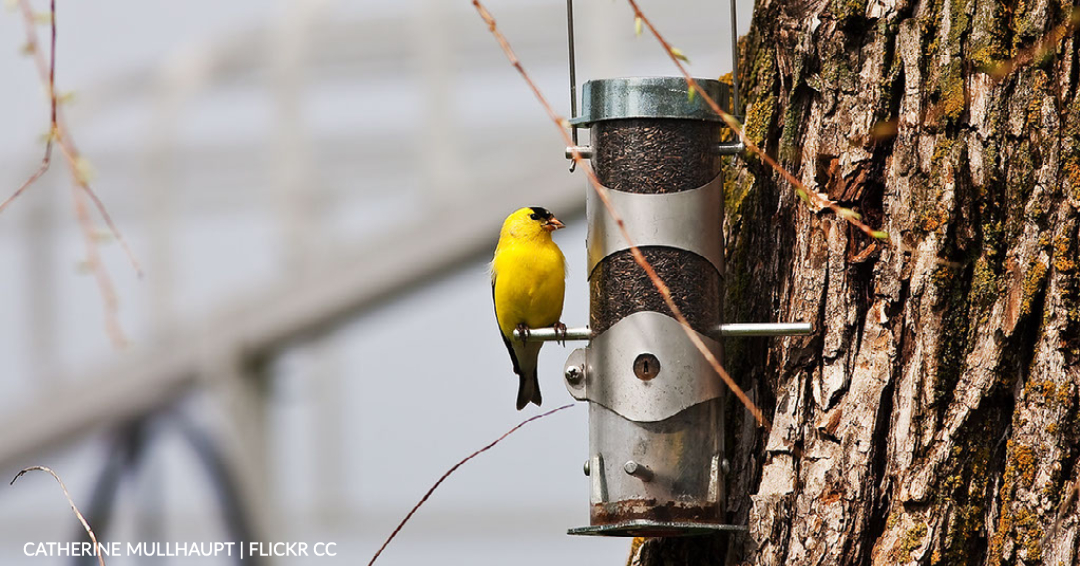
Credit: www.michiganaudubon.org
Step-by-step Disinfection Process
Keeping bird feeders clean is essential for bird health. This step-by-step disinfection process helps remove harmful germs. Regular cleaning prevents diseases and keeps birds visiting safely. Follow each step carefully for best results.
Removing Old Seed And Debris
Start by emptying all leftover seeds from the feeder. Shake out any loose dirt or debris. Use a brush or cloth to clear out tight spaces. This removes the bulk of contaminants before washing.
Soaking And Scrubbing
Fill a bucket with warm water and mild soap. Soak the feeder parts for about 10 minutes. Scrub every surface using a brush or sponge. Focus on corners and small openings where dirt hides.
Using Disinfectant Solutions
Prepare a disinfectant solution with one part bleach to nine parts water. Submerge the feeder parts in the solution for 10 minutes. This kills bacteria, mold, and viruses effectively. Avoid using harsh chemicals that can harm birds.
Rinsing And Drying
Rinse the feeder thoroughly with clean water to remove bleach. Make sure no soap or disinfectant remains. Let the feeder air dry completely before refilling. Drying prevents mold growth and keeps the feeder safe for birds.
Safe Feeding Tips After Cleaning
After thoroughly cleaning and disinfecting your bird feeders, it’s essential to ensure safe and healthy feeding habits for your feathered visitors. Proper care doesn’t stop at cleaning; how you refill, place, and observe your feeders plays a big role in keeping birds safe and happy. Let’s look at some practical tips that help maintain a clean feeding environment and encourage regular visits.
Refilling With Fresh Seed
Always use fresh, dry seed when refilling your feeders. Old or damp seed can harbor mold and bacteria, which are harmful to birds. Before adding new seed, check the feeder to make sure it’s completely dry to avoid clumping and spoilage.
Consider buying seed in smaller quantities if you don’t attract many birds. This reduces the chance of leftover stale seed sitting in the feeder for too long. Have you noticed certain seeds attract more birds or fewer pests in your area?
Placing Feeders In Ideal Locations
Choose spots that are sheltered from harsh weather and easy for birds to access. Placing feeders near natural cover like bushes or trees offers birds a quick escape from predators. Avoid areas where seed spills might accumulate and attract unwanted pests.
Keep feeders at least 10 feet apart to reduce the spread of disease. You might be surprised how small changes in location can boost bird visits and keep them healthier. What locations in your yard seem safest for your feathered friends?
Monitoring Bird Activity
Keep an eye on the birds that visit your feeders. Watch for signs of illness such as unusual feather loss or lethargy. If you spot sick birds, temporarily remove the feeder and clean it again to prevent spreading disease.
Regularly cleaning up spilled seed and droppings beneath feeders also helps reduce health risks. Observing your birds not only ensures their safety but deepens your connection with nature. How often do you take a moment to watch and learn from your backyard visitors?
Common Mistakes To Avoid
Thoroughly rinse bird feeders to remove soap residue. Avoid using harsh chemicals that can harm birds. Regularly clean to prevent mold and bacteria growth, ensuring a safe feeding environment.
Cleaning bird feeders is essential for bird health. Many bird enthusiasts make mistakes that can harm birds instead of helping them. Avoid these common pitfalls to ensure safe feeding.Using Harsh Chemicals
Many people think stronger cleaners mean better disinfection. This is a mistake. Harsh chemicals can harm birds. They leave harmful residues on feeders. Opt for mild, bird-safe cleaning solutions. Vinegar and water work well. They disinfect without leaving harmful traces.Neglecting Regular Cleaning
Bird feeders need regular cleaning. Dirt and germs build up fast. Many people clean feeders only when they look dirty. This is too late. Clean your feeders every two weeks. During wet seasons, clean them more often. Regular cleaning prevents disease spread.Ignoring Feeder Damage
Damaged feeders pose risks to birds. Cracks and sharp edges can injure them. Many people overlook small damages. This is risky. Always inspect your feeders for wear and tear. Repair or replace them if needed. Safe feeders mean healthy birds. These simple steps can make a big difference. Ensure your feeders are clean and safe. Your feathered friends will thank you.
Credit: green-backyard.com
Frequently Asked Questions
How Often Should I Disinfect Bird Feeders?
Disinfect bird feeders every two weeks during peak seasons. Regular cleaning prevents mold and harmful bacteria buildup. Frequent cleaning keeps birds healthy and encourages consistent feeding.
What Is The Best Disinfectant For Bird Feeders?
A diluted bleach solution (1 part bleach to 9 parts water) is the best disinfectant. It kills bacteria, fungi, and viruses effectively. Rinse thoroughly after disinfecting to remove any residue.
Can I Use Natural Products To Disinfect Feeders?
Yes, white vinegar diluted with water is a natural disinfectant. It effectively removes mold and bacteria. Vinegar is safe for birds and environmentally friendly but may require longer soaking.
Should I Clean Bird Feeders In Winter?
Yes, cleaning feeders in winter is crucial as birds rely on them more. Cold weather encourages mold growth, which harms birds. Regular cleaning ensures feeders stay safe and inviting year-round.
Conclusion
Cleaning bird feeders keeps birds safe and healthy. Regular disinfection stops harmful germs from spreading. Use mild soap and water or a safe disinfectant. Dry feeders completely before refilling them with fresh seed. Clean feeders every two weeks or after bad weather.
Healthy birds bring joy and beauty to your yard. Simple steps protect wildlife and make feeding birds fun. Keep your feeders clean to enjoy nature safely all year.




