
If you have a Birds Nest Fern at home or are thinking about getting one, you probably want to know the best way to keep it healthy and thriving. These beautiful ferns add a lush, tropical feel to any space, but they do need the right care to look their best.
In this guide, you’ll discover simple, practical tips that make caring for your Birds Nest Fern easy and rewarding. By following these steps, you’ll help your plant grow strong and vibrant, turning your home into a green oasis you can be proud of.
Ready to give your fern the care it deserves? Let’s dive in!

Credit: www.thesill.com
Choosing The Right Location
Choosing the right location for your Birds Nest Fern can make all the difference between a thriving plant and a struggling one. This fern has specific needs that affect its growth, health, and appearance. By understanding where to place it, you give your plant the best chance to flourish indoors.
Light Requirements
Birds Nest Fern prefers bright, indirect light. Direct sunlight can scorch its delicate fronds, leaving brown spots or crispy edges.
If your home has a north or east-facing window, that’s often ideal. You can also place the fern a few feet away from a south or west-facing window to avoid harsh rays.
Have you noticed your fern’s leaves turning yellow or pale? It might be getting too much light. Conversely, slow growth and dull color often signal too little light.
Ideal Temperature Range
This fern enjoys moderate temperatures, generally between 60°F and 75°F (15°C to 24°C). Avoid placing it near drafts, air conditioners, or heating vents, as sudden temperature changes can stress the plant.
Think about your daily routine and where temperature fluctuations happen in your home. For instance, kitchens and bathrooms might have more humidity but also experience heat spikes or cold drafts.
Does your space stay consistently warm or does it fluctuate? Your fern will thank you for a stable environment.
Humidity Needs
Birds Nest Fern thrives in high humidity. If your home feels dry, especially during winter, your fern might suffer.
Simple ways to boost humidity include grouping plants together, placing a water tray nearby, or using a humidifier. Misting the leaves occasionally can also help, but avoid soaking the crown where water can cause rot.
Have you checked the moisture level around your fern lately? Keeping humidity above 50% will keep your plant healthy and vibrant.
Watering Guidelines
Watering your Birds Nest Fern correctly is key to keeping it lush and healthy. Too much or too little water can cause stress and damage the plant’s vibrant fronds. Understanding the right balance and techniques ensures your fern thrives in its environment.
Frequency And Amount
Water your Birds Nest Fern once a week during warmer months and reduce to every two weeks in cooler seasons. The soil should stay moist but never soggy. Aim to keep the top inch of soil slightly damp without letting water pool at the base.
Remember, the size of your pot and indoor humidity affect how often you need to water. Smaller pots dry out faster, so check the soil moisture frequently. Have you noticed your fern’s leaves curling? It might be a sign you need to adjust your watering schedule.
Best Watering Techniques
Use room temperature water to avoid shocking the roots. Water evenly around the base of the plant, but avoid pouring water directly into the center rosette where new fronds grow. This helps prevent rot and fungal issues.
Consider using a spray bottle to mist the leaves regularly, especially if your home is dry. Misting mimics the fern’s natural humid environment and keeps the fronds vibrant. How often do you mist your plants? You might find this small step makes a big difference.
Signs Of Overwatering And Underwatering
Yellowing or mushy leaves often mean your fern is getting too much water. Soil that stays wet for days encourages root rot, a common problem with overwatering. If you notice these signs, cut back on watering and improve drainage.
On the other hand, crispy, brown leaf edges signal underwatering. The plant struggles when it doesn’t get enough moisture, so increase watering frequency gradually. Have you checked your fern’s soil moisture before watering? This simple habit prevents many common watering mistakes.
Soil And Potting
Soil and potting play a crucial role in the health and growth of your Bird’s Nest Fern. Choosing the right soil and pot helps maintain moisture levels and provides the necessary nutrients. Let’s dive into what works best for this unique plant and how you can make sure it thrives in your home.
Suitable Soil Types
Bird’s Nest Fern prefers soil that drains well but also retains some moisture. A mix that contains peat moss, pine bark, and perlite works wonders. This combination keeps the soil light, aerated, and rich in organic matter.
Avoid heavy garden soil or purely sandy mixes. They either hold too much water or dry out quickly, stressing your fern. Have you noticed your fern’s leaves turning brown? It might be time to check the soil quality.
Pot Selection Tips
Pick a pot with plenty of drainage holes to prevent waterlogging. Ceramic or plastic pots with good drainage work best. I once used a deep, narrow pot, but my fern struggled because the roots couldn’t spread out properly.
Choose a pot size slightly larger than the root ball to give your fern room to grow, but not so big that water sits around the roots. Remember, too much space can cause the soil to stay wet longer, inviting root rot.
Repotting Process
Repot your Bird’s Nest Fern every 1-2 years to refresh the soil and check root health. Start by gently loosening the root ball; you might find some old, compacted soil that needs replacing. Use fresh, suitable soil to support new growth.
After repotting, water your fern lightly and keep it in indirect light for a few days. This helps reduce transplant shock. Do you pay attention to your fern’s root system? Healthy roots are a great indicator of overall plant health.
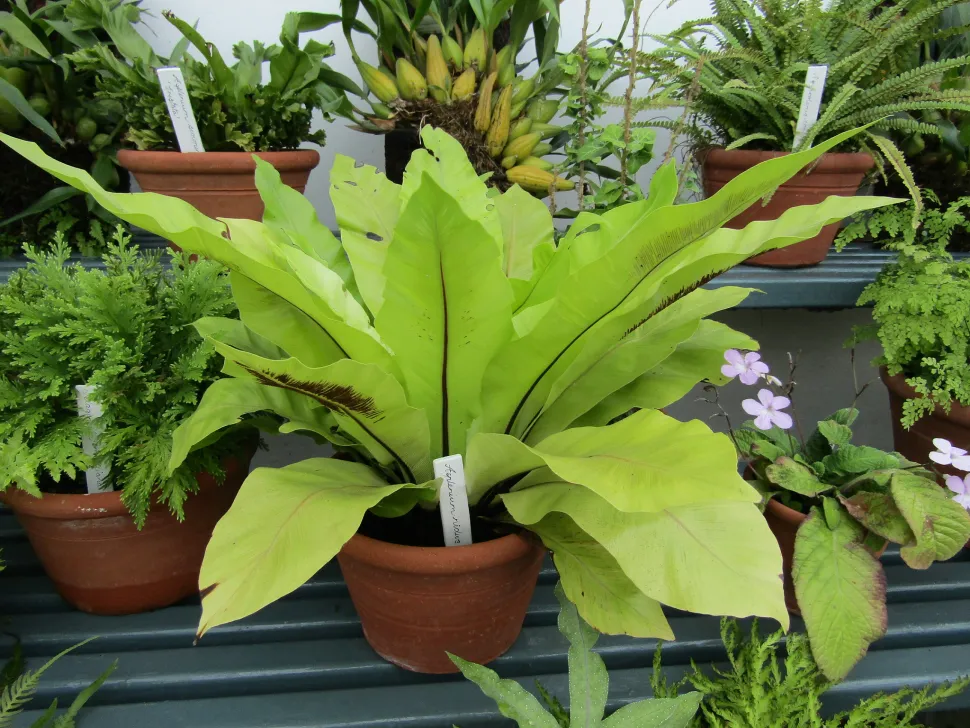
Credit: www.monstera-app.com
Fertilizing Your Fern
Fertilizing your birds nest fern is key to keeping it lush and vibrant. These tropical plants thrive with the right nutrients, but feeding them incorrectly can cause more harm than good. Understanding how to choose the right fertilizer, setting a proper feeding schedule, and avoiding overfertilization will help your fern stay healthy and beautiful.
Choosing Fertilizer
Look for a balanced, water-soluble fertilizer with equal parts nitrogen, phosphorus, and potassium (like 10-10-10 or 20-20-20). This supports healthy leaf growth and root development.
You can also choose a fertilizer designed specifically for ferns or indoor plants, which often contains extra micronutrients. Avoid fertilizers with high salt content as they can damage your fern’s delicate roots.
Feeding Schedule
Feed your birds nest fern every 4 to 6 weeks during the growing season, typically spring through early fall. Dilute the fertilizer to half the recommended strength to prevent nutrient overload.
During winter, reduce feeding frequency or pause altogether since the plant’s growth slows down. Have you noticed your fern’s growth slowing in colder months? That’s a good sign to cut back on feeding.
Avoiding Overfertilization
Too much fertilizer can cause brown leaf tips or yellowing, which means your fern is stressed. Always follow the dilution instructions and avoid fertilizing dry soil.
If you see signs of fertilizer burn, flush the soil with water to wash away excess nutrients. Think about how your fern reacts to feeding—are the leaves healthy and green or showing signs of distress? Adjust accordingly to keep your fern thriving.
Pruning And Maintenance
Pruning and maintenance keep your Birds Nest Fern healthy and attractive. Regular care removes unhealthy leaves and supports fresh growth. This process helps the plant breathe and thrive in your home environment.
Removing Dead Or Damaged Leaves
Dead or damaged leaves take energy away from the plant. Use clean scissors or pruning shears to cut these leaves at the base. Remove leaves that look brown, dry, or have spots. This prevents disease and pests from spreading. Check your fern every few weeks for any damaged leaves.
Encouraging New Growth
New growth appears at the center of the fern. Trim older leaves carefully to allow light to reach the center. Keep the soil moist but not soggy to help new leaves grow. Feed your fern with a balanced, water-soluble fertilizer during spring and summer. Good air circulation also supports healthy growth.
Pest And Disease Control
Birds Nest Fern thrives with regular checks for pests like scale and mealybugs. Treat infestations early using mild insecticidal soap to keep leaves healthy. Avoid overwatering to prevent fungal diseases and promote strong growth.
Caring for a Bird’s Nest Fern involves more than just watering and providing the right light conditions. It’s crucial to keep an eye out for pests and diseases that can affect its health. Addressing these issues promptly ensures that your fern remains vibrant and lush. Let’s dive into pest and disease control to keep your Bird’s Nest Fern thriving.Common Pests
Bird’s Nest Fern is susceptible to a few common pests. Aphids, mealybugs, and scale insects are the usual culprits. These pests can sap the plant’s nutrients, causing it to weaken. You might notice sticky residue or a black sooty mold on the leaves. Inspect your fern regularly to catch these pests early.Preventative Measures
Preventing pests and diseases is easier than treating them. Ensure your fern has good air circulation and is not crowded by other plants. Avoid overwatering, as this can lead to root rot and attract pests. Keep your plant’s leaves clean by wiping them with a damp cloth. Regular cleaning helps remove dust and potential pests before they become a problem.Treatment Options
If you spot pests, act quickly. For aphids and mealybugs, use a mixture of water and mild soap to wash the leaves. You can also use neem oil as a natural pesticide. For more stubborn infestations, consider using a commercial insecticidal soap. Always follow the instructions to avoid damaging your plant. Have you ever battled pests on your Bird’s Nest Fern? What methods worked for you? Share your insights in the comments!Propagation Techniques
Birds Nest Ferns grow well from spores or by dividing the root ball. Keep the soil moist and provide indirect light for best growth. Regular care helps new plants thrive quickly.
Propagation Techniques Birds Nest Ferns are popular for their lush, green fronds. Propagation can help expand your collection. It’s a rewarding process. Let’s explore effective methods to propagate these unique ferns.Division Method
This method is straightforward and effective. Start by carefully removing the fern from its pot. Gently shake off excess soil. Locate natural divisions in the plant. Use a clean, sharp knife to cut through the roots. Each section should have a healthy root system. Replant each division in its own pot. Use a well-draining potting mix. Water thoroughly after replanting. This helps the plant settle into its new home.Timing And Tips
Spring is the best time for propagation. The plant is actively growing. This increases the chance of success. Ensure each division has a robust root system. Avoid dividing too often. Over-dividing can stress the plant. Keep new plants in a warm, humid environment. This mimics their natural habitat. Use a humidity tray if needed. Monitor the plants for signs of stress. Adjust care as necessary. Proper care ensures healthy growth.Troubleshooting Common Issues
Birds Nest Ferns are generally resilient, but they can still show signs of stress. Spotting problems early helps you act fast and keep your fern thriving. Let’s look at some common issues you might face and how to fix them.
Yellowing Leaves
Yellow leaves often mean your fern is getting too much water or too little light. Overwatering drowns the roots, making it hard for your plant to absorb nutrients. Try cutting back on watering and place your fern in bright, indirect light.
On the other hand, if your fern is in a dark corner, it may not be photosynthesizing well. Move it closer to a window but avoid direct sunlight, which can burn the leaves. Have you noticed yellow leaves after a recent change in location? This could be your fern’s way of telling you it needs adjustment.
Brown Tips
Brown tips are usually a sign of dry air or inconsistent watering. Birds Nest Ferns love humidity, so dry indoor air can cause leaf edges to brown. Try misting your plant daily or placing a humidifier nearby.
Another cause can be too much fertilizer. If you fertilize, do so sparingly and only during the growing season. Are the brown tips clustered on older leaves or spreading quickly? This can help you decide whether to adjust humidity or check your feeding routine.
Wilting And Drooping
Wilting leaves are a clear red flag that something is wrong. Often, it’s a sign of underwatering—your fern needs consistently moist soil to stay healthy. Check the soil and water your plant if it feels dry an inch below the surface.
Wilting can also result from root rot caused by waterlogged soil. If the soil is soggy and your fern looks droopy, reduce watering and improve drainage. Have you considered repotting your fern if the soil doesn’t dry out? Sometimes fresh soil and a new pot can save your plant.

Credit: www.virtuo.in
Frequently Asked Questions
How Often Should I Water A Bird’s Nest Fern?
Water your Bird’s Nest Fern once a week. Keep the soil consistently moist but not soggy. Mist leaves regularly to maintain humidity. Avoid letting the soil dry out completely, as this plant thrives in moist conditions.
What Light Conditions Suit Bird’s Nest Fern Best?
Bird’s Nest Fern prefers bright, indirect light. Avoid direct sunlight, which can scorch its leaves. It also grows well in low light but may slow growth. Place it near a north or east-facing window for ideal lighting.
How Do I Increase Humidity For Bird’s Nest Fern?
Increase humidity by misting leaves daily. Use a humidifier nearby or place the plant on a water-filled pebble tray. Grouping plants together also raises humidity. These methods mimic the fern’s natural tropical environment.
What Type Of Soil Is Best For Bird’s Nest Fern?
Use well-draining, rich, organic soil for Bird’s Nest Fern. A peat-based potting mix with added perlite or orchid bark works well. Good drainage prevents root rot and supports healthy growth.
Conclusion
Birds Nest Ferns bring green beauty to any space. Keep their soil moist but not soggy. Place them in bright, indirect light for best growth. Regular misting helps maintain humidity. Watch for pests and remove dead leaves promptly. Simple care steps lead to healthy, vibrant plants.
Enjoy the calm and fresh air they provide. Caring for these ferns is easy and rewarding. Give your home a touch of nature’s charm.




