
Have you ever spotted a squirrel poking around your birdhouse and wondered if it’s planning to move in? You’re not alone.
Many people ask, “Do squirrels nest in bird houses? ” Understanding what’s really happening can save you frustration and protect your feathered friends. You’ll discover why squirrels might target birdhouses, what signs to watch for, and how to keep your birdhouse just for birds.
Keep reading to learn the surprising truth and take control of your backyard space.
Credit: www.richardjacksonsgarden.co.uk
Squirrels And Bird Houses
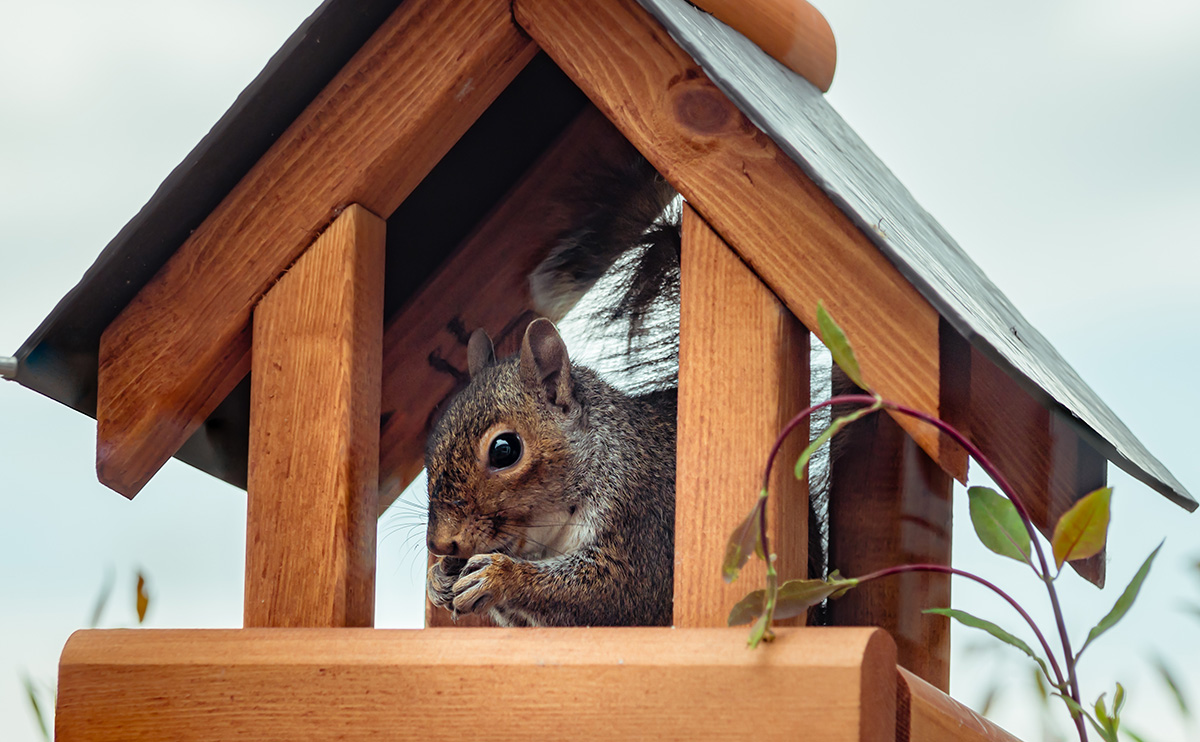
Squirrels are curious animals known for their agility and resourcefulness. They often explore bird houses as potential nesting spots. While bird houses are designed for birds, squirrels find them cozy and safe. This behavior can surprise many homeowners and bird watchers. Understanding why squirrels choose bird houses helps manage your backyard wildlife better.
Why Squirrels Choose Bird Houses
Squirrels look for warm and protected places to nest. Bird houses provide shelter from rain, wind, and predators. These small spaces feel secure and hidden. Squirrels also use bird houses to store food for winter. The elevated location of bird houses keeps squirrels away from ground threats. Their natural climbing skills allow easy access. The size and design of some bird houses suit squirrels perfectly.
Types Of Bird Houses Attracting Squirrels
Not all bird houses attract squirrels equally. Some designs invite squirrels more than others. Here are common types that squirrels prefer:
- Wooden bird houses:Thick wood offers good insulation and protection.
- Large entrance holes:Bigger holes allow easy entry for squirrels.
- Deep and spacious interiors:Ample space fits squirrel nests or food stores.
- Houses mounted on trees:Easy climbing routes for squirrels.
- Bird houses near food sources:Close to bird feeders or nut trees.
Choosing bird houses with small entrances and smooth surfaces can reduce squirrel visits.

Credit: www.numberanalytics.com
Squirrel Nesting Habits
Squirrels are known for their cleverness and adaptability. Their nesting habits show how they survive and thrive in many environments. Understanding where and how squirrels nest helps explain why they sometimes choose bird houses. These habits change with the seasons and depend on the species and available shelter.
Preferred Nesting Sites
Squirrels build nests in many places. They like high spots that offer safety from predators. Common sites include:
- Tree branches and forks
- Hollows inside tree trunks
- Leafy nests made from twigs and leaves
- Abandoned bird nests
- Sometimes human-made structures like bird houses or attics
Bird houses can appeal to squirrels if they are large enough and easy to access. They use these spaces for shelter, especially when natural sites are scarce.
Seasonal Nesting Behavior
Squirrel nesting changes with the seasons. In spring, they focus on raising young. They build warm, secure nests to protect babies from cold and predators.
During summer and fall, squirrels gather food and may use multiple nests. These nests serve as resting spots and storage areas.
Winter nests are dense and insulated. Squirrels rely on these nests to stay warm when food is scarce and temperatures drop.
Signs Of Squirrel Occupancy
Noticing squirrels in your birdhouse can be a surprise, but there are clear signs that indicate their presence. Recognizing these signs early can help you protect your birdhouse and keep it safe for its intended feathered visitors. Let’s look at how to spot squirrel activity and the kind of damage they might cause.
Identifying Squirrel Activity
Squirrels are curious and active creatures, and their presence around your birdhouse often leaves visible clues. You might hear scratching or rustling sounds inside or near the birdhouse, especially during early morning or late afternoon.
Look for small piles of wood shavings or nesting materials like leaves and twigs scattered nearby. Squirrels often leave footprints or tail marks on dusty or muddy surfaces close to the entrance. If you see these signs, it’s a strong indicator squirrels have taken up residence.
Damage Caused By Squirrels
Squirrels can cause quite a bit of damage to your birdhouse, often chewing through wood to enlarge the entrance. This chewing not only alters the structure but also weakens it, making it less safe for birds.
You’ll notice bite marks around the entrance hole and possibly shredded nesting material inside. Sometimes, squirrels strip bark or nibble on nearby trees and plants, which can be an indirect sign of their activity near your birdhouse.
Have you checked your birdhouse for these subtle, yet telling signs? Catching squirrel occupancy early can save you from bigger repairs and help ensure your birdhouse remains a welcoming home for birds.
Impact On Birds
Understanding how squirrels nesting in bird houses affect birds is key to protecting your backyard wildlife. These small mammals can significantly change the environment for birds, sometimes in ways you might not expect. Let’s look closely at what happens when squirrels choose bird houses for their homes.
Competition For Nesting Space
Squirrels often take over bird houses, leaving less room for birds to build their nests. They are bigger and more aggressive, which means birds may be forced to find new spots. This competition can cause stress and reduce the chances of birds successfully raising their young.
You might notice fewer birds visiting your feeders or singing nearby if squirrels dominate the nesting areas. Have you seen bird houses that seem abandoned? Squirrels could be the reason behind it.
Effect On Bird Populations
When squirrels occupy bird houses, bird populations in your area can suffer. Less nesting space means fewer bird families and a drop in local bird numbers. This shift can affect the balance of your garden’s ecosystem.
Birds are important for pest control and pollination. If you want to keep your garden healthy, protecting nesting spots from squirrels is crucial. Consider installing squirrel guards or providing alternative homes to keep both squirrels and birds happy.
Preventing Squirrel Intrusion
Preventing squirrels from taking over your bird houses can be challenging but not impossible. These clever creatures are always on the lookout for cozy spots, and your bird house might seem like a perfect home. Taking proactive steps can save your feathered friends from eviction and keep your backyard peaceful.
Design Modifications For Bird Houses
Adjusting the design of your bird house can make it less appealing to squirrels. Use smaller entry holes that fit only the size of the birds you want to attract. This simple change can block squirrels from squeezing inside.
Adding a metal entrance guard around the hole can also stop squirrels from chewing through. Make sure the guard is securely attached and extends several inches beyond the hole for maximum protection.
Consider placing the bird house on a smooth metal pole instead of a tree. Squirrels struggle to climb slick surfaces, which limits their access. Have you noticed how squirrels avoid shiny, slippery poles?
Using Deterrents And Barriers
Physical barriers can be very effective in keeping squirrels away. Attaching a baffle— a dome or cone-shaped shield— below the bird house prevents squirrels from climbing up. These are easy to install and affordable.
Another tactic is to use natural deterrents. Sprinkling cayenne pepper or using scents like peppermint oil around the bird house can discourage squirrels without harming birds. Be careful to reapply after rain or wind.
Electronic deterrents, such as motion-activated sprinklers or ultrasonic devices, can also work well. These surprise squirrels and make them think twice about approaching your bird houses.

Credit: www.birdsandblooms.com
Coexisting With Squirrels
Squirrels often explore bird houses for nesting opportunities. Their small size allows them to fit in easily. They may replace birds if the entrance is wide enough.
Coexisting with squirrels can be both a challenge and a delight. These furry little creatures often find bird houses an attractive place to nest. While their antics can be amusing, you might wonder how to balance the needs of both birds and squirrels in your yard.Safe Alternatives For Squirrels
Offering squirrels their own nesting spaces can be a win-win solution. Consider installing a squirrel box, a simple wooden structure that provides them with a cozy home. Placing these boxes in trees away from bird houses can help keep the peace. Another option is to provide squirrel feeders filled with nuts or seeds. This can divert their attention away from bird feeders, reducing competition and allowing birds to feed peacefully.Encouraging Biodiversity In Your Yard
Creating a diverse environment in your yard attracts a wide range of wildlife, not just squirrels and birds. Planting native shrubs and trees can offer natural food sources and shelter for various species. You can also create small water features like bird baths. These not only attract birds but provide squirrels and other wildlife with a vital water source. Have you ever noticed how the presence of squirrels can bring energy to your yard? By providing safe alternatives and encouraging biodiversity, you can enjoy a lively, harmonious environment right at home.Frequently Asked Questions
Do Squirrels Often Nest In Bird Houses?
Yes, squirrels sometimes use bird houses for nesting. They seek shelter and protection from predators. Bird houses provide a cozy, safe environment for their young.
How Can I Prevent Squirrels From Nesting In Bird Houses?
To prevent squirrels, use squirrel-proof bird houses with small entry holes. Avoid placing houses near trees or branches. Regularly check and clean bird houses to discourage squirrels.
Are Bird Houses Safe For Birds If Squirrels Nest There?
No, squirrels can scare birds away and damage nests. They may steal eggs or harm baby birds. Keeping squirrels out helps maintain a safe environment for birds.
What Attracts Squirrels To Bird Houses?
Squirrels are attracted by warmth, shelter, and potential food sources. Bird houses mimic tree cavities, offering ideal nesting spots. Nearby bird feeders also lure squirrels closer.
Conclusion
Squirrels do sometimes use bird houses to build nests. They find these spots cozy and safe. This can cause problems for birds trying to live there. Watching your bird houses often helps keep squirrels away. Using squirrel-proof bird houses can protect your feathered friends.
Understanding squirrel behavior helps you manage your garden better. Keep your outdoor space inviting for birds, not squirrels. Small steps make a big difference in bird care.




