
Have you ever wondered if pigeons visit your bird feeder and what they might be eating? If you enjoy watching birds at your feeder, you might be curious about whether pigeons are part of the crowd.
Understanding what pigeons eat from bird feeders can help you decide how to attract the right birds to your yard or keep unwanted guests away. Keep reading, and you’ll discover surprising facts about pigeons and how they interact with your feeders—knowledge that can make your bird-watching experience even better.
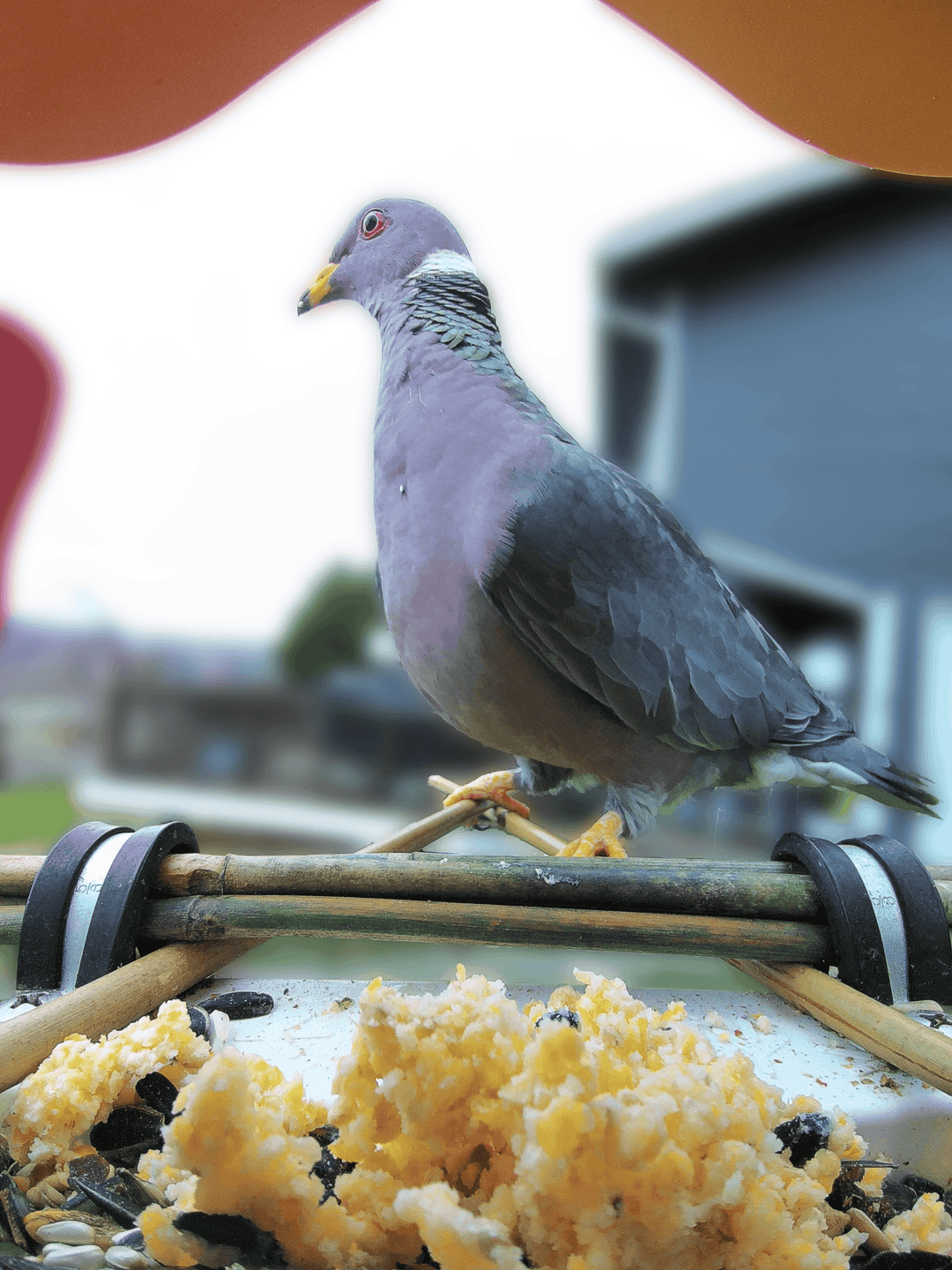
Credit: app.mybirdbuddy.com
Pigeon Diet Basics
Pigeons are often seen pecking around parks and streets, but understanding what they naturally eat can help you decide if your bird feeder should welcome them. Their diet basics reveal a lot about their feeding behavior and preferences. Knowing this can improve your experience with backyard birdwatching and help you manage which birds visit your feeders.
Natural Food Preferences
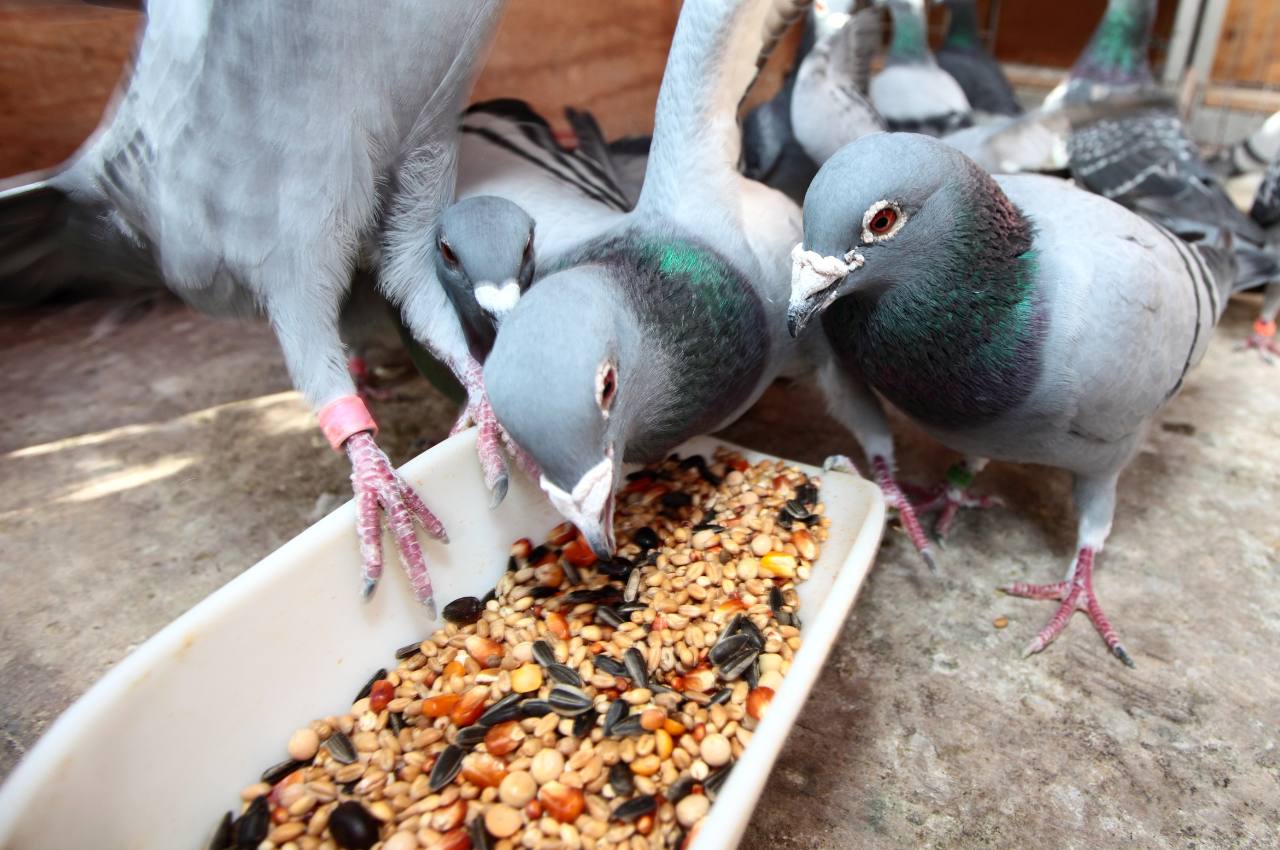
Pigeons mainly eat seeds and grains. They prefer foods like millet, corn, wheat, and sunflower seeds. You might notice pigeons ignoring fruits or insects, as these are less common in their natural diet.
They also consume small pebbles or grit to help digest tough seeds. This shows how their bodies are built to handle hard grains. Have you ever seen pigeons eating gravel near feeders? That’s a natural part of their eating process.
Common Feeding Habits
Pigeons feed mostly on the ground. They aren’t the type to cling to hanging feeders like some small songbirds. This means traditional tube feeders might not attract them as much as platform feeders or scattered seeds on the ground.
They tend to eat in groups, which can be noisy and messy. If you want to attract pigeons, providing plenty of space and food spread out can reduce competition. Do you find pigeons crowding your feeders? It’s because they prefer open, accessible food spots.
Credit: www.beakybites.co.uk
Bird Feeders And Pigeons
Pigeons often visit bird feeders in many gardens and parks. These birds are curious and adaptable. They find feeders a reliable source of food. Understanding their behavior helps manage feeders better. This section explores how pigeons interact with different feeders.
Types Of Feeders Pigeons Visit
Pigeons prefer feeders that are easy to access. They often visit:
- Platform feeders with open flat surfaces
- Tray feeders that hold large amounts of seeds
- Ground feeders scattered with food
They avoid feeders that hang or have small feeding ports. Feeders designed for smaller birds do not attract pigeons much. Pigeons need space to land and eat comfortably.
Why Pigeons Are Attracted To Feeders
Pigeons are attracted to feeders because of food availability. Feeders offer grains and seeds in one place. It saves pigeons from searching for food. The easy access helps them conserve energy.
Seed types also attract pigeons. They like millet, corn, and sunflower seeds. These seeds provide good nutrition and taste. Pigeons quickly learn where feeders are and return often.
Impact On Other Birds
Bird feeders are a popular way to attract and feed local wildlife, but the presence of pigeons can significantly affect other bird species visiting your feeder. Understanding the impact pigeons have on the feeding habits and behavior of smaller birds can help you create a more balanced environment in your backyard.
Competition For Food
Pigeons are larger and more aggressive than many backyard birds. They often dominate bird feeders, pushing smaller birds away and consuming a large share of the food.
This can leave less food available for species like finches, sparrows, and chickadees. Have you noticed smaller birds avoiding your feeder when pigeons are around? That’s a clear sign of competition.
To support a variety of birds, think about how the presence of pigeons might be limiting food for others in your garden.
Feeder Design To Limit Pigeon Access
Adjusting your feeder can help reduce pigeon visits without stopping other birds from eating. Pigeons prefer wide, flat surfaces to perch and feed.
- Choose feeders with smaller perches or weight-sensitive mechanisms that close access for heavier birds.
- Tube feeders with narrow openings can keep pigeons out while welcoming smaller birds.
- Adding baffles or cages around feeders can block pigeons but still allow smaller birds to feed comfortably.
Have you tried changing your feeder design to see if it encourages more diversity? Simple changes can make a big difference in who visits your feeder.

Credit: uk.style.yahoo.com
Feeding Pigeons Safely
Feeding pigeons can be a rewarding experience, but it requires care to keep the birds healthy and your outdoor space clean. Offering the right food and understanding their dietary needs helps you support these urban visitors without causing harm. Are you curious about what to feed pigeons and how to do it safely? Let’s dive into the essentials.
Best Foods To Offer
Pigeons thrive on a variety of grains and seeds. You can safely offer:
- Whole grains:cracked corn, wheat, barley, and millet are excellent choices.
- Seeds:sunflower seeds and safflower seeds provide good nutrition.
- Legumes:split peas and lentils can be given in moderation.
Avoid giving pigeons bread or processed foods. These lack nutrients and can cause health problems. Think about what you would eat for a healthy meal—pigeons need the same care in their diet.
Health Considerations
Feeding pigeons isn’t just about what you offer, but also how much and how often. Overfeeding can lead to obesity and spread diseases among birds congregating in one spot.
Clean your feeding area regularly to prevent mold and bacteria growth. Wet or stale food can make pigeons sick.
Watch for signs of illness like lethargy or unusual feather loss. If you see these, it might be better to pause feeding and contact a local wildlife expert. Are you prepared to maintain a healthy feeding routine that benefits both you and the pigeons?
Common Myths About Pigeons At Feeders
Pigeons often get a bad reputation around bird feeders. Many people believe false information about their presence. These myths shape how people view pigeons and their feeding habits. Understanding the truth helps create a better environment for all birds.
Pigeons As Pests
Many see pigeons as pests that ruin gardens and spread disease. While pigeons can be messy, they rarely cause serious harm. They do not destroy plants or carry more germs than other birds. Pigeons mostly eat grains and seeds, not harmful materials. Labeling them as pests is often an exaggeration based on fear, not fact.
Feeding Behavior Misconceptions
People think pigeons steal food meant for other birds. Pigeons are ground feeders and eat seeds that fall from feeders. They do not usually take food directly from hanging feeders. Their eating style differs from small songbirds, but they share the space peacefully. Pigeons also help clean up leftover seeds, reducing waste around feeders.
Frequently Asked Questions
Do Pigeons Commonly Visit Bird Feeders?
Yes, pigeons often visit bird feeders. They are attracted to seeds like millet, cracked corn, and sunflower seeds. Pigeons are ground feeders but will eat at feeders if food is accessible. Their presence depends on the feeder type and location.
What Seeds Do Pigeons Prefer From Feeders?
Pigeons prefer larger seeds such as cracked corn, millet, and sunflower seeds. They also enjoy mixed seed blends. These seeds are easy to pick up and digest, making bird feeders an attractive food source for pigeons.
Can Pigeons Harm Other Feeder Birds?
Pigeons can dominate feeders and scare away smaller birds. Their size and aggressive behavior sometimes limit seed availability for other birds. Using feeders designed to exclude larger birds can help protect smaller species.
How To Discourage Pigeons From Bird Feeders?
To discourage pigeons, use feeders with smaller perches or weight-sensitive ports. Avoid ground feeding and clean up spilled seeds promptly. Adding deterrents like reflective tape or bird spikes near feeders may also reduce pigeon visits.
Conclusion
Pigeons often visit bird feeders to eat seeds and grains. They can be messy but also add life to your yard. You can choose feeders that help control which birds come. Some feeders keep pigeons away while still feeding smaller birds.
Watching all kinds of birds can be fun and relaxing. Feeding birds connects you to nature every day. Remember to keep feeders clean to help birds stay healthy. Enjoy the variety of birds that visit your feeder.




