
Are you worried that your bird feeder might be inviting unwanted visitors, like snakes, into your yard? You’re not alone.
Many people wonder if feeding birds could also attract these slithering creatures. Understanding what really draws snakes to your outdoor space can help you protect your home and enjoy watching birds without fear. Keep reading to find out the truth about bird feeders and snakes—and how you can keep both your feathered friends and your family safe.
Credit: www.kingsyard.com
How Bird Feeders Draw Wildlife
Bird feeders are more than just a way to enjoy colorful visitors in your yard. They create a mini ecosystem that attracts a variety of wildlife looking for easy meals. Understanding how these feeders draw different animals can help you manage your outdoor space better and predict which creatures might show up.
Birds And Their Food Sources
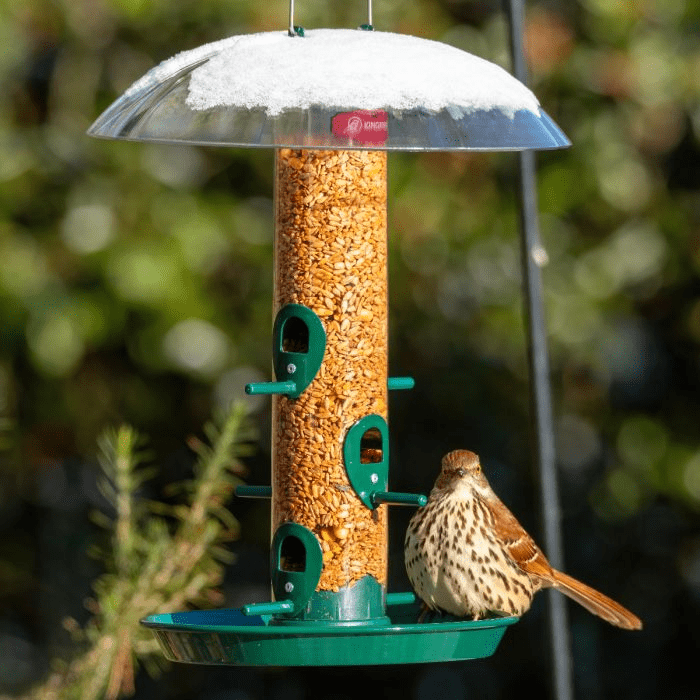
Bird feeders offer a reliable food source, especially during colder months when natural seeds and insects are scarce. Different types of feeders cater to different bird species—for instance, tube feeders attract finches, while platform feeders are great for larger birds like cardinals.
Have you noticed certain birds sticking around your feeder more than others? That’s because they prefer specific seeds like sunflower, millet, or nyjer. Offering a variety of seeds can bring a wider range of birds to your yard, turning it into a vibrant hotspot of activity.
Other Animals Visiting Feeders
Bird feeders don’t just attract birds. Squirrels, chipmunks, and even raccoons often visit feeders in search of an easy snack. Some small mammals are surprisingly agile at getting to the food, which can sometimes frustrate bird lovers trying to protect their seed supply.
Interestingly, these visitors can also draw in predators and other wildlife. Snakes, for example, may be attracted to feeders because they hunt rodents and small animals that gather near the food. Have you ever wondered if your bird feeder setup might be inviting unwanted visitors like snakes?
Why Snakes Are Attracted To Bird Feeders
Bird feeders are a common sight in many backyards, inviting vibrant birds to visit and brighten the day. But have you ever noticed a snake lurking nearby? You might wonder why snakes are drawn to these spots that seem designed only for birds. The answer lies in the complex interactions within your garden’s ecosystem.
Food Chain Connections
Bird feeders attract more than just birds. They also bring in small rodents like mice and squirrels, which come to feast on dropped seeds. These rodents are a key food source for many snake species.
When snakes sense the presence of these easy meals near feeders, they follow the scent trails. If you’ve ever spotted a snake near your feeder, it’s likely hunting rodents attracted by the bird seed. This natural food chain connection explains why snakes often hang around bird feeders.
Shelter And Ambush Spots Near Feeders
Snakes don’t just come for food; they seek safe places to hide and hunt. Areas around bird feeders often have dense vegetation, woodpiles, or garden structures that provide perfect cover.
These spots allow snakes to remain hidden while waiting to ambush prey. If your feeder area has thick bushes or clutter, it might be unintentionally offering snakes a cozy hunting ground. Have you checked how accessible your feeder’s surroundings are to these stealthy predators?
Common Snake Species Around Feeders
Bird feeders often attract more than just colorful birds. They can become a hotspot for various wildlife, including snakes. Understanding which snake species you might encounter around your feeders can help you stay safe and enjoy your backyard visitors with peace of mind.
Non-venomous Types
Many snakes near bird feeders are harmless and actually help control pests. Common non-venomous snakes include:
- Garter Snakes:These snakes are often seen slithering near feeders. They feed on small rodents and amphibians.
- Rat Snakes:Known for climbing, rat snakes may use feeder poles to hunt for birds or rodents.
- King Snakes:These are beneficial snakes that eat other snakes and rodents, keeping your yard balanced.
Have you noticed any of these snakes near your feeder? They are usually shy and avoid humans, so they rarely pose a threat.
Venomous Types
While less common, venomous snakes can also be attracted to the areas around bird feeders. Examples include:
- Rattlesnakes:In some regions, rattlesnakes might be drawn to the small mammals feeding on spilled seeds.
- Copperheads:These snakes blend well into wooded or leafy areas near feeders and can bite if provoked.
- Water Moccasins (Cottonmouths):Found near water sources, they might come close if your feeder is near a pond or stream.
Knowing how to identify these snakes can be crucial. Are you prepared to spot the difference between a harmless visitor and a potential danger?
Risks Of Snakes Near Bird Feeders
Bird feeders attract more than just birds. They can also draw snakes. Snakes come searching for food like rodents and small animals near these feeders. This situation creates risks for birds, other animals, and humans. Understanding these risks helps keep your garden safe and friendly for wildlife.
Threats To Birds And Small Animals
Snakes near bird feeders often prey on birds and small animals. They wait quietly for an easy meal. Eggs and baby birds become easy targets. Small mammals like squirrels and rodents also face danger. This can reduce the number of birds visiting your feeder. It disrupts the local ecosystem and natural balance.
Safety Concerns For Humans
Snakes close to bird feeders can pose risks to people. Some snakes are venomous and can bite if threatened. Children and pets are especially vulnerable. Accidental encounters may lead to panic or injury. Knowing how to identify local snakes helps prevent harm. Taking care around feeders reduces unwanted surprises.
Preventing Snakes Around Your Feeders
Bird feeders can sometimes attract more than just birds. Small animals and snakes might visit your yard, drawn by food or shelter. Preventing snakes around your feeders helps keep your space safe and enjoyable. Simple steps can reduce snake visits and protect your feathered friends.
Feeder Placement Tips
- Place feeders away from walls and dense shrubs.
- Keep feeders at least 5 feet above ground.
- Avoid placing feeders near woodpiles or tall grass.
- Clear the ground below feeders regularly to remove seed spills.
- Use poles with smooth surfaces to prevent snakes from climbing.
Habitat Modification Strategies
- Trim tall grass and remove thick brush near feeders.
- Clear away debris and leaf piles where snakes hide.
- Maintain open spaces around feeding areas for better visibility.
- Keep firewood stacked away from feeding spots.
- Seal cracks or holes in nearby walls or fences.
Using Snake Deterrents
- Use natural repellents like sulfur or clove oil around feeders.
- Install snake-proof barriers or collars on feeder poles.
- Place mothballs in secure containers near feeding areas.
- Use motion-activated lights or sprinklers to scare snakes away.
- Check local guidelines before using chemical deterrents.
Credit: www.kingsyard.com
When To Seek Professional Help
Bird feeders can be a delightful addition to your backyard, drawing in colorful visitors and filling the air with cheerful chirps. However, they can also inadvertently attract snakes seeking an easy meal. While spotting a snake isn’t always cause for alarm, there are times when professional help is necessary to ensure your safety and peace of mind.
Identifying Dangerous Snakes
Not all snakes pose a threat, but recognizing the dangerous ones is crucial. Look for distinct features such as the shape of the head, color patterns, and the presence of a rattle. Venomous snakes often have triangular heads, slit-like pupils, and unique markings.
If you’re unsure about the type of snake, take a clear picture from a safe distance. Use online resources or local wildlife agencies to confirm its identity. Knowing what you’re dealing with can help you decide whether to call in the professionals.
Handling Snake Encounters Safely
Encountering a snake can be startling. Stay calm and avoid sudden movements. Slowly back away and give the snake space to retreat. This reduces the chance of provoking it.
Never attempt to handle or trap a snake on your own, especially if you’re uncertain about its species. Doing so can increase the risk of a bite. Educate yourself and your family about snake safety, and establish a clear plan for such encounters.
When should you seek professional help? If you’re dealing with a venomous snake, or if a snake has taken up residence in your home or garden, it’s time to call an expert. Professionals have the tools and experience to safely remove and relocate snakes, protecting both you and the snake.
Have you ever had a close encounter with a snake? Share your experiences in the comments below and let us know how you handled it. Your story could help someone else stay safe!

Credit: www.callnorthwest.com
Frequently Asked Questions
Do Bird Feeders Attract Snakes To My Yard?
Bird feeders can indirectly attract snakes by drawing rodents and birds, which are snake prey. Snakes follow their food source, so feeder placement affects snake presence.
Why Do Snakes Visit Areas With Bird Feeders?
Snakes seek food and shelter near bird feeders. The presence of rodents and birds provides easy hunting opportunities for them.
How Can I Prevent Snakes Near Bird Feeders?
Keep the area clean and free of spilled seeds. Use snake-proof feeder designs and trim nearby vegetation to reduce snake hiding spots.
Are Certain Bird Feeders More Likely To Attract Snakes?
Feeders that spill seeds often attract rodents, increasing snake visits. Tube feeders with minimal spillage reduce rodent and snake attraction.
Conclusion
Bird feeders can sometimes attract snakes because of small animals nearby. Snakes follow food sources like rodents and birds. Keeping the area clean helps reduce snake visits. Place feeders away from the ground to limit snake access. Regular checks make your yard safer for birds and people.
Understanding snake behavior helps you protect your garden. Feeding birds is fun but requires some caution. Stay aware and enjoy watching birds safely.




