
Are your backyard chickens safe from bird flu? It’s a question every chicken owner worries about, especially with news of outbreaks spreading.
You want to keep your feathered friends healthy and protected, but it can be hard to know what steps to take. You’ll discover simple, effective ways to safeguard your flock from bird flu. Keep reading to learn how to spot the signs early, prevent infection, and create a safe environment for your chickens.
Your flock’s health depends on the actions you take today.
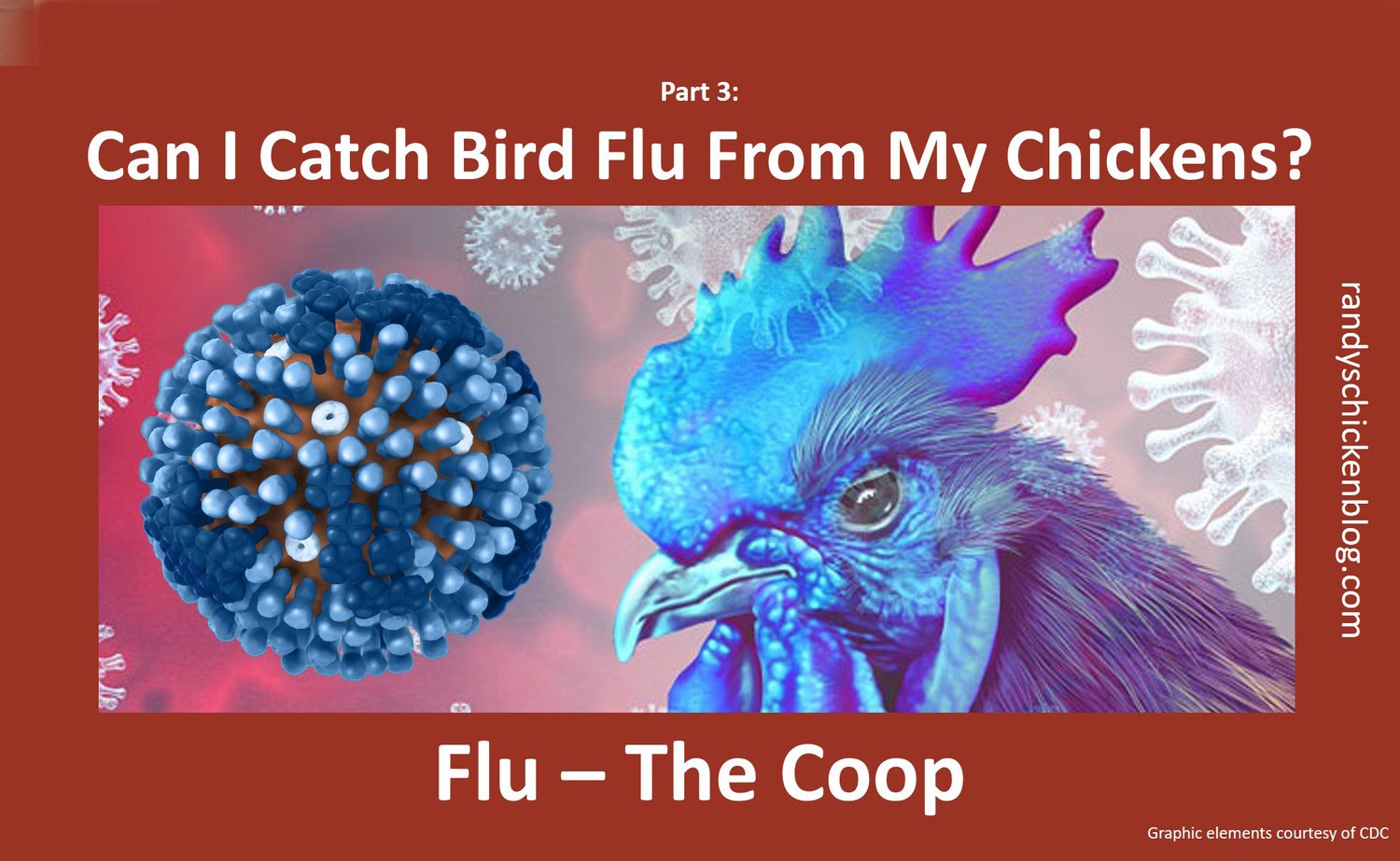
Credit: www.randyschickenblog.com
Bird Flu Risks For Backyard Chickens
Backyard chickens face risks from bird flu, a virus that can spread quickly. Understanding these risks helps protect your flock. Bird flu affects birds and can sometimes jump to humans.
Knowing how bird flu spreads, recognizing its signs, and identifying hotspots keeps your chickens safer. Stay alert and prepared to act fast if needed.
How Bird Flu Spreads
Bird flu spreads mainly through contact with infected birds. Wild birds often carry the virus without showing symptoms. Chickens can catch it from:
- Direct contact with wild birds or their droppings
- Contaminated water, feed, or equipment
- Close contact between infected and healthy birds
Airborne spread can happen in crowded areas. The virus survives in cool, wet environments for days. Proper hygiene and biosecurity reduce risk.
Signs Of Bird Flu In Chickens
Bird flu symptoms appear quickly and can be severe. Watch for:
- Sudden death without signs
- Swelling of the head, comb, or wattles
- Labored breathing and coughing
- Decreased egg production or soft eggs
- Lethargy and loss of appetite
Early detection helps prevent spread. Sick birds must be isolated immediately.
Bird Flu Hotspots
Certain areas have higher bird flu risks. Hotspots include:
- Near wetlands and lakes where wild birds gather
- Regions with frequent outbreaks in poultry farms
- Places with heavy migratory bird traffic
Check local reports and veterinary advice for current hotspot updates. Avoid moving birds between these zones to reduce risk.
Preventing Bird Flu Exposure
Preventing bird flu exposure in backyard chickens is essential for their health. The virus spreads mainly through wild birds and contaminated surfaces. Keeping your flock safe requires careful steps to reduce risks. Simple actions can protect chickens from catching the flu.
Limiting Contact With Wild Birds
Wild birds often carry the bird flu virus. It is important to keep your chickens away from them. Use bird feeders and waterers that wild birds cannot reach. Avoid feeding chickens outside where wild birds gather. Keep food and water covered to prevent contamination.
Securing Chicken Coops
Strong coop security stops wild birds and other animals from entering. Use fine mesh wire on windows and vents. Check for holes or gaps and seal them tightly. Keep doors closed except when you enter or clean. A secure coop lowers the chances of bird flu exposure.
Sanitation And Hygiene Practices
Cleanliness helps stop the spread of the virus. Remove droppings and wet bedding regularly. Wash feeding and watering equipment daily with hot water and soap. Disinfect boots, hands, and tools before and after handling chickens. Proper hygiene reduces bird flu risks greatly.
Safe Feeding And Watering Practices
Feeding and watering chickens safely is key to keeping them healthy. Clean food and water help stop bird flu viruses from spreading. Careful habits protect your flock and reduce risks. This section covers safe feeding and watering tips you can follow every day.
Avoiding Contaminated Feed
Use fresh feed stored in clean, dry places. Avoid feed that shows signs of mold or pests. Buy from trusted suppliers to reduce contamination risks. Keep feed covered to stop wild birds or rodents from reaching it. Dirty or old feed can carry viruses harmful to chickens.
Safe Water Sources
Provide clean, fresh water daily. Use water from safe, tested sources. Avoid stagnant water where viruses can grow. Change water often to keep it fresh. Keep water containers away from wild birds to prevent contamination. Safe water helps keep chickens strong and disease-free.
Regular Cleaning Of Feeders And Waterers
Clean feeders and waterers regularly to remove dirt and germs. Use hot water and mild soap for washing. Rinse well to remove soap residues. Dry containers before refilling to prevent mold growth. Regular cleaning breaks the cycle of virus spread. It keeps your chickens’ environment safe and healthy.
Credit: www.telegraphherald.com
Monitoring Chicken Health
Backyard chickens need regular health checks to spot signs of bird flu early. Watch for changes in behavior, appetite, and breathing to keep them safe. Clean coops and limit contact with wild birds to reduce risks.
Monitoring the health of your backyard chickens is vital. It helps ensure they remain free from diseases like bird flu. Regular observation can catch symptoms early. This can prevent the spread of illness.Daily Health Checks
Inspect your chickens each day. Look for changes in their behavior. Are they active or lethargic? Check their eyes and nostrils for discharge. Examine feathers for any signs of distress. Healthy chickens have bright eyes and smooth feathers.Isolating Sick Birds
Separate any chicken showing signs of illness. This helps prevent infection in the flock. Use a designated area for isolation. Ensure it is clean and comfortable. Monitor the isolated bird closely for recovery signs.When To Contact A Veterinarian
Reach out to a vet if symptoms persist. Unusual symptoms like constant coughing need attention. A vet’s assessment is crucial for a proper diagnosis. Early intervention can save your flock from serious outbreaks.Biosecurity Measures For Backyard Flocks
Protecting your backyard chickens from bird flu starts with strong biosecurity measures. These practices reduce the risk of disease entering your flock and keep your birds healthy. Small changes in your daily routine can make a big difference in preventing infections.
Controlling Visitors And Equipment
Limit the number of visitors who enter your chicken area. Each person can unintentionally carry viruses on their clothing or shoes. Ask visitors to clean their footwear or provide disposable shoe covers before they step into the coop.
Keep equipment like feeders, waterers, and tools separate from other farms or yards. Avoid sharing these items with neighbors to prevent cross-contamination. If sharing is necessary, disinfect everything thoroughly before use.
Protective Clothing And Footwear
Wear dedicated clothing and boots when working with your chickens. This simple step helps prevent germs from spreading outside the coop. Change your clothes and footwear before leaving the area to avoid carrying pathogens to other places.
You don’t need fancy gear—old clothes and rubber boots work well. The key is that they stay only in the chicken area. You’ll notice fewer illnesses in your flock when you commit to this habit.
Disinfecting Tools And Surfaces
Regularly clean and disinfect all tools, feeders, and surfaces in your chicken area. Use approved disinfectants that are effective against bird flu viruses. Focus especially on high-touch spots like gates and perches.
Set a cleaning schedule and stick to it. Even a quick wipe-down can stop the virus from spreading. Have you checked how clean your coop tools are lately?
Credit: www.newsobserver.com
Responding To Bird Flu Outbreaks
Responding quickly and effectively to bird flu outbreaks can make all the difference in protecting your backyard flock. Knowing exactly what steps to take helps reduce the risk of spreading the disease to other birds and keeps your chickens safer. Here’s what you need to focus on when a suspected outbreak occurs near you.
Reporting Suspected Cases
If you notice sudden illness or unusual behavior in your chickens, don’t hesitate to report it immediately. Contact your local agricultural or veterinary authorities to get expert advice. Early reporting helps contain the outbreak and prevents it from reaching other flocks in your area.
Keep a close eye on symptoms like coughing, sneezing, or a drop in egg production. Your quick action could protect neighboring flocks and even wild birds nearby.
Quarantine Protocols
Once bird flu is suspected, isolate your chickens right away. Set up a quarantine zone that limits movement in and out to avoid spreading the virus. Use dedicated tools, clothing, and footwear for the quarantined area to keep the infection contained.
Regularly disinfect feeders, waterers, and surfaces within this zone. Ask yourself: Are you ready to enforce strict boundaries to keep your flock safe?
Disposal Of Infected Birds
Handling infected birds requires caution and care. Follow local guidelines on disposing of carcasses, which often involve burial or incineration to prevent further contamination. Wear protective gear like gloves and masks to protect yourself during this process.
Proper disposal is crucial. It stops the virus from lingering in your environment and keeps your flock and community healthier.
Resources And Support
Finding trustworthy resources helps keep backyard chickens safe from bird flu. Access to accurate information guides you in protecting your flock effectively. Support from experts and community members makes a big difference in managing risks.
Local Agricultural Agencies
Local agricultural agencies offer expert advice on bird flu prevention. They provide guidelines on biosecurity measures and reporting outbreaks. These agencies often conduct inspections and vaccinations to protect poultry. Contacting them ensures you get updates tailored to your area.
Online Information Sources
Reliable websites publish current news on bird flu outbreaks worldwide. Government and university sites share research and safety tips. Use these sources to learn about symptoms, transmission, and prevention methods. Bookmark trusted pages for quick access during emergencies.
Community Support Networks
Community groups connect backyard chicken owners to share experiences and advice. Online forums and social media groups offer real-time help and support. Neighbors can assist in monitoring flocks and spotting illness early. Together, these networks build stronger defenses against bird flu.
Frequently Asked Questions
Are Backyard Chickens At Risk Of Bird Flu?
Yes, backyard chickens can catch bird flu from wild birds or contaminated environments. Proper biosecurity helps reduce this risk.
How Can I Protect My Chickens From Bird Flu?
Limit contact with wild birds, clean feeders, and disinfect coops regularly. Quarantine new birds before introducing them.
What Are Bird Flu Symptoms In Chickens?
Look for coughing, sneezing, swollen eyes, lethargy, and decreased egg production. Early detection helps prevent spread.
Should I Report Bird Flu In Backyard Chickens?
Yes, report suspected bird flu cases to local agricultural authorities immediately for proper control and prevention.
Conclusion
Protecting backyard chickens from bird flu takes simple, steady steps. Keep coops clean and limit wild bird contact. Watch your chickens daily for signs of illness. Quick action can stop the disease from spreading. Staying informed about outbreaks in your area helps you stay safe.
Healthy chickens mean a happy backyard and fresh eggs. Small efforts make a big difference in preventing bird flu. Your care keeps your flock strong and safe.




