
Have you ever wondered if the birds around you could be affecting your health? You might enjoy watching them or feeding them in your backyard, but are they really as harmless as they seem?
Birds can carry germs and allergens that might surprise you. If you care about staying healthy and keeping your home safe, understanding the risks is important. Keep reading to discover what you need to know about birds and your health—this information could change the way you see those feathered visitors outside your window.
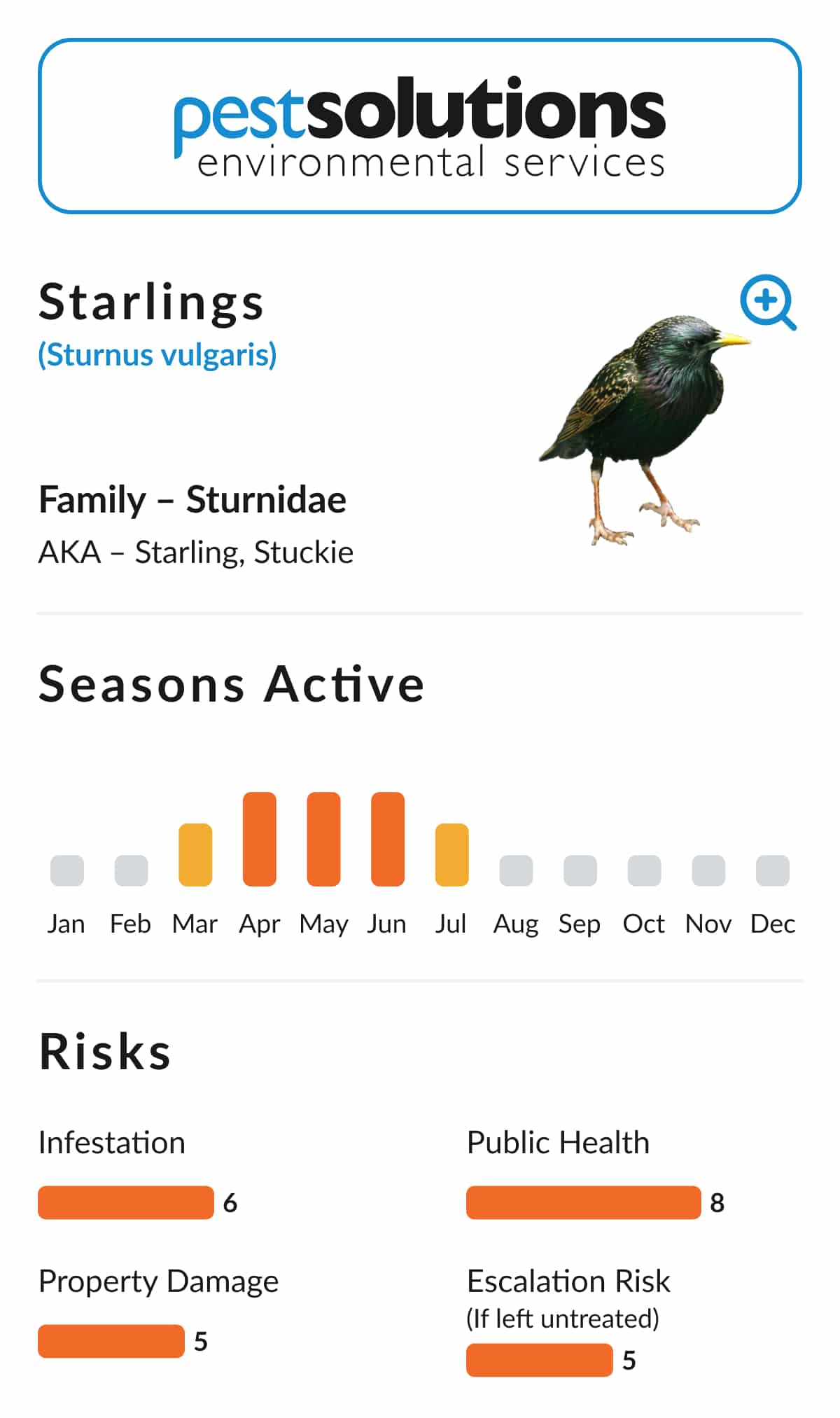
Credit: www.pestsolutions.co.uk
Health Risks From Bird Droppings
Bird droppings can carry germs that make people sick. They often contain harmful bacteria and fungi. These can cause health problems if you come in contact with them.
It is important to understand the risks and how to stay safe. Many illnesses spread through bird droppings affect the lungs and immune system.
Diseases Transmitted By Droppings
Bird droppings carry diseases that affect humans. Some common illnesses include histoplasmosis, cryptococcosis, and psittacosis. These can cause serious health issues.
- Histoplasmosis:A fungal infection from inhaling spores in dried droppings.
- Cryptococcosis:Caused by a fungus found in pigeon droppings, affecting the lungs and brain.
- Psittacosis:Bacterial infection from contact with infected birds or their droppings.
Respiratory Issues And Allergies
Breathing in dust from bird droppings can cause lung problems. People may develop allergies or asthma attacks. Some symptoms include coughing, wheezing, and shortness of breath.
| Health Issue | Cause | Symptoms |
| Histoplasmosis | Fungal spores | Fever, cough, fatigue |
| Allergic Reactions | Dust and droppings | Sneezing, rash, asthma |
| Psittacosis | Bacteria from birds | Headache, fever, dry cough |
Preventive Measures For Exposure
To avoid health risks, take safety steps around birds and their droppings. Clean affected areas carefully and protect your lungs.
- Wear gloves and a mask when cleaning droppings.
- Use water to wet droppings before removal to reduce dust.
- Wash hands thoroughly after handling birds or cleaning.
- Keep living areas free from bird nests and droppings.
- Seek medical help if you develop flu-like symptoms after exposure.

Credit: www.pets4homes.co.uk
Diseases Spread By Birds
Birds can carry germs that cause diseases in people. These illnesses spread through bird droppings, feathers, or direct contact.
Understanding these diseases helps you stay safe around birds and keep your health protected.
Psittacosis And Its Symptoms
Psittacosis is a disease from birds like parrots and pigeons. It spreads to humans through droppings or dust from feathers.
People with psittacosis may feel tired and have a fever. Other symptoms include cough, chills, and muscle pain.
- High fever and chills
- Dry cough
- Muscle aches
- Headache
- Difficulty breathing
Histoplasmosis And Fungal Infections
Histoplasmosis is a lung infection caused by a fungus in bird droppings. It happens when people breathe in the fungal spores.
This infection can cause flu-like symptoms. It is more serious for people with weak immune systems or lung problems.
- Fever and cough
- Chest pain
- Fatigue
- Shortness of breath
Avian Influenza Risks
Avian influenza, or bird flu, is a virus that affects birds. It can sometimes infect humans who have close contact with sick birds.
The bird flu can cause mild to severe symptoms. It spreads through saliva, mucus, or droppings of infected birds.
- Fever and cough
- Sore throat
- Muscle aches
- Eye infections
- Severe breathing problems
Birds As Allergy Triggers
Birds are popular pets, but they can cause allergies. People may react to bird feathers and dander.
Allergies from birds can affect your health in different ways. It is important to know the signs and how to manage them.
Feather And Dander Allergies
Bird feathers and dander carry proteins that can cause allergies. These tiny particles float in the air and irritate sensitive people.
Dander is made of skin flakes from birds. Feathers also trap dust and other allergens that worsen reactions.
Common Symptoms And Reactions
Bird allergies cause many symptoms. These affect the skin, eyes, nose, and lungs.
- Sneezing and runny nose
- Itchy, watery eyes
- Coughing and wheezing
- Skin rashes or hives
- Difficulty breathing in some cases
Managing Bird-related Allergies
Avoiding contact with bird feathers and dander helps reduce allergies. Keep bird areas clean and well-ventilated.
Use air purifiers and wash hands after touching birds. Allergy medicines can also ease symptoms when needed.
Birds And Parasites
Birds can carry many parasites that affect human health. These parasites live on or in birds and sometimes spread to people.
It is important to know about these parasites to stay safe around birds and their nests.
Mites And Lice Infestations
Mites and lice are tiny parasites that live on bird feathers and skin. They can bite humans and cause itching or rashes.
- Mites cause skin irritation and redness.
- Lice can spread quickly in bird colonies.
- Both may leave droppings that trigger allergies.
- Bird nests often contain high numbers of these parasites.
Ticks And Disease Transmission
Ticks are blood-feeding parasites that attach to birds and sometimes humans. They can spread serious diseases through their bites.
| Parasite | Common Diseases | Symptoms in Humans |
| Ticks | Lyme disease, Rocky Mountain spotted fever | Fever, rash, joint pain |
| Mites | Skin irritation, dermatitis | Itching, redness, swelling |
| Lice | Allergic reactions | Itchy skin, rashes |
Protecting Yourself From Parasites
You can reduce parasite risks by taking simple steps when near birds or their nests.
- Wear gloves and long sleeves when handling birds or nests.
- Clean bird feeders and birdhouses regularly.
- Avoid touching bird droppings or feathers directly.
- Use insect repellent when in areas with many birds.
- Keep your home and yard free of bird nests close to living areas.
Safe Interaction With Birds
Birds can be wonderful companions and part of nature. It is important to interact safely with them. Knowing how to protect your health helps you enjoy birds safely.
This guide covers hygiene, pet bird care, and how to avoid risks in cities. Following these tips keeps you and birds healthy.
Hygiene Practices To Follow
Clean hands and surroundings reduce the chance of illness from birds. Always wash your hands after touching birds or their cages.
- Use soap and water to clean your hands for at least 20 seconds.
- Disinfect bird cages and feeders regularly.
- Avoid touching your face while handling birds.
- Wear gloves when cleaning bird droppings or nests.
- Keep bird food containers sealed to stop pests.
Proper Care For Pet Birds
Good care keeps pet birds healthy and lowers risks to you. Feed them fresh food and provide clean water daily.
| Care Task | Frequency |
| Clean cage | Weekly |
| Change water | Daily |
| Feed fresh food | Daily |
| Check bird health | Monthly |
| Visit vet | Yearly |
Keep pet birds away from sick birds. Monitor their behavior and consult a vet if they seem ill.
Avoiding Risks In Urban Areas
City birds may carry germs that affect humans. Avoid feeding wild birds in crowded places.
Tips to avoid health risks from urban birds:
- Do not touch wild birds or their droppings.
- Keep distance from bird nesting areas in public spots.
- Wear a mask if cleaning areas with bird droppings.
- Dispose of bird waste safely in sealed bags.
- Report large bird droppings to local services for cleaning.
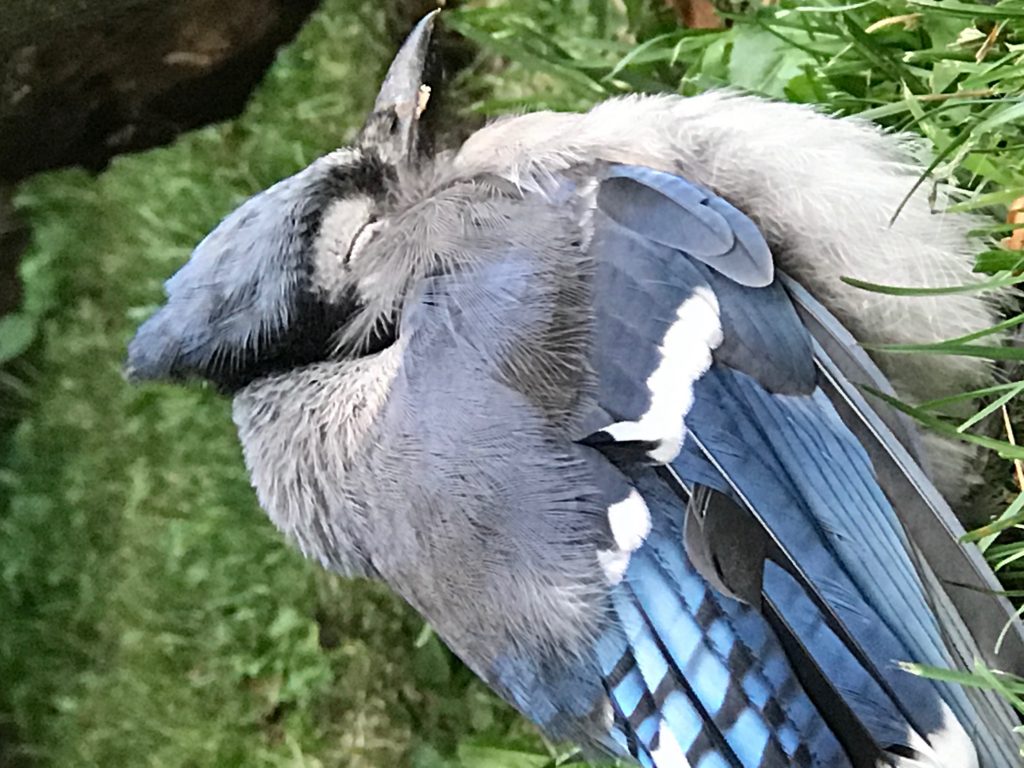
Credit: feederwatch.org
When To Seek Medical Advice
Birds can be lovely pets, but they might affect your health. Knowing when to see a doctor can help prevent serious issues.
This guide will help you recognize signs that require medical attention. It also covers diagnosis and treatment options, as well as preventive health checkups.
Recognizing Warning Signs
Some symptoms may indicate that birds are affecting your health. It’s important to be aware of these warning signs.
- Coughing or sneezing frequently
- Breathing difficulties or wheezing
- Persistent headaches or fatigue
- Skin rashes or irritation
Diagnosis And Treatment Options
If you experience any of the warning signs, consult a doctor. They can determine if birds are the cause.
Doctors may perform tests to diagnose your condition. Treatment options vary based on the diagnosis.
- Allergy tests to identify triggers
- Medications to manage symptoms
- Environmental changes to reduce exposure
Preventive Health Checkups
Regular health checkups can help prevent issues from bird exposure. These checkups can catch problems early.
Your doctor can provide guidance on how to stay healthy around birds. They might suggest specific tests or lifestyle changes.
| Health Checkup | Frequency |
| Allergy Testing | Annually |
| Lung Function Tests | As Needed |
| Skin Check | Every 6 Months |
Frequently Asked Questions
Are Birds Harmful To Human Respiratory Health?
Birds can carry diseases like histoplasmosis and psittacosis, which affect the lungs. However, risks are low with proper hygiene and avoiding bird droppings.
Can Bird Droppings Spread Diseases To Humans?
Yes, bird droppings may contain fungi and bacteria that cause infections. Cleaning droppings carefully and wearing protective gear reduces health risks significantly.
Do Pet Birds Pose Health Risks To Owners?
Pet birds can transmit diseases such as psittacosis. Regular veterinary care, good hygiene, and proper cage cleaning help minimize health problems.
How To Prevent Illnesses From Wild Birds?
Avoid direct contact with wild birds and their droppings. Use gloves when cleaning, wash hands thoroughly, and keep living areas clean to stay safe.
Conclusion
Birds can carry germs that may affect health. Keeping bird areas clean helps reduce risks. Avoid touching bird droppings or nests directly. Use masks when cleaning places with many birds. Pets around birds should be watched for signs of illness.
Birds also bring joy and beauty to life. Balance safety with enjoying nature’s feathered friends. Stay informed and take simple steps to stay safe. Your health matters, so handle birds with care.




