
Have you ever noticed a bird spending a long time staring at its reflection in a mirror? It might seem strange, but there’s a fascinating reason behind this behavior.
Understanding why birds love mirrors can change the way you see these feathered friends around your home or garden. If you want to know what makes mirrors so irresistible to birds and how this simple object affects their behavior, keep reading.
Your curiosity is about to be rewarded with surprising insights.
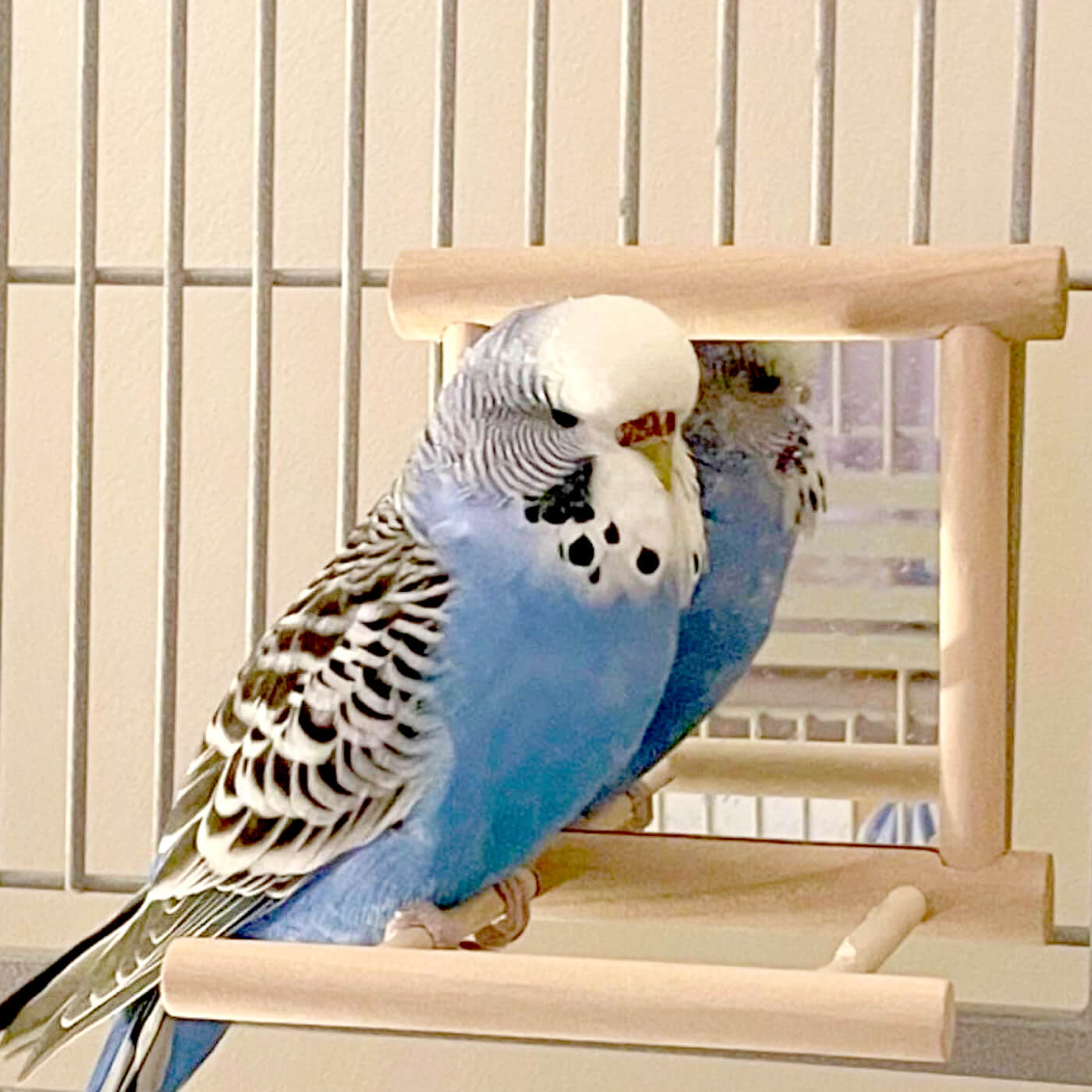
Credit: parrotessentials.co.uk
Birds And Mirrors
Birds often show interest in mirrors. They see their reflection and react in different ways. Understanding why birds love mirrors helps us learn about their behavior.
Mirrors can catch a bird’s attention because they look like another bird. This can lead to curious or defensive actions.
How Birds React To Reflections
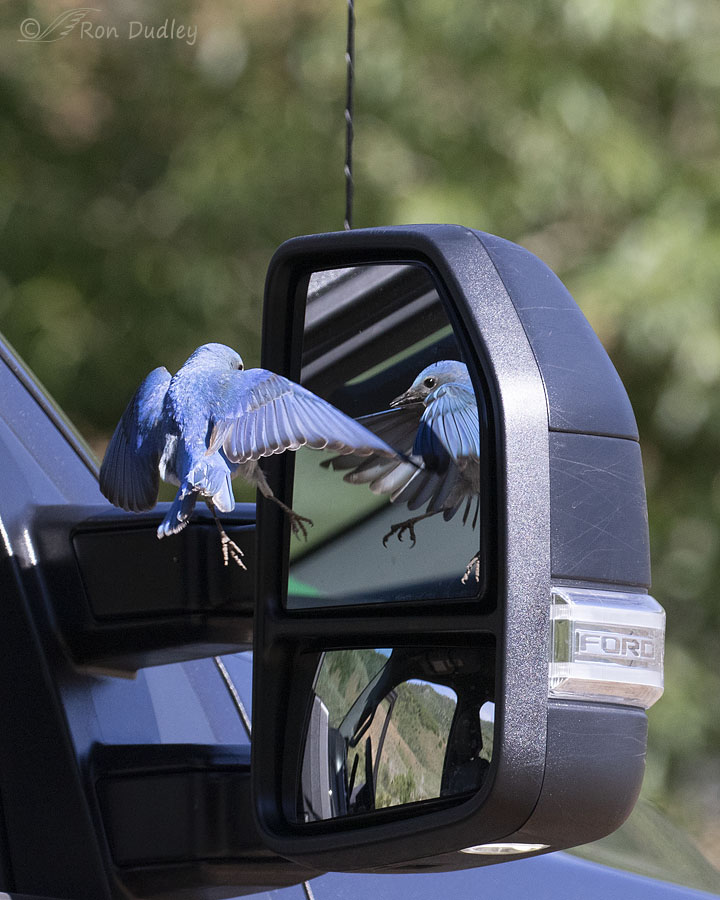
When birds see their reflection, they may think it is another bird. Some birds try to communicate or challenge the image. Others may sing or display aggressive behavior.
- Some birds peck at the mirror to scare the reflection away.
- Others try to court the reflection, thinking it is a mate.
- Young birds often use mirrors for play and learning.
- Birds in cages may feel less lonely with a mirror nearby.
Common Species Attracted To Mirrors
Certain bird species show more interest in mirrors. These birds often react strongly to their reflections, either with curiosity or aggression.
| Bird Species | Typical Reaction |
| Budgerigar (Budgie) | Social interaction and play |
| Finches | Curious pecking and singing |
| Robins | Aggressive territorial behavior |
| Parakeets | Courting and chirping |
| Canaries | Singing and exploring |

Credit: www.youtube.com
Mirror Attraction Factors
Birds often show great interest in mirrors. They react strongly to their reflections. This behavior is due to several reasons related to how birds see and think.
Understanding why birds love mirrors helps us learn about their nature. It also explains how mirrors affect their daily actions and feelings.
Territorial Behavior
Many birds see their reflection as a rival. They think another bird is in their space. This triggers their natural urge to defend their territory.
They may sing, puff up feathers, or even attack the mirror. This behavior helps them protect their area from intruders.
Social Interaction And Companionship
Birds are social animals and like company. When alone, they may see their reflection as a friend. This reduces feelings of loneliness.
The mirror provides a sense of social contact. Birds may talk, preen, or interact with the image like a companion.
Curiosity And Playfulness
Birds are curious and enjoy exploring new things. A mirror is a shiny, interesting object that attracts their attention. They often play with their reflection.
Play helps birds stay active and mentally healthy. Mirrors can provide fun and stimulation in their environment.
Benefits Of Mirrors For Birds
Birds often enjoy looking at mirrors. These reflections can help them in many ways. Mirrors are a simple tool that can improve a bird’s life.
Birds use mirrors to feel less alone and stay active. Mirrors also make their environment more interesting and fun.
Reducing Loneliness
Birds are social animals. When kept alone, they can feel lonely. A mirror shows their reflection, which they may see as a friend.
This makes birds feel less isolated. The mirror helps them stay calm and happy when they have no company.
Mental Stimulation
Birds need mental activity to stay healthy. Looking at mirrors can keep their minds busy. They may talk or sing to their reflection.
This interaction helps stop boredom. It also encourages natural behaviors, which are good for their brain and mood.
Enhancing Environment
Mirrors add variety to a bird’s space. They reflect light and colors, making the cage more lively. This keeps birds interested in their surroundings.
- Brightens dark corners
- Creates a sense of more space
- Encourages exploration and play
Potential Risks Of Mirrors
Mirrors can attract birds because they see their reflection. Birds may think the reflection is another bird. This can cause some problems for them.
It is important to understand the risks mirrors pose to birds. Knowing these risks helps keep birds safe and healthy.
Aggression And Stress
Birds may get aggressive when they see their reflection. They might try to fight the “other bird” in the mirror. This can lead to stress and injury.
Stress from mirror aggression can cause health problems. Birds may lose appetite and become tired.
Obsessive Behavior
Some birds spend too much time looking at mirrors. They may peck or sing at their reflection for hours. This is called obsessive behavior.
- Birds might ignore food or rest.
- They can develop bad habits like feather plucking.
- Obsessive mirror use can affect social skills with other birds.
Safety Precautions
| Precaution | Description |
| Limit Mirror Time | Use mirrors only for short periods. |
| Choose Safe Mirrors | Use non-breakable, bird-safe materials. |
| Observe Bird Behavior | Watch for signs of stress or aggression. |
| Remove If Needed | Take away mirrors if birds become obsessive. |
Choosing The Right Mirror
Birds often enjoy looking at mirrors because they see their reflection. Choosing the right mirror can help attract birds safely. It is important to think about size and where to place the mirror.
Material is also key. The mirror should be safe and clear. These details make a big difference for the birds.
Size And Placement Tips
The size of the mirror affects how birds react. A mirror that is too big might scare them. One that is too small might not catch their attention.
- Use a mirror between 4 to 8 inches wide
- Place the mirror where birds can perch nearby
- Avoid direct sunlight to prevent glare
- Put the mirror at eye level for birds
- Choose a spot with some shelter from wind
Material Considerations
Mirrors come in different materials. Some are safer and more durable for outdoor use. Choose materials that do not easily break or hurt birds.
| Material | Durability | Safety for Birds |
| Glass | High | Can break easily |
| Acrylic | Medium | Shatter-resistant |
| Polycarbonate | High | Very safe and strong |
| Metal Frame | High | Good if edges are smooth |
Credit: www.featheredphotography.com
Alternatives To Mirrors
Birds often enjoy looking at mirrors. They see their reflection and think it is another bird. But mirrors can cause stress if the bird becomes obsessed. There are alternatives that are healthier and more engaging.
Instead of mirrors, you can provide toys and social interaction, or natural enrichment methods. These options can keep birds entertained and happy.
Toys And Social Interaction
Toys can be a great alternative to mirrors for birds. They love to play and explore new objects. Toys keep their minds active and bodies moving.
Birds also enjoy social interaction. Spending time with other birds or people helps them feel less lonely. It provides companionship and fun.
- Interactive toys like puzzles
- Colorful hanging toys
- Playtime with bird friends
- Quality time with humans
Natural Enrichment Methods
Natural enrichment methods mimic a bird’s natural environment. This can include foraging opportunities and varied perches.
Foraging toys can simulate searching for food. Different perch sizes and materials offer physical exercise and comfort.
- Foraging toys to hide treats
- Varied perch types and sizes
- Safe plants for chewing
- Branches for climbing
Frequently Asked Questions
Why Do Birds Stare At Mirrors For Long?
Birds see their reflections as other birds. They are curious and interact with the “other” bird. This behavior helps them explore social cues and territory.
How Do Mirrors Affect Bird Behavior?
Mirrors can stimulate birds, reducing loneliness. They may sing, preen, or display territorial actions. However, excessive mirror time might cause stress or confusion.
Can Mirrors Keep Pet Birds Entertained?
Yes, mirrors provide mental stimulation for pet birds. They offer companionship and reduce boredom. But, balance is key to avoid obsessive behavior.
Do All Bird Species Love Mirrors?
Not all birds react the same to mirrors. Some species show interest, while others ignore reflections. Reactions depend on social behavior and intelligence.
Conclusion
Birds find mirrors fascinating because they see their reflection. They may think it is another bird nearby. This can make them curious or even protective. Mirrors give birds a chance to interact and explore. It also helps them feel less lonely.
Understanding this behavior shows how smart and social birds can be. Next time you see a bird near a mirror, remember it’s learning and reacting. Mirrors are more than just shiny objects for birds. They offer a simple way to connect with their world.




