
Have you ever wondered where the most exotic birds live? Imagine spotting a bird with dazzling colors or unique feathers that you’ve never seen before.
These rare creatures are hidden in some of the world’s most beautiful and surprising places. If you want to discover where you can find these amazing birds, keep reading. You’re about to uncover secret spots and fascinating facts that will change the way you see the natural world forever.
Don’t miss out on this adventure—your next birdwatching trip could be closer than you think!

Credit: birdsnways.com
Global Distribution Of Exotic Birds
Exotic birds live in many places around the world. Their homes depend on food, climate, and safety. These birds are found in special habitats that support their unique needs. Understanding where they live helps protect their environment and ensures their survival.
Tropical Rainforests
Tropical rainforests are rich in exotic bird species. These forests have tall trees and thick plants. Birds like parrots, toucans, and hornbills thrive here. The warm and wet climate supports many insects and fruits. These provide food and shelter for birds all year round.
Mountainous Regions
Mountainous areas offer cool climates and varied landscapes. Exotic birds such as hummingbirds and eagles live at high altitudes. These regions have fewer predators and unique plants. Birds adapt to colder weather and rocky terrain. Mountains create isolated habitats where rare species evolve.
Isolated Islands
Many exotic birds are found only on isolated islands. These islands are far from the mainland. Birds like the kiwi and the dodo once lived here. Isolation leads to unique bird species that exist nowhere else. Islands protect birds from some predators but also make them vulnerable.
Wetlands And Mangroves
Wetlands and mangroves are vital for many exotic birds. These areas have shallow water and dense vegetation. Birds such as herons, kingfishers, and ibises find food here. Fish, insects, and plants create a rich feeding ground. Wetlands act as breeding and nesting sites for many species.

Credit: timesofindia.indiatimes.com
Notable Rare Bird Species And Their Habitats
Rare bird species captivate bird watchers and nature lovers alike with their unique appearances and elusive behaviors. Each of these birds has adapted to very specific habitats that often challenge their survival. Understanding where these notable birds live helps you appreciate their beauty and the importance of protecting their environments.
Harpy Eagle In South America
The Harpy Eagle, one of the largest and most powerful eagles, dwells in the dense rainforests of South America. You can find it mainly in countries like Brazil, Venezuela, and Peru. This eagle prefers tall, uninterrupted forest canopies where it hunts monkeys and sloths.
Seeing a Harpy Eagle in the wild can be rare because of its shy nature and shrinking habitat. Have you ever wondered how deforestation impacts these majestic hunters?
Resplendent Quetzal In Central America
The Resplendent Quetzal is famous for its vibrant green and red feathers and long tail plumes. It lives in cloud forests stretching from southern Mexico to Panama. These birds thrive in humid, high-altitude forests where they feed on fruits like wild avocados.
Spotting a quetzal is like catching a flash of living color in the misty forest. If you visit during breeding season, you might witness their incredible courtship displays. What would it feel like to see such a symbol of freedom up close?
Kakapo In New Zealand
The Kakapo is a flightless, nocturnal parrot found only in New Zealand. It is critically endangered, with very few individuals remaining. This bird lives in predator-free island sanctuaries where conservationists work tirelessly to protect it.
The Kakapo’s unusual behavior and owl-like face make it unforgettable. Imagine being part of the team that helps increase their numbers and saves them from extinction. Could your support help preserve such a unique species?
Shoebill In African Swamps
The Shoebill is a large bird known for its massive, shoe-shaped bill. It inhabits swamps and wetlands in central tropical Africa, especially in countries like Uganda and South Sudan. This bird relies on dense marshes to hunt fish, frogs, and even baby crocodiles.
Watching a Shoebill stand motionless for minutes before striking is a lesson in patience. Have you ever seen a bird that looks almost prehistoric? The Shoebill’s presence reminds you of nature’s diversity and resilience.
Factors Influencing Exotic Bird Locations
Exotic birds live in many places around the world. Their locations depend on several important factors. These factors affect where birds find food, shelter, and safety. They also influence their breeding and migration habits. Understanding these helps explain why certain birds live in specific regions.
Climate And Weather Patterns
Climate plays a big role in where exotic birds live. Birds prefer areas with stable temperatures. Tropical birds enjoy warm and humid places. Cold climates limit many species from living there. Rainfall also affects bird habitats. Some birds need wet forests while others live in dry areas. Weather changes can force birds to move to new locations.
Availability Of Food Sources
Food is a key factor for bird survival. Exotic birds look for areas rich in fruits, seeds, insects, or nectar. Places with diverse plants support more bird species. If food is scarce, birds must travel far or relocate. Seasonal changes in food supply can affect bird numbers in an area.
Human Impact And Habitat Loss
Human activities greatly affect bird habitats. Deforestation and urban growth reduce natural spaces. Pollution harms food and water sources. Many birds lose their homes due to land clearing. Conservation efforts help protect these areas. Without safe habitats, exotic bird populations decline quickly.
Migration And Breeding Behaviors
Many exotic birds migrate to find better conditions. They travel to breed or find food. Migration routes depend on climate and geography. Breeding sites must be safe and rich in resources. Birds often return to the same places each year. These behaviors shape where birds are found globally.
Conservation Efforts For Rare Bird Habitats
Conservation efforts play a vital role in protecting rare bird habitats worldwide. These birds often live in fragile environments that need careful care and management. Protecting their homes ensures the survival of exotic bird species for future generations. Many groups and governments work together to create safe spaces and support breeding and education programs.
Protected Areas And Reserves
Protected areas offer safe habitats where rare birds can live without threat. National parks and wildlife reserves stop hunting and habitat destruction. These areas preserve forests, wetlands, and other natural spaces that birds need. Many countries have created special zones to protect rare and endangered species.
Community Involvement
Local communities help by caring for their natural surroundings. Education programs teach people about the importance of rare birds. Community members often join conservation projects to monitor bird populations. Their support reduces harmful activities like deforestation and poaching.
Breeding Programs
Breeding programs help increase the population of rare birds. These programs breed birds in controlled environments. Once strong, birds are released back into protected habitats. This effort supports species that struggle to survive in the wild.
International Collaboration
Countries work together to protect exotic birds across borders. Sharing knowledge and resources improves conservation success. International agreements help control trade and protect habitats. Joint projects monitor bird migration and health worldwide.
How To Spot Exotic Birds Responsibly
Spotting exotic birds can be exciting and rewarding. Watching these colorful creatures up close is a special experience. Doing this responsibly protects both the birds and their habitats. Respecting nature helps keep bird populations healthy for future visitors.
Knowing when to watch and how to act makes a big difference. Learning from local experts and using the right tools improves your chances. This approach makes birdwatching enjoyable and safe for all.
Best Times And Seasons
Birds are more active at certain times of the day. Early morning and late afternoon offer the best chances to see them. Seasons also affect bird activity. Spring and fall are great for spotting migrating species. Summer often shows breeding behaviors and colorful plumage. Winter might reveal birds in different habitats. Check local guides for the best birdwatching seasons in each region.
Ethical Birdwatching Practices
- Keep a safe distance to avoid stressing the birds.
- Do not feed birds or disturb their nests.
- Use binoculars or zoom lenses to view closely without intrusion.
- Stay on marked trails to protect habitats.
- Avoid loud noises and sudden movements.
- Leave no trash behind to keep the environment clean.
Guided Tours And Local Experts
Local guides know where and when to find exotic birds. They teach proper behavior to avoid harm. Guided tours increase your chances of rare sightings. Experts share interesting facts about bird species and their habits. Choosing certified guides supports conservation efforts and local communities.
Using Technology For Bird Identification
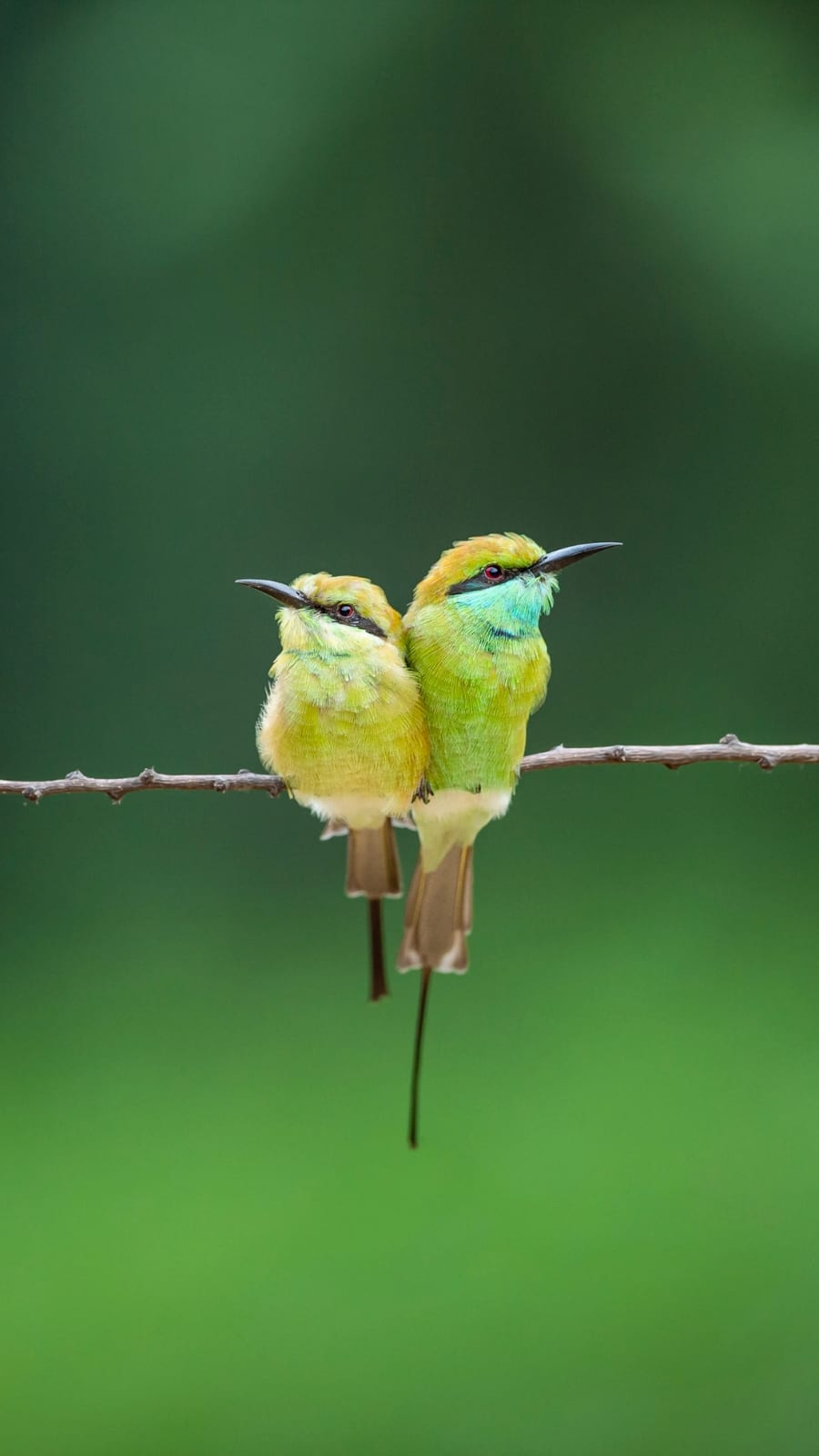
Smartphone apps help identify birds by photo or sound. Digital field guides provide quick access to bird information. GPS apps can guide you to known bird habitats. Recording bird calls helps confirm species later. Technology makes birdwatching easier and more fun, without disturbing the birds.
Credit: www.moneycontrol.com
Frequently Asked Questions
Where Are Exotic Birds Commonly Found Worldwide?
Exotic birds are mostly found in tropical and subtropical regions. Countries like Brazil, Indonesia, and Papua New Guinea host diverse exotic bird species. These birds thrive in rainforests, wetlands, and islands with rich ecosystems.
Which Countries Have The Highest Exotic Bird Diversity?
Brazil, Indonesia, and Colombia have the highest exotic bird diversity. Their varied climates and habitats support thousands of unique species. These countries are hotspots for birdwatching and conservation efforts.
How Do Exotic Birds Adapt To Different Environments?
Exotic birds adapt through specialized diets, nesting habits, and plumage. They evolve unique behaviors to survive in forests, mountains, or wetlands. Adaptations help them avoid predators and find food efficiently.
Are Exotic Birds Found In Urban Areas Globally?
Some exotic birds have adapted to urban areas, especially in warm climates. Parrots and mynas are common examples in cities. Urban environments provide food sources and nesting spots, but challenges remain.
Conclusion
Exotic birds live in many parts of the world. Tropical rainforests are their common homes. Some species prefer mountains or islands. Each bird has a special place it calls home. Nature’s beauty shows through these colorful creatures. Exploring their locations helps us understand and protect them.
Remember, these birds need safe spaces to thrive. Enjoy learning about their unique habitats and keep nature safe.




