
Are you eager to welcome more colorful birds into your yard but wonder when the best time is to put out bird feeders? Timing matters more than you might think.
If you start too early or too late, you could miss the chance to attract your favorite feathered visitors. You’ll discover the perfect moments to set up your feeders, ensuring your outdoor space becomes a lively haven for birds year-round.
Keep reading to find out how to create a bird-friendly environment that brings joy and beauty right to your doorstep.
:max_bytes(150000):strip_icc()/GettyImages-2127194441-cb7cb448aa164688aee85075217155d4.jpg)
Credit: www.thespruce.com
Best Seasons For Bird Feeders
Knowing the best seasons to put out bird feeders can make a huge difference in attracting a variety of birds and supporting their needs. Different times of the year offer unique opportunities to help birds thrive while enjoying their presence in your yard. Let’s look at when your feeders can have the greatest impact.
Spring And Early Summer
Spring is a season of renewal, and birds are busy building nests and raising chicks. You can help by providing high-energy foods like sunflower seeds and suet. This gives parent birds the extra fuel they need during this demanding time.
Early summer also sees many young birds learning to find food. Your feeder becomes a valuable resource as they practice eating. Have you noticed how juvenile birds often flock to feeders? It’s a sign your efforts are making a difference.
Fall And Winter Benefits
As temperatures drop, natural food sources become scarce. Fall is the perfect time to start feeding because birds are preparing for migration or winter survival. Offering nuts and fat-rich seeds supports their energy needs for these challenges.
Winter feeders can attract a wide range of species that rely on your help to survive. You might be surprised how many birds visit your yard when snow covers the ground. Are you ready to become a vital part of their survival strategy?
Feeding During Harsh Weather
Extreme weather events like cold snaps or heavy storms put extra stress on birds. Keeping feeders stocked during these times can save lives. Even a few extra days of feeding during harsh weather provides critical support.
Have you ever noticed birds lingering longer around your feeders during a storm? They rely on steady food sources when natural foraging becomes impossible. Your feeder can be a lifeline in these moments.

Credit: feedsnneeds.ca
Choosing The Right Feeder Timing
Choosing the right time to put out bird feeders can make a big difference in attracting the birds you want to see and keeping them safe. Timing affects not only which species visit but also how feeders fit into local ecosystems. Understanding key factors like climate, migration, and nesting habits helps you provide the best support for your feathered friends.
Local Climate Considerations
Your local weather patterns play a crucial role in deciding when to start feeding birds. In colder regions, feeders can be put out as early as late fall to help birds through harsh winters.
Warmer areas might require feeders year-round, but watch for seasonal dry spells when natural food is scarce. Think about your own experience: have you noticed more birds visiting during specific weather changes?
Bird Migration Patterns
Many birds migrate seasonally, so timing your feeders with these patterns can maximize visits. Setting up feeders a few weeks before migration peaks ensures birds find reliable food sources on their journey.
Use local birdwatching reports or apps to track migration timing in your area. Have you ever missed a migration and wondered why your feeders were suddenly empty?
Avoiding Nesting Disruptions
Placing feeders too close to nesting areas can disturb birds during their critical breeding season. Keep feeders at a respectful distance to avoid stressing nesting birds and prevent unwanted predator attention.
Check when local species typically nest and adjust feeder placement accordingly. Could moving your feeder just a few feet make a difference in helping baby birds thrive?
Types Of Feeders For Different Times
Bird feeders attract different birds during various seasons. Choosing the right feeder helps you enjoy more bird visits. Feeders vary by design and food type. Each type suits a specific time of year. This section explains which feeders to use and when.
Seed Feeders For Winter
Seed feeders work well in cold months. Birds need extra energy to stay warm. Black oil sunflower seeds attract many winter birds. Tube feeders and hopper feeders protect seeds from snow. These feeders keep seeds dry and fresh. They also help birds find food easily.
Fruit And Nectar Feeders For Summer
Fruit and nectar feeders shine in warm seasons. Orioles and hummingbirds love sweet nectar and fruits. Nectar feeders with red parts attract hummingbirds fast. Open trays or mesh bags work for fruit. These feeders offer extra food when insects are scarce. Keep feeders clean to avoid mold.
Specialized Feeders For Year-round Use
Some feeders suit all seasons. Suet feeders offer high energy all year. Suet attracts woodpeckers and nuthatches. Ground feeders work well for sparrows and doves. Mixed seed blends support many bird types. Choosing versatile feeders helps maintain steady bird visits.
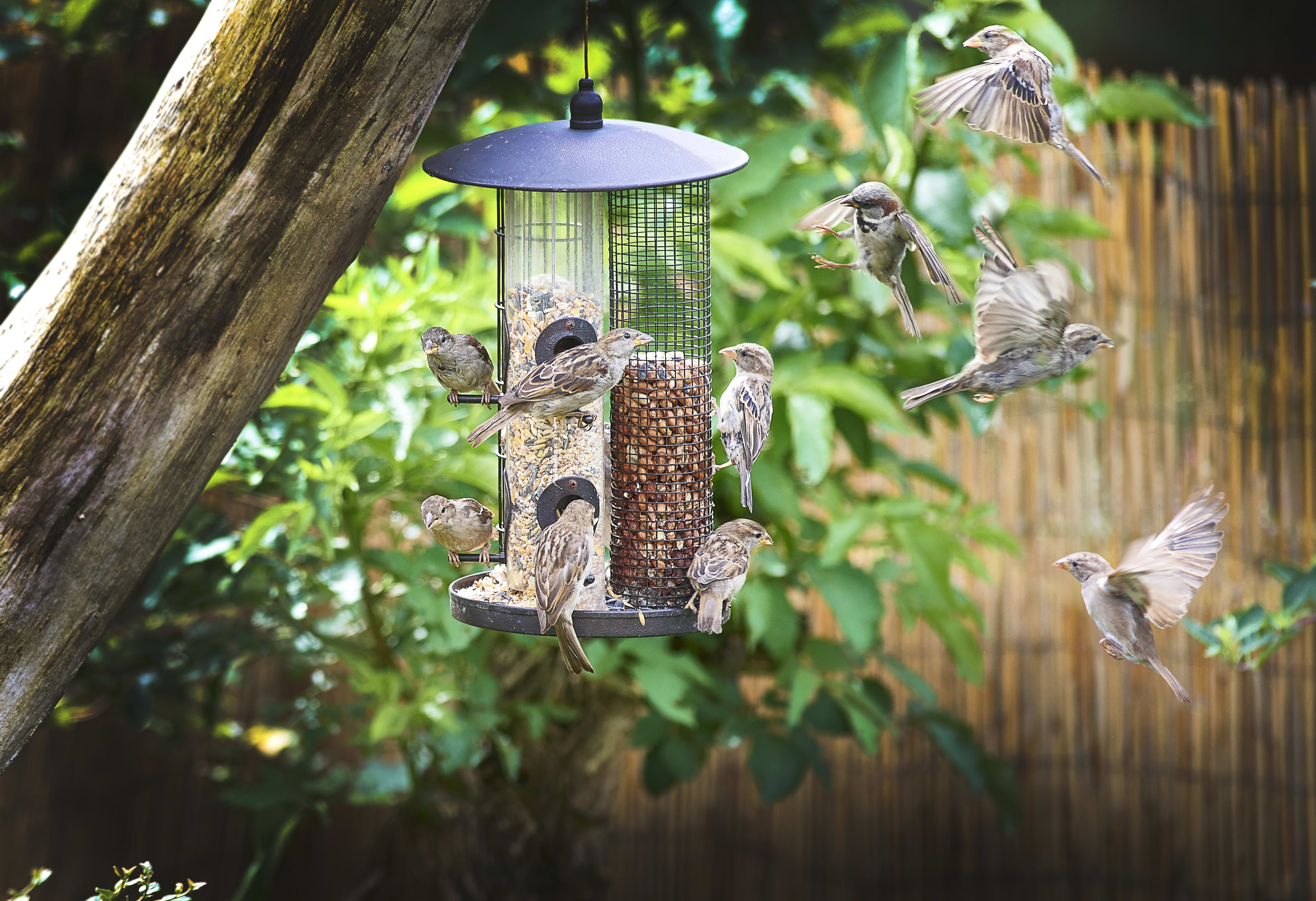
Credit: dengarden.com
Maintaining Feeders Year-round
Maintaining bird feeders throughout the year keeps birds healthy and happy. Clean, well-stocked feeders attract more birds and prevent disease. Regular care avoids common problems like mold and pests. Year-round attention ensures feeders stay safe and inviting in every season.
Cleaning And Hygiene Tips
Clean feeders at least once every two weeks. Use warm water and mild soap to remove dirt and old seeds. Rinse feeders well to remove soap residue. Dry feeders completely before refilling to prevent mold growth. Remove any seed hulls or debris daily. Regular cleaning stops the spread of germs among birds.
Refilling Strategies
Fill feeders in small amounts to keep seeds fresh. Check feeders daily during busy seasons like winter. Avoid overfilling to reduce waste and spoilage. Use high-quality seeds suited for local birds. Place feeders in shaded areas to keep seeds dry. Rotate seed types to attract different bird species.
Preventing Pest Problems
Keep feeders away from areas where pests gather. Use baffles or guards to block squirrels and rodents. Clean spilled seeds from around feeders to avoid attracting unwanted animals. Consider planting native plants to distract pests from feeders. Regularly inspect feeders for signs of pests or damage. Secure feeders firmly to prevent tipping by animals.
Attracting Diverse Bird Species
Attracting diverse bird species to your feeders requires more than just setting out seeds. You need to understand what different birds prefer and how their needs change throughout the year. By tuning into these details, you’ll see more colors and hear more songs in your backyard.
Seasonal Food Preferences
Birds don’t eat the same foods year-round. In winter, high-energy seeds like sunflower and safflower help them survive cold nights. Come spring, many birds prefer insects and soft fruits to fuel nesting and raising chicks.
Try switching your feeder offerings with the seasons to match what local birds naturally seek. This simple change can make your yard a hotspot for a wider variety of species.
Habitat Enhancements
Feeders alone won’t attract all birds. Adding shrubs, trees, and native plants creates shelter and nesting spots. Birds feel safer and are more likely to visit if they have nearby cover.
Have you noticed how a quiet, leafy corner invites more birds than an open space? Small habitat tweaks can turn your yard into a welcoming bird neighborhood.
Using Natural Food Sources
Natural foods like berries, nuts, and nectar often attract species that skip traditional feeders. Planting berry bushes or flowering vines can bring hummingbirds, orioles, and waxwings to your garden.
Offering these natural foods complements your feeders and supports birds’ health better. Have you tried growing native plants that feed birds naturally? It’s a rewarding way to boost bird diversity around your home.
Frequently Asked Questions
When Is The Best Time To Put Out Bird Feeders?
The best time to put out bird feeders is early spring. This helps birds find food after winter and during migration. Starting feeders early encourages birds to visit your yard consistently.
Should I Put Out Bird Feeders In Winter?
Yes, putting out bird feeders in winter supports birds when natural food is scarce. Offer high-energy foods like seeds and suet to help birds survive cold weather.
How Does Season Affect Bird Feeding Habits?
Bird feeding habits change with seasons due to food availability and migration. Spring and fall are key times to provide feeders as birds migrate and need extra energy.
What Type Of Food Should I Use In Feeders?
Use seeds like sunflower or millet, suet, and nuts. Different birds prefer different foods, so offering variety attracts more species year-round.
Conclusion
Bird feeders attract birds best during cooler months. Start early in fall to help birds find food. Keep feeders clean and filled regularly for healthy birds. Watch and enjoy different bird species visiting your yard. Feeding birds supports their survival in winter.
Patience brings more bird visitors over time. Your effort makes a small difference for wildlife. Simple actions can create a lively, bird-friendly space.




