
Finding a wounded bird can feel overwhelming. You want to help, but you might not know where to start.
What if you could nurse that fragile creature back to health with simple steps? Imagine the satisfaction of seeing it regain strength and fly again. You’ll learn exactly what to do to give your feathered friend the best chance at recovery.
Keep reading—you have the power to make a real difference.
Identifying Injuries
Nursing a wounded bird begins with spotting its injuries. Careful observation helps you know what the bird needs.
Identifying injuries early can save the bird’s life. Look closely at its body and behavior for signs of harm.
Common Bird Injuries
Birds can get hurt in many ways. Some injuries are easy to see, while others need a closer look.
- Broken or bent wings and legs
- Bleeding from cuts or wounds
- Swollen or bruised areas on the body
- Damaged feathers or bald spots
- Eye injuries or discharge
- Difficulty flying or walking
Check for any unusual shapes or movements. Gently examine the bird if it allows you to do so.
Signs Of Distress
Birds in pain or fear show clear signs. These clues tell you the bird needs help right away.
- Fluffed-up feathers and closed eyes
- Heavy breathing or panting
- Weak or unsteady movements
- Unusual quietness or silence
- Repeated shaking of the head or body
- Refusal to eat or drink
Notice how the bird acts compared to normal. Signs of distress mean the bird is hurt or scared.

Credit: www.reddit.com
Initial Safety Measures
Helping a wounded bird needs care and safety. You must protect yourself and the bird first. Stay calm and move slowly to avoid stress.
Proper steps keep both you and the bird safe. Learn how to approach and use protective gear before handling the bird.
Approaching The Bird
Approach the bird slowly and quietly. Sudden moves can scare it more. Watch the bird’s behavior for signs of fear or pain.
Speak softly or stay silent. Avoid direct eye contact to keep the bird calm. Move from the side, not from above.
- Move slowly and gently
- Watch the bird’s reactions
- Speak softly or stay quiet
- Approach from the side
- Avoid sudden movements
Using Protective Gear
Wear gloves to protect your hands from bites and scratches. Thick gloves work best without hurting the bird. Avoid using loose or torn gloves.
Use a towel or cloth to gently cover the bird. This helps keep the bird calm and stops it from flapping. Always handle with care to avoid more injury.
- Wear thick gloves for safety
- Use a towel to cover the bird
- Handle gently to avoid injury
- Do not squeeze or hold too tight
Creating A Temporary Shelter
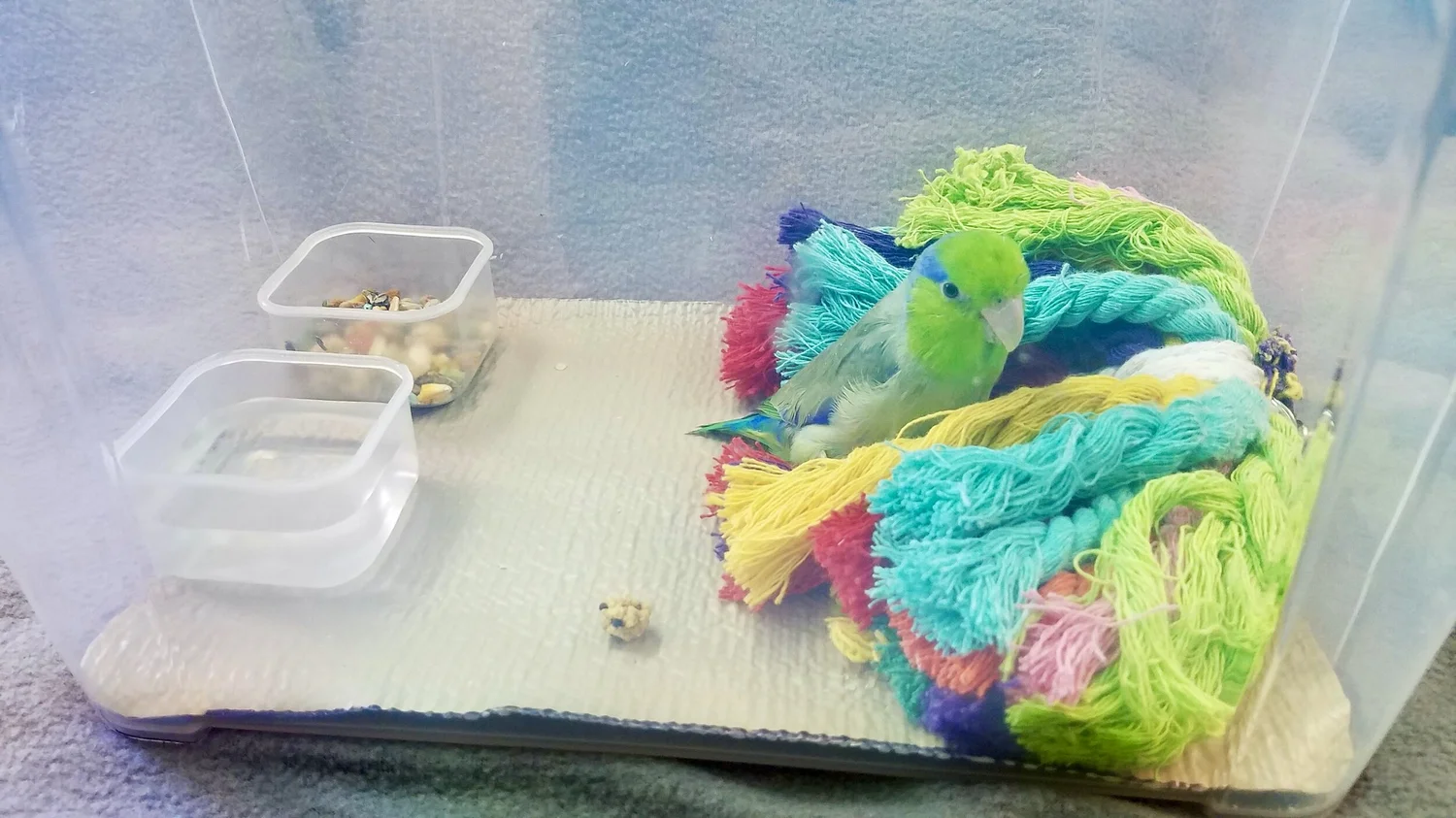
Nursing a wounded bird needs a safe and quiet place. A temporary shelter protects it from harm and stress.
This shelter should be easy to clean and keep the bird warm. You can use simple materials found at home.
Choosing The Right Container
Pick a container that is big enough for the bird to move a little. It should also keep the bird safe and calm.
- A cardboard box with air holes works well.
- A plastic storage bin can keep warmth inside.
- Use a basket lined with soft cloth for comfort.
- Make sure the container has a lid or cover.
- Do not use containers with sharp edges or gaps.
Maintaining Warmth And Comfort
Birds need warmth to heal faster. Keep the shelter cozy without overheating.
| Item | Purpose |
| Soft cloth or towel | Comfort and cushioning |
| Heating pad (low setting) | Provides gentle warmth |
| Hot water bottle wrapped in cloth | Alternative heat source |
| Thermometer | Monitor temperature inside shelter |
| Ventilation holes | Allow fresh air circulation |
Credit: www.exoticvetclinic.com
Feeding And Hydration
Nursing a wounded bird needs gentle care, especially with food and water. Proper feeding and hydration help the bird heal faster.
You must give the bird safe food and clean water in small amounts. This helps avoid stress and keeps the bird strong.
Safe Food Options
Offer soft, easy-to-digest foods to a hurt bird. Avoid hard seeds or anything spicy that may hurt its mouth.
- Small pieces of cooked rice or oatmeal
- Mashed fruits like banana or apple (no seeds)
- Boiled and finely chopped vegetables
- Insects such as mealworms or small crickets
- Bird-specific soft pellets from pet stores
Feed the bird small amounts often. This helps prevent choking and makes digestion easier.
Proper Hydration Techniques
Keep the bird hydrated with fresh water. Birds can get sick quickly if they do not drink enough.
Use a shallow dish or drop water gently near its beak. Do not force water inside the bird’s mouth.
- Change water twice a day to keep it clean
- Use a dropper to give water slowly if the bird is weak
- Place water close but not inside the cage to prevent spills
- Watch the bird to see if it drinks by itself
Handling And Care
Helping a wounded bird needs careful handling. Birds are easily scared and stressed. Gentle care helps them heal faster.
Knowing how to hold and care for the bird is very important. This guide will help you provide the right support.
Minimizing Stress
Stress slows a bird’s healing. Keep the bird in a quiet place away from noise and pets. Low light helps the bird stay calm.
Hold the bird only when needed. Use soft, slow movements. Speak softly to avoid frightening it.
- Place the bird in a small, dark box or cage
- Cover the cage with a light cloth
- Limit handling to feeding and cleaning
- Keep noise and activity low around the bird
Cleaning And Wound Care
Clean wounds gently to avoid infection. Use warm water and mild antiseptic. Avoid harsh chemicals that can hurt the bird.
Dry the wound softly with a clean cloth. Check the wound daily for signs of infection like redness or swelling.
- Wash hands before and after touching the wound
- Use sterile gauze or cotton for cleaning
- Apply antiseptic recommended for birds
- Keep the wound dry and clean at all times
- Change dressings if needed, carefully

Credit: www.birdsandblooms.com
When To Seek Professional Help
Caring for a wounded bird can be challenging. Sometimes, professional help is necessary. Knowing when to contact experts is crucial.
Not all injuries can be treated at home. Recognizing severe conditions and finding a wildlife rehabilitator are key steps.
Recognizing Severe Conditions
Some injuries require immediate attention. Look for specific signs to decide if professional help is needed.
- Visible bones or deep wounds
- Inability to fly or stand
- Bleeding that won’t stop
- Swelling or unusual discharge
Finding A Wildlife Rehabilitator
Once you identify a severe condition, find a wildlife rehabilitator. They are trained to care for injured birds properly.
Always contact them before visiting. They can offer advice and prepare for the bird’s arrival.
Releasing The Bird
Releasing a bird back to the wild is an important step in its recovery. It’s crucial to ensure the bird is ready to thrive on its own.
Follow guidelines to make sure the bird has the best chance of survival. Observe closely before deciding to release it.
Assessing Readiness
Evaluate the bird’s physical condition and behavior to determine readiness. Healthy birds show energy and alertness.
- The bird should fly without difficulty.
- It must eat and drink independently.
- Feathers should be in good condition.
Best Practices For Release
Choose the right time and location for the release. Early morning or late afternoon is often best.
Ensure the habitat is suitable and free of predators. Release the bird close to where it was found.
| Consideration | Details |
| Weather | Clear skies are ideal |
| Location | Familiar and safe area |
| Time of Day | Early morning or late afternoon |
Frequently Asked Questions
How Do I Safely Catch A Wounded Bird?
Approach slowly and calmly to avoid stressing the bird. Use a towel or gloves to gently pick it up. Place the bird in a ventilated box lined with soft cloth for transport or care.
What Should I Feed A Wounded Bird?
Provide fresh water and appropriate food based on the bird species. Common options include soaked dog kibble, mealworms, or seeds. Avoid giving bread or milk, as they can harm the bird.
When Should I Seek Professional Help For Injured Birds?
If the bird has severe wounds, bleeding, or cannot stand, contact a wildlife rehabilitator immediately. Professionals have the skills and resources to provide proper medical care and improve recovery chances.
How Do I Create A Safe Recovery Space For The Bird?
Use a quiet, warm, and dark area free from pets and loud noises. Provide soft bedding and avoid handling the bird unnecessarily to reduce stress and promote healing.
Conclusion
Nursing a wounded bird takes patience and care. Small steps help the bird heal and grow strong. Watch the bird closely and provide fresh food and water daily. Keep the environment quiet and safe to reduce stress. Your gentle touch can make a big difference.
Remember, every bird heals at its own pace. Enjoy the rewarding experience of helping a bird fly again. Caring for wildlife shows kindness and respect for nature. Keep learning and stay patient throughout the journey.




