
Having birds inside your house can be frustrating and even a little scary. You want them out quickly, but you also want to do it safely and without causing harm.
If you’ve ever wondered how to get birds out of your house without making the problem worse, you’re in the right place. This guide will give you clear, simple steps you can follow right now to solve the problem for good.
Keep reading, and you’ll learn how to protect your home and enjoy peace of mind again.
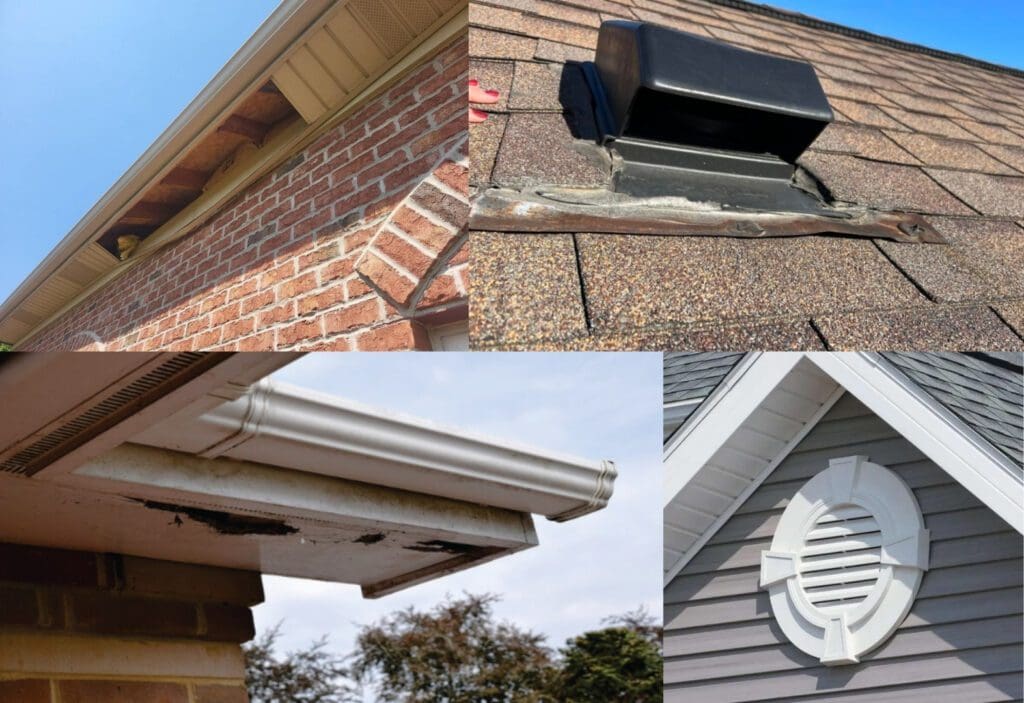
Credit: www.modernexteriorroofing.com
Why Birds Enter Homes
Birds enter homes for shelter, food, and safety. They may feel trapped outside or confused by open doors. Sometimes, they mistake indoor spaces for natural habitats. Understanding why birds come inside helps prevent future visits.
Common Entry Points
- Open windows and doors
- Chimneys and vents
- Gaps in the roof or eaves
- Broken screens or torn nets
- Cracks around pipes or cables
Attracting Factors Inside
Birds look for food crumbs or water sources. Bright lights and indoor plants can lure them in. Quiet, dark corners seem safe for resting or nesting. Pet food left out may also attract birds.
Seasonal Patterns
Spring and summer bring nesting and breeding. Birds seek warm, sheltered spots during cold months. Migration periods increase accidental indoor visits. Storms and strong winds push birds inside for safety.
Signs Of Birds Inside
Noticing birds inside your house can be tricky at first. Some signs are clear, while others might be subtle. Knowing these signs helps you act quickly before the situation worsens. Birds inside can cause noise, mess, and damage.
Sounds And Movements
Listen for fluttering wings or chirping inside walls or ceilings. Sudden noises in attics or vents often mean birds have entered. You might see quick movements near windows, vents, or chimneys. These sounds and movements point to active birds inside your home.
Droppings And Nesting Materials
Look for small piles of bird droppings on floors or window sills. Feathers scattered around corners or near vents suggest birds are nearby. Nesting materials like twigs, leaves, and grass in hidden spots show birds have settled. These signs help locate the exact places birds use inside.
Damage And Odors
Chewed wires, gnawed wood, or damaged insulation indicate bird activity. Birds peck and scratch, causing harm to structures and wiring. A strong, musty odor in certain areas can come from bird droppings or nests. These damages and smells warn of a bird presence inside your house.
Safe Eviction Methods
Getting birds out of your house safely should be your top priority. You want to remove them without causing harm or stress. Using gentle and thoughtful methods helps protect both you and the birds while solving the problem effectively.
Using Gentle Deterrents
Try using gentle deterrents like soft sounds or visual signals to encourage birds to leave. Hanging reflective objects, such as old CDs or shiny ribbons, near windows can make birds uncomfortable without hurting them.
Playing nature sounds or gentle noises can also nudge birds to find a more welcoming spot outside. Have you ever noticed birds avoiding areas with certain sounds? This tactic uses their natural instincts to guide them out.
Creating Exit Paths
Clear a direct exit route by opening windows and doors wide. Remove any obstacles that might confuse or block the birds. You want to make it as easy as possible for them to find their way out.
Consider turning off indoor lights and opening outdoor lights to draw birds toward the natural exit. This simple trick helps them see the way clearly and speeds up their departure.
Avoiding Harmful Chemicals
Never use sprays or poisons to get birds out. These substances can be dangerous to both birds and your family. Instead, focus on non-toxic solutions that respect wildlife and your home environment.
Have you thought about how chemicals might linger in your living space? Choosing safe methods not only protects the birds but keeps your indoor air clean and healthy.
Preventing Future Intrusions
Seal all entry points like vents and gaps to stop birds from entering your home again. Regularly check and repair any damage to keep the house secure. Use bird deterrents near openings to discourage nesting.
Preventing birds from entering your home can be simple. Small changes can keep these feathered visitors outside. Implementing a few practical measures will help maintain a bird-free house.Sealing Entry Points
Check your home for any gaps or holes. Birds love small openings to enter. Seal cracks in walls and close any vents. Use wire mesh or caulk for larger spaces. Ensure windows and doors fit snugly in their frames. This stops birds from finding their way inside.Removing Attractants
Food and water can attract birds. Keep pet food indoors and cover trash cans. Remove standing water from your yard. Trim trees and bushes near windows or doors. This discourages birds from roosting close to your home.Installing Bird Deterrents
Bird deterrents can keep birds away effectively. Install bird spikes on ledges and balconies. Use reflective tape or pinwheels in your garden. Hang wind chimes to create noise that birds dislike. Bird netting can protect larger areas like patios. These methods help maintain a bird-free zone around your home.When To Seek Professional Help
Sometimes, removing birds from your house requires expert help. Birds can be tricky and cause more damage if not handled right. Professionals have the tools and skills to remove birds safely and quickly.
Knowing when to get help saves time and prevents harm to both you and the birds. Certain situations need special care and experience.
Handling Aggressive Birds
Aggressive birds can attack when threatened. They may bite or scratch, causing injuries. Professionals know how to protect themselves and calm the birds. Avoid trying to catch aggressive birds alone. Experts use safe techniques and equipment for removal.
Dealing With Large Infestations
Large groups of birds can cause serious problems. They create noise, mess, and damage to your home. Removing many birds requires more effort and proper planning. Experts have the right tools to handle infestations effectively. They also prevent birds from returning after removal.
Legal And Wildlife Considerations
Many birds are protected by law. Removing or harming them without permission can lead to fines. Professionals understand wildlife laws and follow them strictly. They know how to remove birds without breaking rules. Hiring experts ensures the birds’ safety and your legal protection.
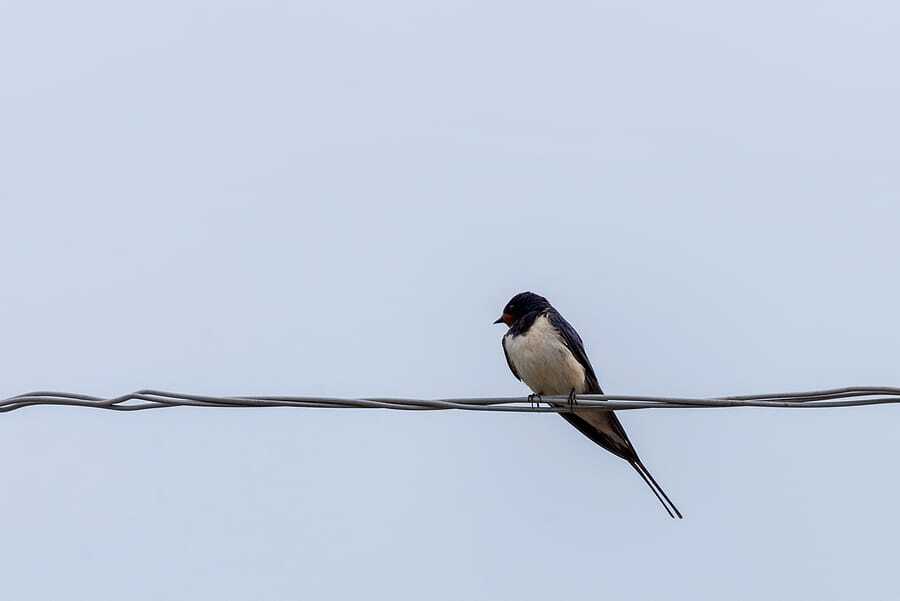
Credit: www.callnorthwest.com
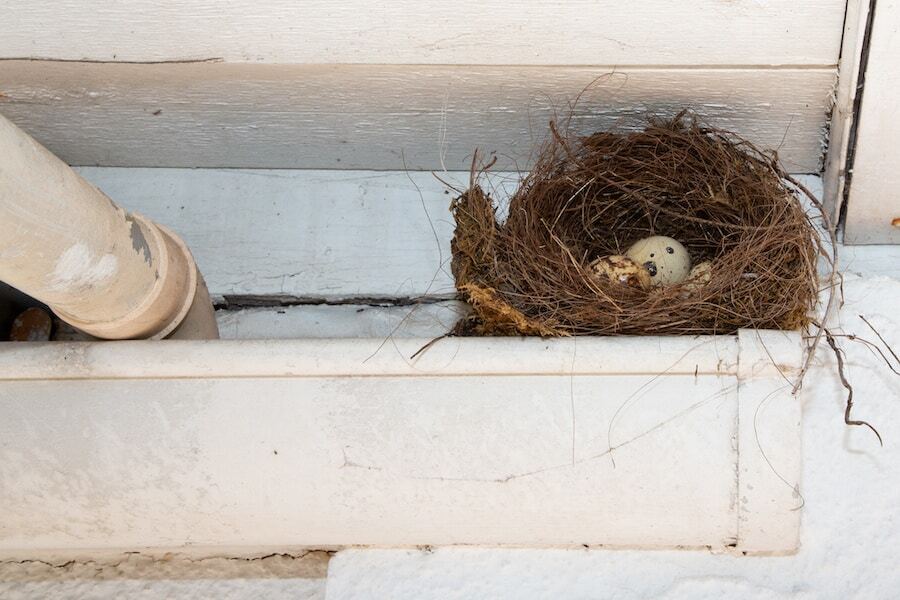
Credit: www.callnorthwest.com
Frequently Asked Questions
How Do I Safely Remove Birds From My House?
To safely remove birds, open windows and doors for an exit. Use gentle noise or light to encourage them out. Avoid harming the birds or using traps indoors. Call a wildlife professional if birds are trapped or injured.
What Are Natural Ways To Keep Birds Out?
Natural deterrents include hanging reflective objects, using bird spikes, and applying bird gel on ledges. Planting herbs like mint near entry points can help. Regularly close openings and seal gaps to prevent bird entry.
Why Do Birds Enter Houses Unexpectedly?
Birds enter homes searching for food, warmth, or shelter. Open doors, broken windows, or gaps in roofs can invite them inside. Nesting season increases their activity near homes. Regular maintenance and vigilance reduce accidental entry.
Can I Use Household Items To Scare Birds Away?
Yes, items like shiny CDs, aluminum foil strips, or wind chimes can scare birds. These create reflections and noise that birds dislike. Place them near windows and entry points to discourage birds from entering.
Conclusion
Birds inside your home can cause stress and damage. Act quickly to guide them outside safely. Close doors and windows to block entry points. Use gentle methods like noise or light to encourage movement. Avoid harming the birds or creating loud disturbances.
Keep your home clean to prevent future visits. Regular checks help spot birds early. Taking simple steps keeps your house bird-free and peaceful. Your calm and care make all the difference.




