
Have you ever wondered how vampire bats manage to feed on birds without waking them up? It sounds like something out of a spooky story, but it’s a real and fascinating behavior.
If you’re curious about how these tiny creatures sneak up on their feathered prey and get their meal, you’re in the right place. Keep reading, and you’ll discover the surprising tricks vampire bats use to feed on birds—and why it’s so important to their survival.
This might change the way you think about these mysterious night flyers forever.
Vampire Bat Feeding Habits
Vampire bats have a unique way of feeding that sets them apart from other bats. Their feeding habits involve precision and stealth, especially when they target birds. Understanding these habits helps you appreciate how these creatures survive and thrive in their environments.
Diet Preferences
Vampire bats primarily feed on blood, a behavior called hematophagy. While their main targets are mammals, some species have adapted to feed on birds. They prefer birds that roost quietly at night, making it easier to approach without being noticed.
Birds offer a different challenge because their skin is tougher and covered in feathers. Vampire bats usually bite exposed skin areas like around the neck or under the wings. This targeted feeding allows them to access blood without alerting the bird immediately.
Feeding Frequency
These bats need to feed almost every night to meet their energy needs. Missing a meal can be dangerous, as they rely heavily on the nutrients found in blood. Their metabolism is fast, which means they must constantly replenish their energy supply.
You might wonder how vampire bats survive if they don’t find a bird or mammal to feed on one night. They have a social system where bats share blood meals with others who missed out. This cooperative behavior increases their chances of survival in tough conditions.

Credit: uk.news.yahoo.com
Targeting Birds As Prey
Vampire bats usually feed on mammals, but some species also target birds. Birds become prey mainly during the night. The bats seek out sleeping birds because they are easier to approach and feed on. This feeding behavior shows the bats’ ability to adapt to different environments and food sources.
Bird Species At Risk
Not all birds are vulnerable to vampire bats. Certain bird species are more likely to be targeted due to their size and sleeping habits. These include:
- Chickens
- Ducks
- Owls
- Other small to medium-sized birds
Birds that sleep in groups or roost low to the ground face higher risk. Their resting spots make it easier for bats to reach them without being noticed.
Hunting Strategies
Vampire bats use keen senses to find birds at night. Their sharp hearing detects bird movements and breathing sounds. Bats approach quietly, landing on feathers without waking the bird. They use their sharp teeth to make a small cut on the skin. Then, they lap up the blood with their tongue. This process is quick and usually painless for the bird.
The bats’ saliva contains chemicals that stop blood clotting. This allows the blood to flow freely while feeding. After feeding, vampire bats retreat silently to avoid predators and return to their roost.
Techniques Of Blood Extraction
Vampire bats have a unique way of feeding on birds. Their technique is precise and efficient. They use special adaptations to draw blood without waking their prey. This allows them to feed quietly and safely during the night.
Bite Mechanics
The bat’s bite is small but sharp. It uses its razor-like teeth to make a tiny cut on the bird’s skin. The cut is painless because it is very shallow. This helps the bat avoid detection by the bird.
The bat’s tongue then laps up the blood flowing from the wound. Its strong jaw muscles hold the bite steady. This keeps the wound open and blood flowing freely.
Anticoagulant Saliva
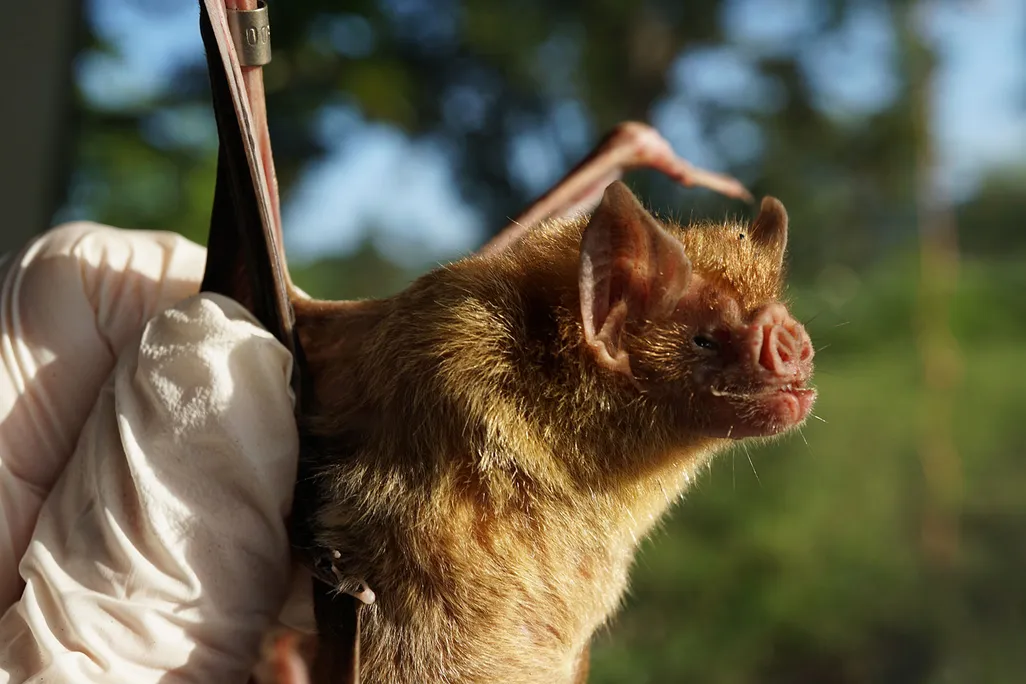
The bat’s saliva has a special chemical that stops blood from clotting. This anticoagulant keeps the blood liquid and easy to suck. Without it, the blood would dry and block the wound.
This saliva also has mild anesthetic properties. It helps reduce any pain or itching for the bird. This way, the bat can feed longer without being noticed.
Credit: www.smithsonianmag.com
Adaptations For Feeding On Birds
Vampire bats use sharp teeth to make small cuts on birds’ skin. Their saliva contains special chemicals that stop blood from clotting. This helps them feed easily and quietly without waking the bird.
Adaptations for feeding on birds are fascinating, showcasing the unique evolution of vampire bats. These nocturnal creatures have developed specialized traits and abilities to hunt avian prey effectively. Understanding their physical and sensory adaptations offers insight into their survival strategies and interactions with their environment.Physical Traits
Vampire bats have razor-sharp teeth that are perfectly suited for piercing bird skin without causing significant harm. Their teeth are so sharp that they can create a small incision, allowing them to feed without waking their prey. Additionally, their wings are adapted for silent flight, enabling them to approach birds stealthily. Their lightweight bodies and strong hind legs allow them to maneuver easily through trees and tight spaces where birds often roost. This agility is crucial for capturing and feeding on birds, which are generally more alert and mobile compared to other prey.Sensory Abilities
These bats possess extraordinary thermal sensors on their noses, which help them locate the warmest spot on a bird’s body, ensuring efficient feeding. This sensory adaptation is critical as it allows them to detect the optimal site for blood extraction. Furthermore, vampire bats have an acute sense of hearing, allowing them to locate birds in the dark. They can detect even the slightest rustle of feathers, giving them an edge in pinpointing their prey. Ever wondered how these bats can fly in the dark without colliding into objects? Their advanced echolocation skills guide them effortlessly through dense foliage, making them expert hunters. These adaptations highlight the intricate ways vampire bats have evolved to thrive. What other creatures do you think have developed similarly specialized traits?Risks And Challenges
Vampire bats face many risks and challenges when feeding on birds. Birds are quick and alert, making it hard for bats to feed without being noticed. The environment also plays a big role in the bats’ success or failure. These factors shape how vampire bats approach their prey and survive in the wild.
Defensive Behaviors Of Birds
Birds use several defense tactics to protect themselves from vampire bats. They often sleep in places that are hard to reach. Some birds stay in groups to watch for danger. When a bat tries to feed, birds might flap wings or make noise to scare it away.
Strong beaks and claws help birds defend themselves physically. Fast reflexes allow them to react quickly to bat attacks. These behaviors increase the difficulty for vampire bats to feed on birds safely.
Environmental Factors
The environment affects how vampire bats hunt birds. Weather conditions like rain or wind can stop bats from flying well. Dense forests or open areas also change how bats approach their prey.
Light levels matter too. Bats prefer dark places, as birds are less active then. Changes in temperature may affect bat activity and feeding times. These environmental factors add challenges to vampire bats’ feeding efforts on birds.

Credit: www.youtube.com
Impact On Bird Populations
Vampire bats feeding on birds can affect bird populations in several ways. Their bites cause physical harm and stress. The impact is not just on individual birds but can influence the health and behavior of entire groups. Understanding these effects helps in studying bird ecology and conservation.
Health Effects
Vampire bat bites create open wounds on birds. These wounds can lead to infections. Blood loss from bites may weaken birds, reducing their ability to fly and find food. Some birds may develop anemia due to frequent feeding by bats. This makes them more vulnerable to predators and disease.
Behavioral Changes
Birds may change their daily routines to avoid vampire bats. They might rest in safer or more hidden spots. Nocturnal birds could alter their activity times. Increased stress from bat attacks can reduce feeding and mating behaviors. These changes can affect bird survival and reproduction rates.
Surprising Facts About Vampire Bats
Vampire bats are often misunderstood creatures. Their feeding habits and social behavior reveal surprising facts. These bats are not just lone hunters; they show complex social patterns. Their interaction with birds and other animals is fascinating to observe.
Social Feeding Habits
Vampire bats live in groups called colonies. They share food with others who fail to feed. This sharing helps the colony survive tough nights. Bats can recognize each other and remember past help. They groom each other to build trust and bonds. This teamwork increases their chances of survival.
These bats often feed on birds quietly at night. They approach sleeping birds and make a small cut. Their saliva contains an anticoagulant that keeps the blood flowing. They drink only a small amount, enough to satisfy them. After feeding, they return to the colony to share food.
Myths Vs Reality
Many myths surround vampire bats, but facts differ. They do not suck blood until their prey dies. Their bites are usually painless due to special saliva. Vampire bats rarely attack humans; they prefer birds or livestock. They do not spread diseases easily, but caution is needed.
Contrary to popular belief, vampire bats are not aggressive. They avoid large animals and look for easy prey. Their feeding is quick to avoid detection and danger. These bats play a role in their ecosystem by controlling other animals’ populations. Understanding their behavior helps reduce fear and misinformation.
Frequently Asked Questions
How Do Vampire Bats Locate Birds To Feed On?
Vampire bats use heat sensors on their noses to detect blood flow in birds. They also rely on echolocation and keen hearing to find roosting birds at night.
What Technique Do Vampire Bats Use To Feed On Birds?
Vampire bats make a small incision with their sharp teeth on the bird’s skin. They then lap up the blood using their tongue without waking the bird.
Can Vampire Bats Feed On Birds Without Killing Them?
Yes, vampire bats usually feed without harming birds seriously. They take only small amounts of blood, allowing the bird to survive and heal quickly.
Why Do Vampire Bats Prefer Birds For Feeding Sometimes?
Birds provide a reliable blood source, especially in areas where mammals are scarce. Vampire bats adapt to feed on birds when mammal hosts are less available.
Conclusion
Vampire bats have a unique way of feeding on birds. They use sharp teeth to make small cuts. Their saliva stops the blood from clotting. This helps them drink easily and quietly. Birds often don’t feel the bite right away.
These bats are skilled hunters of the night. Understanding their feeding helps us learn about nature. It shows how animals adapt to survive. Watching these creatures reveals the wonders of wildlife. Their behavior is both strange and fascinating.




