
Have you ever wondered if having birds inside your home means dealing with unpleasant smells? You might love the idea of a feathered friend brightening up your space, but the last thing you want is your house smelling bad.
The good news is, understanding why birds might cause odors—and how to prevent them—can keep your home fresh and inviting. Keep reading to discover the simple facts about birds and odors, and learn easy ways to enjoy your pets without worrying about unwanted smells.

Credit: www.bnd.com
Bird Odor Basics
Bird odor can be a concern for many pet owners. Understanding the basics helps manage any smells. Birds have natural scents that come from their bodies and environment. Knowing these scents can help keep your home fresh and clean.
Why Birds Smell
Birds have oils on their feathers that keep them healthy. These oils can have a mild scent. Birds also produce droppings that can cause odor. Their cages or living areas may trap smells if not cleaned often. Sometimes, strong smells come from food or bedding. Poor ventilation around bird spaces adds to odor problems.
Common Bird Scents
Birds can give off different smells depending on their type and diet. Some common bird scents include:
- Earthy smell from natural feathers and oils
- Musky scent from preening glands
- Slight ammonia odor from droppings
- Sweet or fruity aroma if fed certain fruits
- Musty smell from dirty cages or damp bedding
Regular cleaning and fresh air reduce most bird odors. Knowing these basics helps create a pleasant home environment with birds.
Factors Affecting Bird Smell
Birds can sometimes produce odors that affect your home’s atmosphere. Understanding what causes these smells can help you manage and reduce any unwanted scents. Several key factors play a role in whether your bird’s presence leads to noticeable odors or a fresh, pleasant environment.
Diet And Hygiene
Your bird’s diet has a direct impact on its smell. Foods high in oils or certain seeds may cause stronger odors in droppings. Clean, fresh water and a balanced diet can help keep your bird’s natural scent mild.
Hygiene matters just as much. Regular preening is a bird’s way of staying clean, but you might need to help with occasional baths or wipes. How often do you notice your bird grooming itself? Encouraging good hygiene can reduce odors significantly.
Cage Cleanliness
The state of your bird’s cage plays a huge role in the smell around your home. Droppings, food scraps, and feathers left uncleaned create an unpleasant odor quickly. Clean the cage at least once a week to keep smells under control.
Using cage liners and changing them regularly makes a big difference. Some bird owners find that adding natural odor absorbers like baking soda near the cage helps too. Have you tried different cleaning routines to see what works best for your bird?
Bird Species Differences
Not all birds smell the same. Parrots, finches, and canaries have different natural odors. Larger birds with more oil glands may produce stronger scents than smaller, less oily species.
Some species also have more active metabolisms, leading to more frequent droppings and potential smell buildup. Knowing your bird’s species-specific traits can guide how often you clean and what kind of diet to provide. What bird do you have, and how does its scent compare to others you’ve met?
Signs Of Unpleasant Odors
Birds can sometimes cause unpleasant odors inside the house. These smells often come from various sources related to the bird’s environment. Recognizing the signs of these odors helps keep your home fresh and healthy. It also prevents the smell from becoming overwhelming or permanent.
Identifying Problem Areas
Check the bird’s cage and surrounding spots for odor sources. Droppings build up quickly and cause strong smells. Uneaten food left in the cage can rot and create bad odors. Feathers and dust collect in corners and under the cage. Poor ventilation in the room traps smells and makes them worse.
- Dirty cage bottom or lining
- Food scraps and spilled water
- Feather dust on nearby surfaces
- Areas with poor airflow
Health Issues Linked To Smell
Unpleasant odors may signal health problems with your bird. Infections in the respiratory system can cause foul smells. Skin or feather infections also produce odors. Poor hygiene and stress weaken birds, increasing odor risk. These health issues require prompt attention to avoid harm.
- Respiratory infections
- Skin or feather infections
- Digestive problems
- Stress and poor hygiene
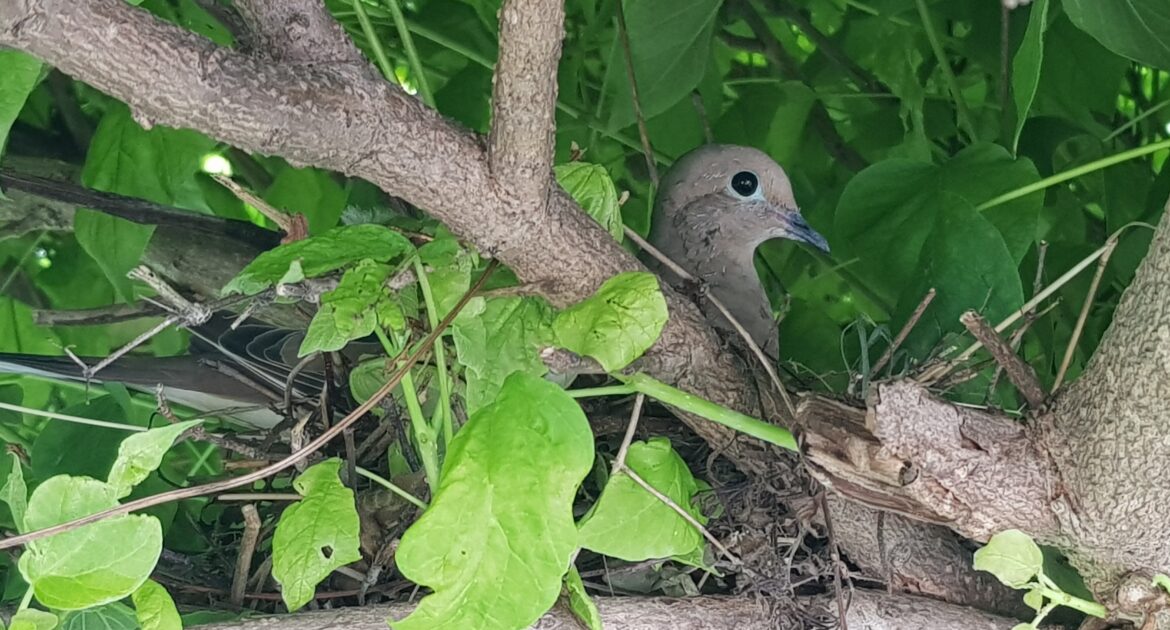
Credit: www.skedaddlewildlife.com
Preventing Bird Odor
Birds can sometimes cause odors in the house due to droppings and feathers. Regular cleaning and good ventilation help keep the air fresh. Using natural odor absorbers also reduces unwanted smells effectively.
Preventing bird odor is essential for a fresh-smelling home. Birds are delightful companions but can bring unwanted smells. With the right care, you can avoid these odors.Cleaning Routines
Regular cleaning prevents bad smells. Clean the cage daily to remove droppings and food debris. Use a mild soap and warm water for cleaning. Ensure to rinse thoroughly to remove soap residue. This keeps the cage environment healthy and odor-free.Proper Ventilation
Good airflow reduces odors. Place the cage in a well-ventilated area. Open windows and doors to allow fresh air in. Use fans to circulate the air if needed. This simple step helps eliminate unwanted smells.Regular Grooming
Grooming your bird is crucial. Bathe your bird weekly to keep feathers clean. Use lukewarm water and avoid harsh soaps. Trim nails and beak as needed to maintain hygiene. Regular grooming keeps your bird fresh and reduces odors.Natural Remedies And Products
Birds can sometimes cause odors inside the house. Natural remedies and products help control these smells without harming your feathered friends. They keep the air fresh and safe for both birds and humans.
Safe Deodorizers
Choose deodorizers made from natural ingredients. They avoid harsh chemicals that can irritate birds’ sensitive respiratory systems. Look for products with ingredients like activated charcoal or baking soda.
- Activated charcoal absorbs odors effectively.
- Baking soda neutralizes unpleasant smells.
- Essential oils such as lavender or eucalyptus can freshen air, but use sparingly.
Place these deodorizers near the bird’s cage, but out of reach. Change or refresh them regularly for best results.
Homemade Solutions
Simple homemade remedies can reduce bird odors naturally. These solutions use common household items that are safe and easy to find.
- Sprinkle baking soda on cage liners to absorb moisture and odor.
- Mix equal parts water and white vinegar in a spray bottle to clean cage surfaces.
- Use a bowl of activated charcoal near the cage to trap smells.
Regular cleaning combined with these remedies keeps your home smelling fresh. Avoid strong perfumes or sprays that can harm birds.

Credit: www.sixpennychimney.com
When To Seek Veterinary Help
Recognizing when your bird needs veterinary help is crucial, especially if you notice unusual odors in your home. Bad smells can sometimes signal health issues rather than just hygiene problems. Paying close attention to your bird’s behavior and physical condition can help you act before problems worsen.
Signs Of Illness
If your bird starts smelling stronger than usual, it could be a red flag. Watch for signs like:
- Changes in droppings, such as unusual color, consistency, or smell
- Fluffed-up feathers or constant sneezing
- Loss of appetite or sudden weight loss
- Breathing difficulties or nasal discharge
These symptoms often come with odors that are more intense or different from the typical bird scent. Noticing these early can save your pet from serious health issues.
Professional Odor Control
Sometimes, despite your best cleaning efforts, odors persist due to underlying medical issues. A vet can diagnose infections or diseases causing foul smells. They might recommend treatments or professional cleaning methods to manage odor effectively.
Veterinarians also advise on diet changes or supplements that improve your bird’s overall health and reduce bad smells. Have you ever wondered if your bird’s smell is telling you something you can’t see? Consulting a vet brings clarity and peace of mind.
Frequently Asked Questions
Do Pet Birds Cause Bad Odors Indoors?
Pet birds can cause odors if cages are not cleaned regularly. Proper hygiene and ventilation prevent most smells in the house.
Why Do Bird Cages Sometimes Smell Unpleasant?
Bird droppings, food debris, and feathers can accumulate, causing odor. Frequent cage cleaning and changing liners help reduce unpleasant smells.
Can Bird Diet Affect House Odor?
Yes, certain bird diets can impact odor strength. Fresh, balanced diets lead to less smelly droppings and a fresher indoor environment.
How Often Should I Clean My Bird’s Cage?
Clean the cage at least once a week thoroughly. Daily spot cleaning removes droppings and food waste, controlling odors effectively.
Conclusion
Birds do not usually stink up the house if kept clean. Regular cage cleaning helps prevent odors. Proper ventilation also keeps the air fresh. Feeding birds the right food reduces bad smells. Spending time with your bird keeps it happy and healthy.
Small efforts make a big difference in home smell. Enjoy the company of birds without worrying about odor. A clean environment means a pleasant home for everyone.




