
Have you ever wondered if birds actually enjoy using bird baths? If you’ve set one up in your garden or are thinking about it, you probably want to know if it’s worth the effort.
Imagine watching colorful birds splash and play right outside your window—sounds delightful, right? But do birds see bird baths as a safe and inviting place, or do they simply ignore them? You’ll discover the surprising truth about how birds feel about bird baths and learn how you can make yours irresistible to feathered visitors.
Keep reading, and you’ll soon become the go-to spot for happy, thirsty birds!
Bird Baths And Bird Behavior
Bird baths play a unique role in bird behavior and daily activities. Birds use them not only to drink water but also to clean their feathers. Clean feathers help birds fly better and stay warm. Watching birds at a bath reveals many interesting behaviors. These moments show birds’ natural habits and needs clearly.
Why Birds Visit Bird Baths
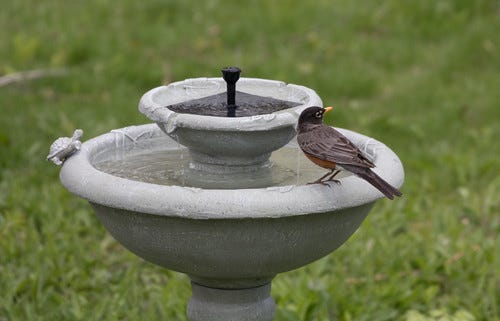
Birds visit baths mainly for drinking and bathing. Drinking water is vital for their survival. Bathing helps remove dirt and parasites from feathers. Birds splash water on themselves, then shake and preen. This keeps their feathers healthy and strong.
Bird baths also offer a safe spot to rest. Birds often pause here during their daily flights. Water sources attract many birds, creating a lively scene. They prefer shallow water that is easy to access.
Common Bird Species That Use Baths
Several bird species enjoy bird baths regularly. Some of the most common include:
- American Robin
- House Sparrow
- Blue Jay
- Cardinal
- Mourning Dove
- Chickadee
- Goldfinch
Each species bathes differently, showing unique behaviors. Some prefer quick dips, while others linger longer. Providing clean, fresh water attracts a variety of birds to your yard.
Credit: lauraerickson.substack.com
Benefits For Birds
Providing a bird bath in your yard offers more than just a decorative touch—it delivers real benefits to your feathered visitors. Birds rely on water not only to drink but also to keep themselves healthy and comfortable. Understanding these benefits can help you create a more inviting space for birds to thrive.
Hydration And Cooling
Birds need clean water to stay hydrated, especially during hot weather. A bird bath gives them easy access to fresh water, which is crucial for their survival. You might notice birds eagerly visiting your bath on warm days, taking quick sips and splashing around to cool off.
Have you ever watched a bird pause between flights to drink? That moment of refreshment helps maintain their energy and alertness. Providing water can directly support your local bird population in a tangible way.
Feather Maintenance
Bathing is vital for birds to keep their feathers in top shape. Wet feathers are easier to preen, which means birds can remove dirt and parasites more effectively. A clean, well-maintained plumage improves their ability to fly and stay warm.
When I placed a shallow bird bath in my garden, I saw sparrows and finches repeatedly splash and spread water over their feathers. It was a clear sign they valued the bath for grooming. You can help birds maintain their health just by offering a simple water source.
Social Interaction
Bird baths often become lively meeting spots where birds socialize and communicate. Different species might share the same bath, offering you a chance to observe fascinating behaviors and interactions. These social moments can strengthen local bird communities.
Watching birds at a bath can prompt questions: Which species get along? Who claims the best spot? Your bird bath can become a stage for nature’s social dynamics, enriching your outdoor experience and connection to wildlife.
Benefits For Wildlife And Ecosystems
Bird baths do more than just provide a refreshing splash for your feathered visitors. They play a vital role in supporting wildlife and maintaining healthy ecosystems. When you add a bird bath to your garden, you create a small but powerful hub of activity that benefits many species beyond just birds.
Supporting Local Biodiversity
Bird baths attract a variety of animals, not just birds. Amphibians, insects, and small mammals often visit for water, increasing the diversity of life around your home. This diversity helps keep your garden balanced and lively.
By offering a reliable water source, you help species survive dry periods. This support is crucial in urban or suburban areas where natural water sources are limited. Have you noticed how much more vibrant your yard feels when wildlife is thriving?
Encouraging Pollination And Pest Control
Water attracts beneficial insects like bees and butterflies that pollinate plants. This helps your flowers, fruits, and vegetables grow stronger and healthier. Without pollinators, many plants struggle to reproduce effectively.
Bird baths also bring in insect-eating birds, which help control pests naturally. You’ll likely see fewer garden pests when birds have easy access to water nearby. This means less need for chemical pesticides, making your garden safer for everyone.

Credit: www.yahoo.com
Choosing The Right Bird Bath
Birds enjoy bird baths for drinking and cooling off. Choosing a shallow, clean bath with gentle water flow attracts more birds. Place it in a safe, quiet spot to encourage visits.
Choosing the right bird bath can attract a variety of feathered friends. Birds enjoy a reliable water source for drinking and bathing. An appealing bird bath enhances your garden’s charm and offers birds a safe haven.Materials And Design
Selecting the right materials impacts the bird bath’s longevity. Concrete bird baths are durable and stable. They withstand the elements well. Plastic bird baths are lightweight and easy to clean. Metal bird baths have a sleek look but may rust over time. Consider designs with shallow basins. Birds prefer gently sloping edges for easy access. Decorative touches add beauty but ensure functionality first.Placement Tips
Place your bird bath in a quiet spot. Birds need to feel safe from predators. Avoid areas with heavy foot traffic. Choose a location near trees or shrubs. This provides birds with quick escape routes. Ensure the bird bath is visible from above. Birds spot water easily from the sky. Keep it away from seed feeders to reduce contamination. Regular cleaning helps maintain a healthy environment.Maintaining A Safe Bird Bath
Maintaining a safe bird bath helps keep birds healthy and happy. Clean water attracts more birds to visit and stay longer. A well-kept bird bath also prevents the spread of diseases. Safety encourages birds to use the bath without fear.
Cleaning Frequency
Clean the bird bath regularly to stop germs and algae growth. Change water every two to three days during warm weather. Use a scrub brush to remove dirt and slime. Avoid harsh chemicals; mild soap and water work best. Rinse thoroughly to keep water safe for birds.
Preventing Predators
Place the bird bath in an open area to spot predators quickly. Keep it away from places where cats or other animals can hide. Use a pedestal or hanging bird bath to reduce risk. Surround the area with plants but keep some clear space. This balance helps birds feel safe while drinking or bathing.
Credit: www.homesandgardens.com
Seasonal Considerations
Bird baths are a favorite spot for many feathered visitors, but their use changes with the seasons. Knowing how to adapt your bird bath to different weather conditions can keep your garden birds happy year-round. Seasonal care ensures that your bird bath remains a safe and inviting place, no matter the temperature or weather challenges outside.
Winter Bird Bath Solutions
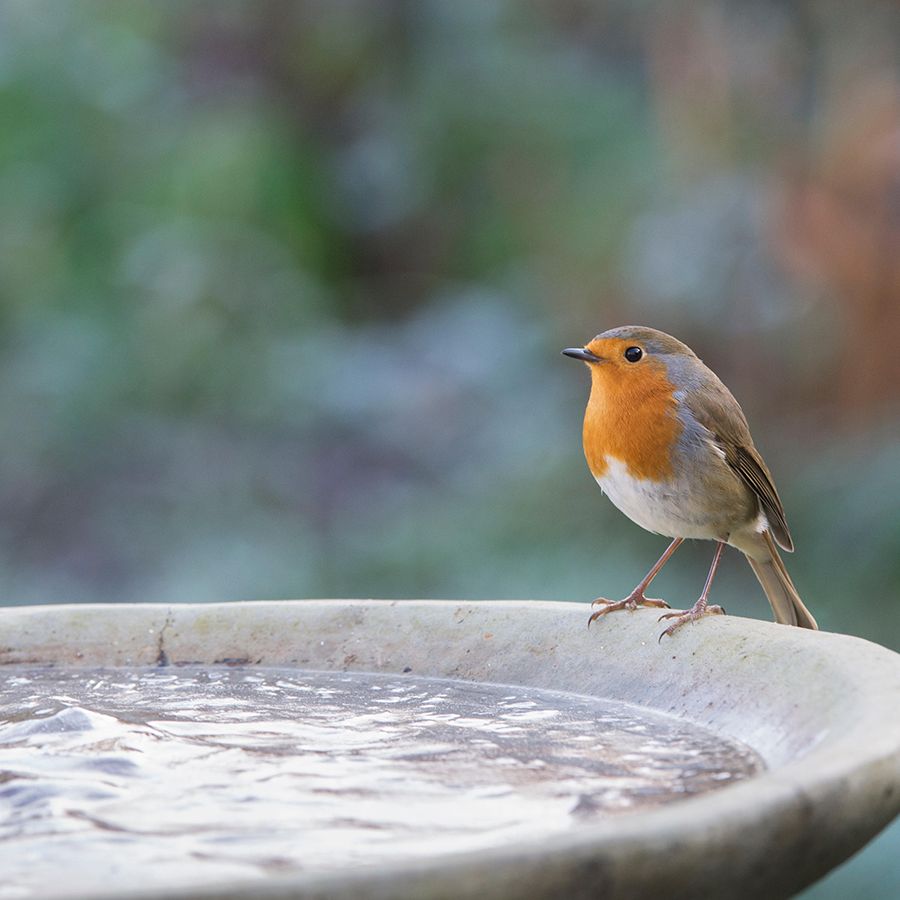
Cold weather can freeze the water, making it unusable for birds. Adding a bird bath heater or placing the bath in a sunny, sheltered spot can keep the water from freezing. I once placed a small heater under my bird bath, and it became a popular spot for birds even in the harshest winter days.
Regularly check the water to ensure it stays fresh and ice-free. If you don’t have a heater, changing the water often or using a shallow dish can help. Think about the safety of the birds—frozen water can be harmful, so keeping it liquid is crucial.
Summer Heat Management
During hot months, water can evaporate quickly and become too warm for birds. Placing your bird bath in a shaded area helps keep the water cooler longer. I noticed that adding a few floating leaves or small plants around the edge also provided shade and attracted more birds.
Refill the bath more frequently to provide clean, fresh water. Consider using a deeper bath with gentle slopes so birds can bathe comfortably without overheating. Have you tried misting the area around the bird bath? It can create a cooler microenvironment that birds appreciate.
Frequently Asked Questions
Do Birds Enjoy Using Bird Baths?
Yes, many bird species enjoy bird baths for drinking and bathing. Bird baths provide essential water, especially in dry areas.
What Types Of Birds Like Bird Baths Most?
Songbirds, finches, sparrows, and robins frequently visit bird baths. These birds use baths to clean feathers and stay hydrated.
How Often Should I Clean My Bird Bath?
Clean your bird bath weekly to prevent bacteria and algae buildup. Fresh water encourages more birds to visit safely.
What Is The Best Location For A Bird Bath?
Place bird baths in quiet, shaded areas near trees or shrubs. This offers birds safety and easy access to water.
Conclusion
Birds enjoy bird baths for many reasons. They help birds stay clean and cool. Bathing also keeps their feathers strong and healthy. Watching birds splash can bring joy to any garden. A simple bird bath can attract many feathered friends.
Keep the water fresh and shallow for safety. Small changes make a big difference for birds nearby. Bird baths create a peaceful space for nature lovers. Try adding one to your yard and see what happens. Birds will thank you with their cheerful visits.




