
Have you ever looked at your concrete bird bath and wondered if a splash of color could bring it back to life? Maybe it’s starting to look dull or weathered, and you’re thinking about giving it a fresh new look.
You might be asking yourself, “Can I paint my concrete bird bath? ” The good news is, you absolutely can—and doing so can transform your garden into a vibrant, inviting space. But before you grab a paintbrush, there are some important things you need to know to make sure your bird bath looks great and lasts for years.
Keep reading, and you’ll discover simple, effective tips to help you turn your plain concrete bird bath into a beautiful focal point that birds—and you—will love.

Credit: www.dukemanorfarm.com
Choosing The Right Paint
Choosing the right paint for your concrete bird bath is crucial to ensure it looks great and lasts long. The paint you pick must stick well to the rough surface of concrete while standing up to outdoor conditions. Plus, it should be safe for the birds that visit your bath.
Types Of Paint Suitable For Concrete
Concrete needs paint that can grip its porous surface. Acrylic latex paint is a popular choice because it bonds well and dries quickly. You might also consider epoxy paint, which offers a tough, durable finish but can be tricky to apply.
Oil-based paints can work, but they tend to peel over time on concrete. Look for paints labeled for masonry or concrete use to get the best results. Have you checked the label carefully before buying?
Weather-resistant Options
Your bird bath will face sun, rain, and maybe frost. Weather-resistant paints protect the surface from cracking and fading. Elastomeric paints are especially good because they flex with temperature changes, preventing chips.
Another option is exterior-grade acrylic paint, which handles moisture well. Adding a clear sealant can boost weather protection. Do you want your bird bath to keep looking fresh season after season?
Non-toxic Paints For Birds
Bird safety is a top priority. Some paints contain harmful chemicals that can leach into water or harm birds if ingested. Look for water-based, non-toxic paints that are labeled safe for wildlife or children.
Natural mineral paints or milk paints can be great alternatives. They’re free from heavy metals and toxins. Have you thought about the health of your feathered friends while choosing paint?
Preparing The Bird Bath Surface
Preparing the surface of your concrete bird bath is essential before painting. A clean and smooth surface helps paint stick better and last longer. Taking time to prepare ensures a beautiful and durable finish.
Cleaning And Removing Debris
Start by removing dirt, algae, and moss from the bird bath. Use a stiff brush and soapy water to scrub the surface well. Rinse thoroughly with clean water and let it dry completely. A clean surface prevents paint from peeling off.
Repairing Cracks And Imperfections
Inspect the bird bath for cracks or chips. Use a concrete patch or filler to fix any damage. Smooth the patched areas with a putty knife and let them dry as per instructions. Fixing imperfections creates an even surface for painting.
Sanding For Better Adhesion
Lightly sand the entire surface using medium-grit sandpaper. Sanding removes rough spots and opens the pores of the concrete. This helps the paint grip the surface firmly. Wipe away dust with a damp cloth and allow it to dry before painting.
Painting Techniques
Painting a concrete bird bath can transform its look and protect it from weather damage. Good painting techniques help the paint stick better and last longer. Prepare each step carefully to get a smooth, beautiful finish.
Priming The Concrete
Start by cleaning the bird bath. Remove dirt and loose particles with a brush. Use a concrete primer to seal the surface. This helps the paint stick firmly and prevents peeling. Apply the primer evenly with a brush or roller. Let it dry completely before painting.
Applying Base Coats
Choose outdoor acrylic paint for durability. Apply the first base coat in thin layers. Use a brush or foam roller for smooth coverage. Wait for each layer to dry before applying the next. Two or three coats give even color and good protection.
Using Stencils And Patterns
Stencils add creative designs to your bird bath. Place the stencil on the dry base coat. Use a small brush or sponge to dab paint inside the stencil. Lift the stencil carefully to avoid smudging. Repeat with different colors or patterns for a unique look.
Sealing The Paint
Seal the painted bird bath to protect it from water and sun. Use a clear, outdoor sealer designed for concrete. Apply it with a brush or spray for even coverage. Two coats of sealer improve durability. Let each coat dry fully before use.
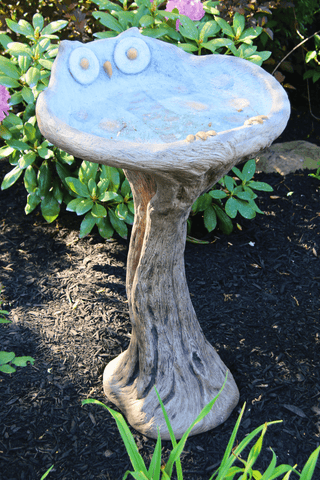
Credit: fountainful.com
Creative Design Ideas
Painting your concrete bird bath opens up a world of creative possibilities that can transform a simple garden feature into a stunning focal point. The right design can reflect your personality, complement your outdoor space, and even attract more birds. Let’s dive into some inspiring ideas that can help you bring your bird bath to life with paint.
Nature-inspired Themes
Drawing inspiration from nature can make your bird bath blend beautifully with its surroundings. Think about painting leaves, flowers, or even small animals like butterflies or dragonflies on the surface. These designs create a peaceful, organic vibe that attracts birds and enhances your garden’s natural charm.
You might try soft greens and earthy browns for a calming effect or use delicate floral patterns to add a touch of elegance. Have you considered replicating the look of natural stone or wood grain with paint? These subtle textures can make your bird bath look like a natural part of the landscape.
Bright And Bold Colors
If you want your bird bath to stand out, bright and bold colors are the way to go. Colors like turquoise, sunny yellow, or fiery red can turn your bird bath into a cheerful, eye-catching piece. These colors not only brighten up the garden but also make the bird bath easier for birds to spot.
Think about using contrasting colors on the basin and the pedestal to create a dynamic look. You could even paint fun patterns like polka dots or stripes to add a playful touch. Would you like to experiment with neon shades or metallic paints for a modern twist?
Mosaic And Texture Effects
Mosaic patterns add depth and a tactile element to your bird bath that paint alone can’t achieve. You can paint on mosaic-like designs or actually glue small tiles and stones to the surface before sealing it. This approach gives your bird bath a unique texture that invites closer inspection.
Try mixing colors and shapes to create interesting geometric patterns or replicate the look of stained glass. Another option is using textured paint or sponges to add dimension without adding physical pieces. What kind of texture would you like your bird bath to have—smooth and sleek or rough and rustic?
Maintenance Tips
Maintaining your painted concrete bird bath is key to keeping it looking fresh and vibrant over time. Simple care routines can prevent damage and extend the life of the paint. Let’s look at some practical tips that will help you preserve the beauty of your bird bath.
Cleaning Painted Surfaces
Regular cleaning is essential to avoid dirt buildup and stains on your painted bird bath. Use a soft brush or cloth with mild soap and water to gently scrub the surface. Avoid harsh chemicals or abrasive tools that can damage the paint or cause it to peel.
Rinse thoroughly with clean water and let it dry naturally in the shade. Have you noticed how dust or algae can dull the paint? Keeping the surface clean will help the colors pop and keep your bird bath inviting for the birds.
Touching Up Chips And Fading
Paint can chip or fade over time due to exposure to sun and moisture. Keep a small amount of your original paint for touch-ups. When you spot any chips, lightly sand the area and apply a thin layer of paint to restore the look.
Fading doesn’t mean you need to repaint the entire bird bath. Targeted touch-ups save time and maintain the original charm. Have you ever waited too long and had to redo the whole paint job? Catching issues early makes all the difference.
Protecting From Harsh Weather
Concrete bird baths face rain, sun, and freezing temperatures, which can wear down paint quickly. Consider applying a clear, waterproof sealant over your painted surface to shield it from moisture and UV rays. This extra layer acts like sunscreen and raincoat for your bird bath.
During extreme cold, you might want to move the bird bath indoors or cover it with a tarp. Protecting your painted bird bath from harsh weather conditions helps keep it looking good year-round. What weather challenges does your area bring?
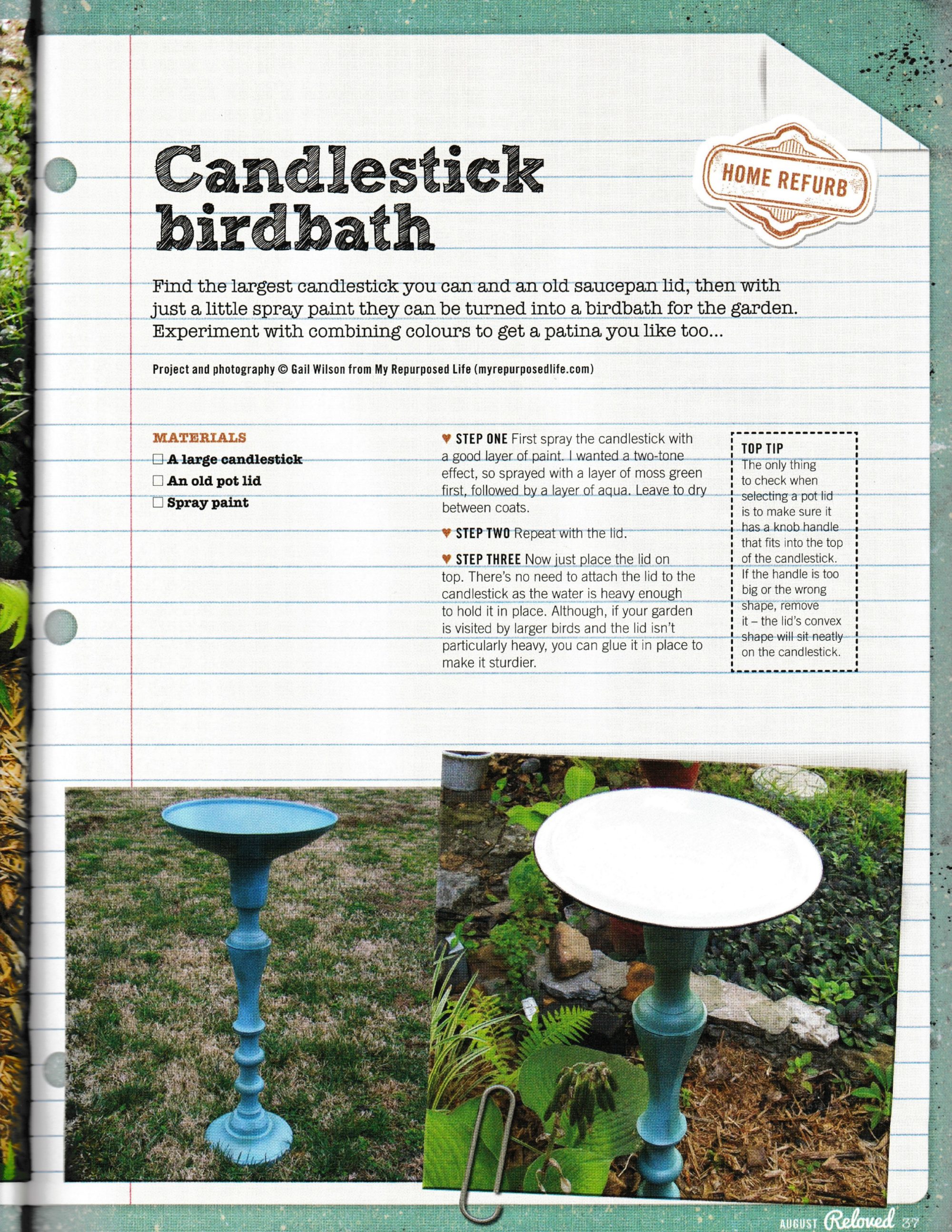
Credit: www.myrepurposedlife.com
Frequently Asked Questions
Can I Paint My Concrete Bird Bath Safely?
Yes, you can safely paint your concrete bird bath. Use non-toxic, waterproof paint designed for outdoor use. This protects the surface and adds color without harming birds.
What Type Of Paint Works Best On Concrete Bird Baths?
Acrylic latex paint or masonry paint works best. These paints are durable, weather-resistant, and adhere well to concrete surfaces. Always choose non-toxic options safe for wildlife.
Do I Need To Seal The Bird Bath After Painting?
Yes, sealing is important. Use a clear, waterproof sealant to protect the paint from water damage and fading. It also prevents harmful chemicals from leaching into the water.
How Should I Prepare My Concrete Bird Bath Before Painting?
Clean the bird bath thoroughly to remove dirt and algae. Let it dry completely. Lightly sand the surface to help the paint adhere better for a smooth finish.
Conclusion
Painting your concrete bird bath can add color and charm. Choose the right paint to protect it from weather. Clean and dry the surface before starting. Use non-toxic paint to keep birds safe. A fresh coat can make your bird bath look new.
Regular touch-ups help maintain its beauty over time. Enjoy watching birds visit your colorful creation. Painting is a simple way to refresh your garden space. Give it a try and see the difference yourself.




