
Are you worried that your bird feeder might be inviting more than just birds into your yard? You’re not alone.
Many people wonder if those feeders, meant to bring colorful birds closer, could also attract unwanted guests like rats. Understanding this can save you from potential headaches and keep your outdoor space safe and enjoyable. You’ll discover the truth about bird feeders and rats, and learn simple steps you can take to protect your home while still enjoying your feathered visitors.
Keep reading—you’ll want to know what’s really going on around your feeder!

Credit: www.livingwithbirds.com
Bird Feeders And Rats
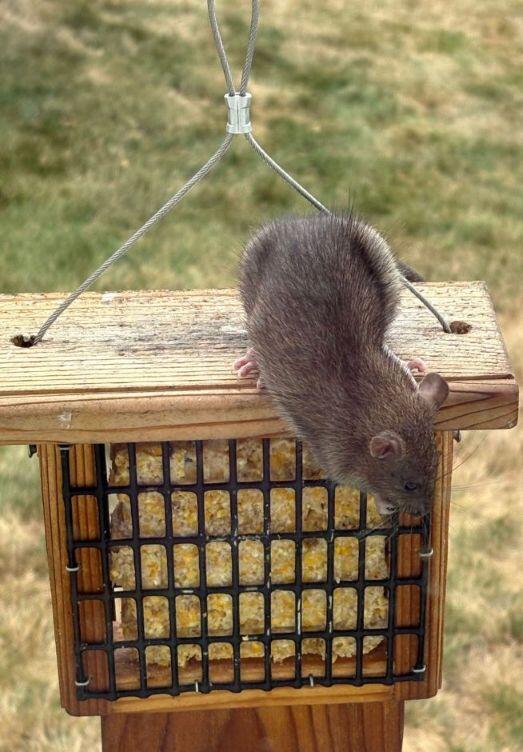
Bird feeders bring birds closer to your garden. They create a lively, natural environment. But they can also attract unwanted visitors like rats. Rats are drawn to the easy food source bird feeders provide. Understanding this helps keep your outdoor space clean and safe.
Why Rats Visit Bird Feeders
Bird feeders offer plenty of food scraps. Seeds often spill on the ground. Rats find these leftovers easy to eat. The feeders also provide shelter and hiding spots. Rats like places near homes where they can stay hidden. The consistent food supply makes bird feeders attractive to rats.
Common Signs Of Rat Activity
- Droppings near feeders or garden areas
- Gnaw marks on feeder poles or containers
- Tracks or footprints in soft soil or mud
- Burrows or tunnels near the base of trees or bushes
- Rustling sounds at night around the feeder
Spotting these signs early helps prevent bigger problems. Keep an eye out for unusual damage or noises. Acting fast can protect your garden and home.
Credit: www.mass.gov
Types Of Bird Feeders That Attract Rats
Bird feeders can attract more than just birds. Some types of feeders make it easy for rats to find food. Understanding which feeders attract rats helps keep your yard clean and safe.
Different feeder designs offer various levels of access to seeds. Rats look for easy meals, so feeders that spill seeds or are accessible from the ground are more likely to draw them in.
Open Tray Feeders
Open tray feeders are flat and hold seeds on a platform. Seeds often spill onto the ground, creating a buffet for rats. Rats can easily climb onto these feeders and eat directly from the tray. These feeders are the most likely to attract rats.
Hopper Feeders
Hopper feeders store seeds inside a container and release them through small openings. Some seed spills may happen around the base, especially if birds scatter seeds. Rats can get to the spilled seeds on the ground. If the feeder is low to the ground, rats may climb up to reach seeds inside.
Tube Feeders
Tube feeders have narrow openings that limit seed access. Birds perch on small ports to feed. These feeders reduce seed spillage, making it harder for rats to find food. However, if the feeder is low or near bushes, rats may still reach the seeds.
Risks Of Rats Near Bird Feeders
Having a bird feeder in your yard can be a joy, but it may also invite unwanted guests like rats. These rodents are often attracted by spilled seeds and accessible food, creating risks you might not have considered. Understanding these risks helps you protect your home, health, and local wildlife.
Health Hazards
Rats carry diseases that can spread to humans and pets. You might not notice their presence until you start seeing droppings or hearing scratching sounds at night. Diseases such as hantavirus, leptospirosis, and salmonella can be transmitted through their urine, feces, or bites.
Are you sure your bird feeder area is clean enough to keep these risks low? Even a small amount of leftover seed can attract rats and increase the chance of disease. Regularly cleaning up spilled seeds and disinfecting the feeder area can reduce these dangers significantly.
Damage To Property
Rats are notorious for chewing on anything, including wood, plastic, and electrical wires. This behavior can lead to costly repairs and even fire hazards. If your bird feeder is close to your house or shed, rats might find easy entry points to nest inside walls or attics.
Consider how often you check the area around your feeder for signs of gnawing or nests. Blocking access and securing feeders can prevent rats from damaging your property. What steps can you take today to protect your home from this hidden threat?
Preventing Rat Problems
Bird feeders can attract more than just birds. Rats may come for the easy food source. Preventing rat problems helps keep your yard clean and safe. Simple steps reduce the risk of rats visiting your feeder.
Choosing Rat-resistant Feeders
Select feeders designed to keep rodents out. Look for metal or heavy plastic feeders with small feeding ports. Avoid feeders that allow seed to spill on the ground. A feeder with a cage around it can block rats from reaching the seed.
Proper Seed Management
Use seed types less attractive to rats, such as safflower seed. Avoid mixing seed with nuts or corn, which rats love. Store extra seed in sealed, rodent-proof containers. Only fill feeders with small amounts of seed to reduce spillage.
Regular Cleaning Tips
Clean feeders and surrounding areas often to remove spilled seed. Sweep or rake the ground to prevent seed buildup. Wash feeders with soap and water every two weeks to stop mold and bacteria. Remove old or moldy seed promptly to avoid attracting rats.
Natural Deterrents And Solutions
Dealing with rats around your bird feeders can be frustrating, but there are natural ways to discourage these unwelcome visitors without harming the birds. Natural deterrents and solutions focus on creating an environment that’s unattractive or uncomfortable for rats, while keeping your feathered friends safe and happy.
Using Plants To Repel Rats
Certain plants have strong scents that rats dislike. You can plant herbs like peppermint, lavender, and rosemary near your bird feeders. These plants emit odors that rats tend to avoid, making your feeding area less appealing to them.
Adding these plants also brings benefits beyond rodent control. They attract beneficial insects and add beauty to your garden. Have you tried placing peppermint around your feeders and noticed fewer rats?
Safe Traps And Baits
If natural scents aren’t enough, consider safe trapping methods. Live traps allow you to catch rats without harming other animals or birds. Once caught, release the rats far from your home to prevent their return.
Using baits designed specifically for rats can help too, but always place them where birds and pets cannot reach. Combining traps with natural deterrents often yields the best results. What safe trapping method would work best in your outdoor space?

Credit: www.providingisloving.co.uk
When To Seek Professional Help
Bird feeders bring joy to many backyard enthusiasts. Yet, they can sometimes attract unwanted pests like rats. You may notice signs of a rat problem around your bird feeder. If it worsens, it might be time to call in the experts. Professional help ensures a thorough and effective solution.
Signs Of Severe Infestation
Rats leave behind clear signs. Droppings near the feeder are a warning. Chewed wood or plastic indicates a problem. Unusual noises at night are concerning. If you spot nests or burrows, take action. Strong, foul odors suggest a large rat presence. These signs mean a serious infestation.
Pest Control Options
Experts offer various solutions. They might use traps to catch rats. Baits can eliminate them effectively. Sometimes, they seal entry points to prevent return. Professionals use safe and eco-friendly methods. They also provide advice on feeder placement. This reduces future rat attraction.
Frequently Asked Questions
Can Bird Feeders Attract Rats To My Garden?
Yes, bird feeders can attract rats by providing easy access to food. Spilled seeds and leftover scraps lure them in. Proper maintenance and cleaning reduce this risk effectively.
How Do Rats Find Bird Feeders Easily?
Rats use their strong sense of smell to locate bird feeders. The scent of seeds and food waste guides them. Keeping feeders clean helps minimize their attraction.
What Are Safe Ways To Prevent Rats At Bird Feeders?
Use squirrel-proof feeders and install baffles to block rats. Clean up spilled seeds daily. Store bird food in sealed containers to reduce rat access.
Do Certain Bird Seed Types Attract More Rats?
Yes, seeds like sunflower and millet attract more rats due to their high oil content. Using less attractive seeds can help reduce rat visits.
Conclusion
Bird feeders can attract rats if left messy or full for long. Rats like easy food sources and shelter near feeders. Keeping feeders clean helps stop rats from visiting your yard. Use trays to catch spilled seeds and clean often.
Placing feeders away from the ground reduces rat access. Watch your yard regularly to spot any rat signs. Feeding birds is fun and safe with small steps. Simple care keeps rats away and birds happy.




