
Have you ever wondered if adding a bird bath to your garden is more than just a pretty decoration? Imagine a simple feature that not only brings beauty but also helps your plants thrive and invites nature right to your doorstep.
Bird baths can do just that. They attract birds that naturally keep pests away and add life to your outdoor space. If you want to know how a bird bath can benefit your garden and whether it’s worth the effort, keep reading.
You might be surprised at the difference it can make.
Benefits Of Bird Baths
Bird baths bring many benefits to gardens. They serve as a simple yet effective way to support nature close to home. These water sources attract wildlife, boost garden health, and improve outdoor spaces. Adding a bird bath can enrich your garden’s environment and charm.
Attracting Birds To Your Garden
Bird baths invite birds by providing fresh water for drinking and bathing. Birds visit more often when water is available. Watching birds can bring joy and calmness. Different species come depending on your location and water quality. A clean bird bath keeps them returning regularly.
Supporting Local Wildlife
Bird baths help wildlife survive, especially in dry seasons. Many animals need water to stay healthy. Providing water supports not just birds, but insects and small mammals too. This creates a balanced ecosystem in your garden. It fosters biodiversity and promotes natural pest control.
Enhancing Garden Aesthetics
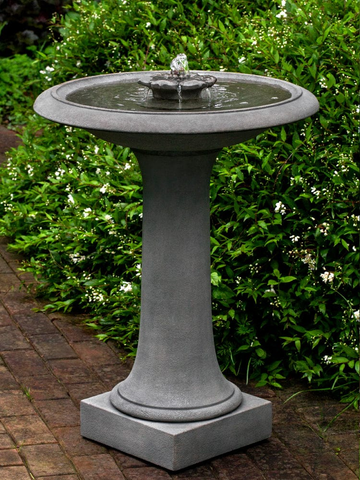
Bird baths add beauty and style to outdoor spaces. They come in various designs, colors, and materials. The gentle sound of water adds peacefulness. Placed near plants or flowers, bird baths create focal points. They make gardens look lively and inviting.
Credit: www.outdoorartpros.com
Choosing The Right Bird Bath
Choosing the right bird bath is more than just picking a pretty bowl for your garden. It directly affects how often birds visit and how safe they feel while drinking or bathing. Your choice can turn your garden into a lively haven or leave it unused and empty.
Materials And Styles
Bird baths come in various materials like ceramic, stone, metal, and plastic. Each material has its pros and cons. For instance, ceramic baths are attractive but can crack in freezing weather, while metal ones heat up quickly in the sun, which might scare birds away.
Think about the style, too. A shallow, wide basin mimics natural water sources better than a deep, narrow one. You want something that blends well with your garden but also feels welcoming to birds.
Size And Depth Considerations
The size of your bird bath matters. Smaller baths are easier to clean but might attract fewer birds at once. Larger baths invite more visitors but need more maintenance.
Depth is crucial. Birds prefer water no deeper than 2 inches. If your bath is deeper, adding some stones or marbles can help birds stand safely while bathing. Have you checked if your current bird bath suits the local bird species?
Placement Tips
Where you place your bird bath can make a huge difference. Birds like to feel safe, so position the bath near shrubs or trees where they can quickly hide if threatened. Avoid open spaces that expose them to predators.
Make sure it’s visible from your favorite garden spot. This way, you enjoy watching the visitors, and it reminds you to keep the water fresh. How visible is your bird bath from your usual garden seat?
Maintaining A Healthy Bird Bath
Bird baths can greatly enhance garden ecosystems. They attract birds, which help control pests naturally. By maintaining a clean bird bath, you ensure a healthy environment for birds, encouraging them to visit more often. This simple addition can add life and color to your garden.
Maintaining a healthy bird bath is crucial for garden vitality. A well-kept bird bath not only attracts birds but also supports a thriving ecosystem. Birds help in controlling pests and pollinating plants, enriching your garden. Regular maintenance ensures your bird bath remains a safe haven for feathered visitors.Cleaning Frequency
Bird baths should be cleaned often. Ideally, clean every week to prevent algae. Use a scrub brush and mild soap. Rinse thoroughly to remove soap residue. This keeps the bath inviting and safe for birds.Water Quality Tips
Fresh water is essential for bird baths. Refill with clean water every two days. Remove debris like leaves and dirt regularly. This keeps the water clear and healthy for birds. Consider using rainwater for a natural option.Preventing Mosquito Breeding
Stagnant water attracts mosquitoes. Change water frequently to avoid breeding grounds. Add a small fountain or water wiggler. Moving water deters mosquitoes from laying eggs. These steps ensure your garden stays mosquito-free.
Credit: www.gardenista.com
Bird Species That Benefit
Bird baths attract many types of birds, enriching garden life. They provide a vital source of water for drinking and bathing. This helps birds stay healthy and active. Different species find unique benefits from these water spots. Understanding these visitors helps gardeners create a welcoming space.
Common Visitors
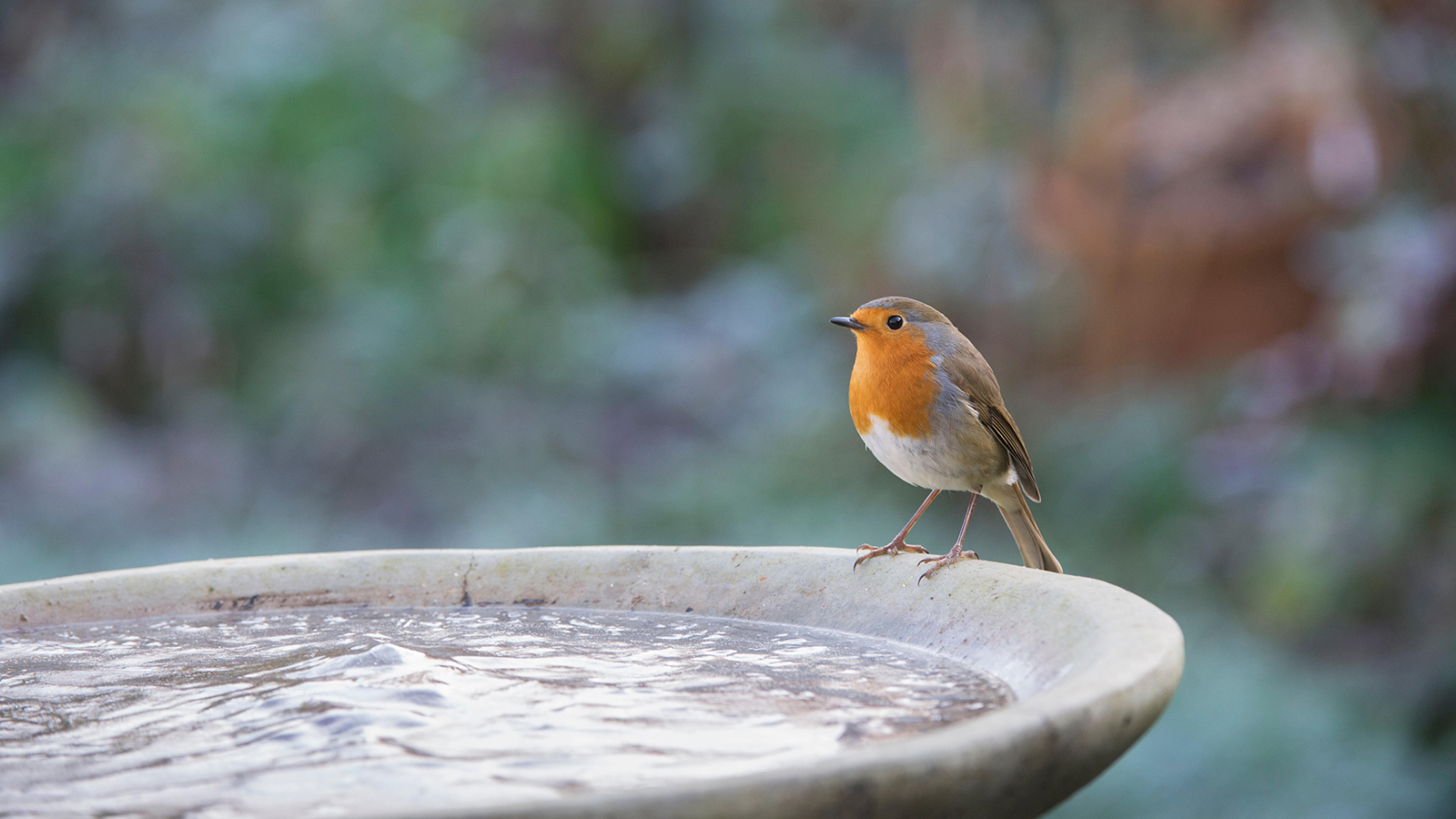
Many birds visit baths regularly. Sparrows, finches, and robins are typical guests. Cardinals and blue jays enjoy splashing in shallow water. Warblers and chickadees often stop by for a quick drink. These birds add color and song to any garden.
Seasonal Bird Activity
Bird activity changes with the seasons. In spring, baths attract breeding birds preparing nests. Summer visitors use water to cool off and clean feathers. In fall, migrating birds rest and hydrate. Winter baths help birds survive cold, dry conditions. Each season brings different species to the water.
Encouraging Nesting
Bird baths near shrubs or trees encourage nesting. Birds feel safe close to cover. Providing fresh water helps nesting birds feed their young. Clean water reduces disease risk for chicks. A well-placed bath can support local bird populations year-round.
Additional Garden Enhancements
Adding a bird bath to your garden opens many chances to improve its beauty and health. Small changes around the bird bath can attract more wildlife and make your garden a peaceful place. These enhancements work well together to create a lively and balanced garden space.
Complementary Plants
Choose plants that attract birds and insects near the bird bath. Native flowers and shrubs are best. They provide food, shelter, and nesting spots. Plants like lavender, sunflowers, and coneflowers draw bees and butterflies. These visitors help pollinate your garden. Ground cover plants keep the soil moist and cool. This makes the area around the bird bath more inviting.
Creating Shelter And Shade
Birds need safe places to rest near water. Trees and tall bushes offer shelter from predators and weather. Shade keeps the water cool and fresh longer. Use plants with thick leaves or branches for cover. Small structures like trellises or garden arches also help. They create cozy spots for birds and add visual interest.
Integrating Other Water Features
Combine your bird bath with other water elements to increase garden life. A small pond or fountain adds sound and motion. Moving water attracts more birds and insects. It also helps keep mosquitoes away. Place rocks or logs near water for birds to perch on. This makes the space safer and easier to use.
Potential Drawbacks And Solutions
Bird baths bring life to gardens, but they also have challenges. These issues can affect birds and garden health. Knowing the potential drawbacks helps create a safer, cleaner space for birds. Simple solutions can fix most problems.
Dealing With Predators
Bird baths can attract predators like cats and hawks. Birds become easy targets while drinking or bathing. To protect birds, place baths away from hiding spots for predators. Use nearby shrubs or trees as safe cover for birds. Motion-activated sprinklers also scare off unwanted visitors.
Avoiding Overcrowding
Too many birds at one bath can cause fights and stress. Overcrowding also spreads diseases quickly. Use multiple bird baths spaced apart to reduce crowding. Clean baths regularly to keep water fresh and safe. Adding perches nearby helps birds wait their turn peacefully.
Managing Water Usage
Bird baths need regular refilling, which can increase water use. Stagnant water risks mosquito breeding. Use shallow baths to reduce water waste and keep water cool. Change water every few days to prevent bugs and algae growth. Collect rainwater to refill baths sustainably.
Credit: www.homesandgardens.com
Frequently Asked Questions
Are Bird Baths Beneficial For Garden Health?
Yes, bird baths attract birds that eat pests and pollinate plants. This natural interaction improves garden health and biodiversity effectively.
How Do Bird Baths Support Local Wildlife?
Bird baths provide essential water for drinking and bathing. This helps local birds stay hydrated and clean, supporting their survival and ecosystem balance.
Can Bird Baths Reduce Garden Pests Naturally?
Birds use bird baths to stay near your garden. Many of these birds eat harmful insects, reducing pests without chemical use.
What Maintenance Do Bird Baths Require For Gardens?
Regular cleaning and refilling are essential to prevent algae and mosquitoes. Proper upkeep keeps water fresh, safe, and inviting for birds year-round.
Conclusion
Bird baths bring life to any garden space. They attract birds that eat harmful insects. These birds also add beauty and sound to your yard. Water helps birds stay healthy and cool. A simple bird bath can support local wildlife.
Place it where birds feel safe and find food. Keep the water clean to avoid bugs. Small efforts create a big difference in your garden. Enjoy watching birds visit and refresh daily. A bird bath is a natural, easy way to help nature thrive.




