
If you love spending time outdoors and want to know more about the birds you see, this guide is made for you. Imagine being able to quickly identify the colorful feathers or unique calls of birds you spot in the western regions.
Knowing these birds not only makes your time outside more exciting but also connects you deeper to nature. Keep reading, and you’ll discover easy tips and clear descriptions that will turn you into a confident bird watcher in no time.
Your next bird sighting could be your most memorable yet.
Credit: www.ebay.ca
Top Western Bird Species
Western North America hosts a rich variety of bird species. The region’s diverse habitats support many unique and common birds. Bird watchers enjoy spotting both familiar and rare species here. Identifying these birds helps deepen appreciation of the western landscape and its wildlife.
Common Birds To Spot
- Western Scrub-Jay:Bright blue with a noisy call, common in woodlands.
- Red-tailed Hawk:Large raptor often seen soaring over open fields.
- California Quail:Small ground bird with a distinctive topknot feather.
- Mountain Bluebird:Vibrant blue bird found in open country and meadows.
- American Robin:Familiar orange-breasted bird seen in many habitats.
Rare And Elusive Species
Some western birds are harder to find but worth the search. These species often live in remote or specific habitats.
- California Condor:One of the largest North American birds, critically endangered.
- Spotted Owl:Prefers old forests and is mostly active at night.
- Gunnison Sage-Grouse:Rare bird found only in limited areas of Colorado and Utah.
- Black Swift:Nests behind waterfalls, making sightings unusual.
- LeConte’s Thrasher:Desert bird with a secretive nature and subtle colors.

Credit: www.amazon.com
Best Birdwatching Locations
Finding the right spots to watch western birds can make all the difference in your birdwatching experience. Some places offer a rich variety of species, while others provide a peaceful setting perfect for spotting elusive birds. Knowing where to go helps you make the most of your time and enjoy the thrill of discovery.
National Parks And Reserves
National parks and reserves are often prime locations for birdwatching. These protected areas have diverse habitats, from forests to wetlands, attracting many bird species. Yellowstone National Park, for example, is home to vibrant western tanagers and bald eagles.
Visiting parks early in the morning increases your chances of seeing active birds. Keep an eye out for quieter trails or less crowded spots—sometimes the shyest birds show up there. Have you ever noticed how a small change in location can reveal entirely different bird species?
Urban Birdwatching Spots
Urban areas might not seem ideal, but they offer surprising birdwatching opportunities. City parks, botanical gardens, and even backyard feeders attract species like house finches and northern flickers. I once spotted a rare peregrine falcon perched on a downtown building, proving cities can be full of birdwatching surprises.
Try visiting urban green spaces during migration seasons. Birds often rest in these pockets of nature, giving you a front-row seat to their journey. What local spots have you overlooked that might be teeming with birdlife?
Essential Birdwatching Gear
Getting the right gear can change the way you experience birdwatching. It’s not just about having equipment but having tools that fit your style and the birds you want to see. The right items make spotting, identifying, and enjoying birds easier and more rewarding.
Binoculars And Optics
Good binoculars are your best friend in the field. Look for ones with 8x to 10x magnification—they offer a clear view without shaking too much. Compact models are easy to carry, but if you need stability, a tripod mount can help.
Sometimes, a spotting scope is necessary for distant birds. Don’t overlook lens quality; sharp optics reveal details that separate similar species. Have you noticed how a bird’s subtle color patterns become clearer with better optics?
Field Guides And Apps
Physical field guides are still invaluable. They help you learn bird calls, behaviors, and habitats. Choose guides that cover your region well and include vivid photos or illustrations.
Apps complement guides by offering quick ID tools and bird calls on the go. Many apps let you log your sightings and connect with other birders. What’s more useful for you: flipping pages or tapping screens?
Clothing And Accessories
Wear layers in neutral colors like greens, browns, or grays to blend in with nature. Avoid bright colors that might scare birds away. Comfortable, sturdy shoes are a must for uneven terrain.
Accessories like hats, insect repellent, and a small backpack can make your outing more comfortable. Don’t forget a notebook or voice recorder to capture your observations. How do you prepare for unexpected weather changes during a birdwatching trip?

Credit: www.amazon.com
Birdwatching Techniques
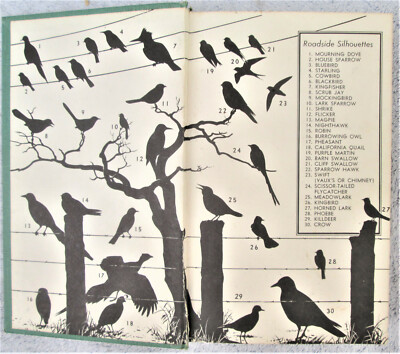
A Field Guide to Western Birds offers essential birdwatching techniques. Identify species quickly with clear illustrations and concise descriptions. Perfect for beginners and seasoned bird enthusiasts alike.
Birdwatching is more than just a hobby; it’s a captivating way to connect with nature. Whether you’re a seasoned birder or a curious beginner, honing your birdwatching techniques can enrich your experience. Let’s dive into some effective strategies to enhance your skills in identifying and observing the diverse avian species found in the western regions.Identifying Birds By Sight
When it comes to identifying birds by sight, sharp observation is your best tool. Start by noting the bird’s size, shape, and color patterns. These are key identifiers that can distinguish a house sparrow from a goldfinch in a flash. Investing in a good field guide or birding app can also make a world of difference. They provide visual aids and descriptions that help you match what you see in the wild with detailed illustrations or photos. Consider creating a checklist of birds you aim to spot. This not only keeps you engaged but also enhances your focus during birdwatching sessions. Have you ever felt the thrill of ticking off a new species from your list?Listening For Bird Calls
Your ears are just as important as your eyes in birdwatching. Birds often reveal their presence through their calls long before they’re visible. Learning to identify bird calls adds a whole new dimension to your birdwatching adventures. Start by paying attention to the rhythm, pitch, and repetition of the calls. Is it a cheerful melody or a sharp alarm call? Each bird has its unique sound signature. Many birdwatchers use apps that play recorded calls to familiarize themselves with different species. Imagine the satisfaction of recognizing a bird by its song alone, even when it’s hidden in the foliage.Using Camouflage And Blinds
Blending into your surroundings can greatly increase your chances of observing birds up close. Wear clothing in earth tones to reduce your visibility in the field. Consider setting up a bird blind—a simple structure that conceals your presence while offering clear views. This can be as basic as a camouflaged tent or a more permanent setup in your backyard. Patience is key when using camouflage and blinds. Remaining still and quiet allows birds to go about their activities undisturbed, offering you the opportunity to witness their natural behavior. Have you ever wondered what secrets you might uncover when a bird believes it’s alone? By refining these birdwatching techniques, you not only deepen your appreciation for the avian world but also enhance your overall outdoor experience. Each bird sighting becomes a story and a memory, adding richness to your nature encounters. So grab your binoculars, head out, and let the birds teach you their secrets.Seasonal Birdwatching Tips
Seasonal changes affect bird behavior and visibility. Knowing these shifts helps birdwatchers spot more species. Each season offers unique birdwatching experiences. Timing and location become crucial for success.
Spring And Breeding Season
Spring brings many birds back from migration. Males sing loudly to attract mates. Look for nests in trees and bushes. Birds show bright colors and active behavior. Early mornings are best for spotting birds. Use binoculars to see details clearly.
Fall Migration Patterns
Birds travel south during fall for warmer weather. Watch open fields and wetlands for large flocks. Some species fly in the daytime; others at night. Cooler temperatures make birds more active during daylight. Keep a notebook to record different species seen. Patience helps as birds may appear suddenly.
Winter Birdwatching Challenges
Fewer birds are visible in winter. Many species move to warmer places. Look near food sources like feeders or berry bushes. Birds often flock in mixed groups for warmth. Dress warmly and stay still to avoid scaring birds. Shorter days mean less time for watching.
Ethics And Conservation
Ethics and conservation are essential when observing and enjoying western birds. Your actions can either protect these creatures or put them at risk. Understanding how to engage responsibly ensures that future generations can experience the same wonders you do today.
Respecting Wildlife
Approaching birds quietly and maintaining a safe distance prevents stress and disruption to their natural behavior. Using binoculars or a zoom lens lets you observe without intrusion. Have you noticed how birds behave differently when you stay calm and patient?
Never attempt to touch or feed wild birds. Feeding can alter their natural diet and habits, sometimes causing harm. Instead, focus on appreciating their natural feeding routines from afar.
Supporting Habitat Preservation
Birds depend on healthy habitats to survive. You can support conservation by advocating for protected areas and participating in local clean-ups. Even small actions like planting native trees or avoiding pesticides in your garden create safe spaces for birds.
Consider joining or donating to organizations dedicated to preserving western bird habitats. Your support helps maintain the ecosystems these birds rely on. What changes can you make in your community to protect these vital environments?
Frequently Asked Questions
What Are The Most Common Western Birds To Spot?
Common Western birds include the Western Bluebird, Red-tailed Hawk, and American Robin. These species are widespread and easy to identify in various habitats.
How Can I Identify Western Birds By Their Calls?
Listen for unique bird songs and calls. For example, the Western Meadowlark has a distinctive flute-like melody that helps identification.
When Is The Best Time To Observe Western Birds?
Early mornings during spring and fall migrations are ideal. Birds are most active, making sightings more frequent and varied.
What Habitats Do Western Birds Prefer?
Western birds inhabit forests, deserts, mountains, and wetlands. Each species adapts to specific environments, influencing where you can find them.
Conclusion
Birdwatching in the West offers a world of beauty and discovery. Each bird has its own story and charm. Carry your guide and explore parks, forests, and deserts. Listen for calls, watch for colors, and enjoy quiet moments. Nature’s details become clear when you slow down.
Keep learning and sharing your sightings with friends. The joy of birdwatching grows with every trip outdoors. Your adventure with Western birds is just beginning.




