
Have you ever found yourself staring at a bird, wondering what it is or why it behaves that way? Birds are everywhere, filling the skies with color and sound, but identifying them can feel tricky.
This guide is here to change that. “A Field Guide to Effin Birds” is designed just for you—to make birdwatching simple, fun, and unforgettable. Whether you’re a beginner or just curious, you’ll discover tips and tricks that will help you spot and understand birds like a pro.
Ready to see the world of birds in a whole new light? Keep reading, because what you learn here will change how you look up forever.

Credit: www.amazon.com
Choosing The Right Gear
Choosing the right gear makes birdwatching easier and more fun. The right tools help spot birds clearly and stay comfortable outdoors. Quality gear saves time and improves your experience in nature. Focus on items that suit your needs and budget.
Essential Binoculars
Binoculars are the most important tool for birdwatchers. Choose ones with 8x to 10x magnification for clear views without shaking. Look for lightweight, waterproof models for long walks in different weather. Good lenses provide bright, sharp images. Try them before buying to check comfort and focus ease.
Best Birdwatching Apps
Apps help identify birds by sound and sight. Use apps with large bird databases and clear pictures. Some apps offer offline use, useful in remote areas. Choose apps with easy navigation and quick search options. Many apps let you log sightings to track your progress.
Clothing And Accessories
Wear clothes that blend with nature to avoid scaring birds. Choose breathable fabrics to stay cool in warm weather. Long sleeves and hats protect from sun and insects. Carry a small backpack for snacks, water, and gear. Don’t forget a field notebook and pencil for notes and sketches.
Finding Great Birding Spots
Finding great birding spots is key to enjoying your birdwatching adventure. The right location brings chances to see many bird species up close. It also adds fun and excitement to every outing. This guide helps you discover the best places to spot birds easily.
Local Parks And Reserves
Local parks and nature reserves often host many bird species. These places have trees, water, and open spaces birds love. Visiting early in the morning or late afternoon can increase sightings. You may find common birds and some rare visitors here.
Seasonal Hotspots
Birds migrate during certain seasons, creating hotspots along their paths. Coastal areas, wetlands, and forests often become busy with different species. Watching these places during migration times can reveal unique birds. Keep track of the seasons to plan your visits well.
Using Online Resources
Online tools help find birding spots near you. Websites and apps list popular birdwatching areas and recent sightings. They also offer maps, photos, and tips from other birders. Checking these resources before heading out saves time and boosts your chances.
Bird Identification Tips
Identifying birds can be exciting and rewarding. Knowing what to watch and listen for helps you spot different species. Simple tips improve your birdwatching skills. Focus on clear details and sounds to recognize birds easily.
Key Features To Observe
Look at the bird’s size and shape. Notice the color patterns on wings, head, and body. Pay attention to the beak type and length. Tail shape and length also help in identification. Watch how the bird moves—its flight and walking style matter.
- Body size and shape
- Color patterns and markings
- Beak shape and size
- Tail length and form
- Flight style and movement
Common Bird Calls
Bird sounds are a key clue. Each bird has unique calls and songs. Listen for pitch, rhythm, and repetition. Some birds make sharp chirps, others long melodies. Learning a few common calls helps identify birds quickly.
- Short chirps or tweets
- Clear whistles or trills
- Repeated patterns or phrases
- Calls during different times of day
Using Field Guides Effectively
Choose a guide with clear pictures and simple descriptions. Match bird features and colors with the guide images. Use indexes by color, size, or habitat for quick searching. Take notes or mark pages for birds you see often. A good guide makes bird ID easier and more fun.
Ethical Birdwatching Practices
Ethical birdwatching is about enjoying birds while protecting their homes. It keeps birds safe and their environment healthy. Following good practices helps nature thrive for years to come.
Birdwatching with care means watching without harming. It respects both birds and their habitats. This approach makes birdwatching more rewarding and sustainable.
Respecting Wildlife
Keep a safe distance from birds. Avoid touching or feeding them. Let birds behave naturally without interference. Use binoculars for a closer view. Never chase or trap birds for a better look.
Minimizing Disturbance
Move quietly to avoid scaring birds. Stay on marked paths and trails. Limit noise and sudden movements. Avoid visiting nests or breeding areas. Watch birds at times that cause the least stress.
Following Local Regulations
Learn local rules before visiting bird sites. Some areas require permits or have restricted access. Obey signs and guidelines at parks and reserves. Report violations to protect birds and habitats. Respect community efforts to conserve wildlife.
Making Birdwatching Social
Birdwatching is not just a solo hobby. It becomes more fun and rewarding when shared with others. Meeting people who love birds adds excitement to every sighting. Sharing stories and tips helps you learn faster. Social birdwatching creates a sense of community and belonging.
Joining Birding Groups
Birding groups bring together people with the same passion. These groups often meet at parks or nature reserves. Members share their knowledge about local birds. Beginners get help identifying species. Groups organize walks and bird counts. Joining one helps build friendships and improve skills.
Participating In Events
Birdwatching events offer unique chances to connect. Events include guided tours, festivals, and workshops. They often feature expert birders and speakers. Events encourage learning about bird habits and habitats. They also provide opportunities to see rare birds. Attending events makes birdwatching lively and social.
Sharing Sightings Online
Online platforms let birders share sightings instantly. Social media groups and apps connect people worldwide. Posting photos and notes helps track bird movements. Online sharing spreads excitement about unusual finds. It also invites helpful feedback from other birders. This digital interaction keeps birdwatching active and engaging.

Credit: www.amazon.com
Keeping A Birdwatching Journal
A Field Guide to Effin Birds offers a unique twist for birdwatching enthusiasts. Capture your sightings with humor and wit while keeping a birdwatching journal. This guide adds fun and personality to your birding adventures.
Keeping a birdwatching journal can enrich your birding experience. It helps track sightings and enhances memory recall. Recording your observations is essential for any birdwatcher. This practice provides insights into bird behaviors and patterns. Let’s explore how to maintain a successful birdwatching journal.Recording Observations
Detail the bird’s appearance, size, and distinctive features. Note the bird’s behavior and habitat. Jot down weather conditions and time of day. These elements provide context for your observations. Observing these details sharpens your bird identification skills.Photographing Birds
Photographs capture birds in their natural settings. They serve as visual reminders of your encounters. Use a camera or smartphone for clear images. Focus on capturing unique angles and behaviors. This visual record complements your written notes.Tracking Progress Over Time
Review past entries to see your growth as a birdwatcher. Identify which birds are frequent visitors and which are rare. Over time, patterns in bird activity may emerge. This tracking helps improve future birdwatching expeditions. Keep your journal organized and regularly updated.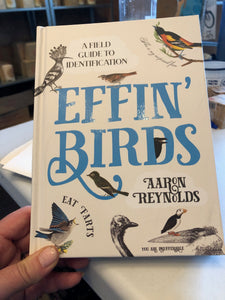
Credit: len4all.com
Frequently Asked Questions
What Types Of Birds Are Featured In A Field Guide To Effin Birds?
A Field Guide to Effin Birds showcases a variety of common and quirky bird species. It includes humorous descriptions and illustrations. The guide is perfect for casual birdwatchers and enthusiasts seeking fun, engaging bird information.
How Does A Field Guide To Effin Birds Help Beginners?
This guide uses simple language and funny artwork to make bird identification easy. It highlights key bird features and behaviors. Beginners can quickly learn to recognize birds while enjoying the lighthearted tone.
Where Can I Use A Field Guide To Effin Birds?
You can use this guide outdoors during birdwatching trips or indoors for casual reading. It’s portable and designed for easy reference. The book adds entertainment and education to any birdwatching experience.
Is A Field Guide To Effin Birds Suitable For Kids?
Yes, the book’s humor and illustrations appeal to children and adults alike. It encourages curiosity about birds in a fun way. Parents and teachers can use it as an educational tool.
Conclusion
Bird watching can bring joy and calm to daily life. Each bird has a story to tell. Spotting them helps us connect with nature. Keep your eyes open and enjoy every sight. Small moments with birds can brighten your day.
Remember, patience and quiet help you see more. This guide helps you start your bird adventure. Happy birding!




