
Are you ready to discover the incredible world of birds right outside your door? The Indian subcontinent is home to thousands of bird species, each more fascinating than the last.
Imagine being able to spot a vibrant kingfisher or hear the call of a majestic peacock during your morning walk. This field guide is designed just for you—to make identifying and understanding these beautiful creatures simple and fun. Whether you’re a beginner or a seasoned birdwatcher, you’ll find tips and insights that will change the way you see the skies around you.
Keep reading, and unlock the secrets of the birds that brighten your world every day.
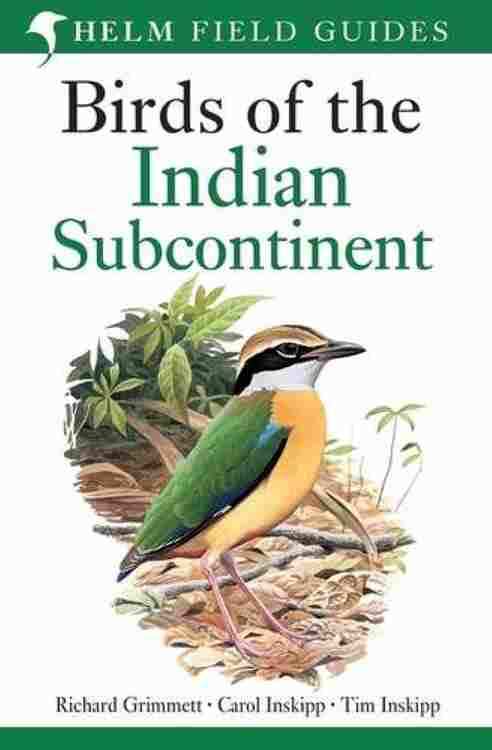
Credit: oxfordbookstore.com
Bird Diversity In The Indian Subcontinent
The Indian subcontinent is a treasure trove of birdlife. It hosts thousands of bird species that vary in color, size, and behavior. This vast region offers a unique blend of habitats. From mountains to wetlands, birds thrive here in great numbers. The diversity reflects the rich ecosystems and climates across the area. Bird watchers and nature lovers find it a paradise for spotting rare and common birds alike.
Key Bird Families To Know
- Bulbuls:Common, vocal birds found in forests and gardens.
- Drongos:Agile and black, often seen catching insects mid-air.
- Kingfishers:Bright, colorful birds that hunt fish near water.
- Peafowls:Famous for their dazzling tail feathers and courtship displays.
- Sunbirds:Small, nectar-feeding birds with vibrant colors.
- Hornbills:Large birds with impressive bills, usually in forests.
Habitat Zones And Bird Distribution
Birds spread across various habitats in the subcontinent. Each zone offers unique environments for different species.
- Himalayan Region:Home to mountain birds like the Snow Pigeon and Monal.
- Plains and Grasslands:Support ground birds such as Bustards and Quails.
- Forests:Dense forests house Hornbills, Barbets, and many songbirds.
- Wetlands and Rivers:Attract waterbirds like Storks, Herons, and Ducks.
- Coastal Areas:Shorebirds and seabirds thrive along the coastlines.
Understanding these zones helps bird enthusiasts find and identify birds easily. The Indian subcontinent’s bird diversity is vast and exciting to explore.
Essential Identification Features
Identifying birds in the Indian subcontinent can be exciting and rewarding. Recognizing key features helps to tell species apart quickly. Essential identification features focus on visible traits that stand out. These features help birdwatchers and beginners spot birds with confidence.
Plumage Patterns And Colors
Plumage is the bird’s feather color and pattern. Many birds show bright colors or unique markings. Some have stripes, spots, or patches that catch the eye. Seasonal changes can affect plumage, especially during breeding times. Males and females often differ in color, making gender identification easier.
Size And Shape Variations
Bird size varies from tiny to large. Shape also changes with species and habitat. Look at body length, wing shape, and tail style. Some birds have long legs or necks, while others are compact. Size and shape help separate similar species in the same area.
Beak And Foot Characteristics
Beak shape suits the bird’s diet and lifestyle. Some beaks are sharp and hooked, while others are long and thin. Feet also differ by habitat and food habits. Webbed feet suit water birds, while strong claws help tree dwellers. Observing these parts aids in quick bird ID.
Behavioral Clues For Identification
Recognizing birds by sight alone can be tricky, especially in a region as diverse as the Indian Subcontinent. Behavioral clues add a powerful layer to your identification skills. Observing how a bird acts often reveals details you might miss just by looking at its color or size.
Feeding Habits
Watch closely how a bird feeds. Is it pecking at the ground, hovering near flowers, or diving into water? These actions can tell you a lot about its species.
For example, the Indian Pitta often hops on the forest floor searching for insects, while the Purple Sunbird darts around flowers sipping nectar. Noticing these patterns helps you narrow down your options quickly.
Have you ever paused to see what a bird chooses to eat? Your patience can turn a quick glance into a lasting identification.
Flight Styles
Flight behavior is another great clue. Some birds flap rapidly, others glide smoothly, and some flap and glide alternately. These styles are often species-specific.
The Black Drongo, for instance, has a strong, direct flight, while the Brahminy Kite soars effortlessly on thermals. Watching how birds move through the air gives you a dynamic way to identify them.
Try focusing on a bird’s wingbeats and flight path next time. You might find it easier to tell species apart than you thought.
Calls And Songs
Bird sounds are like fingerprints—unique and telling. Learning to recognize calls can be a game-changer in dense forests or low visibility conditions.
Take the Common Tailorbird’s sharp “chip-chip” or the melodious notes of the Indian Robin. These sounds can guide you to the right bird before you even see it.
Why not challenge yourself to match calls with sightings? It’s a rewarding way to deepen your connection with nature and improve your identification skills.
Seasonal And Migratory Changes
Birdwatching in the Indian Subcontinent offers a dynamic experience because many bird species undergo noticeable changes throughout the year. These seasonal and migratory shifts affect how birds look and where you can find them. Understanding these patterns enhances your ability to identify birds and predict their presence during different times.
Breeding Plumage Differences
Many birds in the region change their feathers during the breeding season. Males often display brighter colors or distinct markings to attract mates. For instance, the Indian Paradise Flycatcher transforms from a plain brown to a stunning white with long tail feathers during breeding.
Recognizing these plumage changes helps you avoid confusion when identifying species. A bird that looks dull in one season might be strikingly vibrant in another. Have you noticed how the plumage of the Common Tailorbird shifts subtly but noticeably?
Migration Timing And Routes
Bird migration in the Indian Subcontinent follows specific timings and routes, often linked to temperature and food availability. Many species, like the Bar-headed Goose, travel thousands of kilometers, crossing the Himalayas to reach wintering grounds.
Tracking migration helps you plan your birdwatching trips effectively. You can catch glimpses of rare visitors like the Siberian Rubythroat during their brief stays. Are you ready to explore how migration patterns shape the bird diversity you witness in different seasons?
Tools And Techniques For Birdwatching
Birdwatching in the Indian Subcontinent offers a rich experience with its diverse species. Having the right tools and techniques enhances your observation skills. It helps you identify birds clearly and enjoy the process more. Let’s explore the essentials that make birdwatching easier and more fun.
Choosing Binoculars And Optics
Good binoculars are key for clear bird viewing. Look for a pair with 8x or 10x magnification. These offer a good balance between zoom and stability. Choose optics with a wide field of view. This helps track moving birds easily. Compact and lightweight models are easier to carry on long walks. Waterproof and fog-proof features add durability, especially in the monsoon season.
Using Field Guides And Apps
Field guides are handy for identifying birds by shape, size, and color. Select guides specific to the Indian Subcontinent for accurate details. Many apps now offer bird calls, photos, and identification tips. These apps allow quick searches and easy comparison of species. Use apps to record sightings and build a personal bird list. Offline access is useful in remote areas without internet.
Photographing Birds Effectively
Camera gear helps capture birds in their natural habitat. Use a zoom lens with at least 300mm focal length for close-ups. Keep your camera steady with a tripod or monopod. Early morning light provides soft, natural lighting for photos. Move slowly and avoid sudden movements to not scare birds. Practice patience; great shots often need waiting quietly.

Credit: apps.apple.com
Top Birdwatching Spots In The Region
Explore diverse habitats across the Indian Subcontinent where many bird species thrive. Visit forests, wetlands, and grasslands for the best birdwatching experiences. These spots offer great chances to spot colorful and rare birds.
Discovering the top birdwatching spots in the Indian subcontinent is a fascinating journey. This region offers diverse habitats, attracting a wide range of bird species. Whether you’re a seasoned birder or a curious beginner, these locations provide an unforgettable experience. Let’s explore some of the best birdwatching spots in the region.Wetlands And Coastal Areas
Wetlands and coastal areas host a rich variety of birds. Keoladeo National Park in Rajasthan is a UNESCO World Heritage Site. It attracts thousands of migratory birds each year. Chilika Lake in Odisha is another hotspot. It’s home to flamingos, pelicans, and many more.Forest Reserves And Hills
Forests and hills are havens for bird enthusiasts. The Western Ghats, a UNESCO World Heritage Site, are teeming with life. Here, you can spot the Malabar Trogon and Nilgiri Flycatcher. In the Eastern Himalayas, Eaglenest Wildlife Sanctuary boasts over 450 bird species. It’s a must-visit for its breathtaking views.Urban Birding Locations
Urban areas also offer birdwatching opportunities. Delhi’s Okhla Bird Sanctuary is a green oasis. It provides refuge to over 300 bird species. Mumbai’s Sewri Mudflats are famous for flamingos. These urban spots prove that nature thrives even in busy cities.Conservation And Ethical Birdwatching
Birdwatching in the Indian subcontinent helps protect bird habitats and species. Respecting nature and keeping distance ensures birds stay safe and undisturbed. This guide encourages caring for wildlife while enjoying birdwatching responsibly.
Conservation and ethical birdwatching are crucial aspects of enjoying and preserving the rich avian diversity of the Indian subcontinent. As birdwatchers, you play a vital role in protecting these magnificent creatures and their habitats. By adopting responsible practices, you can ensure that future generations will also have the chance to witness the beauty of these birds.Protecting Bird Habitats
Bird habitats are under constant threat from urbanization, deforestation, and pollution. Your role in protecting these habitats is pivotal. When you visit these areas, make sure to leave no trace of your visit. You can participate in local conservation efforts. Join clean-up activities or tree-planting events in bird habitats. This not only helps the environment but also connects you with a community of like-minded individuals. Consider supporting organizations that work towards habitat conservation. Even a small donation can make a significant impact. Every little effort counts in safeguarding these precious ecosystems.Respecting Wildlife And Local Communities
Respect for wildlife is essential during birdwatching. Always keep a safe distance from the birds to avoid disturbing them. Remember, your presence should not alter their natural behavior. Engage respectfully with local communities. They often have valuable insights about the area’s biodiversity. Building a rapport with them can enhance your birdwatching experience and foster goodwill. Avoid using flash photography or loud noises, as they can distress birds and wildlife. A peaceful approach ensures that your presence is harmonious with nature. Have you ever considered the impact of your actions on the birds and communities you visit? Your awareness and respect can lead to a more meaningful and ethical birdwatching experience.
Credit: www.arabnews.com
Frequently Asked Questions
What Are The Most Common Birds In The Indian Subcontinent?
The Indian Subcontinent hosts birds like the Indian Peafowl, House Sparrow, and Common Myna. These species are widespread and easily spotted across urban and rural areas. They reflect the region’s diverse habitats and rich avian life.
How Can Beginners Identify Birds In The Indian Subcontinent?
Beginners should focus on bird size, color patterns, and calls. Using a field guide with images helps identify species. Observing habitat and behavior also aids in accurate identification.
When Is The Best Time For Birdwatching In The Indian Subcontinent?
The best time for birdwatching is during winter months, from October to March. Migratory birds visit during this period, increasing diversity. Early mornings offer the most active bird sightings.
Which Habitats Host The Richest Bird Diversity In India?
Wetlands, forests, and grasslands host the richest bird diversity. Each habitat supports unique bird species adapted to specific environments. Protecting these areas ensures conservation of diverse avian populations.
Conclusion
Birdwatching in the Indian Subcontinent offers endless joy. Each bird tells a story of nature’s wonder. Use this guide to spot and learn about birds. Enjoy quiet moments while observing colorful feathers and songs. Take time to respect their habitats and keep them safe.
Watching birds connects us with the natural world deeply. Start your adventure today and see how nature comes alive. Happy birding!




