
Talking about the birds and bees can feel awkward, but it doesn’t have to be that way. You want to have open, honest conversations about health that build trust and understanding.
What if there was a better way to approach this topic—one that makes you feel confident and prepared? You’ll discover simple, clear steps to make these important talks easier and more effective. Keep reading to learn how to take control of the conversation and support your loved ones with care and clarity.
Talking About Birds And Bees
Discussing the birds and bees is an important part of growing up. Parents and caregivers should help children understand changes in their bodies and feelings. Open talks build trust and help kids make safe choices.
Many find this topic hard to start. Choosing the right time and words makes the talk easier. Creating a safe space helps children feel comfortable to ask questions.
Choosing The Right Time
Pick a calm moment without distractions. Look for times when your child seems curious or asks questions. It is best to talk before they hear wrong information from others.
- Find a quiet place with no interruptions
- Talk when your child is relaxed and open
- Start early, before they hear confusing stories
- Keep talks short and simple at first
- Repeat and add details as they grow
Creating A Comfortable Environment
Children listen better when they feel safe. Use a calm tone and friendly face. Let them know it is okay to ask anything. Avoid showing discomfort or rushing the talk.
Tips for a Comfortable Talk:
- Choose a private, cozy space
- Keep eye contact and smile gently
- Listen carefully without judging
- Use simple words and short sentences
- Be patient and ready to pause
Using Age-appropriate Language
Use words your child understands. Avoid complicated terms or too much detail. Answer questions honestly but simply. Check what they already know before explaining more.
| Age Group | Language Tips | Key Points to Cover |
|---|---|---|
| 4-7 years | Use simple names and examples | Basic body parts, privacy, respect |
| 8-11 years | Explain changes in bodies and feelings | Puberty signs, boundaries, asking questions |
| 12+ years | Use clear terms with honest answers | Reproduction, consent, healthy relationships |
Key Topics To Cover
Talking about the birds and the bees is important for children’s health. It helps them understand their bodies and feelings. This guide covers key topics parents and teachers should discuss.
Clear and simple talks build trust and prepare kids for changes. The right words help children learn respect and care for themselves and others.
Body Changes And Puberty
Puberty is when bodies change from child to adult. Boys and girls grow hair, their bodies grow, and they may feel new emotions. It is normal and happens to everyone.
Talking about these changes helps kids feel less scared. They learn what to expect and how to take care of their bodies during puberty.
- Growth of hair in new places
- Changes in body shape and size
- Emotional ups and downs
- Starting menstruation for girls
- Voice changes for boys
Consent And Respect
Consent means asking and agreeing before touching or hugging. It teaches kids to respect their own and others’ boundaries. Saying “no” is okay anytime.
Respect helps build safe friendships and trust. Children learn to listen and accept others’ feelings without pressure or fear.
- Always ask before touching someone
- Listen to “yes” or “no” answers
- Respect personal space and feelings
- Speak up if something feels wrong
Healthy Relationships
Healthy relationships are kind and honest. They help people feel safe and happy. Kids learn to share, take turns, and solve problems calmly.
Teaching these skills early helps children build good friendships and avoid conflicts. They also learn what respect and trust mean in any relationship.
- Be kind and listen carefully
- Share your feelings honestly
- Respect differences and opinions
- Work together to solve problems
- Know when to ask for help
Answering Tough Questions
Talking about the birds and bees can be hard for many families. Kids often have questions that feel tricky to answer.
Being ready and honest helps build trust. It makes the conversation easier for both parents and children.
Staying Honest And Open
Always tell the truth in a simple way. Kids can understand facts when you explain clearly and calmly.
Answer questions without making up stories. If you don’t know something, say you will find out together.
Handling Embarrassment
It is normal to feel shy or embarrassed. Take deep breaths and remind yourself this talk is important.
Laughing a little can help relax. Keep the mood light but respectful so everyone feels safe.
- Choose a quiet, private place
- Use simple words
- Stay calm and patient
Encouraging Curiosity
Let children ask any questions they want. Curiosity helps them learn and feel more confident.
Give honest answers that fit their age. Praise their questions to show you are happy to talk.
- Listen carefully to their questions
- Provide clear and simple facts
- Invite them to share their thoughts
Credit: www.theguardian.com
Resources To Support The Conversation
Talking about the birds and bees can be hard for many parents and caregivers. Finding good resources makes the discussion easier and clearer for everyone involved.
Using books, websites, and expert advice can help you give accurate and age-appropriate information to kids.
Books And Articles
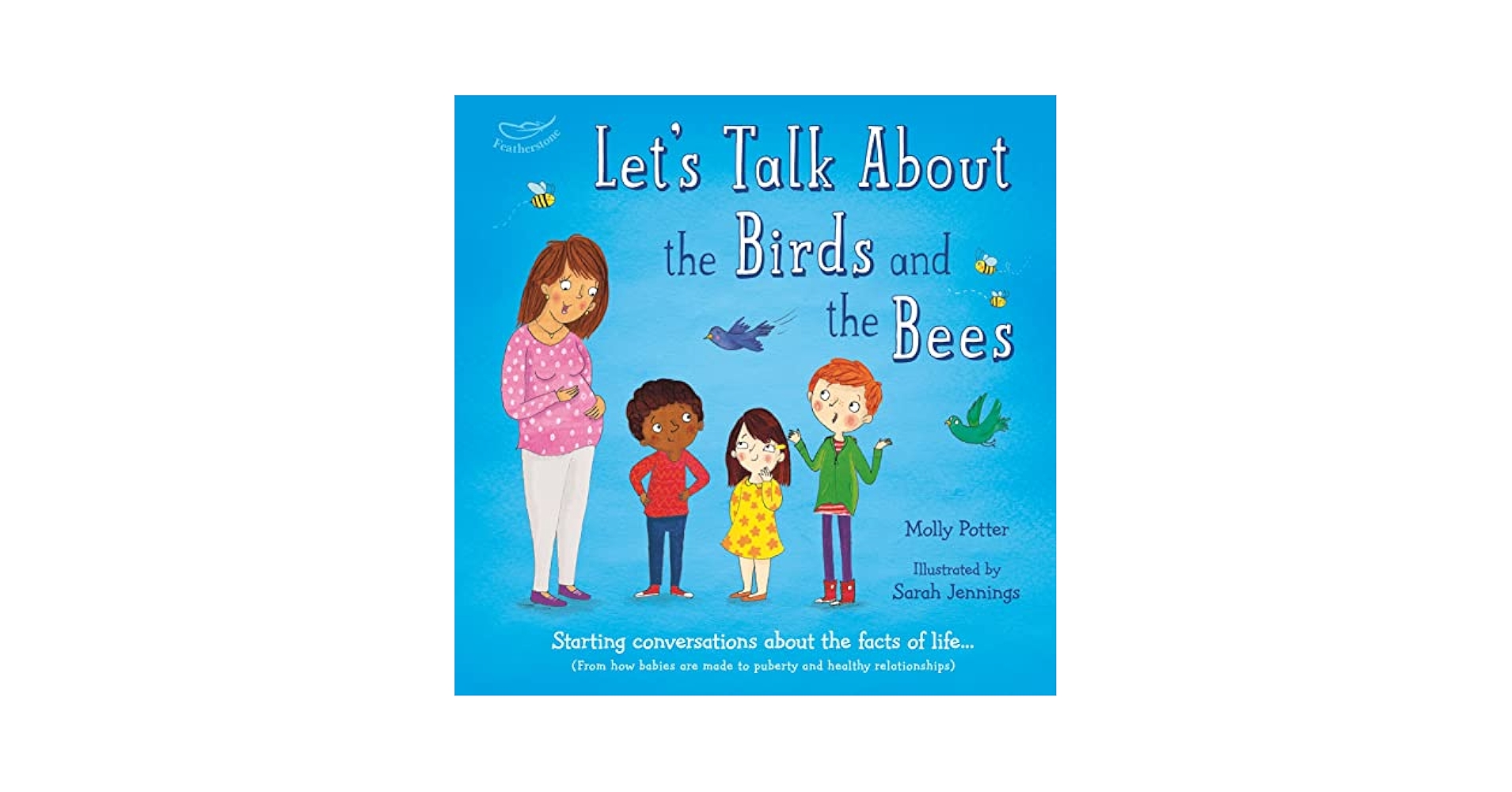
Books and articles offer simple ways to explain facts about bodies and feelings. They often use stories and pictures that children understand well.
- “It’s Not the Stork!” by Robie H. Harris – a clear book for young children.
- “The Care and Keeping of You” by Valorie Schaefer – helps girls understand changes.
- Articles from trusted parenting magazines that give tips on how to start talks.
Educational Websites
Many websites have trusted information and videos made for kids and parents. They explain health topics in easy words and pictures.
| Website | Focus | Age Group |
| KidsHealth.org | Health and body facts | 5-12 years |
| PlannedParenthood.org | Growing up and relationships | 12+ years |
| CDC.gov | Health tips and safety | All ages |
Professional Guidance
Talking with doctors, nurses, or counselors can give you trusted help. They can answer questions and suggest good ways to talk with kids.
Here are some ways professionals can support your talks:
- Answering specific questions about health and body changes
- Offering advice on how to use proper words
- Providing materials like brochures or pamphlets for kids
- Helping if the child feels confused or worried
Building Ongoing Dialogue
Talking about the birds and the bees is important for kids’ health. Parents should keep the conversation open as children grow.
Ongoing dialogue helps children feel safe and informed. It builds trust and helps them make smart choices.
Regular Check-ins
Check in often with your child about their questions and feelings. These talks do not have to be long or formal.
Regular chats show your child you are available and ready to listen at any time.
- Ask simple questions about what they know
- Answer honestly and clearly
- Watch for signs they want to talk
Adapting As They Grow
Children’s understanding changes as they get older. Change your talks to match their age and maturity.
Use words and ideas they can understand. Add more details as they grow and ask more questions.
- Use simple words for young kids
- Explain changes during puberty clearly
- Discuss feelings and relationships for teens
Promoting Trust And Safety
Make sure your child feels safe talking to you. Show respect and listen without judgment.
Trust helps children share their worries and questions. It also helps them make healthy choices.
- Keep conversations private and calm
- Respect their feelings and thoughts
- Be patient and open to all questions
Credit: www.amazon.com
Credit: www.theguardian.com
Frequently Asked Questions
What Is The Best Way To Discuss Birds And Bees Health?
The best way is to use clear, age-appropriate language. Focus on facts, respect feelings, and encourage questions. This builds trust and understanding.
Why Is Open Conversation About Birds And Bees Important?
Open talks promote healthy attitudes, reduce misinformation, and prevent anxiety. They prepare individuals to make informed, responsible decisions about their health.
How Can Parents Approach Sensitive Health Topics Effectively?
Parents should create a safe space, listen actively, and provide honest answers. Using resources like books or trusted websites can also help guide discussions.
When Is The Right Time To Start Birds And Bees Talks?
Start early with simple concepts and build on them as children grow. Early conversations foster comfort and ongoing dialogue about health and relationships.
Conclusion
Talking about the birds and bees can feel hard. Clear, honest chats help kids learn and feel safe. Using simple words makes the talk easier for everyone. Parents and teachers play key roles in guiding these talks well. Starting early builds trust and understanding.
This way, kids grow with confidence about their health. Open talks create a strong bond between adults and kids. Let’s choose kindness and truth when discussing health topics. This approach helps children make smart choices as they grow.




