
Have you ever wondered if your bright camera lights might scare baby birds? If you love capturing nature’s little moments, you probably want to keep those tiny creatures safe and calm.
But are strong lights doing more harm than good? You’ll discover what really happens when baby birds face bright camera lights and how you can protect them while still getting beautiful photos. Keep reading—you’ll learn simple tips that make a big difference for your feathered friends.

Credit: maryannsteggles.com
Effects Of Bright Lights On Baby Birds
Bright camera lights can have a noticeable effect on baby birds. Their delicate nature makes them sensitive to sudden changes in their environment, including light intensity. Understanding these effects helps you decide how to approach photographing or observing them without causing harm.
Behavioral Responses To Light
Baby birds often react quickly to bright lights. They may freeze, become startled, or try to hide, which can disrupt their natural activities like feeding or resting. These reactions can stress the birds, especially if the light is intense or sudden.
Some baby birds may stop begging for food if exposed to harsh lighting, potentially affecting their growth. Have you noticed a bird chick suddenly becoming quiet or still during your photo sessions? That’s a sign the light might be too strong for them.
Physiological Impact
Beyond behavior, bright lights can affect baby birds’ health. Intense light can interfere with their developing eyes, causing discomfort or even damage over time. Their sleep cycles may also be disrupted, impacting their overall growth and immune system.
Continuous exposure to bright lights may raise their stress hormone levels, which can slow down recovery from illness or injury. When you plan to use bright camera lights, think about the timing and duration to minimize these risks for the baby birds you’re observing.
Types Of Camera Lights And Their Intensity
Understanding the types of camera lights and their intensity is crucial if you’re worried about disturbing baby birds during photography. Different lights emit varying brightness and durations, which can either startle or gently illuminate your subject. Knowing how these lights work helps you choose the right setup to capture beautiful images without causing stress to wildlife.
Led Vs. Flashlights
LED lights offer a steady, low-intensity glow that is usually less startling to baby birds. They come in various brightness levels, and you can often adjust the intensity to suit the situation. Using an LED panel at a dim setting can provide enough light to shoot without overwhelming your tiny subjects.
Flashlights, especially high-powered ones, tend to be harsher and more focused. A sudden beam might scare baby birds, causing them to flutter away or freeze in fear. If you must use a flashlight, try diffusing the light with a soft cloth or pointing it indirectly to reduce its impact.
Continuous Vs. Flash Lighting
Continuous lighting shines steadily, allowing birds to get used to the presence of light over time. This can help reduce their stress, as there is no sudden change in brightness. Photographers often prefer continuous lights for nature shots because they offer consistent illumination without surprises.
Flash lighting, on the other hand, emits a quick burst of intense light. This sudden flash can startle baby birds and interrupt their natural behavior. However, if used sparingly and from a distance, flashes might not cause significant harm. Have you noticed how some wildlife photographers time their flashes carefully to avoid disturbing animals?
Bird Species Sensitivity To Light
Bird species differ in how they react to bright camera lights. Some birds are very sensitive to light, while others barely notice it. Understanding these differences helps protect baby birds during photography or observation.
Nocturnal Vs. Diurnal Birds
Nocturnal birds are active at night. Bright lights can confuse them and disturb their natural behavior. They rely on darkness to hunt and move safely. Sudden bright light may cause stress or disorientation.
Diurnal birds are active during the day. They tolerate light better but still can be startled by sudden flashes. Baby birds in this group might react to bright lights by hiding or moving away.
Nest Location And Exposure
Birds nesting in open areas face more light exposure than those in dense foliage. Bright camera lights can easily reach nests in exposed locations.
Nests hidden in thick branches or cavities get shielded from bright lights. Baby birds in these nests are less likely to be disturbed by camera flashes or bright lamps.
Understanding nest location helps decide the best way to photograph without causing harm or stress.

Credit: www.turningclockback.com
Scientific Studies On Light Exposure
Scientific studies on light exposure reveal intriguing insights about its impact on baby birds. Researchers have delved into how various lighting conditions affect these young creatures, offering a blend of field observations and controlled laboratory experiments. These studies aim to answer a pressing question: Do bright camera lights really scare baby birds?
Field Observations
Field observations provide a real-world look at how baby birds respond to light. Ornithologists have noted that sudden flashes of bright light can startle young birds, causing them to flutter or temporarily stop feeding. However, some species seem less affected, continuing their activities as if nothing happened.
Think about your own experiences with sudden, unexpected lights. If you’ve ever had a camera flash in your face, you know how disorienting it can be. This can be similar for baby birds, depending on their species and environment.
Laboratory Experiments
Laboratory experiments provide controlled environments to study the effects of light on baby birds. Scientists can adjust variables like light intensity and frequency to observe specific reactions. These experiments often reveal that prolonged exposure to bright lights can affect sleep patterns and feeding behaviors.
One study found that chicks exposed to continuous bright light had disrupted sleep cycles. This raises questions about the long-term impact on their health and development. Would such disruptions affect their ability to survive in the wild?
While field observations and laboratory experiments both offer valuable insights, the results are not always straightforward. By considering both approaches, researchers aim to create a comprehensive understanding of how light exposure affects baby birds. This knowledge can guide photographers and nature enthusiasts in minimizing their impact on wildlife.
Safe Practices For Wildlife Photography
Capturing wildlife moments can be incredibly rewarding, but it comes with a responsibility to protect the animals, especially delicate baby birds. Bright camera lights may startle or stress them, so knowing how to use your gear thoughtfully is essential. Let’s look at how to keep your wildlife photography safe and respectful.
Minimizing Disturbance
Keep a safe distance from nests and young birds. Moving too close or shining bright lights directly at them can cause panic or abandonment. Instead, use natural light whenever possible and avoid sudden movements that might scare them away.
Try to observe quietly and limit your time near the birds. Ask yourself: Could your presence cause the parents to leave the nest? If yes, step back and wait for a better moment.
Choosing The Right Equipment
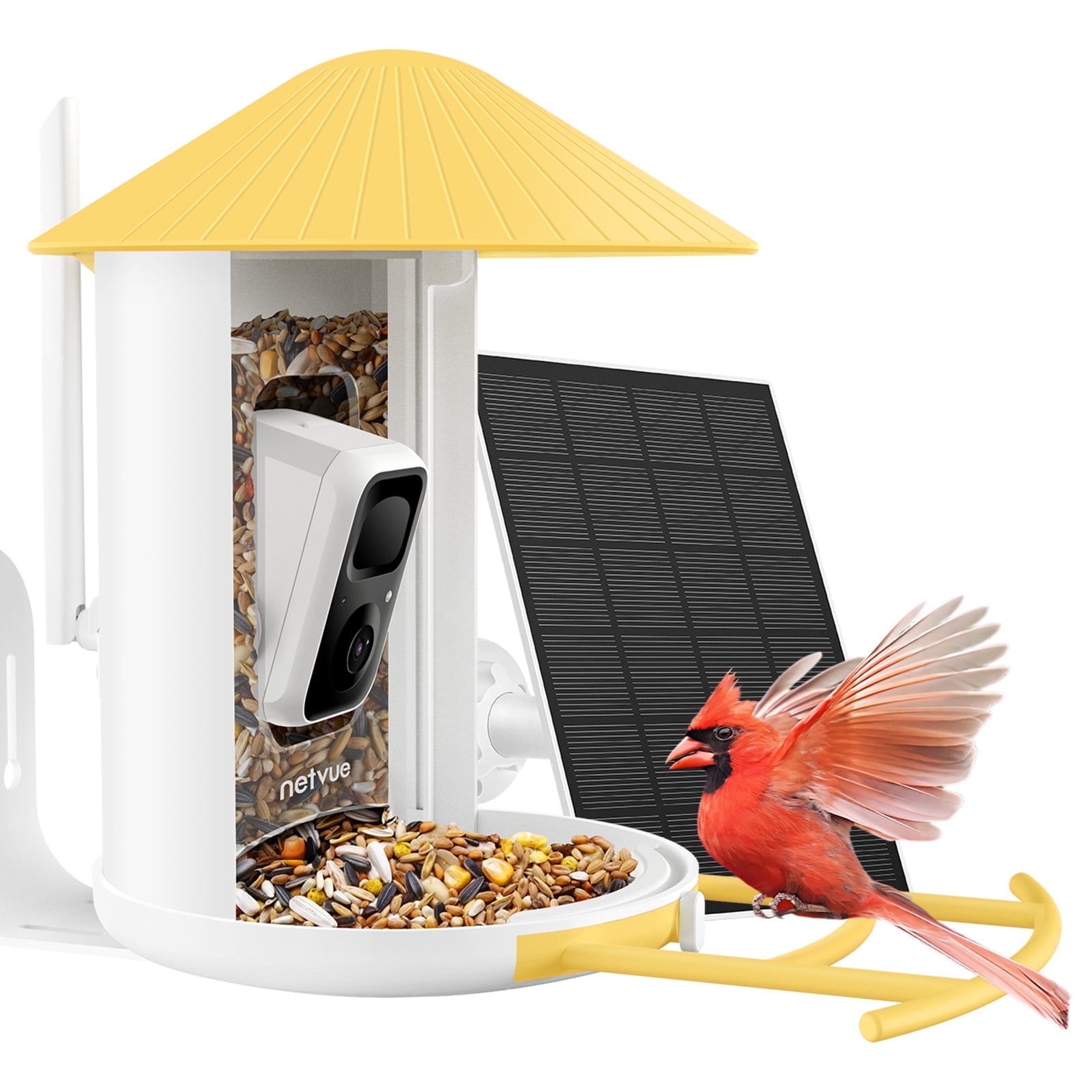
Use cameras with good zoom lenses so you don’t have to get too close. This lets you capture detailed shots without disturbing the birds. LED lights with adjustable brightness are better than harsh flashes, as they allow you to control the intensity carefully.
Consider using red or filtered lights, which are less likely to frighten wildlife. I once used a dimmed red light during an early morning shoot and noticed the baby birds stayed calm, unlike previous times with bright white lights.
Credit: www.walmart.com
Alternatives To Bright Camera Lights
Bright camera lights can easily startle baby birds, making it hard to capture those precious moments without causing distress. Luckily, there are gentler alternatives that help you get great shots while keeping the little ones calm. Choosing the right lighting not only protects the birds but also enhances your photography.
Natural Light Usage
Using natural light is one of the best ways to avoid scaring baby birds. Early morning or late afternoon sunlight provides soft, warm light that highlights details without overwhelming your subject.
Try positioning yourself so the light falls gently on the birds, avoiding harsh shadows. This approach has helped me capture peaceful moments without causing any disturbance. Have you noticed how natural light brings out the true colors in feathers?
Low-intensity Lighting Options
If you need extra light, opt for low-intensity options like dimmable LED panels or small ring lights. These can be adjusted to emit a gentle glow that doesn’t frighten the birds.
Using a diffuser can also soften the light further. I once used a small LED panel behind a translucent cloth and got clear shots without any sign of distress from the baby birds. Could this simple tweak change your photography experience for the better?
Frequently Asked Questions
Will Bright Camera Lights Frighten Baby Birds?
Bright camera lights can startle baby birds, causing temporary distress. However, most birds quickly adjust if the light is steady and not too intense.
How Do Baby Birds React To Camera Flashes?
Baby birds often react to sudden camera flashes with fear. Flashing lights may disrupt their natural behavior and cause them to hide or flee.
Are Led Lights Safer For Photographing Baby Birds?
LED lights are generally safer as they emit less heat and flicker. They cause less disturbance, making them ideal for capturing baby birds calmly.
Can Bright Lights Harm Baby Birds’ Eyesight?
Bright lights can temporarily affect baby birds’ vision but usually don’t cause permanent harm. It’s best to use softer lighting to protect their sensitive eyes.
Conclusion
Bright camera lights can startle baby birds if too close or too strong. Keep lights soft and use them sparingly near nests. Birds need calm and quiet to feel safe and grow well. Watching from a distance helps protect their space.
Always respect nature’s limits and avoid causing stress. Small changes in lighting make a big difference. Careful actions help baby birds stay comfortable and thrive.




