
Have you noticed your bird bath turning red and wondered why? It can be surprising and even a little worrying to see that bright, unusual color in your once-clear water.
You might be asking yourself if it’s harmful to the birds or if something is wrong with your garden. Understanding why this happens is important—not just to keep your bird bath clean, but to protect the wildlife that visits it.
You’ll discover the common reasons behind the red tint and simple steps you can take to fix it. Keep reading to find out how to bring back the clear, inviting water your feathered friends deserve.

Credit: www.dukemanorfarm.com
Common Causes Of Red Stains
Red stains in bird baths are a common problem for many bird lovers. These stains can spoil the look of your bird bath and might worry you about its cleanliness. Understanding the common causes helps you fix the problem quickly. Several natural and material factors can cause these red marks.
Iron And Mineral Deposits
Iron is a natural element found in water and soil. When water contains iron, it can leave orange or red stains on surfaces. Over time, these iron deposits build up in the bird bath. Hard water, rich in minerals, often makes this problem worse. The minerals react with air and water to form rust-colored stains.
Algae Growth
Algae can appear in many colors, including red or reddish-brown. Certain types of algae thrive in sunny, warm water. They attach to the sides of the bird bath, creating red patches. Algae use nutrients from the water, growing quickly if the bath is not cleaned often. This growth can make the water unsafe for birds.
Rust From Metal Parts
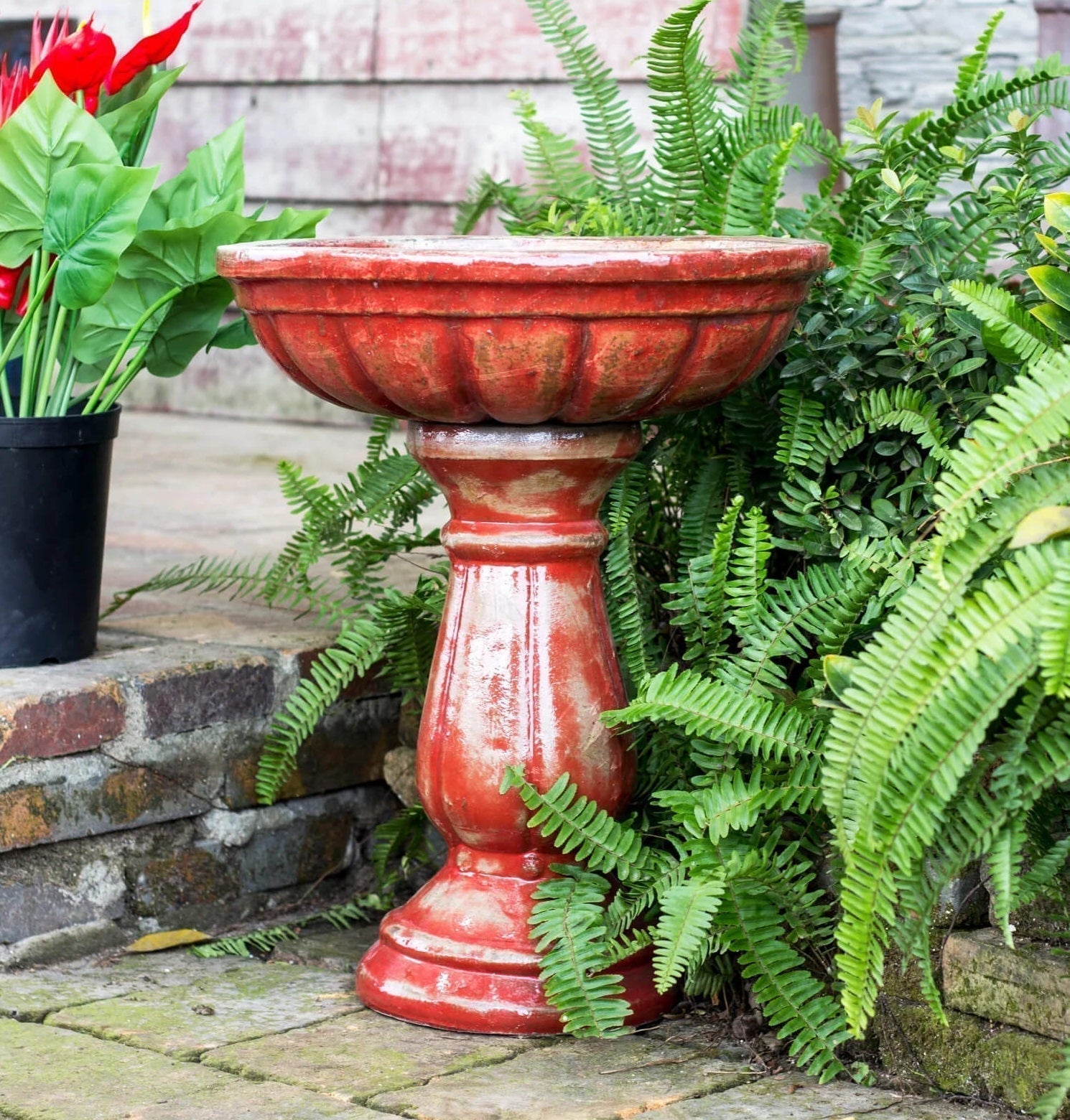
Many bird baths have metal parts like stands or decorations. These metal parts can rust when exposed to water and air. Rust appears as red or brown flakes and stains. Rust particles can wash off into the water and coat the bird bath surface. This issue is common with older or cheaper metal components.
Credit: tenthousandpots.com
How Water Quality Affects Color
The color of your bird bath water can change for several reasons, and water quality plays a major role. The minerals and contaminants present in your water source can react with the bird bath materials or naturally occurring elements, causing unexpected color shifts. Understanding these water quality factors can help you keep your bird bath inviting and clean for your feathered visitors.
Hard Water Effects
Hard water contains high levels of minerals like calcium and magnesium. These minerals can leave behind deposits that build up over time, sometimes giving the water a reddish or rusty tint.
If you’ve noticed a rough texture or crusty residue around your bird bath edges, hard water might be the culprit. These mineral deposits can also affect the water’s clarity, making it less appealing to birds.
Try testing your water hardness at home with simple kits. If it’s high, consider using filtered water or rainwater to refill the bird bath and see if the color improves.
Source Water Contaminants
Red coloring in your bird bath might come from contaminants like iron or manganese in the water source. These elements oxidize when exposed to air, forming rust-colored particles that float or settle in the bath.
I once had a bird bath near an old pipe, and the water consistently turned red because of iron leaching into the water. Changing the water source to collected rainwater eliminated the problem entirely.
Look for signs like reddish stains on the bird bath surface or sediment at the bottom. Using a water filter or switching to cleaner water sources can reduce these contaminants and keep the water clearer.
Cleaning Methods For Red Stains
Red stains in bird baths often come from natural sources like algae or iron deposits. Removing these stains keeps your bird bath clean and safe. Effective cleaning methods prevent stains from building up again. Choose a method that fits your bird bath’s material and your available supplies.
Using Vinegar Solutions
Vinegar is a safe and natural cleaner for red stains. Mix equal parts of white vinegar and water in a spray bottle. Spray the solution on the stained areas and let it sit for 15 to 30 minutes. Vinegar breaks down mineral deposits and algae gently.
After soaking, scrub the area lightly. Rinse the bird bath thoroughly with clean water. Avoid using vinegar on delicate stone as it may cause damage.
Scrubbing Techniques
Use a soft-bristle brush or sponge to scrub stains effectively. Avoid metal brushes as they can scratch surfaces. Focus on stained spots with gentle circular motions.
For tough stains, soak the brush in vinegar before scrubbing. Rinse the bird bath well to remove loosened debris and cleaning residue. Regular scrubbing helps prevent red stains from returning.
Commercial Cleaners
Specialized cleaners can remove red stains quickly. Choose products labeled safe for bird baths and wildlife. Follow the instructions on the packaging carefully.
Apply the cleaner, let it sit for the recommended time, and scrub gently. Rinse the bird bath thoroughly to remove all chemical traces. Use commercial cleaners sparingly to protect birds and the environment.
Preventing Future Red Stains
Preventing red stains on your bird bath keeps it clean and safe for birds. These stains often come from iron or algae in the water. Taking simple steps helps stop the stains from forming again. Consistent care and smart choices protect your bird bath’s appearance and health.
Regular Maintenance Tips
- Empty and clean the bird bath weekly.
- Use a soft brush to scrub away dirt and algae.
- Rinse thoroughly to remove soap or cleaning agents.
- Keep the bath in direct sunlight to reduce algae growth.
- Remove leaves and debris daily to prevent decay.
Water Treatment Options
- Use filtered water to reduce minerals causing stains.
- Add a small amount of vinegar to break down iron deposits.
- Try a mild, bird-safe algaecide to control algae.
- Replace water frequently to keep it fresh and clear.
- Consider using distilled water if stains persist.
Choosing The Right Bird Bath Material
- Stone and concrete can absorb minerals and stain easily.
- Metal baths may rust and cause red discoloration.
- Plastic or resin baths resist stains and are easy to clean.
- Ceramic baths with a glazed finish prevent stain absorption.
- Choose materials that suit your environment and maintenance style.
When To Replace Your Bird Bath
Knowing when to replace your bird bath can save you time, money, and keep your feathered friends safe. A bird bath turning red is often a sign that something is wrong, but not every discoloration means it’s time to toss it out. Understanding the signs of permanent damage and the durability of the material will help you decide if replacement is necessary.
Signs Of Permanent Damage
Look closely for cracks or deep scratches on your bird bath. These can trap dirt and bacteria, making the bath unsafe for birds. If the red staining is accompanied by flaking paint or rust that won’t wash away, it indicates the surface is deteriorating beyond repair.
Notice if the bird bath leaks water or becomes unstable. Water leakage not only wastes water but also stresses the structure, leading to faster decay. When cleaning no longer restores the bath’s original condition, it’s a clear sign that replacement is due.
Material Durability Considerations
Different materials age differently. Concrete and stone bird baths often develop mineral stains but generally last longer. However, if you see red stains caused by iron deposits and the surface feels rough or crumbling, these materials might be nearing the end of their life.
Plastic and metal bird baths can rust or fade over time. Metal baths with rust spots that spread quickly should be replaced to avoid harm to birds. Plastic baths that crack or become brittle lose their effectiveness and aesthetic appeal.
Ask yourself: Are you ready to keep cleaning a bath that keeps showing red stains, or would a new, durable model better serve your garden and its visitors? Sometimes, investing in a sturdy, easy-to-maintain bird bath saves more effort and keeps your birds coming back.
Credit: www.homesandgardens.com
Frequently Asked Questions
Why Is My Bird Bath Water Turning Red?
Red water in bird baths is usually caused by iron bacteria. These bacteria react with iron in the water, creating a reddish tint. The condition is harmless but can make your bird bath look unsightly. Regular cleaning helps prevent this buildup.
Can Algae Cause A Bird Bath To Turn Red?
Algae typically turn bird bath water green, not red. Red coloring is more often due to iron bacteria or rust. If you see red, check for iron deposits or metal corrosion. Proper maintenance and water changes reduce discoloration.
How Do I Clean A Red-stained Bird Bath?
Use a mixture of water and white vinegar or bleach to clean the bird bath. Scrub the surfaces with a brush to remove iron bacteria or rust stains. Rinse thoroughly to ensure no harmful residues remain for birds.
Is Red Water Harmful To Birds?
Red water caused by iron bacteria is generally safe for birds. It does not pose health risks but may deter birds from drinking. Keeping the bird bath clean encourages birds to visit and drink safely.
Conclusion
A red bird bath often means iron or algae growth. Cleaning it regularly helps keep water clear and safe. Using fresh water stops stains and keeps birds healthy. Choose the right materials to avoid rust or mineral buildup. Watching your bird bath closely lets you spot issues early.
A clean bath invites more birds to visit your yard. Simple care makes a big difference in your bird’s happiness. Keep your bird bath bright and fresh for all seasons.




