
Bird photography captures the beauty and behavior of birds in their natural habitats. It requires patience, the right gear, and understanding bird habits.
Taking great bird photos starts with learning how to attract birds to your space. Using simple techniques helps you get closer without scaring them away. Choosing the best time of day and knowing your camera settings improve your shots. Watching birds carefully teaches you when they will pose or fly.
This guide covers easy steps for beginners to enjoy bird photography. You will learn how to create clear, beautiful pictures that show bird colors and actions. Practice and patience bring better results. Bird photography turns a simple hobby into a rewarding experience of nature’s charm.
Backyard Bird Photography
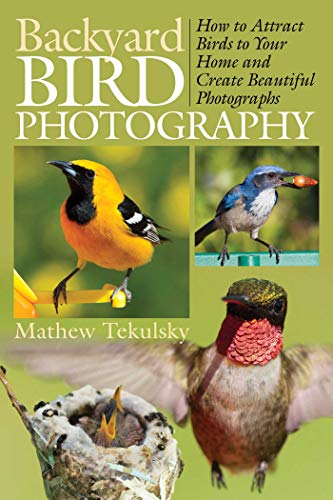
Backyard Bird Photography: How to Attract Birds to Your Home and Create Beautiful Photographs is ideal for nature enthusiasts, amateur photographers, and bird lovers who want to capture stunning images of birds without traveling far. This book is perfect for individuals looking to enhance their photography skills while learning practical ways to attract a variety of birds to their backyard or garden. If you want to combine your passion for wildlife with creative photography, this guide from Skyhorse is a valuable resource.
Pros:
- Comprehensive guide with detailed tips on attracting different bird species
- Easy-to-understand photography techniques suitable for beginners and intermediates
- Compact and lightweight, making it easy to carry and reference outdoors
- Includes practical advice on equipment, settings, and timing for bird photography
- Published by Skyhorse with 224 pages of expert content
Cons:
- Some photography techniques may require additional equipment not covered in the book
- Publication date (2014) means some newer photography technology isn’t discussed
- Focuses mainly on backyard bird photography, so advanced wildlife photography topics are limited
This book offers a well-structured approach to attracting a variety of birds to your home environment, making it easier to capture beautiful and natural photographs. With clear instructions on setting up feeders, bird baths, and habitats, readers can create an inviting space that encourages frequent bird visits. The book also delves into camera settings, composition, and timing, helping users improve their photographic results without needing professional gear.
In addition to practical tips on luring birds, the guide emphasizes patience and observation, which are crucial for successful wildlife photography. By following the suggestions provided, readers can enjoy a rewarding hobby that combines outdoor enjoyment with creative expression. The compact size and manageable length of the book make it an accessible and handy reference for anyone passionate about backyard bird photography.
Mastering Bird Photography

Mastering Bird Photography: The Art, Craft, and Technique of Photographing Birds and Their Behavior is perfect for avid photographers and nature enthusiasts who want to elevate their skills in capturing stunning images of birds. Whether you are a beginner looking to understand the basics or an experienced photographer aiming to refine your techniques, this book offers valuable insights tailored to help you understand bird behavior and improve your photography outcomes.
Pros:
- Comprehensive coverage of both the art and technical aspects of bird photography.
- Includes detailed explanations on bird behavior to help anticipate and capture unique moments.
- Well-illustrated with practical examples enhancing the learning experience.
- Compact and portable size, making it easy to carry into the field (8.0 x 1.0 x 10.25 inches).
- Published by Rocky Nook, a reputable brand known for quality photography resources.
Cons:
- Relatively heavy at approximately 2.3 pounds, which might be cumbersome for some users during long outdoor sessions.
- Published in 2019, so some of the newer photography technologies or trends may not be covered.
This illustrated edition of the book, spanning 340 pages, dives deep into the nuances of bird photography by combining artistic vision with practical techniques. Readers will benefit from clear instructions on camera settings, composition, and lighting specific to bird subjects. By understanding bird behavior, photographers can anticipate action and capture dynamic shots rather than static images, resulting in more engaging and lively photographs.
The book’s structured approach makes complex concepts accessible, allowing users to progressively build their skills. Its focus on both the craft and the science behind photographing birds encourages a deeper connection with nature, enhancing both technical proficiency and creative expression. Overall, it serves as a valuable resource for anyone passionate about capturing the beauty and intricacies of bird life through photography.
Beginner’s Guide To Bird And Wildlife Photography

The Beginner’s Guide to Bird and Wildlife Photography is ideal for aspiring photographers who are eager to learn and master the art of capturing stunning images of wildlife. Whether you are a complete novice or someone looking to improve your skills in nature photography, this guide offers a comprehensive introduction tailored to help you develop your techniques and understand the nuances of wildlife behavior and photography settings.
Pros:
- Clear and easy-to-follow instructions suitable for beginners
- Detailed coverage of essential photography techniques specific to wildlife
- Compact and lightweight, making it easy to carry outdoors (Height: 9.0 inches, Width: 0.45 inches, Length: 6.0 inches, Weight: 0.617 pounds)
- Independently published with up-to-date information as of April 2020
- Contains 177 pages packed with practical tips and guidance
Cons:
- May lack advanced techniques for professional photographers
- Primarily focused on beginners, so some content might be too basic for intermediate users
This guide offers an in-depth look at the foundational aspects of wildlife photography, including camera settings, composition, and ethical considerations when photographing birds and animals. Readers will benefit from step-by-step instructions that demystify the complexities of capturing wildlife in their natural habitat, enhancing both technical skills and creative vision. The book’s manageable size and weight also make it an excellent companion for outdoor excursions, allowing learners to refer to practical advice on the go.
The Beginner’s Guide to Bird and Wildlife Photography also emphasizes understanding animal behavior to anticipate moments worth capturing, which can significantly improve photo quality. By combining technical knowledge with an appreciation of wildlife, users can cultivate patience and observational skills that translate into more compelling photographs. Overall, this guide serves as a valuable resource for anyone starting their journey into wildlife photography, providing both inspiration and concrete methods to achieve impressive results.
Learn The Art Of Bird Photography

Ideal for beginning and intermediate photographers and birders eager to enhance their skills, “Learn the Art of Bird Photography: The Complete Field Guide” is the perfect resource to master capturing stunning bird images in the wild. This guide caters to those passionate about both birdwatching and photography, providing practical insights to bridge the gap between the two hobbies.
Pros:
- Comprehensive coverage tailored for beginners and intermediates
- Detailed instructions on camera settings and techniques
- Practical tips for locating and approaching birds without disturbance
- Compact and lightweight, making it easy to carry on field trips
- Published by reputable brand CREATESPACE ensuring quality content
Cons:
- Limited to 154 pages, which may not cover advanced photography concepts
- Publication date is from 2018, so some camera technology updates might be missing
- Physical dimensions may not suit those preferring digital guides
This guide’s 154 pages are packed with useful advice on camera settings, lighting, and composition that help users capture clear and compelling bird photographs. Its focus on field techniques allows photographers to understand bird behavior, enabling more natural and less intrusive shots. The book’s manageable size (11.0 inches by 8.5 inches) and light weight make it a convenient companion during outdoor excursions.
By combining practical knowledge with an approachable writing style, the book empowers readers to improve their skills steadily. Whether you are learning to handle your camera better or seeking to identify ideal shooting locations, this field guide offers step-by-step instructions that enhance both confidence and creativity in bird photography.
Birds: A Photographic Expedition Volume 1
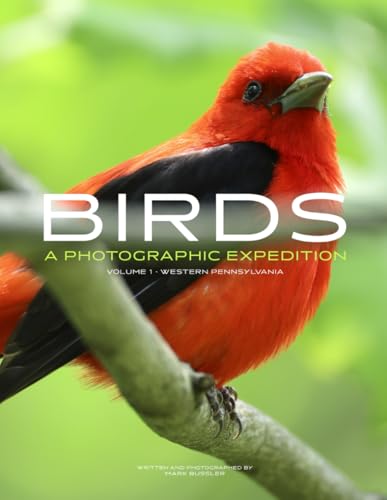
Ideal for bird enthusiasts, photographers, and anyone passionate about the natural beauty of Western Pennsylvania, Birds: A Photographic Expedition Volume 1 – Western Pennsylvania offers a stunning visual journey through the region’s diverse avian species. This book is perfect for those looking to deepen their appreciation and knowledge of local birdlife through high-quality imagery and detailed descriptions.
Pros:
- Contains 132 pages of vibrant, professional bird photography.
- Compact dimensions (11.0 x 8.5 x 0.31 inches) make it easy to carry and store.
- Published by reputable CGR Publishing, ensuring quality content.
- Focuses specifically on Western Pennsylvania’s bird species, providing regional relevance.
- Publication date set for June 2025, offering up-to-date information and imagery.
Cons:
- Limited to Western Pennsylvania, which may not appeal to birdwatchers from other regions.
- Primarily a photographic book, so it may lack in-depth scientific details.
The book’s high-resolution photographs vividly capture the intricate details of various bird species, making it an excellent resource for visual learners and nature photographers. Each image is thoughtfully composed, highlighting the unique features and behaviors of birds found in Western Pennsylvania. This visual approach allows readers to connect with the subject matter on a personal level, enhancing both enjoyment and educational value.
In addition to its photographic excellence, the book’s compact size and sturdy design make it a practical companion for field trips or casual reading. It fits comfortably in backpacks or shelves, allowing enthusiasts to carry it along during their birdwatching adventures. Overall, this volume combines aesthetic appeal with functional design, making it a valuable addition to any nature lover’s collection.
A Practical Guide To Bird Photography
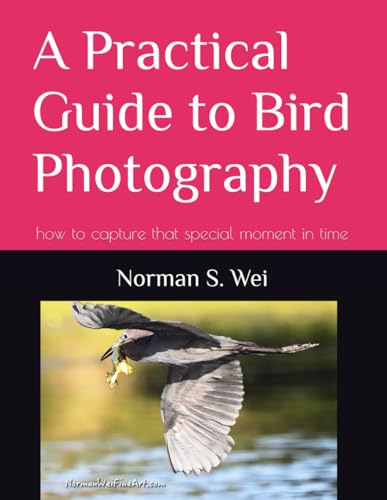
For both amateur and professional photographers who have a passion for capturing the beauty of birds in their natural habitat, “A Practical Guide to Bird Photography: how to capture that special moment in time” is the perfect resource. This book is ideal for anyone looking to improve their skills in bird photography and gain insights into capturing those fleeting, magical moments.
Pros:
- Comprehensive coverage of bird photography techniques.
- User-friendly for both beginners and advanced photographers.
- Detailed explanations with clear, step-by-step instructions.
Cons:
- Limited to bird photography, not suitable for other wildlife.
- Relatively short at 110 pages, might leave advanced users wanting more.
This guide is published by Independently published and offers a wealth of information packed into a manageable size, with dimensions of 11.0 inches by 8.5 inches. The book’s weight of 0.76 pounds makes it easy to carry along on photography trips. One of the standout features of the book is its publication date of November 13, 2024, ensuring the content is current with the latest techniques and trends in bird photography.
With 110 pages of content, the book delves deeply into the nuances of bird photography. It provides practical advice on equipment, settings, and techniques to ensure that photographers can capture stunning images. The book’s guidance is tailored to help photographers understand the behavior of birds, which is crucial for anticipating and capturing those special moments. Overall, this guide is a valuable asset for anyone serious about improving their bird photography skills.
National Geographic Photographing Birds

If you are a bird enthusiast or an aspiring wildlife photographer, “National Geographic Photographing Birds” is a must-have addition to your collection. This book is ideal for those who want to capture the beauty of birds in their natural habitat, offering insights into techniques and equipment necessary for stunning bird photography. Whether you are a beginner or a seasoned photographer, this guide provides invaluable tips to enhance your skills and appreciation for avian subjects.
Pros:
- Comprehensive guide from a trusted brand like National Geographic
- Detailed instructions on bird photography techniques
- High-quality imagery for inspiration and learning
Cons:
- Limited to photography, not a general bird watching guide
- Published in 2006, may not include the latest digital photography advancements
The book spans 176 pages and is filled with exquisite photographs and illustrations that make learning an engaging experience. It covers various aspects of bird photography, including how to choose the right camera equipment and the best practices for capturing birds in flight. The book’s focus on practical advice ensures that photographers can immediately start applying what they’ve learned, leading to improved results.
Another significant feature is the emphasis on understanding bird behavior, which is crucial for anyone looking to photograph birds successfully. By learning to anticipate movements and understand patterns, photographers can position themselves for the perfect shot. The compact size of the book makes it a convenient companion for field trips, ensuring that photographers have access to expert advice whenever inspiration strikes.
Bird Photography

Ideal for nature enthusiasts, aspiring photographers, and anyone eager to delve into the niche of bird photography, Bird Photography: A Beginner’s Guide to Mastering the Art of Capturing Stunning Images of Birds serves as a comprehensive starter manual. This guide is perfect for individuals who want to learn the basics and improve their skills in capturing the beauty of birds in their natural habitats.
Pros:
- Clear and concise instructions tailored for beginners
- Compact size with 66 pages, easy to carry outdoors
- Published by a reputable source, CreateSpace Independent Publishing Platform
- Focuses on practical tips to master bird photography techniques
- Encourages a deeper connection with nature through photography
Cons:
- Limited depth due to its beginner-level focus
- Relatively short, which might not satisfy advanced photographers
- Publication date is 2017, so some technical equipment references may be outdated
This guide stands out by combining essential photography principles with specific advice on capturing birds, making it easier for beginners to understand and apply. With its manageable length and straightforward approach, readers can quickly absorb techniques related to camera settings, composition, and timing—all crucial for snapping stunning bird images. The compact dimensions also make it a handy companion during outdoor shoots.
Beyond technical advice, the book emphasizes the benefits of patience and observation, helping photographers not only improve their skills but also enhance their appreciation of avian life. While it may not cover advanced topics, its clear focus on the fundamentals provides a solid foundation for anyone looking to embark on a rewarding journey in bird photography.
How To Photograph Gardens

Ideal for garden enthusiasts, amateur photographers, and anyone looking to enhance their skills in capturing the natural beauty of outdoor spaces, How to Photograph Gardens: Beautiful images made simple offers a comprehensive guide tailored to those eager to create stunning garden imagery with ease.
Pros:
- Clear and simple instructions for beginners and intermediate photographers.
- Detailed tips on lighting, composition, and equipment tailored to garden photography.
- Published by the reputable Ilex Press, ensuring quality content.
- Contains 175 pages packed with practical advice and inspiring examples.
- Up-to-date information reflecting current photography trends as of its 2025 publication.
Cons:
- Primarily focused on garden settings, which may limit appeal for those interested in other photography genres.
- May require some basic understanding of photography terms for best results.
- Physical book format might not suit readers who prefer digital or interactive content.
This book dives deep into the art of garden photography, emphasizing techniques that bring out the vibrant colors and intricate details of plants and flowers. It guides readers through selecting the best times of day to shoot, understanding natural light, and choosing appropriate lenses and camera settings. These features help users capture images that are not only beautiful but also technically sound.
Additionally, How to Photograph Gardens offers creative advice on composition and perspective, encouraging photographers to experiment and develop their unique style. The benefits extend beyond just skill improvement; readers gain confidence and inspiration to explore their gardens with a fresh eye, turning everyday scenes into captivating photographs.
How To Photograph Birds

The book How to Photograph Birds (How To Photograph Series) is ideal for both amateur and enthusiast photographers who are passionate about capturing stunning images of birds in their natural habitats. If you are someone looking to enhance your photography skills with practical tips focused specifically on bird photography, this guide from Stackpole Books offers valuable insights to help you master this niche art.
Pros:
- Concise and easy-to-follow instructions tailored for bird photography.
- Compact First Edition format measuring 9.5 by 7.5 inches, making it portable for outdoor use.
- Published by the reputable Stackpole Books with expert knowledge in nature photography.
- Lightweight design at just 0.8 pounds, convenient for carrying on photography trips.
Cons:
- Contains only 2 pages, which may limit in-depth coverage of advanced techniques.
- Publication date from 1993 may mean some content is outdated compared to modern digital photography trends.
This guide offers a focused approach to bird photography, emphasizing practical tips for setting up shots, understanding bird behavior, and capturing clear images in varying lighting conditions. Despite its brevity, the book’s compact size and straightforward advice make it a handy reference for photographers who want quick guidance without wading through extensive theory. Its portability allows users to bring it along on outdoor excursions, making it a useful companion during birdwatching sessions.
While the book’s age means it may not cover the latest camera technology or post-processing techniques, the fundamental principles of composition, patience, and observation remain highly relevant. Readers will benefit from the expert advice provided by Stackpole Books, especially those new to bird photography looking to build a solid foundation before exploring more advanced resources.
Frequently Asked Questions
How Can I Attract Birds For Backyard Photography?
Use bird feeders, fresh water, and native plants to attract birds. Create a quiet, safe environment to encourage frequent visits.
What Camera Settings Work Best For Bird Photography?
Use a fast shutter speed (1/1000s or faster) to freeze motion. Set a wide aperture for a blurred background and adjust ISO for lighting.
How Do I Capture Bird Behavior Effectively?
Observe birds patiently and anticipate actions. Use continuous shooting mode to capture dynamic moments and focus on the eyes.
What Equipment Is Ideal For Beginner Bird Photographers?
Start with a DSLR or mirrorless camera and a telephoto lens (300mm+). A tripod and remote shutter help stabilize shots.
How To Photograph Birds Without Disturbing Them?
Keep a safe distance and use zoom lenses. Avoid sudden movements and wear neutral colors to blend into the environment.
What Are Common Challenges In Bird Photography?
Fast movement, unpredictable behavior, and lighting changes are key challenges. Practice, patience, and proper gear help overcome these issues.
Conclusion
Capturing birds in their natural beauty takes patience and practice. Start by learning bird behavior to predict their movements. Use simple camera settings to get clear, sharp photos. Spend time in quiet places like your backyard or local parks. Early mornings often offer the best light and more bird activity.
Try different angles and backgrounds for more interesting shots. Remember, respect for wildlife is key—never disturb or chase birds. With steady effort, your photos will improve and tell unique stories. Enjoy the process of watching and photographing these amazing creatures.
Bird photography is a rewarding hobby that connects you to nature. Keep your camera ready and embrace every moment. The joy is in both the journey and the pictures you take.




