
Are you tired of ants invading your bird feeder and stealing the seeds you put out for your feathered friends? Those tiny pests climbing up your bird feeder pole can turn a peaceful bird-watching experience into a frustrating battle.
But don’t worry—there are simple and effective ways you can stop ants from reaching your feeder. Keep reading to discover easy tricks that will protect your bird feeder and keep those pesky ants at bay, so you can enjoy watching birds without unwanted interruptions.
Why Ants Climb Bird Feeder Poles
Ants often climb bird feeder poles because they are drawn to the food. Bird feeders hold seeds and nectar, which ants find very attractive. These small insects are always searching for easy food sources. The pole becomes a highway to reach the feast above.
Understanding why ants climb can help stop them effectively. Their motivation is simple: hunger and survival. They follow scent trails left by other ants to find the feeder. The pole provides a direct path straight to the food.
Attraction To Bird Food
Bird seeds and nectar contain sugars and proteins. Ants need these nutrients for energy and growth. The smell of food on the feeder pole lures ants from the ground. This makes the feeder a hotspot for ant activity.
Easy Access Route
Bird feeder poles are smooth, tall, and close to the ground. Ants use them as highways to reach food quickly. The vertical pole reduces the time ants spend exposed to predators. Climbing is safer and faster for them than searching on the ground.
Scent Trails Guide Ants
Ants communicate using chemical signals called pheromones. Early ants that find food leave trails for others to follow. These trails make it easier for many ants to reach the feeder. The scent leads ants up the pole like a path.
Protection For The Colony
Ants bring food back to their colony to feed others. The feeder pole helps them collect food efficiently. Quick access supports the entire ant community. The collective effort strengthens their chance of survival.
Common Ant Deterrents
Keeping ants off your bird feeder pole can be a frustrating challenge. Luckily, there are several common deterrents that can help you protect your feeder and keep the ants at bay. These solutions are simple, practical, and often use everyday items you might already have at home.
Sticky Barriers
Applying a sticky barrier around the pole is a highly effective way to stop ants from climbing. Products like petroleum jelly or specialized ant moats create a slippery surface ants cannot cross. I’ve found that a generous layer of petroleum jelly near the top of the pole works wonders—just remember to reapply after rain.
Natural Repellents
Ants hate certain natural substances, which makes them great deterrents. Sprinkling cinnamon, chili powder, or coffee grounds around the base of the pole can discourage ants from approaching. You might be surprised how such simple kitchen ingredients can protect your feeder without harming the birds.
Water Moat
Creating a water moat is a clever physical barrier to ants. Fill a shallow dish or container with water and place it around the base of the pole. Ants can’t swim, so this watery ring stops their advance effectively. Just make sure to keep the water clean to avoid mosquito breeding.
Commercial Ant Repellents
If you prefer a ready-made solution, commercial ant repellents designed for outdoor use can be very effective. Look for non-toxic options safe for wildlife. Applying these according to the instructions can offer long-lasting protection and save you time.
Regular Cleaning And Maintenance
Keeping the pole and feeder clean can reduce ant attraction significantly. Sticky residue or spilled seeds invite ants in. Do you clean your feeder regularly? Simple habits like wiping the pole and removing seed debris can make a big difference in deterring ants.
Using Physical Barriers
Using physical barriers is a practical way to stop ants from climbing bird feeder poles. These barriers block ants’ path, making it hard for them to reach the bird feeder. Physical barriers do not use chemicals, so they are safe for birds and the environment.
Setting up these barriers requires simple materials and basic skills. They need regular checking to ensure they stay effective. Physical barriers can be combined for better protection against ants.
Applying Teflon Tape
Teflon tape creates a smooth surface ants cannot grip. Wrap the tape tightly around the bird feeder pole where ants climb. The slippery texture makes ants fall off quickly.
Make sure to cover a wide area on the pole. Replace the tape if it gets dirty or worn out. Teflon tape is a cheap and clean solution that lasts long.
Installing Ant Moats
Ant moats are small water-filled containers that block ants. Attach a moat just below the bird feeder. Ants cannot cross water to reach the feeder above.
Fill the moat with clean water and check it often. Empty and refill the water to keep it fresh. Ant moats also prevent other crawling insects from reaching the feeder.
Creating Sticky Barriers
Sticky barriers trap ants as they crawl on the pole. Apply a sticky substance like petroleum jelly or commercial sticky traps around the pole. Ants get stuck and cannot move further.
Keep the sticky barrier clean and reapply as needed. Avoid placing sticky material where birds can touch it. Sticky barriers are effective for quick ant control around feeders.

Credit: feedmybirds.com
Natural Repellents For Ants
Keeping ants away from your bird feeder pole doesn’t have to involve harsh chemicals. Natural repellents offer a safe and effective way to protect your feathered friends’ food while respecting the environment. These simple solutions are easy to apply and can make a noticeable difference in deterring ants.
Essential Oils
Essential oils like peppermint, tea tree, and lemon eucalyptus have strong scents that ants dislike. You can mix a few drops with water in a spray bottle and apply it around the base of the feeder pole. This creates a natural barrier that ants avoid without harming birds or plants.
Have you noticed how a few drops of peppermint oil freshen a room? That same scent keeps ants from marching up your pole. Refresh the spray every few days for continuous protection.
Vinegar Solutions
Vinegar is a classic natural repellent because ants hate its strong smell. Mix equal parts white vinegar and water, then wipe the pole and the surrounding area with this solution. It disrupts the ants’ scent trails, making it harder for them to find their way.
Adding vinegar to your cleaning routine not only deters ants but also keeps your feeder pole looking clean. Just be careful to avoid spraying vinegar directly on plants, as it can harm them.
Cinnamon And Other Spices
Sprinkling ground cinnamon, chili powder, or black pepper around the feeder pole can create an effective ant barrier. These spices irritate ants’ senses, which stops them from crossing the line. Plus, they’re inexpensive and easy to use.
Think about the last time you smelled cinnamon—it’s pleasant to us but a no-go zone for ants. You can reapply spices after rain or wind to maintain the barrier. Have you tried this simple trick in your garden yet?
Maintaining A Clean Feeding Area
Maintaining a clean feeding area is key to stopping ants from climbing bird feeder poles. Ants are attracted to leftover seeds, spilled food, and sticky residues. Keeping the area tidy reduces their interest and makes it harder for them to find food. Clean surroundings also keep birds healthy and encourage them to visit often.
Regular Cleaning Tips
- Wipe the feeder and pole weekly with a damp cloth.
- Remove old or wet seeds that attract ants.
- Clear fallen seeds and husks from the ground.
- Use mild soap and water to clean sticky spots.
- Rinse thoroughly to avoid harming birds.
- Check for ant trails and clean them immediately.
Proper Seed Storage
- Store seeds in airtight containers to keep ants away.
- Keep seed containers off the ground and away from feeder poles.
- Use metal or thick plastic containers for extra protection.
- Buy fresh seeds in small amounts to avoid spills and waste.
- Clean storage areas regularly to prevent ant infestations.

Credit: feedmybirds.com
Choosing Ant-proof Bird Feeders
Stopping ants from climbing bird feeder poles keeps seeds safe and birds happy. Applying sticky barriers or using ant guards blocks their path effectively. Regular cleaning of the feeder pole also helps prevent ant invasions.
Choosing the right bird feeder is key to keeping ants away from your birdwatching paradise. Ant-proof bird feeders are designed with special features to deter these tiny invaders. Let’s explore how you can pick the best one for your garden.Consider Built-in Ant Moats
Bird feeders with built-in ant moats offer a simple solution. These moats create a water barrier that ants cannot cross, effectively keeping them away from the bird feed. Make sure to check and refill the water regularly to maintain its effectiveness.Look For Feeders With Ant Guards
Some bird feeders come equipped with ant guards, which are physical barriers that prevent ants from reaching the food. These guards often have slippery surfaces or are coated with substances that ants dislike. A feeder with an ant guard can save you the hassle of constant maintenance.Choose Feeders With Removable Parts
Opt for bird feeders with easily removable parts for cleaning. Cleanliness is crucial in preventing ants, as it removes food residues that attract them. A feeder that disassembles quickly will make your cleaning routine much more efficient.Evaluate Material Durability
The material of the feeder plays a significant role in its effectiveness against ants. Metal feeders are usually more durable and harder for ants to penetrate compared to plastic ones. Investing in a sturdy, well-made feeder can provide long-term protection from ants.Read User Reviews
Before purchasing, read reviews from other bird enthusiasts. They often share insights about how well a feeder performs in keeping ants at bay. Real-world experiences can guide you to the most reliable ant-proof options available. Choosing the right ant-proof bird feeder is a proactive step in keeping your birdwatching spot free from unwelcome ant guests. Which feature do you find most essential in a bird feeder?Preventing Ants With Landscaping Tricks
Keeping the area around the bird feeder pole clear of plants can stop ants from climbing. Applying a sticky barrier or using smooth materials on the pole also blocks their path. These simple landscaping tricks help protect your feeder from ants.
Preventing ants from invading your bird feeder isn’t just about keeping the feeder clean or choosing the right deterrents. Sometimes, the secret lies in the landscape around the feeder. By making a few strategic changes to your garden, you can create an environment that’s less inviting to these persistent little climbers.Trimming Nearby Plants
Ants often use overhanging branches or tall plants as bridges to reach your bird feeder. Regularly trim any plants, shrubs, or trees that are close to the feeder pole. Keep a clear space of about two feet around the pole to ensure ants have no natural pathways. Consider the growth rate of your plants. Fast-growing vines might require more frequent trimming. It’s a small effort with big rewards when it comes to deterring ants.Using Gravel Or Mulch
Creating a barrier at the base of the bird feeder pole can deter ants effectively. Laying down a border of gravel or mulch not only enhances the aesthetic of your garden but also disrupts ant trails. Gravel works well because ants find it difficult to navigate the uneven surface. Mulch, on the other hand, can be treated with natural repellents like cinnamon or diatomaceous earth to increase its effectiveness. Which option suits your garden best? Both options require minimal maintenance and can be an attractive addition to your landscape. A simple change in your garden setup might be all it takes to enjoy a peaceful, ant-free bird-watching experience.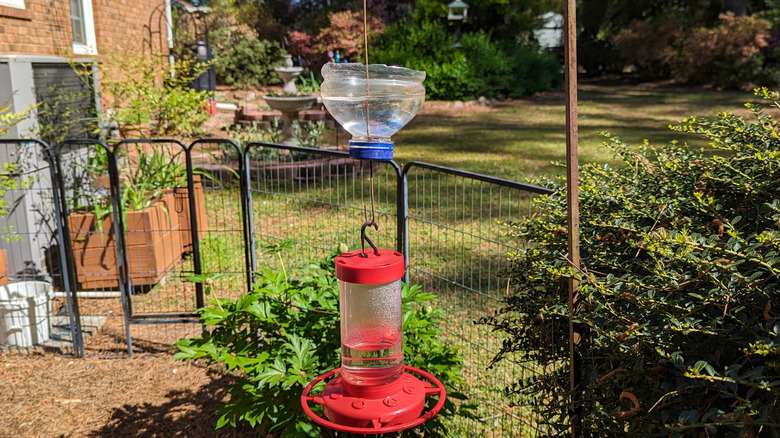
Credit: www.housedigest.com
Frequently Asked Questions
How Can I Prevent Ants From Climbing Bird Feeder Poles?
Use a sticky barrier like petroleum jelly or specialized ant tape around the pole. Clean the feeder regularly to remove spilled seeds that attract ants.
What Natural Remedies Stop Ants On Bird Feeders?
Applying cinnamon, diatomaceous earth, or vinegar near the pole base deters ants naturally. These substances disrupt their trails and discourage climbing.
Why Do Ants Climb Bird Feeder Poles?
Ants climb poles to reach food, especially seeds and nectar. Bird feeders provide a consistent food source, attracting ants seeking easy access.
Are Ant Moats Effective In Stopping Ants?
Yes, ant moats filled with water create a barrier ants cannot cross. Installing them above the feeder keeps ants away from bird food.
Conclusion
Stopping ants from climbing your bird feeder pole keeps birds safe and happy. Use barriers like sticky tape or grease to block their path. Regularly clean the feeder area to avoid attracting ants. Check the pole often to catch ants early.
Small steps make a big difference. Enjoy watching birds without worrying about ants. Keep your feeder clean and ant-free for better bird visits. Simple actions help protect your feathered friends all year.




