
Are birds constantly gathering around your house, leaving droppings and causing damage? You’re not alone, and the good news is there are simple, effective ways to get them to stay away.
Imagine enjoying your outdoor space without worrying about noisy flocks or messy nests. You’ll discover practical tips that actually work to keep birds at bay. Keep reading to protect your home and reclaim your peace of mind today.

Credit: www.amazon.com
Why Birds Gather Near Homes
Birds often gather near homes for several simple reasons. Houses provide food, shelter, and safety. These places can feel like a small natural habitat for them. Understanding why birds come close helps in managing their presence around your property.
Birds choose to stay near homes because these areas meet their basic needs. They find food easily, rest in quiet spots, and avoid predators. This attraction can sometimes lead to challenges for homeowners.
Common Bird Species Around Houses
- Pigeons – Often seen on rooftops and ledges.
- House Sparrows – Small birds that nest in eaves and vents.
- Starlings – Known for loud calls and large flocks.
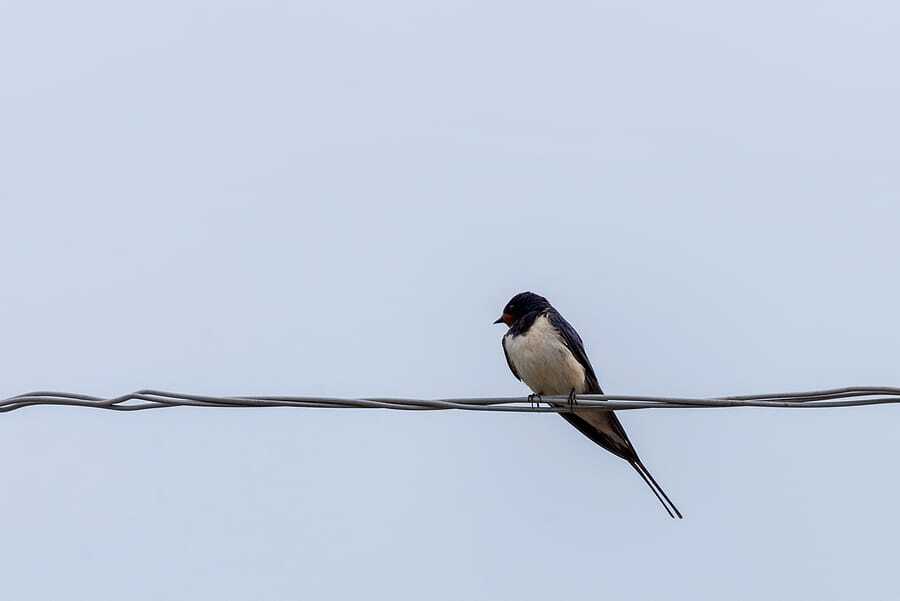
- Swallows – Build mud nests under porches and rafters.
- Robins – Visit yards looking for worms and insects.
Attractants That Draw Birds In
- Food sources like bird feeders, fruit trees, or open trash.
- Water from birdbaths, ponds, or dripping faucets.
- Safe nesting spots such as roof eaves and dense shrubs.
- Warmth and shelter provided by buildings and vents.
- Bright lights and reflective surfaces that catch their attention.
Physical Barriers To Keep Birds Out
Physical barriers offer a direct and effective way to prevent birds from settling on or near your house. They create obstacles that birds cannot easily bypass, making your property less attractive or accessible to them. If you want a long-term solution that doesn’t rely on constant monitoring or refills, physical barriers might be the best choice.
Installing Netting And Screens
Bird netting is a lightweight, durable mesh that you can install around eaves, balconies, or garden areas. It blocks birds from entering spaces where they tend to nest or roost. You can easily cut it to size and secure it with hooks, nails, or zip ties.
Make sure the netting is taut to prevent birds from getting trapped inside. Screens work similarly but are usually metal or plastic panels placed over vents and windows. Both options allow airflow and light while keeping birds out.
Think about spots where birds usually gather on your home. Could netting or screens cover those areas without ruining the look of your house? Sometimes the simplest fix is just out of sight.
Using Bird Spikes And Wires
Bird spikes are strips with plastic or metal points that stop birds from landing on ledges, gutters, or railings. They don’t harm birds but make these spots uncomfortable for perching. Installing spikes requires basic tools and minimal maintenance.
Bird wires are thin, tensioned wires placed along flat surfaces to prevent birds from landing. They are less noticeable than spikes and work well in tight spaces. Both options are great if you want a neat, low-profile barrier.
Have you noticed birds returning to the same ledge or roofline? Adding spikes or wires there can turn their favorite hangout into a no-go zone. It’s a practical way to protect your home without constant effort.
Visual Deterrents That Work
Visual deterrents use sight to keep birds away from your home. These tools create discomfort or confusion for birds. They help protect windows, roofs, and gardens without harming the birds. Using visual deterrents is a safe and easy way to reduce bird problems. Below are two effective options.
Reflective Objects And Decoys
Reflective objects scare birds by shining bright light. They move with the wind, creating flashes that birds dislike. Common items include:
- Shiny tape or strips
- Old CDs or DVDs
- Reflective balloons
Decoys mimic predators and scare away birds. Fake owls, hawks, or snakes work well. Place them where birds gather. Move decoys regularly to keep birds guessing.
Motion-activated Devices
These devices react to bird movement. They startle birds using lights, sounds, or water. Common types are:
- Motion-activated sprinklers
- Flashing LED lights
- Ultrasonic bird repellers
Motion-activated devices are effective because they surprise birds suddenly. Birds learn to avoid areas with these devices. They are eco-friendly and require little maintenance.
Sound-based Repellents
Sound-based repellents can effectively keep birds away from your house. These devices use sound to scare birds and make them uncomfortable. They offer a humane way to protect your property. Let’s explore some popular sound-based repellents.
Ultrasonic Devices
Ultrasonic devices emit high-frequency sounds. These sounds are unpleasant to birds but inaudible to humans. Place these devices near areas where birds gather. They are easy to install and require little maintenance. Ultrasonic devices are a popular choice for homeowners.
Recorded Predator Calls
Recorded predator calls mimic the sounds of birds’ natural enemies. These sounds can cause birds to flee in fear. You can find devices that play these calls at intervals. Position them near gardens, rooftops, or balconies. They are effective in creating a bird-free zone. Choose calls that match the birds you want to deter.
Maintaining Your Yard To Discourage Birds
Maintaining your yard plays a key role in keeping birds away from your house. A clean and well-kept yard removes attractions that draw birds close. Simple yard care habits can discourage birds from settling near your home. These actions create an environment less welcoming to them.
Removing Food Sources
Birds come near homes searching for easy food. Remove bird feeders or place them far from your house. Clean up fallen fruits, seeds, and nuts from the ground. Keep trash cans tightly closed to prevent access to scraps. Avoid leaving pet food outside, especially overnight. These steps reduce food availability, making your yard less inviting.
Keeping Nesting Areas Clear
Birds build nests in quiet, sheltered spots around homes. Regularly trim trees and bushes to limit dense cover. Remove old nests during the off-season to discourage reuse. Seal gaps and holes in roofs, eaves, and vents. Use mesh or netting to block access to potential nesting sites. This reduces safe places for birds to settle and breed.
Natural And Chemical Bird Repellents
Dealing with birds around your house can be frustrating, especially if they cause mess or damage. Natural and chemical bird repellents offer different ways to keep these feathered visitors at bay. Understanding the options helps you choose what fits your needs and values, whether you prefer gentle deterrents or stronger solutions.
Safe Natural Sprays
Natural sprays are a great choice if you want to avoid harsh chemicals. Many homemade options use ingredients like garlic, chili peppers, or vinegar, which birds find unpleasant but are safe for your family and pets. You can easily mix these at home and spray areas where birds tend to gather.
For example, a simple spray made by blending water with crushed garlic and a bit of dish soap can keep birds away from windowsills and garden furniture. The smell may seem strong to you, but it won’t harm the birds—it just encourages them to find a different spot. Have you tried making your own natural repellent? It’s a cost-effective way to protect your home without risking harm to wildlife.
Commercial Repellent Options
If you need a stronger or longer-lasting solution, commercial bird repellents might be the answer. These products often use chemical compounds designed to discourage birds from landing or nesting near your house. You’ll find gels, sprays, and even granules tailored to different bird species and environments.
One popular commercial gel creates a sticky surface that birds dislike, preventing them from perching comfortably. Another option is ultrasonic devices that emit sounds disturbing only to birds. While these can be effective, you should always check if the product is safe for pets and children, and read reviews to ensure it works well in your situation.
What’s your priority—avoiding chemicals or needing a quick fix? Your choice depends on how much effort you want to put in and how persistent the birds are around your home.
When To Call Professionals
Knowing when to call professionals for bird removal helps protect your home and health. Some bird problems are too tough or risky to handle alone. Professionals have the right tools and skills to solve these issues safely. They can also prevent damage and reduce future bird visits.
Handling Persistent Bird Problems
Persistent bird problems need expert help. Birds nesting in hard-to-reach spots or large flocks require special care. Professionals use safe methods to remove birds without harm. They also clean droppings, which carry diseases. Trying to fix these problems yourself can lead to injury or worsen the issue.
Legal Considerations And Bird Protection
Many birds are protected by law. Removing or disturbing them illegally can cause fines or legal trouble. Professionals know local laws and follow them strictly. They use legal and humane ways to handle birds. This protects both the birds and your property.

Credit: www.familyhandyman.com
Credit: www.callnorthwest.com
Frequently Asked Questions
How Can I Keep Birds From Nesting On My House?
Remove food sources and block entry points like vents and eaves. Use bird spikes or netting to prevent nesting. Regularly clean areas to discourage birds from settling. Keeping your property clean deters birds effectively.
What Natural Methods Repel Birds From Homes?
Use reflective objects like CDs or aluminum foil strips. Hang wind chimes or scare balloons to create movement and noise. Plant bird-repellent herbs such as lavender or mint near your house. These natural techniques are safe and effective.
Are Bird Spikes Safe For Home Use?
Yes, bird spikes are humane and safe. They prevent birds from landing without harming them. Install them on ledges, roofs, and other roosting spots. Proper installation ensures they keep birds away effectively.
How Do Ultrasonic Bird Repellents Work?
Ultrasonic devices emit high-frequency sounds that birds dislike. These sounds are inaudible to humans and pets. They deter birds from approaching your house. Effectiveness varies by species and environment.
Conclusion
Birds can cause damage and mess around your house. Taking steps to keep them away helps protect your home. Use safe and simple methods like nets, spikes, or noise devices. Always check local rules about bird control. Be patient; results may take some time.
Keep your yard clean to avoid attracting birds. Small changes make a big difference in keeping birds away. Stay consistent and observe which methods work best for you. Your home will stay cleaner and safer with less bird trouble.




