
Are you setting up a bird feeder and wondering how tall the pole should be? Getting the height just right can make a big difference in attracting more birds to your yard.
Too low, and your feathered friends might feel unsafe. Too high, and you could struggle to refill or clean it. You’ll discover the perfect pole height that keeps birds happy and your feeder easy to manage. Keep reading to find out how to make your bird feeder a welcoming spot for all your winged visitors.

Credit: www.amazon.com
Ideal Heights For Bird Feeder Poles
Choosing the right height for your bird feeder pole can make a big difference in attracting birds and keeping them safe. The ideal height depends on various factors like the type of birds you want to attract and the environment around your feeder. Let’s break down what heights work best and how you can adjust them to suit different bird species.
Standard Height Recommendations
Most bird feeders do well when placed between 4 and 6 feet above the ground. This height is high enough to keep the feeder away from common predators like cats but low enough for you to refill and clean it easily.
Many backyard bird lovers find that 5 feet is a sweet spot. It balances safety for the birds with convenience for you. If your yard has a lot of foot traffic or pets, staying closer to 6 feet can offer extra protection.
Adjusting Height For Bird Species
Different birds prefer different feeding heights. Ground-feeders like sparrows and doves prefer feeders closer to the ground, around 2 to 3 feet. Meanwhile, birds like finches and chickadees feel safer at higher feeders, around 5 to 6 feet.
Have you noticed that woodpeckers often cling to feeders placed higher up? They typically visit feeders set 6 feet or more above ground. Adjusting your feeder height based on the birds you want to attract can improve your chances of seeing them regularly.
Think about your yard’s layout and which birds you enjoy watching most. Then, try setting your feeder at that height and observe the visitors. Sometimes a small change in height can invite a whole new variety of birds to your space.
Safety Considerations
Choosing the right height for a bird feeder pole matters for bird safety. Birds face threats from predators and hazards near homes. Proper pole height helps protect birds while feeding. It also reduces accidents that can harm them. Safety should guide every decision about pole placement.
Protecting Birds From Predators
Predators like cats and squirrels often attack birds at feeders. Setting the pole too low makes birds easy targets. A good height keeps feeders out of reach from these animals. Poles between 5 to 6 feet tall work well. They offer a safe distance from ground predators.
Adding a baffle below the feeder can stop climbing animals. A smooth, slippery surface on the pole also helps. These measures create a safer feeding spot for birds. Safety means fewer interruptions and less stress for them.
Avoiding Window Collisions
Birds often fly into windows near feeders, causing injuries. Placing the feeder too close to glass increases this risk. The pole should be at least 3 feet away from windows. This distance gives birds time to avoid hitting the glass.
Using window decals or screens further prevents collisions. Positioning feeders near bushes or trees helps birds stop safely. A careful setup saves bird lives and keeps your windows intact.
Placement Tips For Better Viewing
Choosing the right height for a bird feeder pole matters. It affects how you enjoy watching birds. Proper placement ensures a great view and keeps birds safe. Below are some key tips to consider.
Visibility From Indoors
Position the bird feeder where it’s visible from your favorite room. This could be the kitchen or living room. Ensure the feeder is within sight of windows. This makes birdwatching easy and enjoyable. A clear view enhances your connection with nature.
Avoiding Obstructions
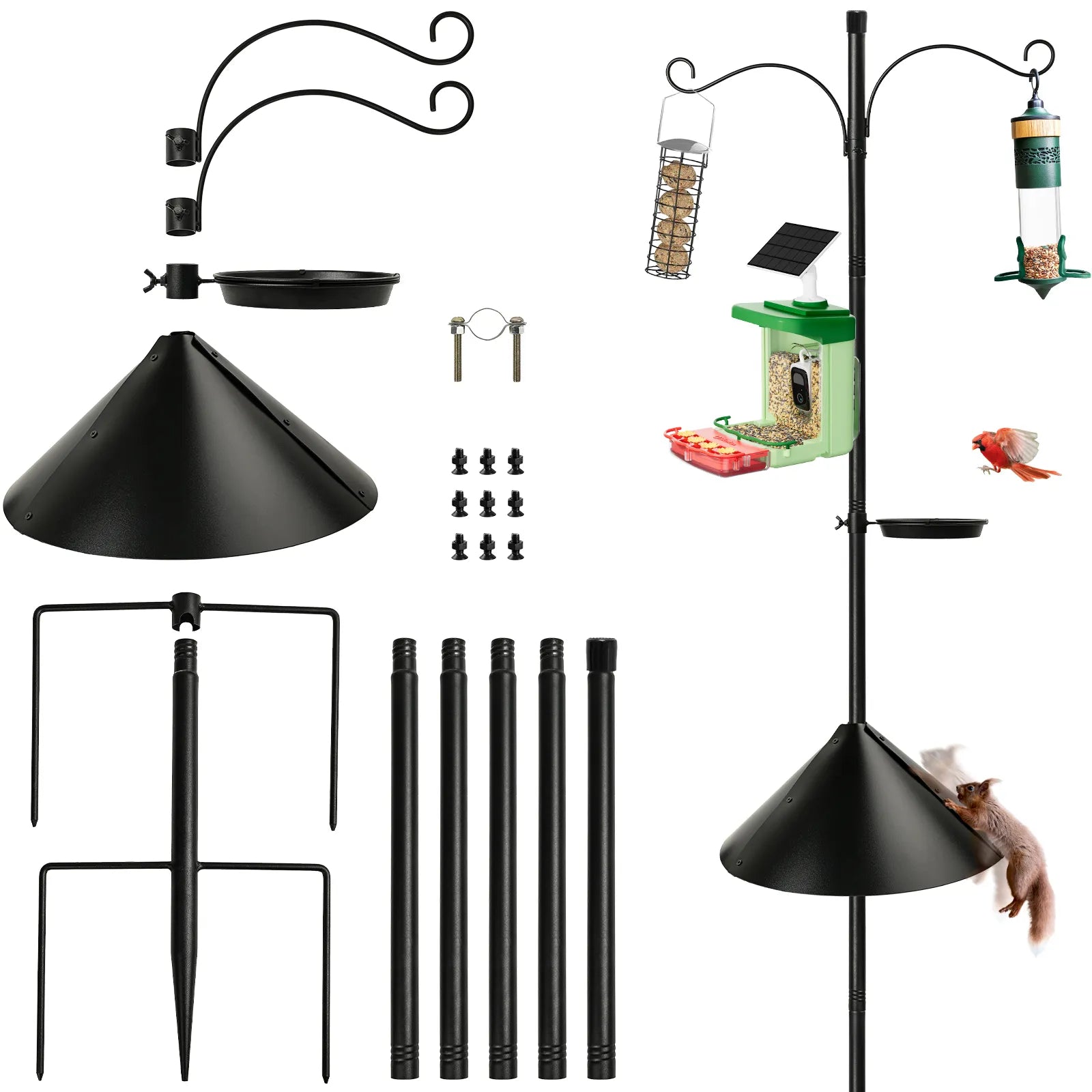
Avoid placing the feeder near large trees or structures. These can block your view. Trim bushes and branches if needed. This opens up the space for a better view. Ensure no obstacles hinder your line of sight.
Credit: www.bilantan.com
Material And Stability Of Poles
Choosing the right material and ensuring stability are crucial when deciding how tall your bird feeder pole should be. A pole that’s tall enough to keep birds safe and visible loses its purpose if it wobbles or rusts away quickly. Let’s dig into what materials work best and how to keep your pole steady, even on windy days.
Choosing Durable Materials
Your bird feeder pole should withstand outdoor elements without constant upkeep. Metal poles, especially those made from galvanized steel or powder-coated aluminum, offer great durability and resist rust. Wooden poles can look natural but often require sealing or treatment to prevent rot and insect damage.
Plastic poles might seem like a low-maintenance option, but they can crack or fade under strong sun and cold temperatures. Think about where you live—is your area prone to heavy rain, snow, or intense sun? This will guide you to pick a material that lasts without frequent replacement.
Anchoring For Wind Resistance
Have you ever seen a bird feeder swinging wildly in the wind? Stability matters as much as material. A well-anchored pole keeps your feeder steady and safe for visiting birds.
Consider these anchoring options:
- Ground spikes:Ideal for soft soil, these spikes drive deep to hold the pole firmly.
- Concrete base:For extra stability, especially in windy locations, set your pole in a concrete-filled hole.
- Guy wires:Thin cables attached from the pole to the ground or nearby anchors can prevent wobbling.
Have you measured your yard’s typical wind speed? Even moderate winds can shake a tall feeder if it’s not anchored well. Adding stability might mean you can place your pole a bit taller without fear of it toppling over.
Seasonal Adjustments
Adjusting the height of your bird feeder pole through the seasons helps attract more birds and keeps them safe. Different seasons bring changes in bird behavior and weather. Tweaking the pole height supports birds’ feeding habits and offers protection from predators and harsh weather.
Height Changes For Winter
In winter, snow and ice can cover the ground and create obstacles. Raising the pole higher prevents feeders from being buried in snow. It also keeps food dry and accessible. A height of about 6 to 7 feet is ideal during winter. This height reduces risks from ground predators like cats and squirrels. Position the feeder away from strong winds to avoid shaking and spillage.
Spring And Summer Considerations
Spring and summer bring more birds and activity. Lowering the feeder to about 5 feet helps young birds reach food easily. It also encourages more species to visit. Place feeders near trees or shrubs to provide shelter. This protection helps birds hide from hawks and other predators. Monitor pole height as plants grow, adjusting to maintain safe access. Keep feeders clean to prevent mold and disease during warm months.
Customizing Pole Height For Different Feeders
Choosing the right height for your bird feeder pole depends on the type of feeder you use. Different feeders need different pole heights for the best bird experience. Setting the pole too low or too high can affect bird safety and feeding comfort.
Adjusting the pole height helps protect birds from predators and makes refilling easier. It also keeps the feeders away from pets or other animals that might disturb the birds. Understanding the height needs for each feeder type lets you create a better bird-friendly space.
Tube Feeders Vs Platform Feeders
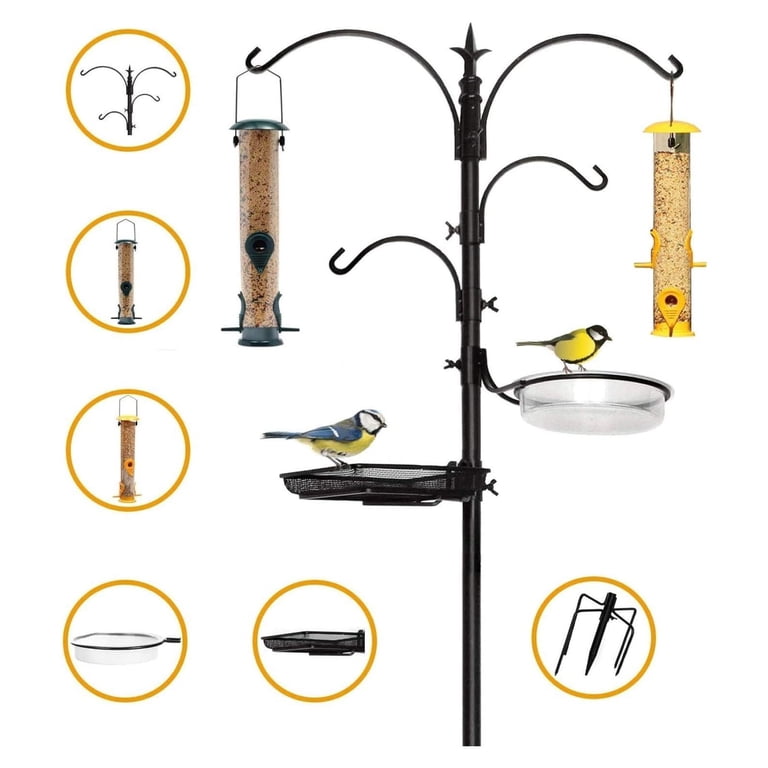
Tube feeders usually work best at about 5 to 6 feet high. This height stops squirrels and cats from reaching the feeder. Birds can easily access the seeds while staying safe from ground predators.
Platform feeders need to be a bit higher, around 6 to 7 feet. This height helps keep the feeding area clean and safe. Birds enjoy more space to land and feed on a platform feeder.
Specialty Feeders And Heights
Hummingbird feeders are often hung 4 to 5 feet above the ground. This height suits their flying style and keeps them away from larger birds. Suet feeders are best placed 6 feet high to keep them away from ground animals.
Nesting or fruit feeders may need customized heights based on the bird species you want to attract. Keeping specialty feeders at the right height helps birds feed comfortably and safely.
Credit: www.walmart.com
Frequently Asked Questions
How Tall Should A Bird Feeder Pole Be?
A bird feeder pole should be 5 to 6 feet tall. This height keeps feeders safe from predators and easy to refill.
Why Is Feeder Pole Height Important?
Proper height prevents squirrels and cats from reaching feeders. It also provides birds a safe feeding spot.
Can Feeder Poles Be Too Tall?
Yes, poles over 6 feet can be unstable and hard to refill. Ideal height balances safety and accessibility.
What Height Keeps Birds Safe From Predators?
A height of 5 to 6 feet minimizes predator risks. It offers birds a secure and comfortable feeding environment.
Conclusion
Choosing the right height for your bird feeder pole helps keep birds safe. A pole about 5 to 6 feet tall works well for most gardens. It keeps squirrels away and makes feeding easy for birds. Make sure the pole is steady and placed in a quiet spot.
Watching birds visit your feeder brings joy and peace. Small changes can make your garden bird-friendly and lively. Enjoy the simple pleasure of birdwatching right outside your window.




