
Have you ever wondered how birds always seem to find your bird feeder, no matter where you place it? It’s almost like they have a secret map or a special sense that guides them right to the food.
If you’ve been curious about this natural mystery, you’re in the right place. Understanding how birds know where feeders are can change the way you attract them to your yard and make your bird-watching experience even more enjoyable. Keep reading, and you’ll discover simple but fascinating facts that explain this amazing behavior—facts that will help you create a welcoming space for your feathered visitors.

Credit: www.youtube.com
Bird Navigation Skills
Birds have amazing navigation skills that help them find food sources like bird feeders. Their ability to locate feeders depends on several natural talents and environmental cues. These skills allow birds to travel great distances and still find their way back.
Innate Directional Sense
Birds are born with a natural sense of direction. This internal compass guides them during flights. It helps them maintain a steady course even without visible landmarks. This skill is crucial for migration and daily travels. The brain of birds processes magnetic fields of the Earth. This magnetic sensing gives birds a reliable way to orient themselves.
Role Of Visual Landmarks
Birds use visual landmarks to spot familiar places. Trees, buildings, and hills act as markers along their path. These landmarks help birds remember where feeders are located. Birds can recognize patterns in the environment. They learn routes by repeatedly flying the same areas. Landmarks reduce the chance of getting lost and make navigation easier.
Use Of Sun And Stars
Birds also use the sun and stars for direction. The sun’s position in the sky helps them during the day. Birds watch the sun’s movement to adjust their flight path. At night, some birds navigate by the stars. They identify star patterns to keep on course. This celestial navigation works even on long journeys far from land.
Credit: www.kingsyard.com
Memory And Learning In Birds
Birds have amazing skills to remember and learn about their surroundings. These skills help them find food sources like bird feeders. Memory and learning work together in birds. They recall places and learn from past visits. This helps them return to feeders again and again.
Spatial Memory Capabilities
Birds use spatial memory to locate bird feeders. They remember landmarks and routes around their home. This memory helps them find feeders even after days. Some birds can recall many locations and distances. This ability is vital for survival and finding food.
Learning From Experience
Birds learn through trial and error. They explore new places and test if food is available. After a few visits, birds remember which feeders have food. This learning saves time and energy. They avoid empty feeders and focus on reliable ones.
Social Learning And Observation
Birds also watch others to find feeders. They observe where other birds feed and follow them. Young birds learn from adults in their group. This social learning spreads knowledge quickly. It helps birds find feeders without searching alone.
Senses That Guide Birds
Birds rely on their senses to find bird feeders with ease. These natural abilities guide them through complex environments. Their senses work together to spot food sources from far away. Understanding these senses helps explain how birds navigate to feeders.
Sharp Vision And Color Detection
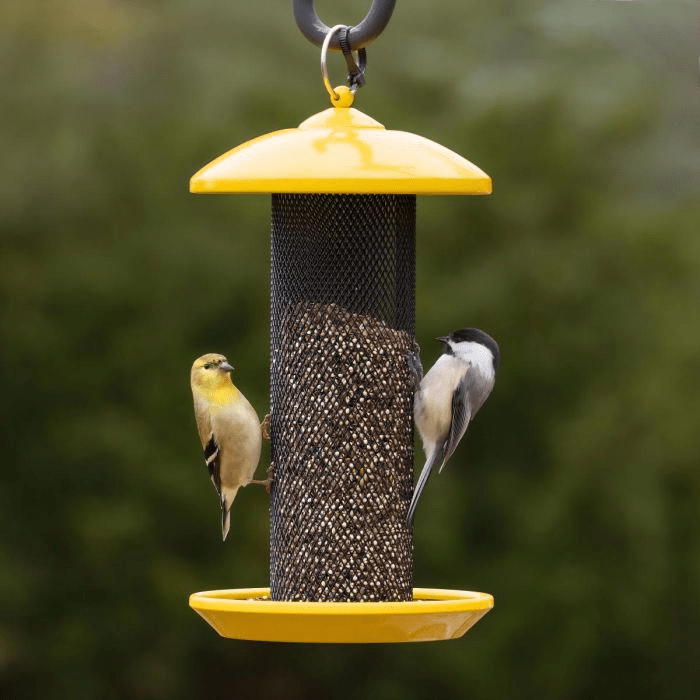
Birds have excellent eyesight that is sharper than humans’. They can see details from great distances. Bright colors on feeders catch their attention quickly. Birds notice colors like red, yellow, and orange easily. These colors stand out in nature and attract birds. Their eyes also detect ultraviolet light, invisible to humans. This ability helps birds spot feeders and food sources.
Sensitivity To Magnetic Fields
Birds sense Earth’s magnetic field to navigate long distances. This natural compass helps them find familiar places. They use magnetic cues to remember feeder locations. Magnetic sensitivity guides birds during migration and daily travels. This sense helps them return to feeders reliably.
Hearing And Environmental Cues
Birds listen carefully to sounds in their surroundings. They hear other birds calling near feeders. These calls signal safe food spots. Wind, water, and rustling leaves also provide clues. Birds use these sounds to find and recognize feeders. Hearing helps them stay aware of changes nearby.
Bird Feeders As Familiar Spots
Birds quickly learn to recognize bird feeders as safe and reliable food spots. These feeders become familiar places in their environment. Over time, birds remember the location and return often. This helps them find food easily during busy or cold days.
Consistent Placement Benefits
Placing bird feeders in the same spot helps birds remember them. Birds use landmarks and visual cues to find feeders. If feeders move too much, birds may get confused or avoid them. Keeping feeders steady creates trust and encourages regular visits.
Scent And Residual Cues
Birds can detect smells left around feeders. Seeds, shells, and droppings act as clues. These scents help birds recognize familiar feeders from a distance. The residual signs signal a safe food source and attract more birds over time.
Feeder Design And Attraction
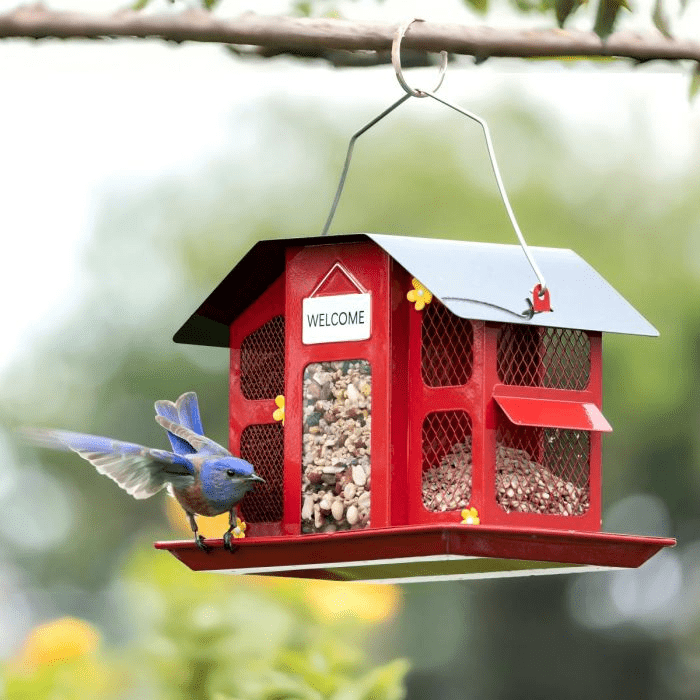
Bright colors and simple shapes catch birds’ attention. Certain designs make it easier for birds to feed and perch. Feeders that look natural or match surroundings blend in well. This comfort makes birds more likely to use them repeatedly.
Human Influence On Bird Behavior
Humans play a significant role in shaping bird behavior, especially when it comes to bird feeders. Your actions—where you place feeders, how often you fill them, and the environment you create around them—directly influence how birds find and return to these food sources. Understanding this influence helps you create a more inviting space for birds.
Feeding Patterns And Schedules
Birds quickly learn to associate certain locations with food availability. If you fill your feeder at the same time every day, birds begin to expect food at those times and adjust their daily routines accordingly.
Imagine waking up to a breakfast routine you never miss. Birds do the same with consistent feeding schedules. This predictability encourages regular visits and builds trust between you and your feathered visitors.
Impact Of Urban Environments
Urban areas change how birds behave and locate food. Tall buildings, traffic noise, and limited green spaces can make it harder for birds to find natural food sources.
By placing feeders in safe, quiet spots, you give birds a reliable refuge within a busy environment. Your garden or balcony can become a crucial lifeline amid urban chaos.
Encouraging Repeat Visits
To keep birds coming back, consistency and comfort matter. Clean feeders, fresh food, and protection from predators make your spot appealing.
Try adding water sources nearby or planting native flowers and shrubs to create a welcoming habitat. What small changes can you make today to turn your space into a bird magnet?
Credit: www.kingsyard.com
Frequently Asked Questions
How Do Birds Find Bird Feeders Easily?
Birds use their keen eyesight to spot feeders from a distance. They remember landmarks and follow other birds to food sources. Bright colors and consistent placement also help birds locate feeders quickly.
Can Birds Recognize Bird Feeders By Sight?
Yes, birds can recognize feeders by their shape and color. They associate these visual cues with food availability. Over time, birds learn to identify feeders as reliable food sources.
Do Birds Rely On Other Birds To Find Feeders?
Absolutely. Birds often watch and follow other birds to feeders. This social behavior helps inexperienced birds discover new feeding spots efficiently.
How Far Can Birds See Bird Feeders?
Birds can see feeders from several hundred feet away. Their sharp vision allows them to detect feeders against natural backgrounds. Clear visibility is key for birds to spot feeders early.
Conclusion
Birds find feeders by using sight, memory, and habits. They spot bright colors and shapes from far away. Birds remember good food places and return often. They also follow other birds to feeders nearby. This natural behavior helps them survive and thrive.
Placing feeders in visible, safe spots invites more visitors. Watching birds find feeders reveals their clever skills. Nature’s way of guiding them is truly fascinating.




