
Are you thinking about adding a ceramic bird house to your garden? You might be wondering if it’s really safe for the birds you want to welcome.
After all, your goal is to create a cozy and secure home for these little creatures. But does ceramic provide the right environment? You’ll discover the truth about ceramic bird houses—their benefits, risks, and what you should look for to keep your feathered friends safe and happy.
Keep reading to make the best choice for your backyard visitors.
Ceramic Bird Houses Basics
Ceramic bird houses offer a unique blend of style and function for your backyard. Understanding the basics helps you decide if they fit your bird-friendly goals. Let’s look closer at what makes ceramic bird houses special and how their design can impact the birds that visit.
Material Properties
Ceramic bird houses are made from fired clay, giving them a hard, durable surface. This material resists weather well, protecting birds from rain and wind. However, ceramics can crack in freezing temperatures, so placement matters if you live in cold climates.
Unlike wood, ceramic doesn’t absorb moisture, reducing mold growth inside the house. It also offers good insulation, helping keep the interior cooler in summer and warmer in winter. Have you noticed how a ceramic cup stays cooler to the touch than a metal one? The same principle applies here for birds’ comfort.
Common Designs
Ceramic bird houses come in many shapes and sizes, tailored to different bird species. Some designs include simple round holes for small birds like wrens, while others have larger entrances for species like bluebirds.
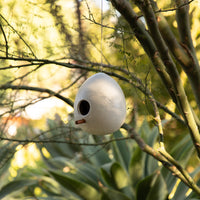
- Hanging pots or lantern styles that add charm and are easy to hang from branches or hooks
- Wall-mounted boxes that provide sturdy, secure shelter
- Decorative houses featuring bright colors and patterns to attract attention
Choosing the right design means thinking about the birds you want to attract and the space you have available. What type of birds visit your yard most often? This can guide your choice and improve your chances of seeing feathered guests settle in.
Safety Factors For Birds
Ensuring the safety of birds in ceramic bird houses requires attention to key factors. These factors affect how well birds can live and thrive inside. Proper design and material choice help protect birds from harm and stress.
Temperature Regulation
Ceramic can absorb heat quickly. This may cause the inside to become too hot or too cold. Proper insulation or placement in shaded areas helps keep temperatures stable. Birds need a comfortable climate to avoid heat stress or chilling.
Ventilation And Drainage
Good airflow prevents moisture buildup inside the bird house. Ventilation holes allow fresh air to circulate. Drainage holes at the bottom stop water from collecting. Dry and fresh conditions reduce the risk of mold and illness for birds.
Durability And Weather Resistance
Ceramic is strong but can crack in harsh weather. It must withstand rain, wind, and freezing temperatures. A durable ceramic bird house lasts longer and keeps birds safe from the elements. Proper sealing and quality materials improve weather resistance.
Benefits Of Ceramic Bird Houses
Ceramic bird houses offer many advantages for bird lovers and gardeners. They combine beauty with durability and provide a safe place for birds. These houses stand out for their unique benefits compared to other materials. Understanding these benefits helps in choosing the best bird house for your outdoor space.
Aesthetic Appeal
Ceramic bird houses add charm to any garden or yard. Their smooth surfaces and vibrant colors attract attention. They come in various shapes and designs, fitting different styles. This makes them not just functional but also decorative pieces. They blend well with plants and outdoor decorations.
Longevity
Ceramic bird houses last for many years without damage. They resist weather effects like rain, wind, and sun. Unlike wood, ceramics do not rot or warp. This ensures a stable and safe environment for birds. Their strong build means less replacement and maintenance.
Pest Resistance
Ceramic houses are less likely to attract pests and insects. Their hard surfaces prevent nests of unwanted bugs. This keeps the bird house clean and safe for birds. Unlike wood, ceramics do not provide food or shelter for termites. This helps protect the birds and the house itself.

Credit: www.amazon.com
Potential Risks And Concerns
When considering adding a ceramic birdhouse to your garden, it’s essential to weigh the potential risks and concerns. While they can be aesthetically pleasing, certain issues could impact both the safety of the birds and the longevity of the birdhouse. Understanding these risks can help you make an informed decision and ensure a safe environment for your feathered visitors.
Risk Of Cracking
Ceramic birdhouses, although beautiful, can be prone to cracking. Temperature fluctuations can cause the material to expand and contract, leading to potential fractures. If a birdhouse cracks, it may become a hazard for birds, possibly resulting in sharp edges that could injure them.
Consider the climate in your area. If you experience extreme temperatures, think twice about using a ceramic birdhouse. Opt for placing it in a shaded area or indoors during harsher weather to minimize the risk.
Weight And Placement Issues
Ceramic birdhouses can be quite heavy. This can make them challenging to hang securely, especially on slender branches. A heavy birdhouse could fall, causing harm to both birds and any passersby below.
Always ensure that the birdhouse is securely mounted. Use sturdy hooks or brackets and choose a robust support structure to prevent accidents. Regularly check the installation to ensure it remains secure over time.
Toxic Glazes And Paints
The appeal of a ceramic birdhouse often lies in its vibrant colors and glossy finish. However, some glazes and paints may contain toxic substances that are harmful to birds. Birds might peck at the surface, ingesting these harmful chemicals.
Choose birdhouses made with non-toxic, eco-friendly materials. Verify the safety of any paints or glazes used in the birdhouse’s construction before making a purchase. Your awareness can make a significant difference in protecting local wildlife.
Have you considered these potential risks before adding a ceramic birdhouse to your garden? Taking these precautions can provide a safe and welcoming habitat for your avian friends.
Comparison With Other Materials
Choosing the right material for a bird house can directly affect the safety and comfort of its feathered inhabitants. Comparing ceramic bird houses with those made of wood, metal, and plastic helps you understand the pros and cons of each. This way, you can make a more informed decision that benefits both you and the birds.
Wood Vs Ceramic
Wood is a traditional choice for bird houses because it provides natural insulation and blends well with outdoor environments. However, wooden houses can rot or attract pests if not properly treated. Ceramic bird houses, on the other hand, are highly durable and resistant to weather, but they can become hot in direct sunlight and may crack if dropped.
Have you noticed how some wood bird houses develop mold or weaken over time? Ceramic avoids this problem but requires careful placement to avoid overheating.
Metal Vs Ceramic
Metal bird houses are sturdy and often long-lasting, but they tend to absorb and retain heat, which can be harmful to birds during warm weather. Ceramic offers better temperature regulation since it doesn’t conduct heat as much. However, metal houses are generally lighter and easier to move, while ceramics can be heavier and more fragile if mishandled.
Would you prefer a bird house that stays cool naturally or one that’s easy to relocate when needed?
Plastic Vs Ceramic
Plastic bird houses are lightweight, inexpensive, and resistant to moisture, but they often lack breathability, which can trap heat and moisture inside. Ceramic bird houses provide better ventilation and a more stable internal environment for birds. Still, plastic is less likely to break if it falls, making it safer in high-traffic areas.
Consider where you’ll place your bird house: is durability against impacts more important, or is temperature control your priority?
Tips For Choosing Safe Ceramic Bird Houses
Choosing a safe ceramic bird house is important for protecting birds and ensuring their comfort. Ceramic houses can be durable and attractive, but certain factors must be checked. These tips help you pick a bird house that is safe and suitable for your feathered friends.
Checking For Non-toxic Finishes
Paints and glazes on ceramic bird houses must be non-toxic. Birds are sensitive to harmful chemicals. Choose houses labeled as bird-safe or made with food-grade materials. Avoid bright, shiny finishes that might contain lead or heavy metals. A safe finish protects birds from poisoning and keeps the house durable.
Ensuring Proper Size And Design
The bird house size affects which birds can use it. Check the entrance hole size to match local bird species. Too large or too small holes can cause danger. The design must allow air circulation and drainage. Smooth edges prevent injury. A good design keeps birds safe and comfortable inside.
Placement Recommendations
Place the ceramic bird house in a quiet, sheltered spot. Avoid direct sunlight to prevent overheating. Position it away from predators like cats and squirrels. Mount the house securely to avoid falling. Proper placement helps birds feel safe and encourages them to nest.
Maintenance And Care
Maintaining your ceramic bird house is essential to keep it safe and welcoming for birds year after year. Regular care prevents damage and ensures the house remains a cozy shelter. A few simple habits can extend the life of your bird house and protect its delicate ceramic surface.
Cleaning Guidelines
Clean your ceramic bird house at least once a season to remove old nesting materials and dirt. Use a mild soap solution and warm water—harsh chemicals can damage the ceramic finish and harm birds. Rinse thoroughly and let it dry completely before placing it back outdoors.
Wear gloves during cleaning to protect yourself and to avoid transferring oils that could deter birds. Avoid scrubbing too hard; gentle cleaning preserves the ceramic’s smooth surface and painted details. Have you noticed how a clean bird house attracts more visitors?
Seasonal Care
Winter can be tough on ceramic bird houses because extreme cold may cause cracks. If you live in an area with harsh winters, consider bringing the bird house indoors or placing it in a sheltered spot. In warmer months, check for sun damage or fading paint and touch up as needed with bird-safe paints.
Also, watch for water pooling inside after rain—ceramic doesn’t absorb moisture, so ensure your bird house has proper drainage. Small adjustments like tilting the house slightly can prevent water buildup. How often do you inspect your bird house for seasonal wear?
Repairing Minor Damage
Small chips or cracks don’t mean you need to replace your ceramic bird house right away. Use non-toxic, waterproof adhesives designed for ceramics to fix minor damage. Let the repair dry fully before hanging it back up to keep the structure safe for nesting birds.
If paint peels, repaint with non-toxic, outdoor-safe paint to maintain protection and appearance. Regular checks make it easier to catch damage early, saving you time and money. Have you tried repairing your bird house yourself? It can be surprisingly simple and rewarding.
Credit: modernica.net

Credit: modernica.net
Frequently Asked Questions
Are Ceramic Bird Houses Safe For Birds To Nest In?
Ceramic bird houses are generally safe if they have proper ventilation and drainage. They provide good insulation but must avoid toxic glazes. Smooth interiors prevent injury, making them suitable for many bird species.
Do Ceramic Bird Houses Offer Good Weather Protection?
Yes, ceramic bird houses offer excellent protection against rain and wind. Their thick walls help maintain stable temperatures, keeping birds warm in winter and cool in summer.
Can Ceramic Bird Houses Be Harmful Due To Temperature Changes?
Ceramic can crack in extreme temperature changes, which may harm birds. Proper placement in shaded areas reduces risks, ensuring a safer environment for nesting birds.
How Do Ceramic Bird Houses Compare To Wooden Ones?
Ceramic houses last longer and resist pests better than wood. However, they are heavier and less breathable, so ventilation design is crucial for bird comfort.
Conclusion
Ceramic bird houses can be safe for birds if chosen carefully. They offer good protection from weather and predators. Make sure the ceramic is smooth and non-toxic. Avoid houses with sharp edges or small openings. Proper ventilation is important to keep birds comfortable.
Place the house in a quiet, safe spot. Watching birds enjoy a ceramic home brings joy. Choose quality and care for the best results. Safe homes help birds thrive and feel secure.




