
If you love nature and want to discover the amazing birds of New Zealand, this guide is made just for you. Imagine spotting colorful birds you’ve never seen before, hearing their unique calls, and understanding their habits.
Whether you’re a beginner or have some experience, this field guide will help you connect with New Zealand’s incredible birdlife like never before. Get ready to unlock secrets that will make your birdwatching trips more exciting and unforgettable. Keep reading to find out how you can become a true bird expert in New Zealand.
Bird Species Of New Zealand
New Zealand’s bird species offer a fascinating glimpse into a world unlike any other. These birds evolved in isolation, resulting in unique traits that you won’t find anywhere else. Whether you are a casual observer or a dedicated birder, understanding these species can deepen your appreciation of the natural beauty around you.
Iconic Native Birds
Many of New Zealand’s native birds are instantly recognizable and hold a special place in the country’s culture. The kiwi, for example, is not just a national symbol but also a curious bird that prefers to roam at night. Have you ever wondered how such a flightless bird survives in dense forests?
Another standout is the tūī, known for its beautiful, melodic calls and shimmering feathers. Spotting one in the wild can feel like a reward, as their unique songs fill the air with life. Don’t miss the chance to listen closely—the tūī’s voice can surprise you with its wide range of sounds.
Endangered And Rare Species
New Zealand is home to several endangered birds that need your attention and care. The kakapo, a flightless parrot, is critically endangered with fewer than 250 individuals left. Visiting conservation centers can offer you a rare chance to see and learn about these amazing survivors.
Other rare species include the takahe, which was once thought extinct but has made a remarkable comeback. Supporting conservation efforts or volunteering can directly impact these birds’ survival. Would you consider joining a local project to help protect these vulnerable species?
Seabirds And Shorebirds
The coastline of New Zealand hosts a variety of seabirds and shorebirds that are fascinating to watch. The albatross, with its massive wingspan, glides effortlessly over the ocean, covering vast distances. Have you noticed how these birds seem to ride the wind with almost no effort?
Plovers and oystercatchers are common on the shores, often seen darting around in search of food. Their quick movements and distinctive calls add vibrant life to the beach environment. Next time you’re at the coast, try identifying the different shorebirds and see how many you can spot.
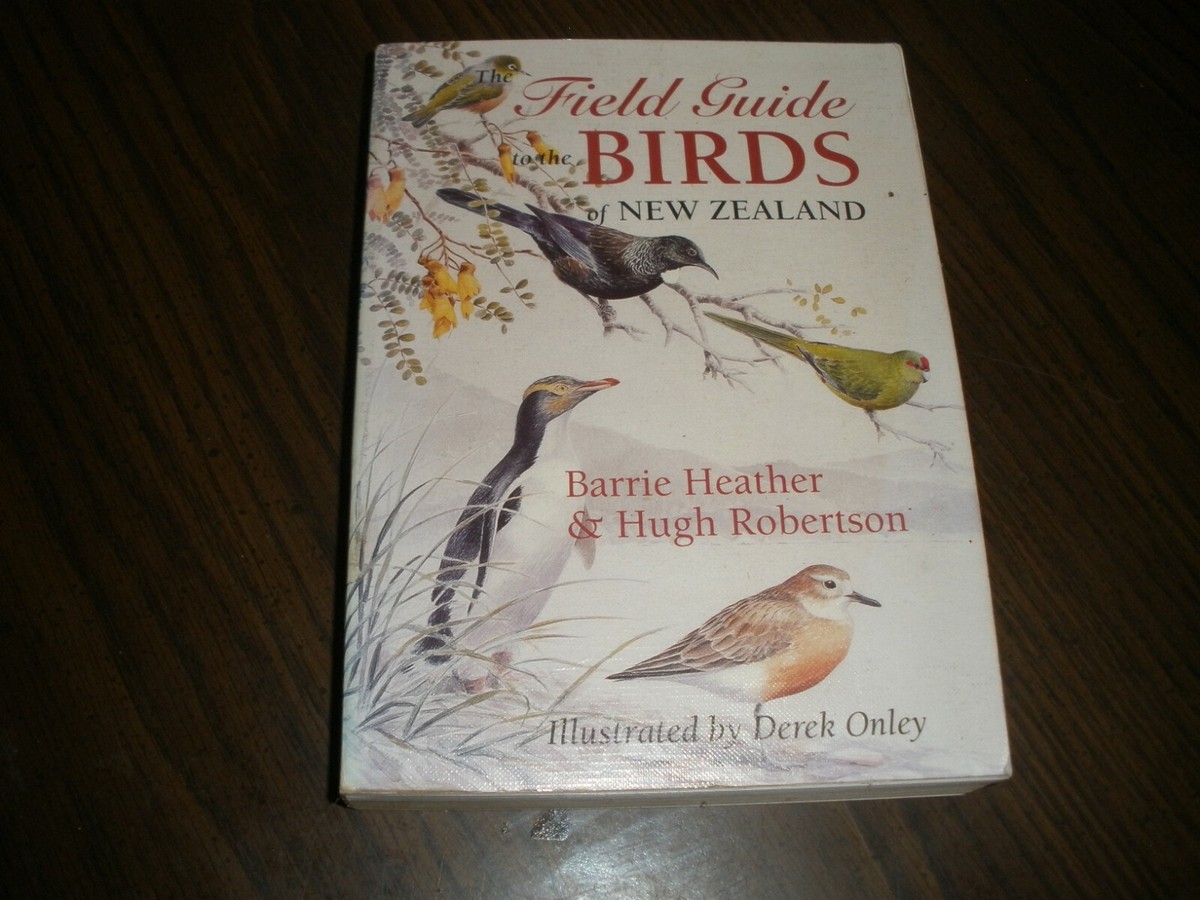
Credit: www.ebay.com
Best Birdwatching Spots
New Zealand offers some of the best birdwatching spots in the world. Its unique wildlife and varied landscapes create perfect habitats for many rare birds. Exploring different regions reveals diverse species and unforgettable sights. Here are top locations to add to your birdwatching journey.
North Island Highlights
The North Island hosts rich birdlife in forests and wetlands. Visit the Waikato region for sightings of the rare blue duck. The Waitakere Ranges near Auckland offer dense native bush with kererū and tui. Rotorua’s geothermal parks also attract many native birds. Lakes and river areas provide good chances to see paradise shelducks and scaup.
South Island Hotspots
The South Island is home to many iconic birds. Fiordland National Park shelters the elusive takahe, a flightless bird. The Catlins Coast is famous for yellow-eyed penguins nesting on beaches. Kaikoura’s coast is perfect for spotting albatross and petrels. Lake Tekapo’s wetlands attract a wide variety of waterfowl and black stilt, one of the rarest birds.
Offshore Islands
New Zealand’s offshore islands are bird sanctuaries. Tiritiri Matangi Island near Auckland is a predator-free reserve with many native species. Stewart Island offers kiwi spotting tours at night. Kapiti Island is a safe home for the little spotted kiwi and kokako. These islands provide close encounters with birds hard to find on the mainland.
Seasonal Birdwatching Tips
Seasonal changes affect bird behavior and visibility in New Zealand. Understanding these shifts helps spot more birds. It also enriches the birdwatching experience. Knowing when birds breed, migrate, and how weather affects them is key. These tips guide you through the seasons for better sightings.
Breeding Seasons
Most birds breed during spring and early summer. This is from September to December. Birds are more active and easier to see then. You can hear more bird songs and calls. Nesting sites are often near water and forests. Avoid disturbing nests to protect baby birds.
Migration Patterns
Many New Zealand birds migrate between islands and regions. Migration peaks in autumn and spring. Watch for flocks flying at dawn or dusk. Some shorebirds travel long distances overseas. Migrants are often more colorful or vocal. Use binoculars to spot birds in flight or resting.
Weather Considerations
Clear, calm days offer the best birdwatching conditions. Birds stay hidden during heavy rain or strong winds. Early mornings are cooler and quieter. Midday heat can make birds less active. Dress in layers and carry rain gear. Be patient and move slowly to avoid scaring birds.
Birdwatching Gear Essentials
Birdwatching in New Zealand offers a unique experience with its diverse bird species. To make the most of this adventure, proper gear is essential. This guide will help you choose the right equipment for an enriching birdwatching experience.
Binoculars And Optics
Binoculars are vital for spotting distant birds. Choose binoculars with good magnification and a wide field of view. A magnification of 8x or 10x is ideal for birdwatching. Look for lightweight models for comfort during long treks. Consider waterproof and fog-proof features for New Zealand’s varying weather conditions.
Field Guides And Apps
A field guide is your companion for identifying bird species. Choose a guide specific to New Zealand birds for accurate information. Apps offer convenience, with audio calls and detailed images. Some apps work offline, perfect for remote areas.
Clothing And Accessories
Wear layered clothing for changing weather conditions. Opt for neutral colors to blend with the environment. A wide-brimmed hat protects against sun and rain. Comfortable shoes are essential for long walks. A backpack is useful for carrying gear, snacks, and water. Don’t forget a notebook to jot down your sightings.
Conservation Efforts
New Zealand’s unique birdlife faces constant threats, but dedicated conservation efforts give hope for their survival. Protecting these species demands a combination of smart strategies and community passion. You might be surprised how much impact careful planning and local involvement can have on saving native birds.
Predator Control Programs
Introduced predators like rats, stoats, and possums have devastated native bird populations. Predator control programs aim to reduce these threats through targeted trapping and poisoning. These efforts are often carried out in carefully monitored zones to protect vulnerable species like the kiwi or kaka.
One inspiring example is the use of self-resetting traps that keep working without constant human intervention. Imagine how much more effective conservation becomes when technology supports ongoing predator control. Could your local area benefit from similar initiatives?
Community Involvement
Your role as a community member can make a real difference. Volunteer groups participate in habitat restoration, predator monitoring, and education. These hands-on activities help build a strong connection between people and wildlife.
In some regions, schools and families work together planting native trees to create safe nesting spots. This not only helps birds but also teaches the next generation about stewardship. How could you encourage your community to join such efforts?
Protected Areas And Reserves
Establishing protected areas is critical to providing safe havens for endangered birds. National parks and wildlife reserves restrict harmful activities, allowing ecosystems to recover and flourish. These areas often become hotspots for birdwatchers eager to see rare species in their natural habitat.
Some reserves even use predator-proof fencing to create completely safe environments. Visiting these places can inspire you to support or advocate for more protected zones. What local reserves have you visited that made you appreciate conservation work?
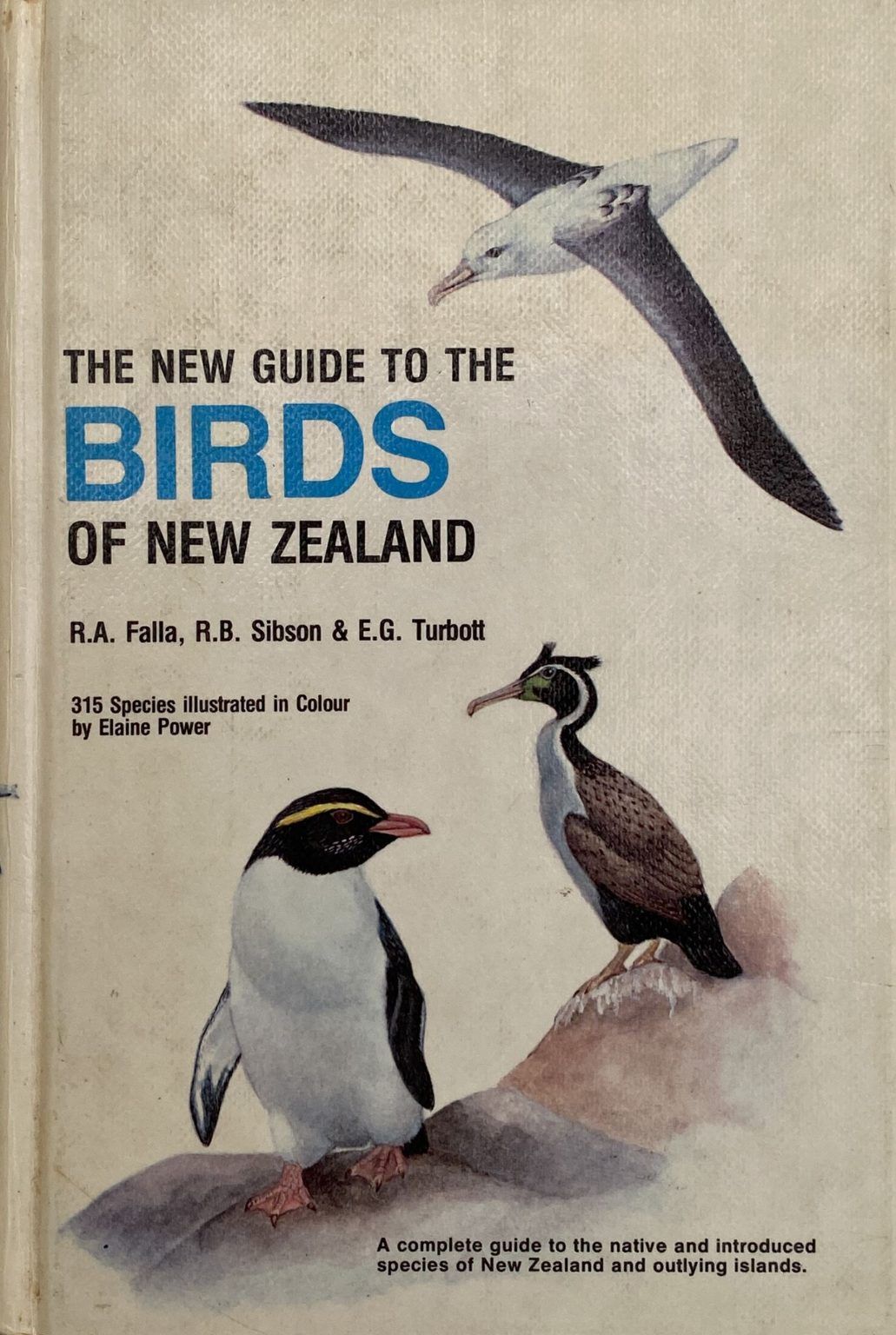
Credit: www.unicornbooks.co.nz
Photography Tips For Birdwatchers
Capturing New Zealand’s birds needs patience and a steady hand. Use a zoom lens to get close without disturbing them. Early morning light gives the best colors and sharp photos.
Capturing the vibrant avian life of New Zealand is a thrilling challenge for birdwatchers. The country’s diverse bird species offer countless opportunities for stunning photography. Whether you’re a seasoned photographer or just starting, refining your skills will enhance your birdwatching experience.Camera Settings
Choosing the right camera settings can make all the difference in your bird photography. Set your camera to a fast shutter speed to capture the swift movements of birds. Consider using a lower aperture for a blurred background that makes the bird stand out. A high ISO setting can help in low light conditions, but beware of noise. Use burst mode to increase your chances of catching that perfect moment. Have you tried using manual focus to fine-tune your shots?Approaching Birds
Approaching birds requires patience and stealth. Move slowly and avoid sudden movements to prevent scaring them away. Wearing natural-colored clothing can help you blend into the environment. When possible, use natural cover like trees or shrubs to get closer. How can you position yourself to capture their natural behavior without being intrusive?Best Times For Photos
Lighting plays a crucial role in bird photography. Early mornings and late afternoons offer the best natural light, often referred to as the “golden hours.” During these times, birds are also more active, providing more opportunities for dynamic shots. Overcast days can also be ideal as they provide soft, diffused light. What time of day do you find gives the best results in your bird photography? By integrating these tips, you’ll be well on your way to capturing stunning images of New Zealand’s unique birdlife.Cultural Significance Of Birds
Birds hold a special place in New Zealand’s culture and history. They are more than just wildlife; they carry deep meanings and stories. These feathered creatures inspire art, legends, and national pride. Understanding their cultural significance enriches any bird-watching experience in New Zealand.
Maori Legends And Beliefs
Birds appear frequently in Maori myths and teachings. Many birds are seen as messengers between the earth and the spirit world. For example, the kiwi is a sacred bird, linked to the ancestors and the land. Some birds are believed to have protective powers or guide lost souls. These stories teach respect for nature and the balance of life.
Birds In New Zealand Art
Artists use bird imagery to express identity and connection to the land. Traditional Maori carvings and tattoos often feature birds like the tui and kereru. Modern artists also draw inspiration from native birds to celebrate heritage. Paintings, sculptures, and crafts showcase birds as symbols of beauty and freedom.
Symbolism And National Identity
Birds like the kiwi have become national symbols of New Zealand. The kiwi represents uniqueness and resilience. It appears on coins, logos, and sports team mascots. Many New Zealanders feel pride in their native birds. Protecting these species reflects a commitment to preserving the country’s natural and cultural heritage.

Credit: www.amazon.com
Frequently Asked Questions
What Are The Most Common Birds In New Zealand?
The most common birds in New Zealand include the tui, kererū, fantail, and kiwi. These species are widely found across various habitats. Each bird has unique features and behaviors that make them easy to identify for birdwatchers and nature enthusiasts.
Where Can I Spot Rare Birds In New Zealand?
Rare birds in New Zealand can be spotted in protected reserves like Zealandia and Stewart Island. These areas offer safe habitats for endangered species like the takahe and kakapo. Guided tours often increase chances of sightings and provide valuable information about conservation efforts.
How Can I Identify New Zealand Native Birds?
Identifying New Zealand native birds involves observing their colors, calls, and behaviors. Field guides and mobile apps can help recognize species like the bellbird or rifleman. Paying attention to habitat and feeding patterns also aids accurate identification during birdwatching trips.
What Is The Best Time To See Birds In New Zealand?
The best time to see birds in New Zealand is during spring and early summer. This period offers active bird mating and feeding behaviors. Longer daylight hours improve visibility, making it ideal for birdwatching and photography in various ecosystems.
Conclusion
New Zealand’s birds are unique and full of wonder. Spotting them brings joy and a sense of peace. This guide helps you know where to find them. Enjoy each bird’s colors, sounds, and habits. Respect nature and keep a safe distance.
Every trip outdoors can teach you something new. Keep exploring, watching, and learning about these special birds. Nature’s beauty waits just around the corner. Happy birdwatching!




