
Have you ever paused to watch the birds visiting your backyard? Those colorful feathers and cheerful songs might surprise you.
Knowing which birds come to your yard can turn everyday moments into exciting discoveries. This guide will help you recognize the most common backyard birds of North America with simple tips and clear pictures. By the end, you’ll feel like a true bird expert—and your backyard will become your favorite outdoor classroom.
Ready to see the wild visitors waiting just outside your door? Let’s dive in!
Common Backyard Birds
Many birds visit backyards across North America. These common birds bring life and color close to home. Watching them helps people connect with nature. Some birds sing sweet songs, others glide over water. Predatory birds add excitement to the scene. Each type plays a role in the local ecosystem. Recognizing these birds adds joy to everyday moments.
Songbirds To Spot
Songbirds are the most frequent backyard visitors. Their vibrant colors and cheerful songs brighten the day. Look for these common songbirds:
- American Robin – Known for its red chest and melodic tunes.
- Northern Cardinal – Bright red feathers make it easy to identify.
- Blue Jay – Loud calls and striking blue plumage stand out.
- Chickadee – Small, friendly birds with a distinctive “chick-a-dee” call.
- House Finch – Often found at feeders, with reddish heads.
Waterfowl Visitors
Waterfowl occasionally visit backyard ponds or lakes. They add a graceful presence to watery areas. Here are common waterfowl to notice:
- Mallard Duck – Males have shiny green heads and bright yellow bills.
- Canada Goose – Large birds with black necks and white chin straps.
- Wood Duck – Known for colorful feathers and unique patterns.
- American Coot – Dark bodies with white beaks, often seen swimming.
Birds Of Prey Nearby
Birds of prey hunt smaller animals and keep the balance. They are impressive to spot soaring above or perched nearby. Common birds of prey include:
- Red-tailed Hawk – Broad wings and a reddish tail are distinctive.
- Cooper’s Hawk – Smaller hawk often seen hunting near feeders.
- American Kestrel – Tiny falcon with bright plumage and fast flight.
- Great Horned Owl – Large, nocturnal, with tufted ears and deep hoots.
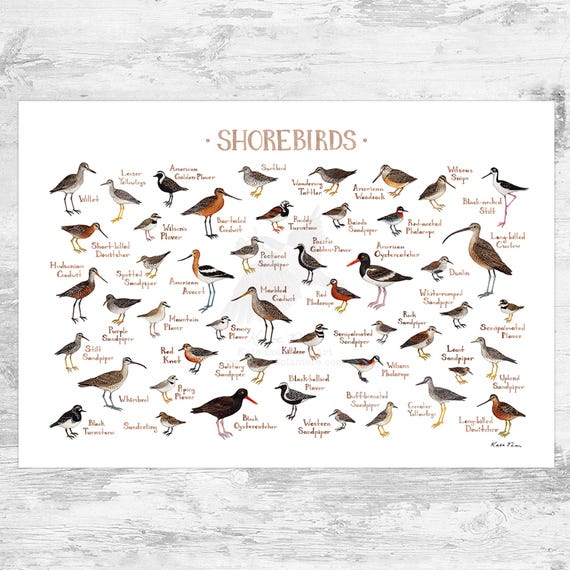
Credit: www.etsy.com
Bird Identification Tips
Identifying backyard birds can be a rewarding challenge. Each bird has unique traits that help you recognize it quickly. Paying attention to specific details sharpens your observation skills and makes birdwatching more fun.
Color Patterns And Markings
Color patterns are often the first clue when spotting a bird. Look for distinctive markings like eye rings, wing bars, or streaks on the chest. Notice how colors change with light or age—juvenile birds may look different from adults.
Don’t just focus on bright colors; subtle shades can be just as telling. For example, the House Sparrow’s brown and gray tones blend well but their cheek patches stand out once you look closely. Have you ever mistaken a bird because you missed a small marking?
Bird Calls And Songs
Listening to bird sounds can reveal a lot. Many backyard birds have unique calls that help you identify them without seeing their full body. Practice mimicking calls or use apps to compare what you hear.
Pay attention to the rhythm and pitch of songs. The Northern Cardinal’s clear whistle sounds very different from the rapid chatter of a Chickadee. Try closing your eyes and focusing on the sound—can you picture the bird behind it?
Behavior And Movement
Birds show distinct behaviors that aid identification. Some hop on the ground, while others cling to tree trunks or hover near flowers. Watch how a bird moves, feeds, or interacts with others to gather clues.
For instance, woodpeckers drum on trees, while sparrows often scratch the ground for seeds. Have you noticed how a bird’s flight style—gliding, flapping fast, or soaring—helps you know what species it is?
Setting Up Your Backyard
Creating a backyard that welcomes birds brings nature close. It lets you enjoy birdwatching right outside your window. A thoughtful setup invites different bird species and keeps them coming back. Simple changes can make your yard a bird haven. Focus on feeders, plants, and water sources to build a balanced habitat.
Choosing The Right Feeders
Different birds prefer different feeders. Tube feeders attract small songbirds like finches and chickadees. Platform feeders work well for larger birds such as cardinals and jays. Suet feeders are perfect for woodpeckers and nuthatches. Use squirrel-proof feeders to protect your food supply. Place feeders in safe spots away from predators. Keep feeders clean to stop disease spread.
Plants That Attract Birds
Native plants provide food and shelter naturally. Trees like oaks and pines offer nesting spots. Shrubs with berries attract robins and thrushes. Flowers with seeds bring finches and sparrows. Choose plants that bloom at different times for year-round food. Dense bushes give birds safe hiding places. Avoid invasive species that harm local ecosystems.
Providing Water Sources
Birds need fresh water for drinking and bathing. A shallow birdbath attracts a variety of species. Change water often to keep it clean and fresh. Adding a dripper or small fountain creates sound that draws birds. Place water sources near feeders but with some open space. Avoid deep containers that can trap small birds. During winter, use heated birdbaths to prevent freezing.
Seasonal Birdwatching
Seasonal birdwatching transforms your backyard into a dynamic theater of avian activity. Each season brings new species, behaviors, and challenges to notice. Understanding these patterns helps you prepare and enjoy birdwatching all year round.
Spring And Summer Visitors
Spring and summer bring a burst of color and song to your backyard. Migratory birds like Baltimore Orioles and Eastern Bluebirds arrive to nest and raise their young. These months offer a chance to witness courtship displays and feeding behaviors up close.
Set up nesting boxes or plant native flowers to attract these visitors. Watching a mother bird feed her chicks can change how you see your outdoor space. What signs of new life have you spotted in your backyard recently?
Fall Migration Patterns
Fall is a busy time as many birds travel south to warmer climates. You might catch glimpses of warblers, thrushes, and hawks passing through. Migration doesn’t happen all at once; it varies by species and weather conditions.
Keep a notebook handy to track the changing species. Offering high-energy foods like suet or sunflower seeds can help tired travelers refuel. How do you adjust your birdwatching habits to catch these fleeting visitors?
Winter Birdwatching Strategies
Winter challenges both birds and watchers with cold temperatures and scarce food. Yet, hardy species like chickadees, woodpeckers, and juncos become more visible as they forage. You can create a bird-friendly winter haven with feeders, water sources, and shelter.
Use feeders that prevent snow buildup and place them where you can observe without disturbing the birds. Offering a variety of seeds and nuts increases your chances of attracting diverse species. Have you noticed how birds change their behavior in winter compared to warmer months?
Photography And Observation
Observing and photographing backyard birds can turn ordinary moments into memorable experiences. Capturing their beauty requires more than just a camera; it demands patience, the right tools, and an understanding of bird behavior. Let’s dive into how you can enhance both your observation skills and photography results.
Best Camera Settings
Getting sharp, vibrant photos of birds starts with your camera settings. Use a fast shutter speed—at least 1/1000 second—to freeze quick movements like wing flaps. Pair this with a wide aperture (small f-number) to blur the background and make the bird stand out.
Adjust your ISO to balance exposure without adding too much grain; on bright days, keep it low (100-400). If your camera allows, shoot in continuous mode to capture multiple shots quickly—this increases your chance of catching the perfect pose. Don’t forget to use autofocus tracking to keep fast-moving birds in focus.
Using Binoculars Effectively
Binoculars bring distant birds into your view, but using them well takes practice. Start by adjusting the eyepieces to fit your eyes and set the focus using a stationary object before scanning the sky or trees. Hold the binoculars steady by resting your elbows on a solid surface or using a tripod adapter if possible.
Try to move slowly and avoid sudden movements that scare birds away. Once you spot a bird, follow its movements gently to observe behaviors like feeding or preening. This close observation sharpens your understanding and makes photography timing easier.
Creating A Bird-friendly Space
Attracting birds to your backyard sets the stage for both great observation and photography. Add native plants that provide natural food sources like berries and seeds. Install feeders with fresh seeds and clean water sources like a birdbath to encourage frequent visits.
Place feeders and birdbaths in safe, quiet spots with some shelter nearby, such as shrubs or trees, so birds feel protected. You’ll notice that when birds feel safe, they’re more relaxed and easier to observe and photograph. What small changes can you make today to invite more feathered friends to your space?

Credit: www.amazon.ca
Common Challenges
Backyard birdwatching is a delightful hobby for many nature enthusiasts. Yet, it comes with its own set of challenges. These challenges can affect both the birds and the joy of observing them. Addressing these issues is crucial for creating a safe and welcoming environment for our feathered friends.
Dealing With Pests
Pests like squirrels and raccoons often invade bird feeders. They can eat all the birdseed, leaving none for the birds. Use squirrel-proof feeders to keep them away. You can also place feeders away from trees and fences. This makes it harder for pests to reach them.
Protecting Birds From Predators
Birds face threats from many predators, including cats and hawks. To protect them, place feeders near sheltering shrubs or trees. These provide quick cover from predators. Avoid putting feeders in open spaces. This reduces the risk of attacks.
Maintaining Clean Feeding Areas
Dirty feeders can harm birds’ health. Regular cleaning prevents the spread of disease. Use warm, soapy water to wash feeders every two weeks. Rinse them thoroughly to remove soap residue. Keep the ground under feeders clean as well. This minimizes the risk of infection.

Credit: www.amazon.ca
Frequently Asked Questions
What Are The Most Common Backyard Birds In North America?
The most common backyard birds include the American Robin, Northern Cardinal, Blue Jay, and House Sparrow. These species are easily spotted across various habitats. They adapt well to urban and suburban environments, making them frequent visitors to feeders and gardens.
How Can I Attract Backyard Birds Year-round?
To attract birds year-round, provide fresh water, native plants, and diverse food sources. Offer seeds, suet, and nectar feeders. Maintain bird-friendly habitats by planting shrubs and trees. Avoid pesticides to keep insects available for insect-eating birds.
When Is The Best Time To Observe Backyard Birds?
Early mornings and late afternoons are ideal for birdwatching. Birds are most active during these times. Seasonal changes also affect bird presence, with migration peaks in spring and fall. Observing during these periods increases your chances of spotting diverse species.
What Should I Feed Backyard Birds Safely?
Feed birds a variety of seeds like sunflower, millet, and nyjer. Avoid bread and processed foods. Offer suet in winter for energy. Clean feeders regularly to prevent disease. Providing natural food sources also supports healthy bird populations.
Conclusion
Birdwatching in your backyard brings nature close and personal. Spotting different birds helps you learn about their habits and colors. Each bird adds life and sound to your outdoor space. Keep a notebook to track your sightings and notes. Simple feeders and water attract more birds to visit.
Enjoy quiet moments watching birds build nests or search for food. Sharing these experiences with family makes memories stronger. Nature’s beauty is right outside your door, waiting to be seen. Happy birdwatching!




